


 English
 Español
 Deutsch
 Polska
 Français
 한국의
한국의 Українська
 Italiano
 Nederlands
 Türkçe
 Português
 Bahasa Indonesia
 Русский
 中國
中國 हिंदी
हिंदी
















部品 - 電子機器 3Dモデル
あります 520アイテム ロイヤリティフリー 3Dモデル.
This category contains a wide choice of Parts 3D Models - Electronics. Any 3D Parts model is available in .max, .obj, .c4d, .fbx, .dxf, .dwg, .stl, .iges, .3ds, .mb, .lwo, .3dm, .skp and .blend format. Some of them are ready for 3D Printing & Games. Also you will find a great number of models in Computer and Phone and Cell phone categories.
Apple
Samsung
HTC
LG
Sony
Nokia
Dell
Canon
Nikon
HP
GoPro
Logitech
Olympus
Fujifilm
Lenovo
BlackBerry
Acer
Asus
Huawei
JVC
Kodak
Motorola
Panasonic
Philips
Sharp
Toshiba
Wacom
Amazon
Google
Benq













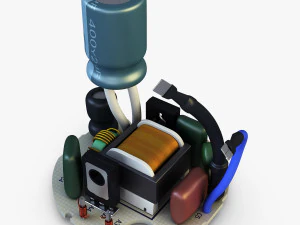
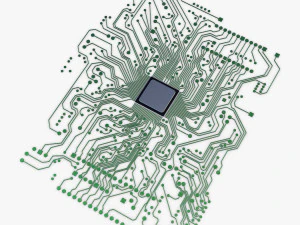
























トレンド検索 3Dモデル:
彫刻 3Dモデル 特徴 3Dモデル 台所 3Dモデル 馬 3Dモデル 外装 3Dモデル 電話と携帯電話 3Dモデル 野菜 3Dモデル ジュエリー 3Dモデル 人形 3Dモデル 医療の 3Dモデル ヘリコプター 3Dモデル 重い武器 3Dモデル トラック 3Dモデル 骨格 3Dモデル2026年の「マクロレベル」電子部品において、標準的な詳細度はどの程度ですか?
2026年、電子部品は極限のマクロレンダリング向けにモデリングされています。つまり、単一のCPUやGPUモデルには、エッチングされたシリアル番号、金メッキされたピン、マイクロトランジスタなど、あらゆる微細なディテールが再現されています。 コンデンサや抵抗器などの部品には、単純なテクスチャではなく「高精度ジオメトリ」を使用し、リアルな自己影を確実に再現しています。マテリアルには32ビットのディスプレースメントマップを採用し、シリコンダイの微細な質感やPCBのガラス繊維の質感を忠実に表現しています。このレベルの精度は、カメラがシリコン部品に物理的に接近する必要がある「ハイテク」CM、コンピューティングに関する教育用動画、および専門的なハードウェアレビューにおいて必須となります。
技術的な可視化において、プリント基板(PCB)はどのようにモデリングされるのでしょうか?
プロフェッショナルな2026年版PCBモデルは、単にテクスチャを貼った平面ではなく、「物理的なトレース」を備えています。つまり、銅の配線経路はわずかに隆起したジオメトリとしてモデリングされており、リアルな「パストレーシング」による反射や影を表現できます。 基板の素材には「多層PBR」が採用されており、緑色や青色のはんだマスク、半透明のガラス繊維コア、そして光沢のあるはんだ接合部(フィレット)をシミュレートします。この「物理的な質感」は、低い角度から基板を見るような技術系アニメーションにおいて極めて重要です。さらに、基板はモジュール式になっており、ユーザーは当社のパーツライブラリから様々なチップやコネクタを配置して、カスタムハードウェア構成を作成することができます。
ファンやヒートシンクなどの電子冷却部品は機能しますか?
はい、冷却部品はこのコレクションの中で最もインタラクティブなパーツの一つです。PCファンや産業用ブロワーには「回転リグ」と「振動コントローラー」が装備されています。これにより、リアルなモーションブラーとわずかな物理的なぐらつきを伴いながら、ファンが高速回転する様子をアニメーション化できます。 ヒートシンクは「高表面積」ジオメトリでモデリングされており、アルミニウムや銅のフィンの薄さを忠実に再現しています。2026年版では、これらのモデルに「熱放射」マスクも追加されました。これにより、技術的または科学的なレンダリングにおいて熱分布を可視化し、フィンを通る空気の流れが内部の電子部品をどのように冷却しているかを示すことができます。
電子部品には、USB-CやThunderbolt 5のようなリアルなコネクタが含まれていますか?
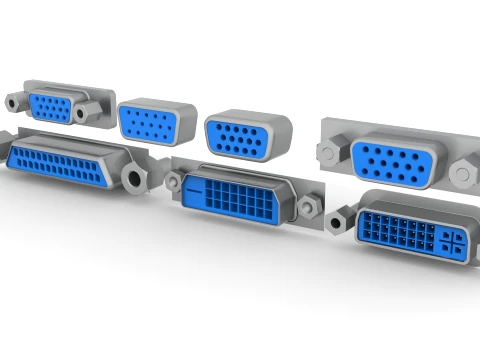
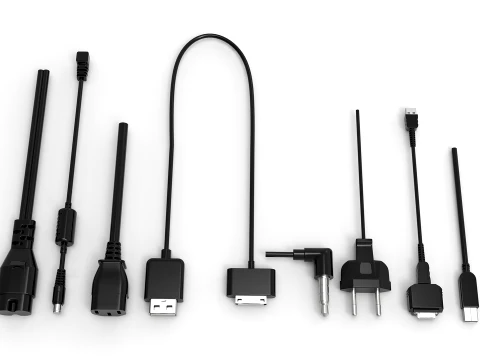
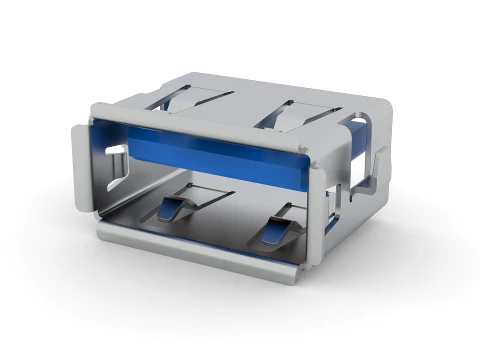
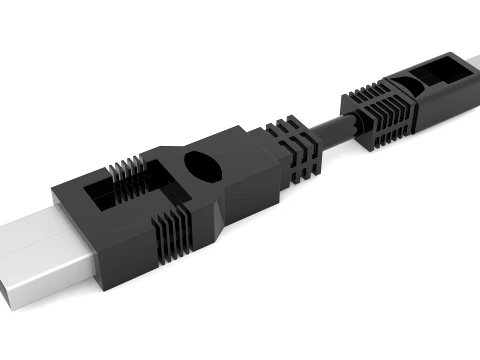
精密な接続性は、2026年コレクションの特徴です。USB-C、Thunderbolt 5、専用の産業用ピンを含むすべてのコネクタは、ハードウェアの仕様通りに1:1でモデリングされています。これにより、「ケーブル」サブカテゴリのケーブルコネクタが、手動での拡大縮小や交差エラーなしに、ポートの形状に完璧にフィットすることが保証されます。 内部のピンは、導電性のある外観を持つ独立したジオメトリとしてモデリングされているため、カメラがポートを直接撮影した場合でも、そのディテールは実物のハードウェアと完全に一致します。この技術的な正確さは、「接続」のプロセスを高精細に表現する必要がある工業デザイナーやテクニカルアニメーターにとって不可欠なものです。
電子部品のテクスチャは、レンダリングパフォーマンスのためにどのように最適化されていますか?
膨大なディテールにもかかわらず、2026の電子部品は「テクスチャセット最適化」を採用しています。UDIMやアトラスレイアウトを使用して、複数の小さなコンポーネントを単一の高解像度テクスチャセットに詰め込むことで、レンダリング時のドローコールの数を削減しています。 チップ上のテキストのような微細なディテールは、多くの場合「デカール」シェーダーを通じて処理され、カメラの距離にかかわらずテキストが鮮明に保たれます。工場のフロアやデータセンターのような大規模なシーンでは、回路部分にベイクされた法線マップを使用した「低LOD」バージョンを提供しています。これにより、プロフェッショナルな視覚基準を維持しつつ、GPUのメモリを圧迫することなく数千ものコンポーネントをレンダリングすることが可能です。