


 English
 Español
 Deutsch
 Polska
 Français
 한국의
한국의 Українська
 Italiano
 Nederlands
 Türkçe
 Português
 Bahasa Indonesia
 Русский
 中國
中國 हिंदी
हिंदी
















モンスター - 特徴 3Dモデル
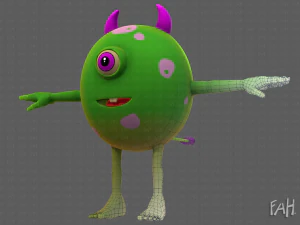
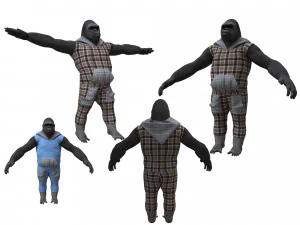
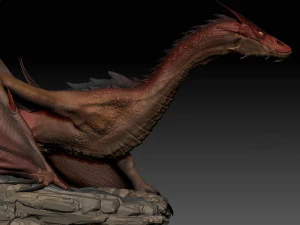
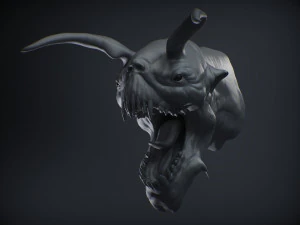
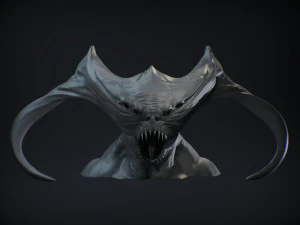
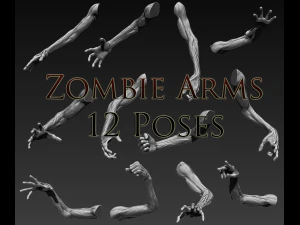
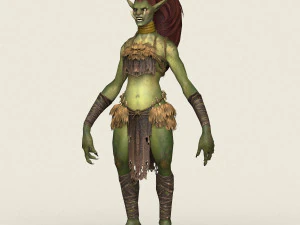
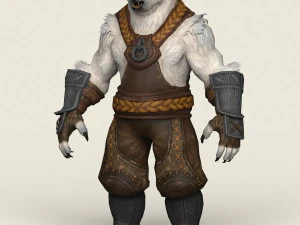
あります 2004アイテム ロイヤリティフリー 3Dモデル. This category contains a wide choice of Monster 3D Models - Fantasy and Sci-fi. Any 3D Monster Fantasy and Sci-fi model is available in .max, .obj, .c4d, .fbx, .dxf, .dwg, .stl, .iges, .3ds, .mb, .lwo, .3dm, .skp and .blend format. Some of them are ready for 3D Printing & Games. Also you will find a great number of models in Robot and Anatomy categories.

































トレンド検索 3Dモデル:
彫刻 3Dモデル 特徴 3Dモデル 台所 3Dモデル 馬 3Dモデル 外装 3Dモデル 電話と携帯電話 3Dモデル 野菜 3Dモデル ジュエリー 3Dモデル 人形 3Dモデル 医療の 3Dモデル ヘリコプター 3Dモデル 重い武器 3Dモデル トラック 3Dモデル 骨格 3Dモデル2026年の「ホラー対応」モンスターモデルを特徴づける技術的進歩とは?
2026年、モンスターモデルは32ビットのディスプレースメントマップと高解像度の微細な表面ディテールを通じて、「内臓的なリアリズム」を最優先しています。これらのアセットは不気味さを重視し、腐敗した肉、露出した筋繊維、キチン質の外骨格などのテクスチャを極めて鮮明に表現します。 重要な機能の一つが「ウェットネス」シェーダーシステムです。これは屈折率を利用して、クリーチャーの表面に付着した唾液、血液、あるいは粘液をシミュレートします。これにより、暗い環境でモンスターがスポットライトを浴びた際、スペキュラーハイライトが「有機的」で脅威を感じさせるような反応を示すようになります。 このレベルのディテールは、観客がしばしば怪物のすぐ近くにいる現代のホラー映画やVRゲームで求められる「ジャンプスケア」のリアリティに不可欠です。
非伝統的な解剖学や変形に対応したモンスターのリグはどのように設計されるのでしょうか?
2026年のモンスターリギングでは、余分な手足、複数の頭部、あるいは変形する身体部位を持つクリーチャーに対応するため、「非ユークリッド」なボーン階層が頻繁に採用されています。これらのリグには、触手や尾のための複雑な「IK/FK」切り替え機能に加え、顎の脱臼や皮膚の伸縮を表現するための「モーフターゲット」が含まれています。 これにより、ゲームプレイやシネマティックシーンにおいて、腹部が破裂したり背中から棘が突き出たりといった、恐ろしい変形をモンスターにさせることが可能になります。また、これらのリグには軟組織用の「ジグルデフォーマ」が搭載されており、たるんだ皮膚や突出した内臓が、クリーチャーの動きに対してリアルな重量感と運動量で反応するよう保証することで、「ゴア」要素と全体的な物理的な存在感を大幅に高めています。
モンスターデザインにおいて、「生物発光と発光ライティング」はどのように活用されているのでしょうか?
2026年のモンスターモデルの多くは、異世界的な危険感を演出するために生物発光を活用しています。 これは、内臓、目、毒腺など、クリーチャーの特定の部分が光を脈打たせるようにする多層的な発光マスクによって実現されています。これらの発光領域は、多くの場合「サブサーフェス・スキャタリング」(SSS)マップに統合され、光がクリーチャーの組織の奥深くから発せられているかのような「肉体の輝き」効果を生み出します。 これはホラーストーリーテリングにおける強力な視覚的ツールであるだけでなく、ボス戦のメカニクスにおける「弱点」を強調し、暗く怪物がはびこる環境の不気味な雰囲気を保ちつつ、プレイヤーの視線をクリティカルヒットゾーンへと誘導する機能的な役割も果たします。
これらのモンスターモデルは、ダイナミックな血痕や傷跡のオーバーレイに対応していますか?
はい、プロフェッショナル2026のモンスターアセットは、「Vertex Color」マスクまたはセカンダリUVチャンネルを使用した「ダイナミックダメージ」に対応しています。これにより、開発者は戦闘中にリアルタイムで、クリーチャーのメッシュに血しぶき、開いた傷口、または「焼け焦げた」テクスチャをプロシージャルに適用することができます。 多くのモデルには、表皮層の下に「内部の肉」ジオメトリが含まれており、モンスターがダメージを受けた際に「カットアウト」シェーダーを使用してこれを露出させることができます。このレベルのインタラクティブなディテールは、プレイヤーに不可欠な視覚的フィードバックを提供し、モンスターの物理的な劣化が初期の外見と同様に重要となるアクションホラーゲームにおいて、より生々しく反応的な体験を生み出します。
巨大スケールのモンスターは、大規模なボス戦に向けてどのように最適化されているのでしょうか?
「コロッサル」級のモンスターについては、2026モデルが「タイル化テクスチャ」ワークフローと「UDIM」セットを活用し、広大な表面全体で鮮明なディテールを維持しています。最適化は、強力なLODシステムと、体の部位ごとに分割された「コリジョンプロキシ」によって行われ、巨体の異なる部位に対する正確なヒット検出を可能にしています。 その巨大なサイズにもかかわらず、これらのモデルは重要な部分において「パフォーマンス重視」に設計されています。メッシュの静的パーツには「Nanite」最適化を採用し、主要な四肢やフェイシャルアニメーションにはスケルトン処理能力を優先的に割り当てています。これにより、画面いっぱいに広がる巨大なモンスターでも高フレームレートで動作し、2026年の高性能タイトルならではの滑らかなゲームプレイを、そのスケールの大きさによって損なうことがありません。