怪物 - 字符 - 3D 模型 3D 模型
我们有 1931 项目 免版税 3D 模型. This category contains a wide choice of Monster 3D Models - Fantasy and Sci-fi. Any 3D Monster Fantasy and Sci-fi model is available in .max, .obj, .c4d, .fbx, .dxf, .dwg, .stl, .iges, .3ds, .mb, .lwo, .3dm, .skp and .blend format. Some of them are ready for 3D Printing & Games. Also you will find a great number of models in Robot and Anatomy categories.

热门搜索 3D 模型:
雕塑 3D 模型 字符 3D 模型 厨房 3D 模型 马 3D 模型 外景 3D 模型 电话和手机 3D 模型 蔬菜 3D 模型 珠宝首饰 3D 模型 玩具 3D 模型 医疗 3D 模型 直升机 3D 模型 重型武器 3D 模型 卡车 3D 模型 解剖 3D 模型What technical advancements define "Horror-Ready" monster models in 2026?
In 2026, monster models prioritize "Visceral Realism" through 32-bit displacement maps and high-resolution micro-surface detailing. These assets focus on the macabre, capturing textures such as rotting flesh, exposed muscle fibers, and chitinous exoskeletons with extreme clarity. A key feature is the "Wetness" shader system, which uses refractive indices to simulate saliva, blood, or slime on the creature’s surface. This ensures that when the monster is hit by a spotlight in a dark environment, the specular highlights react in a way that feels tangibly "organic" and threatening. This level of detail is essential for the "Jump Scare" fidelity required in modern horror cinema and VR gaming, where the viewer is often in very close proximity to the beast.
How are monster rigs designed for non-traditional anatomy and transformations?
Monster rigging in 2026 often involves "Non-Euclidean" bone hierarchies to support creatures with extra limbs, multiple heads, or shifting body parts. These rigs include complex "IK/FK" switches for tentacles and tails, as well as "Morph Targets" for jaw unhinging or skin stretching. This allows the monster to undergo horrific transformations—such as an abdomen bursting open or spines erupting from the back—during gameplay or cinematic sequences. These rigs are also equipped with "Jiggle Deformers" for soft tissue, ensuring that flabby skin or protruding organs react to the creature’s movement with realistic weight and momentum, significantly enhancing the "Gore" factor and the overall sense of physical presence.
How is "Bioluminescence and Emissive Lighting" used in monster design?
Many 2026 monster models utilize bioluminescence to create a sense of otherworldly danger. This is achieved through multi-layered emissive masks that allow certain parts of the creature—like internal organs, eyes, or toxic glands—to pulse with light. These glowing areas are often integrated into the "Subsurface Scattering" (SSS) maps, creating a "flesh-glow" effect where the light appears to originate from deep within the creature’s tissues. This is not only a powerful visual tool for horror storytelling but also functional, as it can be used to highlight "Weak Spots" in boss-fight mechanics, guiding the player’s eye to critical strike zones while maintaining the atmospheric dread of a dark, creature-infested environment.
Do these monster models support dynamic blood and wound overlays?
Yes, professional 2026 monster assets feature "Dynamic Damage" support through the use of "Vertex Color" masks or secondary UV channels. This allows developers to procedurally apply blood spatters, open wounds, or "burnt" textures to the creature’s mesh in real-time during combat. The models often include "Inner Flesh" geometry beneath the primary skin layer, which can be revealed using "Cutout" shaders when the monster takes damage. This level of interactive detail provides essential visual feedback for players and creates a more visceral, reactive experience in action-horror games, where the physical degradation of the monster is as important as its initial appearance.
How are giant-scale monsters optimized for massive boss encounters?
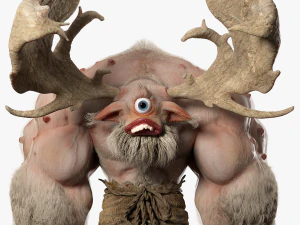
For "Colossal" monsters, 2026 models utilize "Tiled Texture" workflows and "UDIM" sets to maintain crisp detail across massive surface areas. Optimization is handled through aggressive LOD systems and "Collision Proxies" that are segmented by body part, allowing for precise hit detection on different areas of the giant’s body. Despite their size, these models are designed to be "Performance-Light" where it counts, using "Nanite" optimization for the static parts of the mesh while reserving skeletal processing power for the primary limbs and facial animations. This allows for massive, screen-filling monsters that run at high framerates, ensuring that the scale of the encounter never compromises the fluid gameplay of a 2026 high-performance title.
English
Español
Deutsch
日本語
Polska
Français
한국의
Українська
Italiano
Nederlands
Türkçe
Português
Bahasa Indonesia
Русский
中國
हिंदी