蔬菜 - 食品 - 3D 模型 3D 模型

我们有 638 项目 免版税 3D 模型.

筛选器
$5
$1500
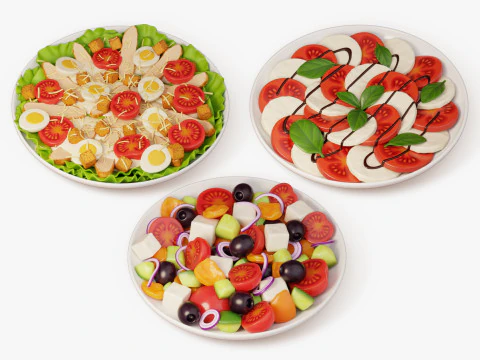
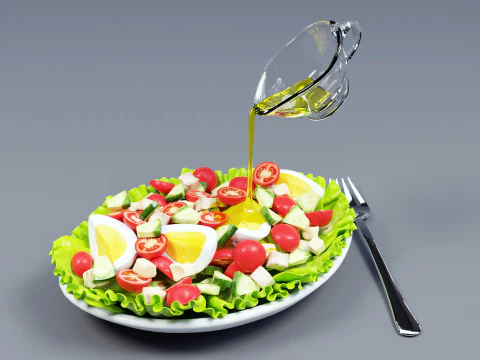
  1. 沙拉盘套装 3D 模型
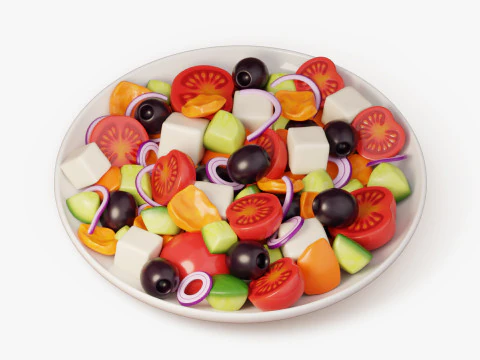
  2. 希腊沙拉碗 3D 模型
  3. 鸡肉凯撒沙拉 3D 模型
  4. 卡普雷塞沙拉盘 3D 模型
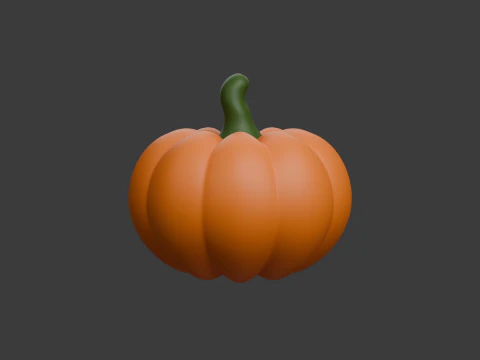
  5. 南瓜卡通 3D 模型
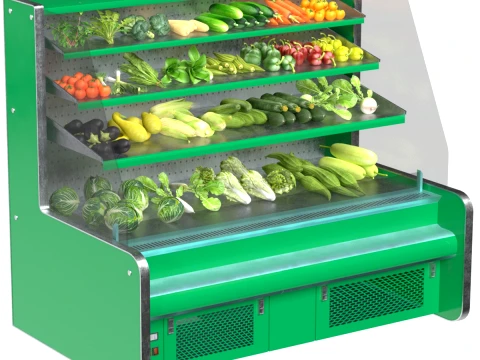
  6. 蔬菜堆 3D 模型
  7. 蔬菜收藏 3D 模型
  8. 薄荷草本植物 3D 模型
  9. 羽衣甘蓝叶 3D 模型
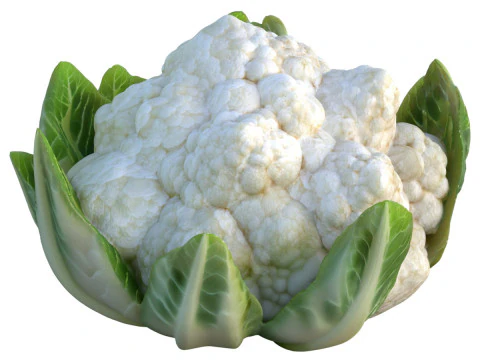
  10. 花椰菜蔬菜 3D 模型
  11. 蘑菇卡通02 3D 模型
  12. 沙拉002 3D 模型
  13. 番茄 3D 模型
  14. 沙拉001 3D 模型
  15. 罗勒叶 3D 模型
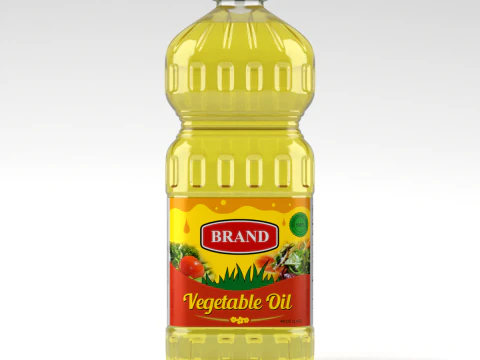
  16. 食用油瓶 3D 模型
  17. 程式化的蘑菇 3D 模型
  18. 风格化蔬菜包 3D 模型
  19. 程式化的番茄 3D 模型
  20. 程式化的南瓜 3D 模型
  21. 程式化的洋葱 3D 模型
  22. 程式化的大蒜 3D 模型
  23. 程式化的茄子 3D 模型
  24. 程式化的黄瓜 3D 模型
  25. 程式化的玉米 3D 模型
  26. 程式化的辣椒 3D 模型
  27. 程式化的胡萝卜 3D 模型
  28. 程式化的西兰花 3D 模型
  29. 程式化的甜椒 3D 模型
  30. 程式化的甜菜根 3D 模型
  31. 棕色蘑菇 3D 模型
  32. 黑克里姆番茄 3D 模型
  33. 腌黄瓜 3D 模型
  34. 程式化的卷心菜卷 3D 模型
  35. 南瓜 3D 模型
  36. 芜菁 3D 模型
  37. 防风草 3D 模型
  38. 皇冠形南瓜 3D 模型
  39. 球芽甘蓝 3D 模型
  40. 黑萝卜 3D 模型
  41. 西兰花 3D 模型
  42. 蘑菇卡通 3D 模型
  43. 红南瓜 3D 模型
  44. 番茄片 3D 模型
  45. 迷迭香 3D 模型
  46. 红辣椒片 3D 模型
  47. 泡菜片 3D 模型
  48. 橄榄 3D 模型
  49. 蘑菇片 3D 模型
  50. 青柠片 3D 模型
  51. 黄瓜片 3D 模型
  52. 罗勒 3D 模型
  53. 鳄梨片 3D 模型
  54. 西红柿托盘 02 3D 模型
  55. 西红柿托盘 01 3D 模型
  56. 胡萝卜 3D 模型
  57. 卷心菜 3D 模型
  58. 玉米001 3D 模型
  59. 南瓜与女巫帽子 3D 模型
  60. 可怕的南瓜 3D 模型
  61. 南瓜 3D 模型
  62. 番茄酱瓶 3D 模型
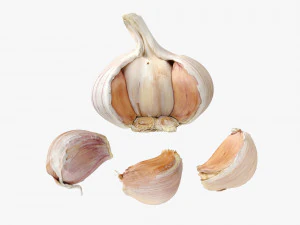
  63. 蒜 3D 模型
  64. 西兰花束 3D 模型
  65. 南瓜 3D 模型
  66. 橡子南瓜 3D 模型
  67. 胡桃南瓜 3D 模型
  68. 芦笋 3D 模型
  69. 比利时菊苣 3D 模型
  70. 土豆01 3D 模型
  71. 葱 04 3D 模型
  72. 葱02 3D 模型
  73. 葱01 3D 模型
  74. 炸薯条卡通 3D 模型
  75. 阿格拉花椰菜 3D 模型
  76. 番茄 3D 模型
  77. 甜菜 3D 模型
  78. 菠菜 3D 模型
  79. 萝卜 3D 模型
  80. 辣椒 3D 模型
  81. 绿豆 3D 模型
  82. 蒜 3D 模型
  83. 茄子 3D 模型
  84. 黄瓜 3D 模型
  85. 羽衣甘蓝 3D 模型
  86. 土豆 3D 模型
  87. 洋葱 3D 模型
  88. 秋葵 3D 模型
页 1 的 7

How is "Leafy Green" realism achieved in 2026 vegetable models?

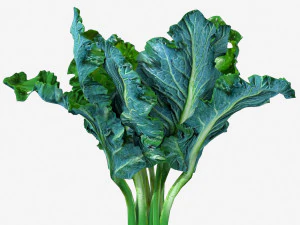
The challenge of modeling lettuce, spinach, and kale lies in the "Translucency" and "Vein Structure." In 2026, we use "Two-Sided" shaders with custom "Transmission Maps" that allow light to shine through the leaf, revealing the intricate network of veins. The edges of the leaves feature "Micro-Frayed" geometry to prevent them from looking like perfect, sharp planes. This ensures that a salad bowl looks light and fresh, with the light interacting with the layers of greens in a way that feels organic and crisp, which is a standard for professional food photography.

Do root vegetables include "Soil and Residue" textures?

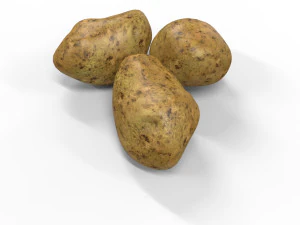
Yes, for a "Farm-to-Table" look, our 2026 root vegetables like carrots, potatoes, and beets include "Layered Dirt" masks. These are not just brown colors but actual "Displacement Maps" that add a clumpy, gritty texture to the skin. Users can adjust the "Cleanliness" of the vegetable, switching from a freshly dug-up look to a washed, "Supermarket-Ready" appearance. This level of environmental detail is perfect for agricultural visualizations, organic brand marketing, and rustic kitchen renders where a sense of origin is important for the narrative.
How is the "Snap and Crunch" of vegetables visualized?

Freshness is visually communicated through "Turgidity" and "Specular Glint." In 2026, vegetables like bell peppers and celery feature "High-Tension" surface geometry and "Wetness" maps that simulate the moisture on the skin. When sliced, the "Internal Moisture" is represented by a separate refractive layer that catches the light, mimicking the "Juice" released when a vegetable is cut. This "Glisten" is what tells the viewer the vegetable is crunchy and fresh, making it an essential feature for grocery commercials and health-app interfaces.

Are vegetables provided in various "Life Cycle" states?

To support realistic ArchViz, the 2026 collection includes "State-Based" assets. A single vegetable might come with "Garden Fresh," "Supermarket Standard," and "Slightly Wilted" versions. The "Wilted" versions use "Morph Targets" to show the leaves curling and losing volume, along with "De-Saturation" textures. This allows for environmental storytelling, such as showing a kitchen that has been left unattended or a "Zero-Waste" educational simulation. This variety ensures that the models can be used for more than just perfect marketing shots, but for realistic life-simulations as well.
How are "Complex" vegetables like broccoli and cauliflower modeled?

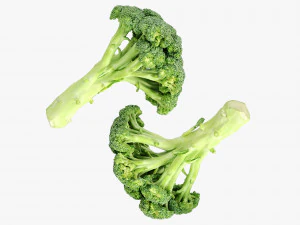
Vegetables with "Fractal" structures, like broccoli or romanesco, are created using "High-Resolution Photogrammetry" combined with "Procedural Growth" algorithms. In 2026, these models feature thousands of individual "Florets" with "Subsurface Scattering" to capture the dense yet porous look of the vegetable head. Despite this complexity, they are provided with "LOD-Optimization," allowing them to be scattered in large quantities (e.g., in a grocery bin) without crashing the render engine. This balance of extreme micro-detail and performance optimization is a hallmark of the 2026 vegetable category.