


 English
 Español
 Deutsch
 Polska
 Français
 한국의
한국의 Українська
 Italiano
 Nederlands
 Türkçe
 Português
 Bahasa Indonesia
 Русский
 中國
中國 हिंदी
हिंदी
















野菜 - 食べ物 3Dモデル
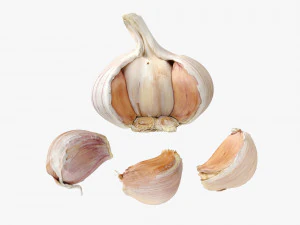
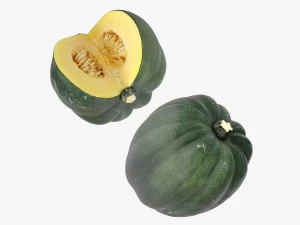
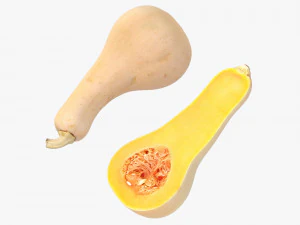
あります 660アイテム ロイヤリティフリー 3Dモデル. This category contains a wide choice of Vegetable 3D Models - Food. Any 3D Vegetable model is available in .max, .obj, .c4d, .fbx, .dxf, .dwg, .stl, .iges, .3ds, .mb, .lwo, .3dm, .skp and .blend format. Some of them are ready for 3D Printing & Games. Also you will find a great number of models in Meat and Beverage categories.


























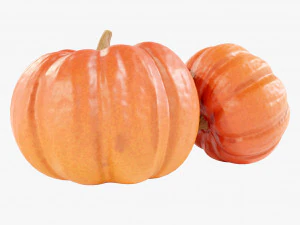








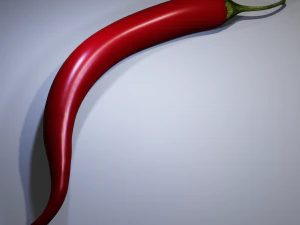
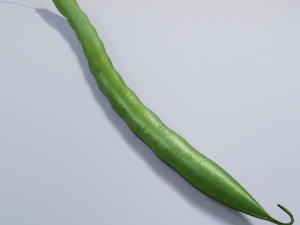


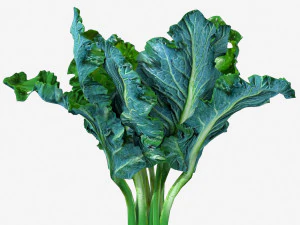
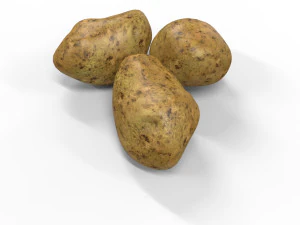

トレンド検索 3Dモデル:
彫刻 3Dモデル 特徴 3Dモデル 台所 3Dモデル 馬 3Dモデル 外装 3Dモデル 電話と携帯電話 3Dモデル 野菜 3Dモデル ジュエリー 3Dモデル 人形 3Dモデル 医療の 3Dモデル ヘリコプター 3Dモデル 重い武器 3Dモデル トラック 3Dモデル 骨格 3Dモデル2026年の野菜モデルにおいて、「葉物野菜」のリアリズムはどのように実現されているのでしょうか?
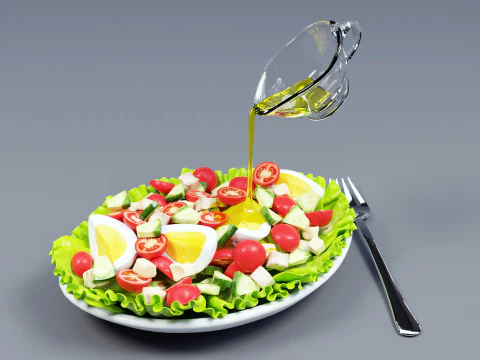
レタス、ほうれん草、ケールのモデリングにおける課題は、「半透明感」と「葉脈の構造」にあります。2026年現在、私たちは光が葉を透過し、複雑な葉脈のネットワークを浮かび上がらせるカスタム「透過マップ」を備えた「両面」シェーダーを使用しています。 葉の縁には「微細なほつれ」のジオメトリを施し、完璧で鋭い平面のように見えないようにしています。これにより、サラダボウルは軽やかで新鮮な印象を与え、光が葉の層と有機的でシャキッとした質感で相互作用するようになります。これはプロのフードフォトグラフィーにおける標準的な手法です。
根菜類には「土や残留物」のテクスチャが含まれていますか?
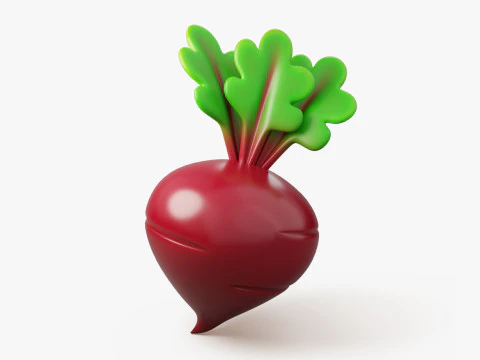
はい、「農場から食卓へ」という雰囲気を演出するため、ニンジン、ジャガイモ、ビーツなどの2026年版根菜には「Layered Dirt」マスクが含まれています。これらは単なる茶色い色付けではなく、皮に塊状でざらついた質感を加える実際の「ディプレースメントマップ」です。 ユーザーは野菜の「清潔度」を調整でき、掘りたての見た目から、洗われて「スーパーで販売できる状態」の外観へと切り替えることができます。このレベルの環境ディテールは、農業の可視化、オーガニックブランドのマーケティング、そして物語において産地感が重要な素朴なキッチンのレンダリングに最適です。
野菜の「パリッとした食感」はどのように可視化されているのでしょうか?
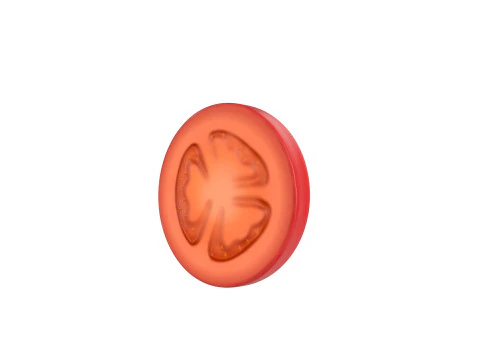
鮮度は「張力」と「スペキュラー・グリント」を通じて視覚的に表現されます。2026年、パプリカやセロリなどの野菜には、「高張力」の表面ジオメトリと、皮の水分をシミュレートする「湿り気」マップが採用されています。 スライスされた際、「内部の水分」は、光を捉える独立した屈折レイヤーによって表現され、野菜を切った時に放出される「果汁」を模倣します。この「きらめき」こそが、視聴者にその野菜がシャキシャキとして新鮮であることを伝えるものであり、食料品コマーシャルや健康アプリのインターフェースにおいて不可欠な機能となっています。
野菜は様々な「ライフサイクル」の状態が用意されていますか?
リアルな建築ビジュアライゼーション(ArchViz)をサポートするため、2026年コレクションには「状態ベース」のアセットが含まれています。1つの野菜に対して、「収穫直後」、「スーパーマーケットでの標準状態」、「少ししおれた」といったバージョンが用意される場合があります。 「しおれた」バージョンでは、「モーフターゲット」を使用して葉が丸まり、ボリュームが失われる様子を表現するとともに、「彩度を下げた」テクスチャを採用しています。これにより、放置されたキッチンの様子や「ゼロ・ウェイスト」の教育用シミュレーションなど、環境を通じたストーリーテリングが可能になります。こうしたバリエーションにより、モデルは単なる完璧なマーケティング用ショットだけでなく、リアルな生活シミュレーションにも活用できるようになります。
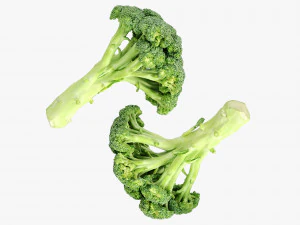
ブロッコリーやカリフラワーのような「複雑な」野菜はどのようにモデリングされているのでしょうか?
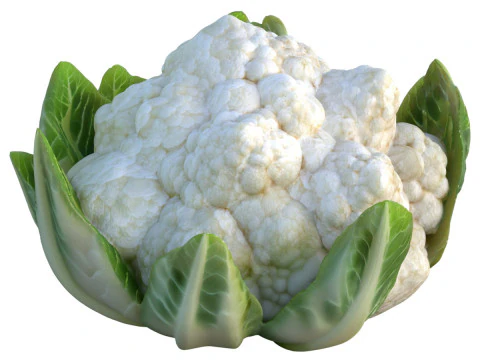
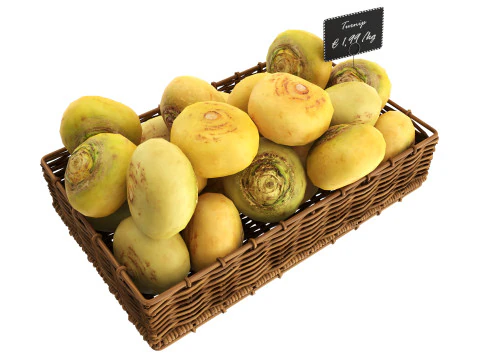
ブロッコリーやロマネスコのような「フラクタル」構造を持つ野菜は、「高解像度フォトグラメトリー」と「プロシージャル成長」アルゴリズムを組み合わせて作成されます。2026年版では、野菜の頭部の緻密でありながら多孔質な外観を再現するため、数千個の個別の「小房」に「サブサーフェス・スキャタリング」が適用されています。 この複雑さにもかかわらず、「LOD最適化」が施されているため、レンダリングエンジンをクラッシュさせることなく、大量に配置(例:食料品店のカゴの中など)することが可能です。この極限の微細ディテールとパフォーマンス最適化のバランスこそが、2026年の野菜カテゴリーの特徴です。