


 English
 Español
 Deutsch
 Polska
 Français
 한국의
한국의 Українська
 Italiano
 Nederlands
 Türkçe
 Português
 Bahasa Indonesia
 Русский
 中國
中國 हिंदी
हिंदी
















ガジェット - 電子機器 3Dモデル
あります 708アイテム ロイヤリティフリー 3Dモデル.
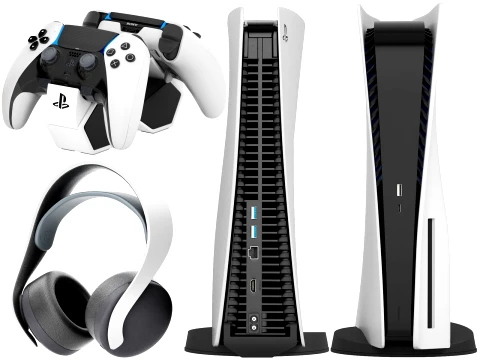
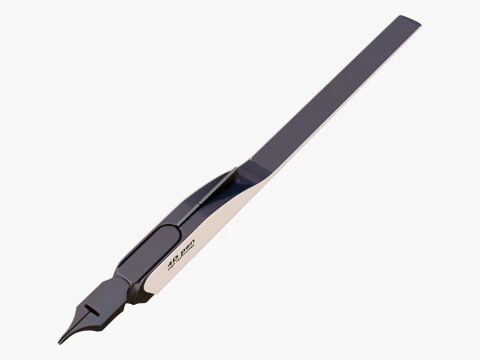
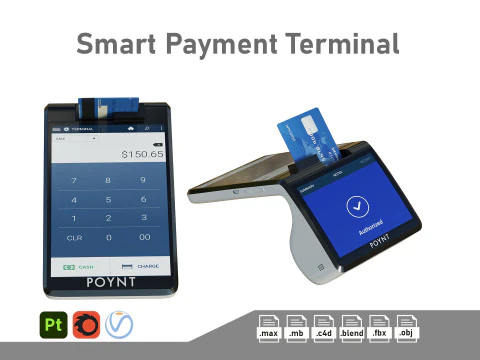
This category contains a wide choice of Gadgets 3D Models - Electronics. Any 3D Gadgets model is available in .max, .obj, .c4d, .fbx, .dxf, .dwg, .stl, .iges, .3ds, .mb, .lwo, .3dm, .skp and .blend format. Some of them are ready for 3D Printing & Games. Also you will find a great number of models in TV and GPS categories.
Apple
Samsung
HTC
LG
Sony
Nokia
Dell
Canon
Nikon
HP
GoPro
Logitech
Olympus
Fujifilm
Lenovo
BlackBerry
Acer
Asus
Huawei
JVC
Kodak
Motorola
Panasonic
Philips
Sharp
Toshiba
Wacom
Amazon
Google
Benq























トレンド検索 3Dモデル:
彫刻 3Dモデル 特徴 3Dモデル 台所 3Dモデル 馬 3Dモデル 外装 3Dモデル 電話と携帯電話 3Dモデル 野菜 3Dモデル ジュエリー 3Dモデル 人形 3Dモデル 医療の 3Dモデル ヘリコプター 3Dモデル 重い武器 3Dモデル トラック 3Dモデル 骨格 3Dモデル2026年のエレクトロニクスコレクションにおける「ガジェット」カテゴリーの特徴とは?
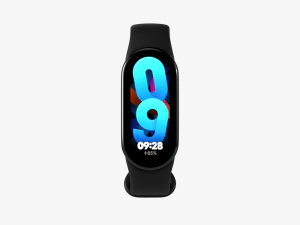
「ガジェット」カテゴリーは、パーソナル、ウェアラブル、スマートホーム技術のハブとしての役割を果たします。2026年現在、これには主に、曲面OLEDスクリーンを搭載した洗練されたスマートウォッチ、生体認証センサーを備えたフィットネストラッカー、そして最新世代のAR/VRヘッドセットが含まれます。また、スマートリング、ディスプレイ内蔵のポータブル電源、IoT(モノのインターネット)ホームセンサーといったニッチな技術のノベルティも含まれています。 これらのモデルは、コンパクトで人間工学に基づいたデザインと、セラミック、サファイアガラス、軽量チタンを組み合わせたハイテク素材のパレットが特徴です。各ガジェットは「ヒーローアセット」としてモデリングされており、4K製品CMで極端なマクロ距離から視聴した場合でも、視覚的な整合性を維持します。
VRおよびARヘッドセットは、内部の光学系をどのようにモデリングして表現しているのでしょうか?
2026年、VR/ARヘッドセットはもはや単なる外殻ではなく、「フルスタック」光学モデリングが採用されています。これには、個々のフレネルレンズ要素、内部ディスプレイ、さらにはアイトラッキングに使用されるIRセンサーアレイまでが含まれます。私たちは、光の屈折やハイエンドレンズに共通する「ブルーライト」の色合いをシミュレートする専用の「オプティカルシェーダー」を使用しています。 これにより、アーティストはリアルな「アイグロー」効果をレンダリングしたり、内部の冷却ファンやプロセッサが見える「X線」ビューを作成したりできます。技術系レビュアーや教育者にとって、これらのモデルは空間コンピューティングの仕組みを説明するのに最適です。また、リグには可動式のヘッドバンドやスライド式のIPD(瞳孔間距離)調整機能が含まれており、あらゆる3Dキャラクターの頭にヘッドセットがリアルにフィットするようになっています。
3Dスマートウォッチは、キャラクターとのインタラクションやストラップの変形に対応したリギングが施されていますか?
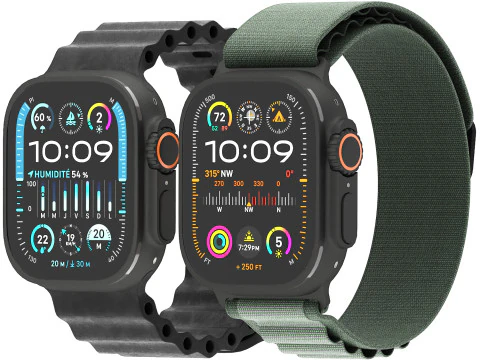
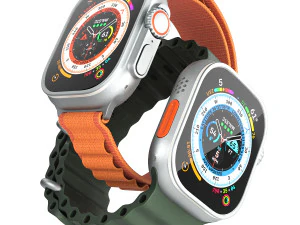
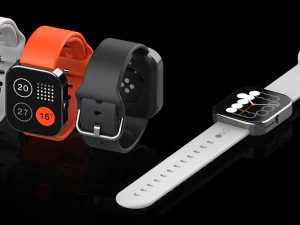
はい、2026年においてウェアラブル機器のリギングは最優先事項です。スマートウォッチやフィットネストラッカーのストラップには「ソフトボディ」リグが採用されており、キャラクターの手首にリアルにフィットするよう事前に調整されています。これらのリグは「スキンラップ」または「スプラインIK」システムを採用しており、レザー、金属、シリコン製のバンドが伸びたりメッシュがクリッピングしたりすることなく変形するように設計されています。 これは、動きの中でも時計が完璧な位置を保たなければならないキャラクター主導のアニメーションにおいて不可欠です。さらに、「デジタルクラウン」やサイドボタンはクリック感を再現できるようリギングされており、画面のUIは独立した発光レイヤー上に配置されているため、シーン中に通知ポップアップ、健康データの追跡、着信などのアニメーションを表示することが可能です。
2026年のプレミアムガジェットでは、「マテリアルの洗練度」はどのように処理されているのでしょうか?
ハイエンドガジェットでは、現代の工業デザインの複雑さを表現するために「レイヤードシェーダー」アプローチを採用しています。例えば、スマートウォッチでは、ブラッシュドメタル製のケースに「異方性」シェーダー、画面に「クリアコート」シェーダー、シリコンストラップに「サブサーフェススキャタリング」シェーダーを使用する場合があります。 2026年には、センサーやカメラレンズ向けに「薄膜干渉」マップも追加され、実物のハードウェアに見られる特徴的な虹色の輝きを再現します。これらのシェーダーはパストレーシングエンジンとリアルタイムエンジンの両方に完全に対応しており、反射や光の屈折が物理的に正確であることを保証します。このレベルのマテリアルの深みは、プレミアム素材の「質感」を画面を通じて伝えなければならない製品マーケティングにおいて不可欠です。
これらのガジェットモデルは、IoTやスマートホームの可視化に対応していますか?
もちろんです。このカテゴリには、サーモスタット、防犯カメラ、音声制御ハブなど、多種多様なスマートホームガジェットが含まれています。これらのモデルは「モジュラーマウント」を念頭に設計されており、バックプレートとネジ穴の形状が分離されているため、建築シーンへの統合が容易です。建築ビジュアライゼーションのアーティストにとって、こうした細部こそが「スマートホーム」をリアルに見せる鍵となります。 セキュリティカメラには「パン・チルト」制御機能が搭載されており、システムが稼働中であることを示すために緑から赤へと色が変わる発光式の「ステータスLED」を備えています。こうしたインタラクティブなガジェットを取り入れることで、2026年の現代生活を象徴する、完全に接続され自動化された生活環境を可視化するために必要なツールを提供します。