


 English
 Español
 Deutsch
 日本語
日本語 Polska
 Français
 한국의
한국의 Українська
 Nederlands
 Türkçe
 Português
 Bahasa Indonesia
 Русский
 中國
中國 हिंदी
हिंदी
















Gadgets - Elettronici Modelli 3D
Abbiamo 703 oggetto(i) Senza royalty Modelli 3D.
This category contains a wide choice of Gadgets 3D Models - Electronics. Any 3D Gadgets model is available in .max, .obj, .c4d, .fbx, .dxf, .dwg, .stl, .iges, .3ds, .mb, .lwo, .3dm, .skp and .blend format. Some of them are ready for 3D Printing & Games. Also you will find a great number of models in TV and GPS categories.
Apple
Samsung
HTC
LG
Sony
Nokia
Dell
Canon
Nikon
HP
GoPro
Logitech
Olympus
Fujifilm
Lenovo
BlackBerry
Acer
Asus
Huawei
JVC
Kodak
Motorola
Panasonic
Philips
Sharp
Toshiba
Wacom
Amazon
Google
Benq
 HQ3DMODGadgets








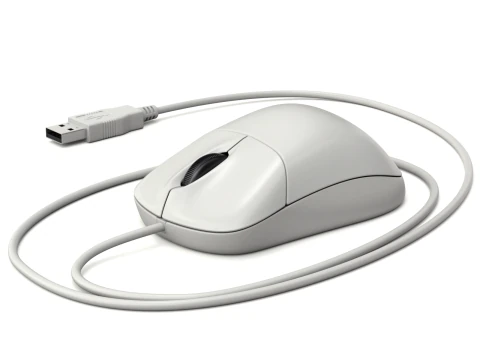





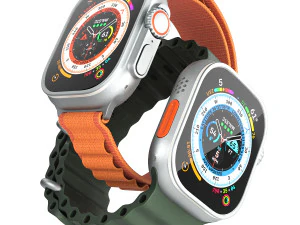












Ricerche di tendenza Modelli 3D:
Scultura Modelli 3D Caratteri Modelli 3D Cucina Modelli 3D Cavallo Modelli 3D Architectural Exteriors Modelli 3D Telefoni e Cellulari Modelli 3D Vegetali Modelli 3D Gioielli Modelli 3D Giocattoli Modelli 3D Medicinali Modelli 3D Elicotteri Modelli 3D Armi Pesanti Modelli 3D Camion Modelli 3D Anatomia Modelli 3DCosa definisce la categoria "Gadget" nella collezione di elettronica del 2026?
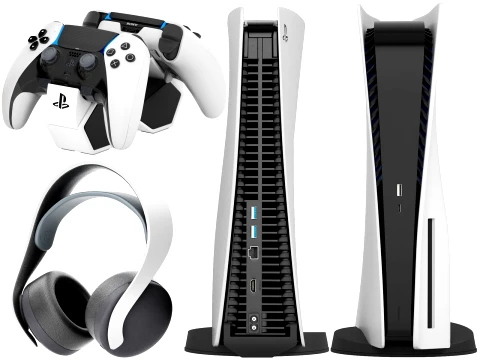
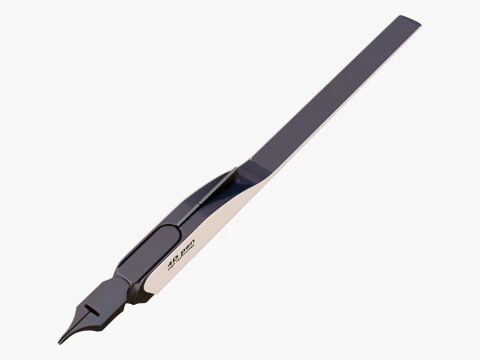
La categoria Gadget funge da hub per la tecnologia personale, indossabile e per la casa intelligente. Nel 2026, questa include principalmente sofisticati smartwatch con schermi OLED curvi, fitness tracker con sensori biometrici e l'ultima generazione di visori AR/VR. Includiamo anche novità tecnologiche di nicchia come anelli intelligenti, power bank portatili con display integrati e sensori domestici IoT (Internet of Things). Questi modelli si caratterizzano per il design compatto ed ergonomico e per i materiali high-tech, spesso con combinazioni di ceramica, vetro zaffiro e titanio leggero. Ogni gadget è modellato come "Hero Asset", il che significa che mantiene la sua integrità visiva anche se visto da distanze macro estreme in uno spot pubblicitario 4K del prodotto.
Come vengono modellati i visori VR e AR per mostrare l'ottica interna?
Nel 2026, i visori VR/AR non sono più solo involucri esterni; presentano una modellazione ottica "Full-Stack". Ciò include i singoli elementi delle lenti di Fresnel, i display interni e persino gli array di sensori IR utilizzati per l'eye-tracking. Utilizziamo "Optical Shaders" specializzati che simulano la rifrazione della luce e la tinta "Blue-Light" comune nelle lenti di fascia alta. Ciò consente agli artisti di renderizzare effetti realistici di "bagliore oculare" o di creare viste "a raggi X" che mostrano le ventole di raffreddamento interne e i processori. Per i recensori tecnologici o gli educatori, questi modelli sono perfetti per spiegare come funziona l'informatica spaziale. Le strutture includono anche fasce articolate e regolatori IPD (distanza interpupillare) scorrevoli, garantendo che il visore si adatti in modo realistico alla testa di qualsiasi personaggio 3D.
Gli smartwatch 3D sono riggati per l'interazione con i personaggi e la deformazione del cinturino?
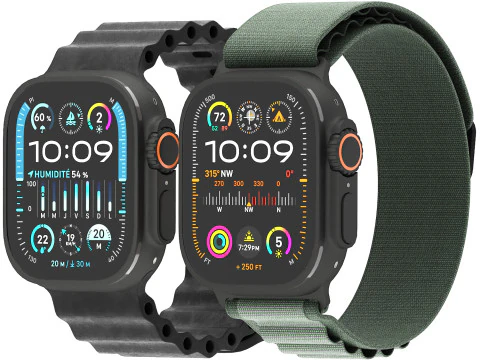
Sì, il rigging per i dispositivi indossabili è una priorità assoluta nel 2026. Gli smartwatch e i fitness tracker dispongono di rig "Soft-Body" per i loro cinturini, che sono precalibrati per avvolgersi in modo realistico attorno al polso di un personaggio. Questi rig utilizzano sistemi "Skin-Wrap" o "Spline-IK" per garantire che i cinturini in pelle, metallo o silicone si deformino senza allungarsi o subire clipping della mesh. Questo è essenziale per le animazioni guidate dai personaggi in cui l'orologio deve rimanere perfettamente posizionato durante il movimento. Inoltre, la "Digital Crown" e i pulsanti laterali sono riggati per un clic tattile, e l'interfaccia utente dello schermo è impostata su un livello emissivo separato, consentendo l'animazione di pop-up di notifica, monitoraggio dei dati sulla salute o chiamate in arrivo durante una scena.
Come viene gestita la "sofisticazione dei materiali" per i gadget premium del 2026?
I gadget di fascia alta si affidano a un approccio "Layered Shader" per catturare la complessità del design industriale moderno. Ad esempio, uno smartwatch potrebbe utilizzare uno shader "Anisotropic" per la sua cassa in metallo spazzolato, uno shader "Clearcoat" per lo schermo e uno shader "Subsurface Scattering" per il cinturino in silicone. Nel 2026, includiamo anche mappe "Thin-Film Interference" per sensori e lenti delle fotocamere, conferendo loro quell'aspetto iridescente caratteristico che si trova sull'hardware reale. Questi shader sono pienamente compatibili sia con i motori di path-tracing che con quelli in tempo reale, garantendo che i riflessi e le rifrazioni della luce siano fisicamente accurati. Questo livello di profondità dei materiali è fondamentale per il marketing dei prodotti, dove la "sensazione" dei materiali premium deve essere trasmessa attraverso lo schermo.
Questi modelli di gadget supportano le visualizzazioni IoT e Smart Home?
Assolutamente sì. La categoria include una vasta gamma di gadget per la casa intelligente come termostati, telecamere di sicurezza e hub a comando vocale. Questi modelli sono progettati tenendo conto del "montaggio modulare", con piastre posteriori separate e fori per viti che ne facilitano l'integrazione nelle scene architettoniche. Per gli artisti di ArchViz, sono proprio questi piccoli dettagli a rendere credibile l'aspetto di una "casa intelligente". Le telecamere di sicurezza sono dotate di comandi "Pan-and-Tilt" e dispongono di "LED di stato" luminosi che possono cambiare da verde a rosso per indicare che il sistema è attivo. Includendo questi gadget interattivi, forniamo gli strumenti necessari per visualizzare gli ambienti abitativi completamente connessi e automatizzati che definiscono la vita moderna del 2026.