


 English
 Español
 Deutsch
 日本語
日本語 Polska
 Français
 한국의
한국의 Українська
 Nederlands
 Türkçe
 Português
 Bahasa Indonesia
 Русский
 中國
中國 हिंदी
हिंदी
















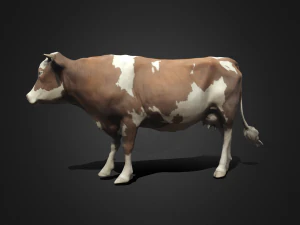
Mucca - Animali Modelli 3D
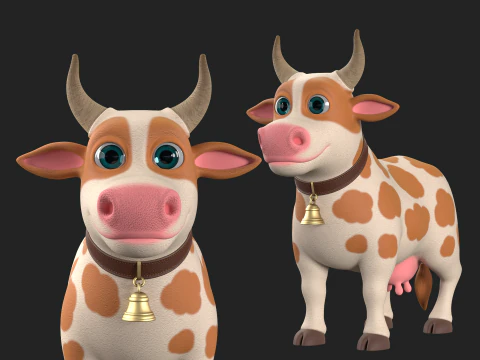
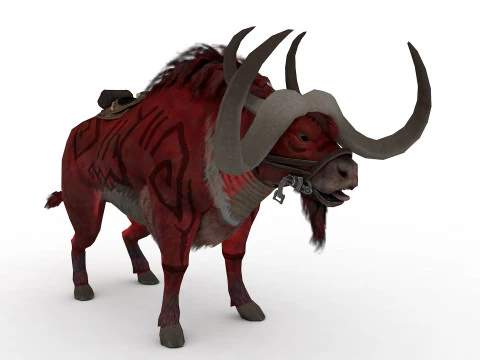
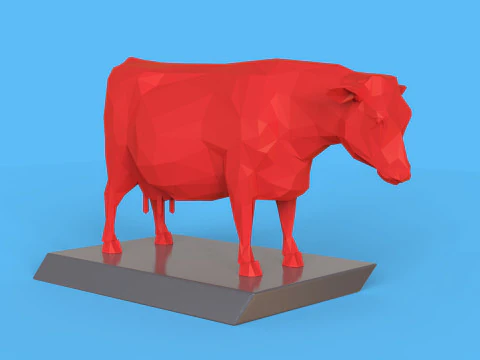
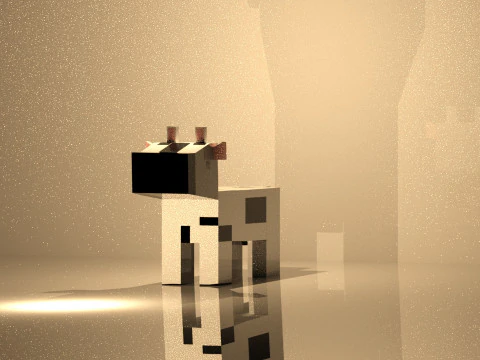
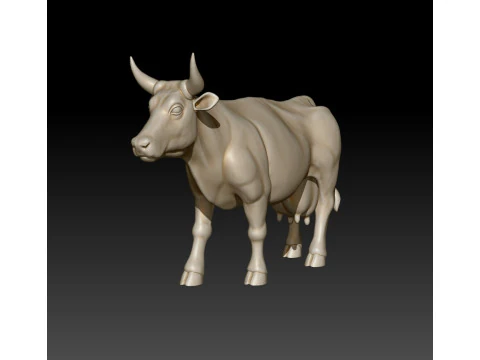
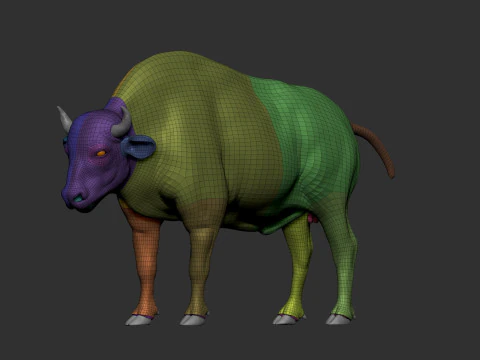
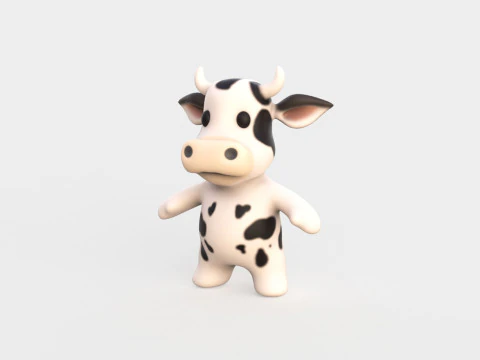
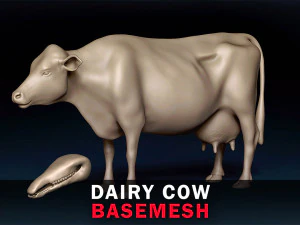
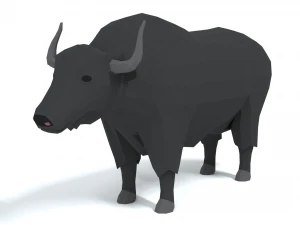
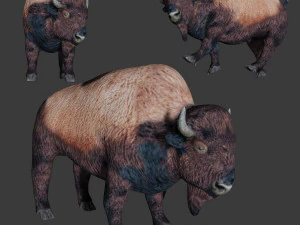
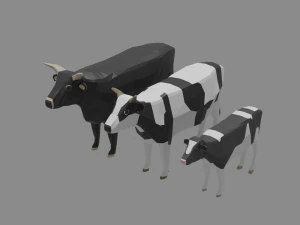
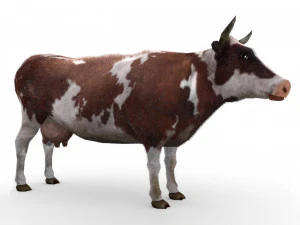
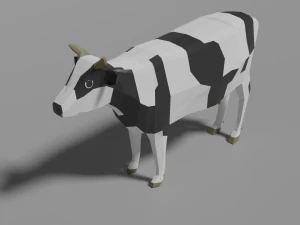
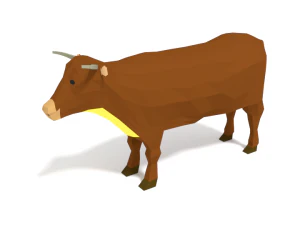
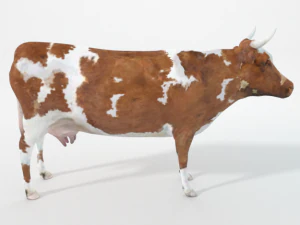
Abbiamo 112 oggetto(i) Senza royalty Modelli 3D. This category contains a wide choice of Cow 3D Models - Animals. Any 3D Cow model is available in .max, .obj, .c4d, .fbx, .dxf, .dwg, .stl, .iges, .3ds, .mb, .lwo, .3dm, .skp and .blend format. Some of them are ready for 3D Printing & Games. Also you will find a great number of models in Cats and Deer categories.
- -50%
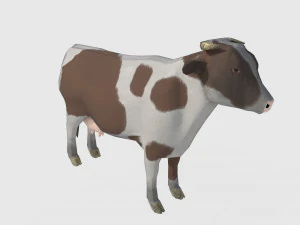
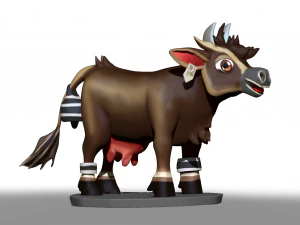
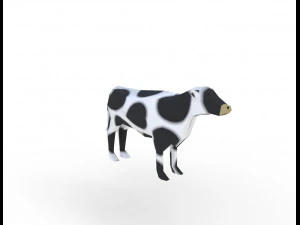
 surf3dCow
 - -50%
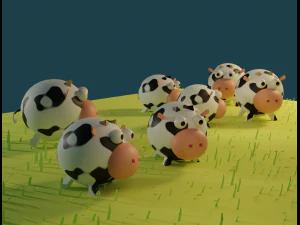
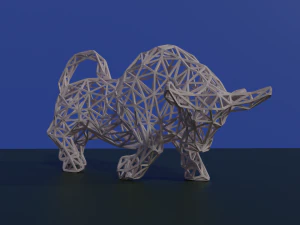
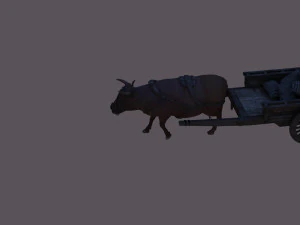
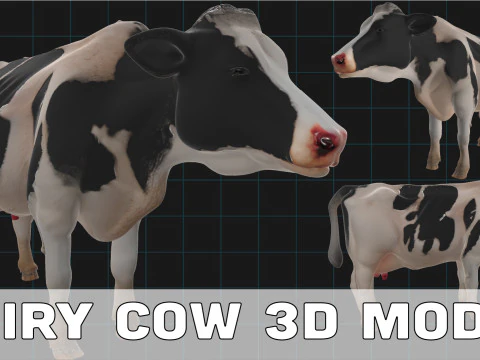 InventiveWorldCow
 - -50%
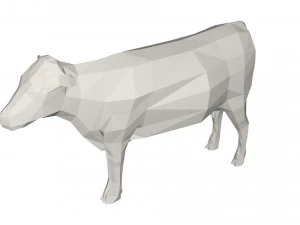
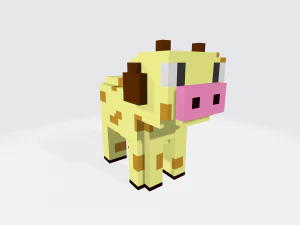
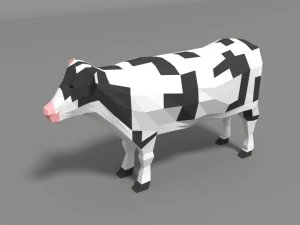
 AlejandrordamCow



































Ricerche di tendenza Modelli 3D:
Scultura Modelli 3D Caratteri Modelli 3D Cucina Modelli 3D Cavallo Modelli 3D Architectural Exteriors Modelli 3D Telefoni e Cellulari Modelli 3D Vegetali Modelli 3D Gioielli Modelli 3D Giocattoli Modelli 3D Medicinali Modelli 3D Elicotteri Modelli 3D Armi Pesanti Modelli 3D Camion Modelli 3D Anatomia Modelli 3DIn che modo i modelli 3D di cervi 2026 gestiscono la complessità delle corna?
Le corna sono una caratteristica distintiva dei cervi e, nel 2026, vengono modellate con texture ad alta risoluzione basate su scansioni per riprodurre ogni cresta organica e la consistenza del "velluto". Nei modelli "Buck", le corna sono solitamente mesh separate, il che consente di passare facilmente da una dimensione all'altra o da un numero di "punte" all'altro. Questa è una caratteristica fondamentale per i simulatori di caccia o i documentari sulla fauna selvatica, in cui l'età del cervo è rappresentata dalla crescita delle corna. I modelli di fascia alta includono anche specifici shader "Velvet" che utilizzano mappe "fuzz" o "sheen" per simulare il rivestimento morbido che si trova sulle corna in crescita. Questo livello di dettaglio garantisce che il cervo appaia autentico durante le diverse stagioni virtuali, dalla crescita primaverile all'osso duro del periodo degli amori autunnale.
I modelli di cervo sono ottimizzati per ambienti forestali su larga scala?
Le simulazioni di fauna selvatica nel 2026 spesso presentano centinaia di animali in una singola scena, richiedendo un'ottimizzazione estrema. Le nostre risorse relative ai cervi sono fornite con diversi livelli di dettaglio (LOD), che vanno da un modello "Hero" per i primi piani a un "Billboard" o una mesh a poligoni ridotti per i branchi in lontananza sullo sfondo. I rig sono inoltre ottimizzati per la "Batch Animation", consentendo agli sviluppatori di far muovere molti cervi contemporaneamente senza causare cali di prestazioni. Inoltre, le texture sono spesso "atlased" — il che significa che più parti del cervo sono memorizzate su un unico foglio di texture — per ridurre il numero di draw call nei motori in tempo reale. Questo rende i nostri modelli di cervo la scelta perfetta per i giochi open-world e le visualizzazioni ambientali su larga scala dove le prestazioni sono importanti quanto la qualità visiva.
Queste risorse includono animazioni realistiche di "spavento" e "fuga"?
Sì, un requisito fondamentale per i cervi nel 2026 è un'animazione comportamentale credibile. Le risorse professionali relative ai cervi includono una libreria di cicli "Allerta", "Sussulto" e "Fuga" (sprint). Queste animazioni includono sottili movimenti delle orecchie e "sventolio della coda" (il segnale di pericolo del cervo dalla coda bianca), essenziali per il gameplay basato sulla furtività o per film naturalistici realistici. I rig supportano il "Posizionamento IK del piede", garantendo che quando un cervo si trova su un pendio o su un tronco caduto, i suoi zoccoli si adattino perfettamente alla superficie. Questa attenzione alle sfumature comportamentali assicura che il modello 3D non solo assomigli a un cervo, ma si comporti come una creatura della foresta diffidente, fornendo un senso di immersione più profondo per l'utente.
Come viene gestita la texture del pelo in base ai cambiamenti stagionali (estate vs. inverno)?
Nel 2026, molti modelli 3D di cervi presentano "Seasonal Texture Packs". Ciò consente all'utente di passare da un manto estivo sottile e rossastro a una pelliccia invernale spessa e grigio-marrone con un semplice cambio di texture. Alcuni modelli utilizzano persino modificatori "Groom" per aumentare fisicamente la densità delle ciocche di pelo per le scene invernali. I materiali PBR sono ottimizzati per gestire le diverse proprietà speculari del pelo estivo asciutto rispetto alla pelliccia invernale umida e cosparsa di neve. Questa funzionalità è fondamentale per i creatori che lavorano su progetti con sistemi dinamici di ora del giorno o stagionali, garantendo che la fauna selvatica rimanga coerente con l'illuminazione ambientale e le condizioni meteorologiche del mondo virtuale.
I modelli dei cerbiatti (giovani cervi) sono anatomicamente distinti dagli adulti?
Assolutamente sì. Offriamo modelli 3D dedicati ai cerbiatti che non sono semplicemente adulti "ridimensionati", ma presentano proporzioni uniche, come occhi più grandi, muso più corto e zampe più lunghe rispetto al corpo. Nel 2026, i cerbiatti includono maschere di texture "maculate" spesso fornite come livello separato, consentendo di sfumare le macchie man mano che il cervo "invecchia" nella simulazione. I rig per i cerbiatti sono inoltre specificamente ottimizzati per modelli di movimento più "goffi" o energici rispetto all'andatura aggraziata e misurata di un maschio adulto. Questa varietà anatomica e comportamentale consente la creazione di "nuclei familiari" realistici nei rendering di fauna selvatica e nelle app didattiche di biologia.