


 English
 Español
 Deutsch
 日本語
日本語 Polska
 Français
 한국의
한국의 Українська
 Nederlands
 Türkçe
 Português
 Bahasa Indonesia
 Русский
 中國
中國 हिंदी
हिंदी
















Robot - Caratteri Modelli 3D
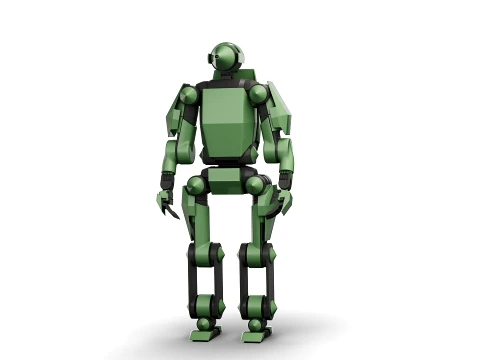
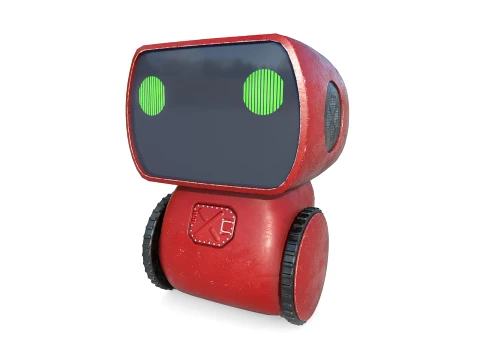
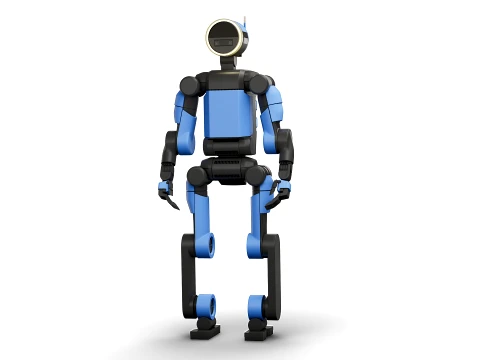
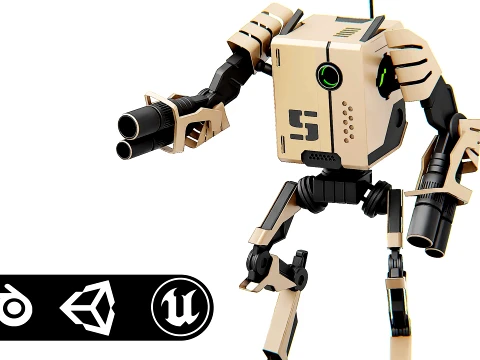
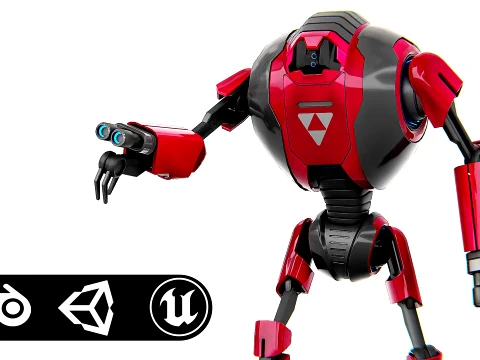
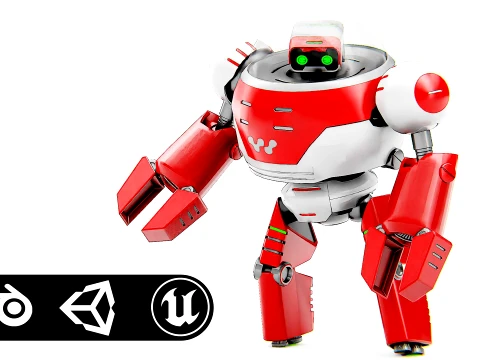
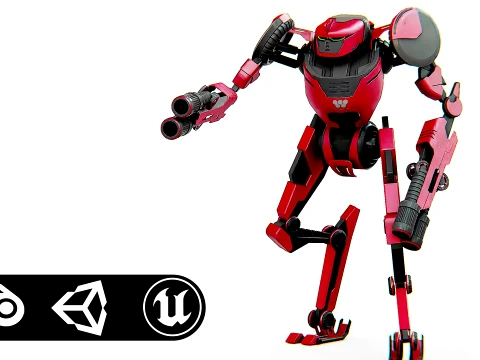
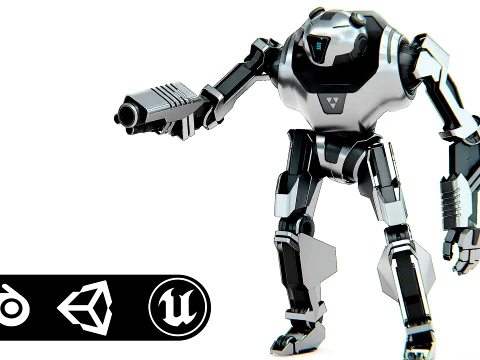
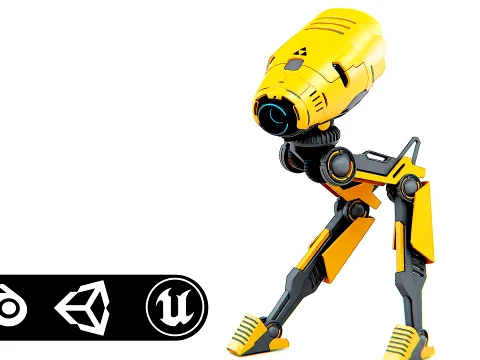
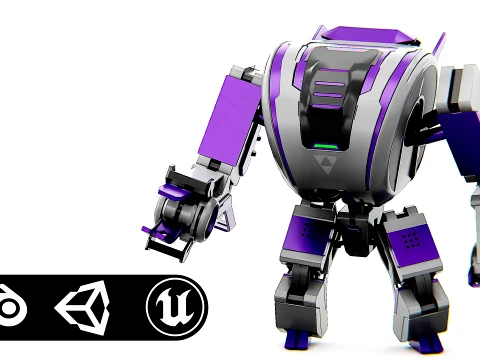
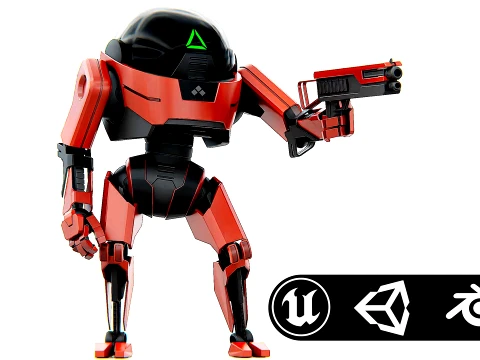
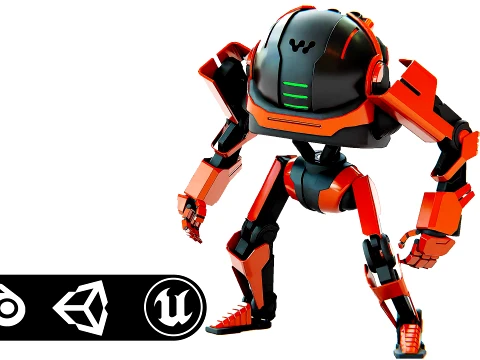
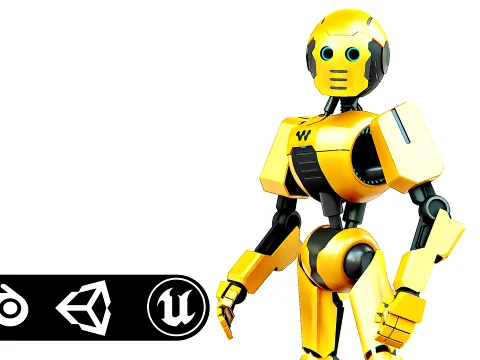
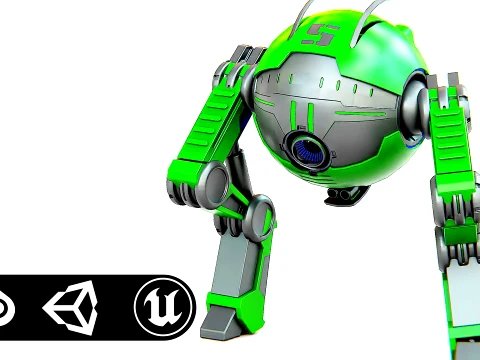
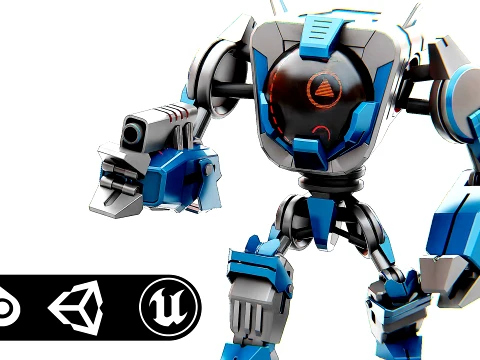
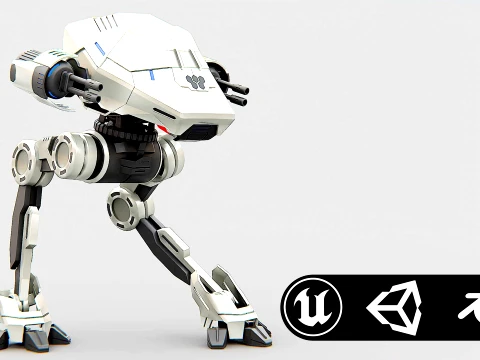
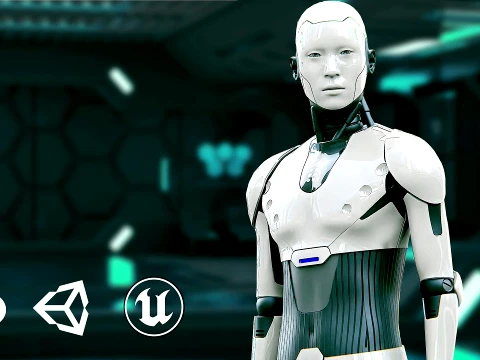
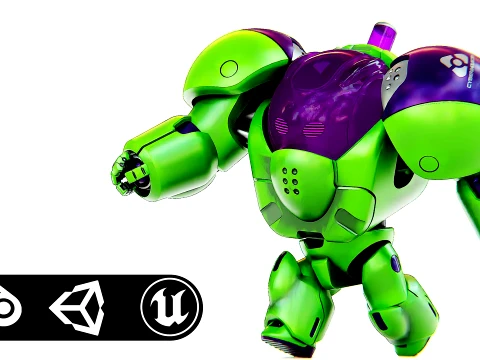
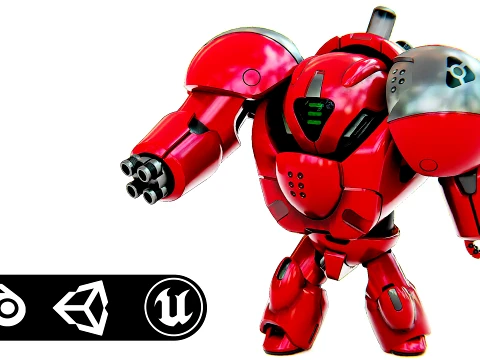
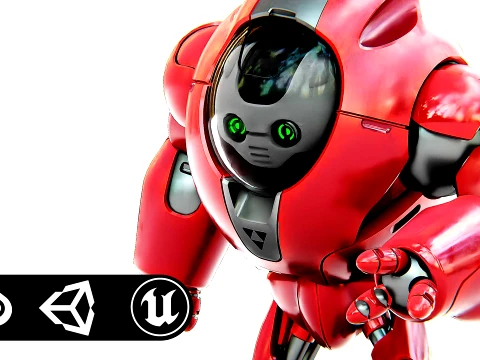
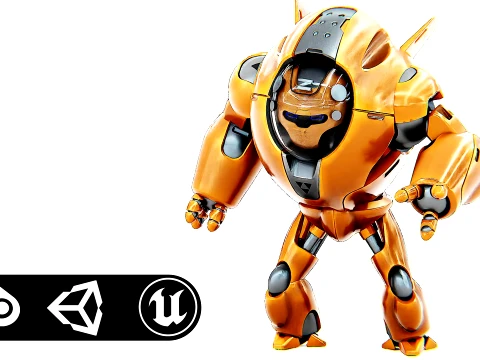
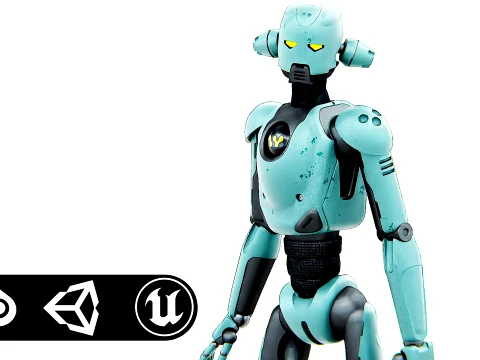
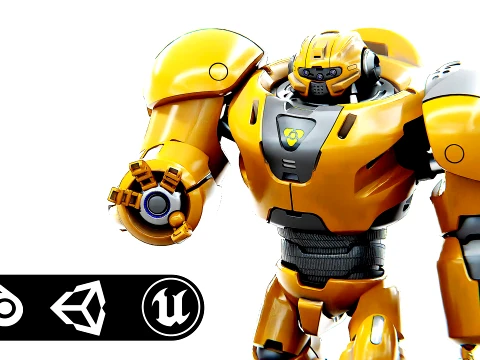
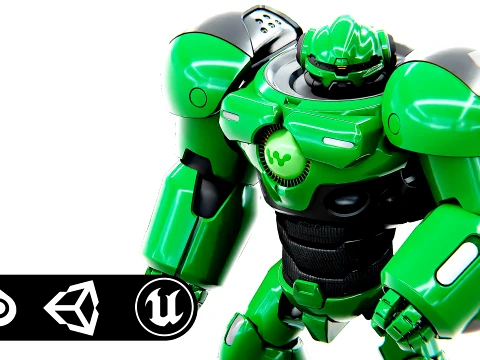
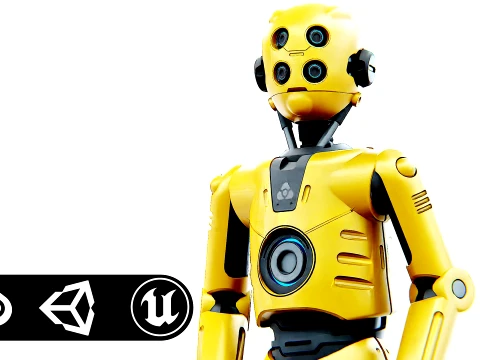
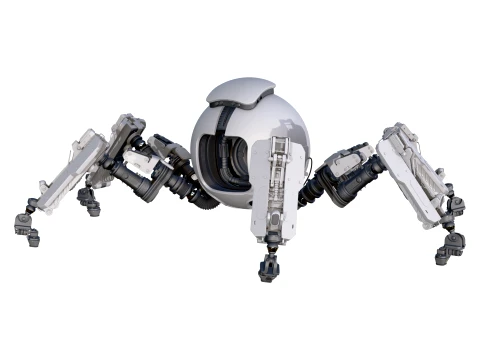
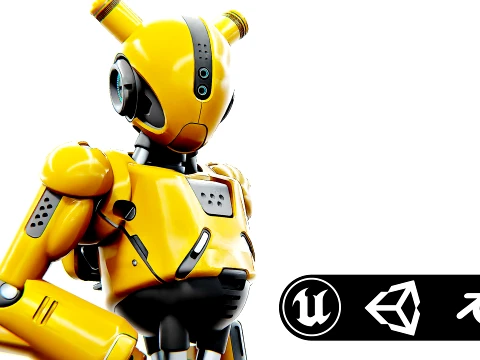
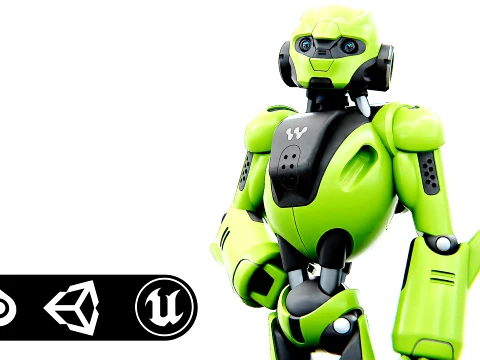
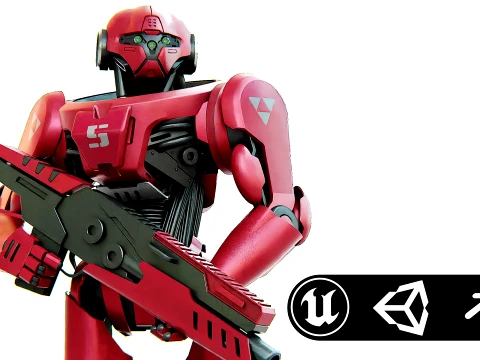
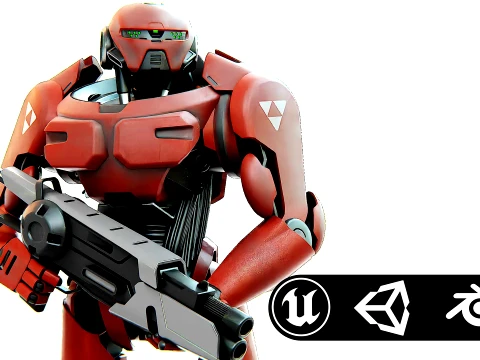
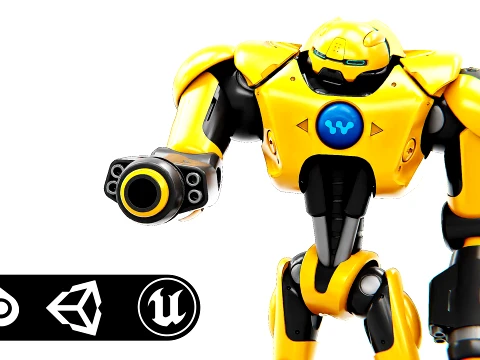
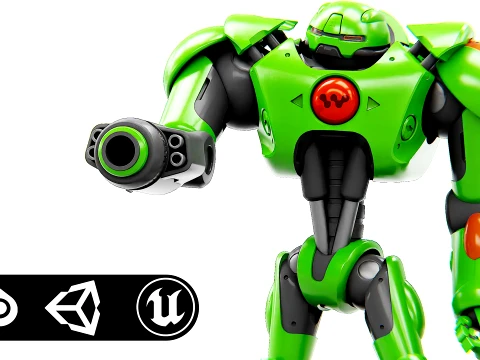
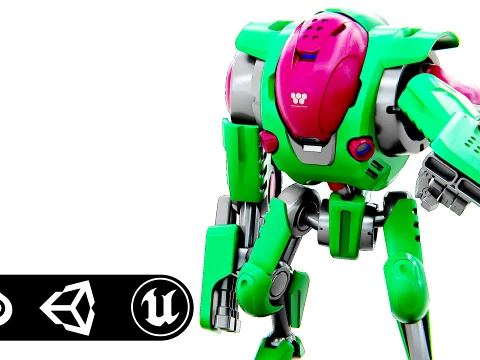
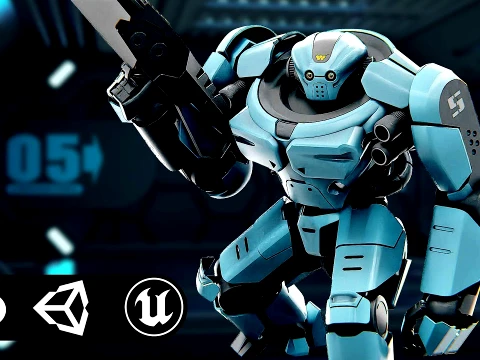
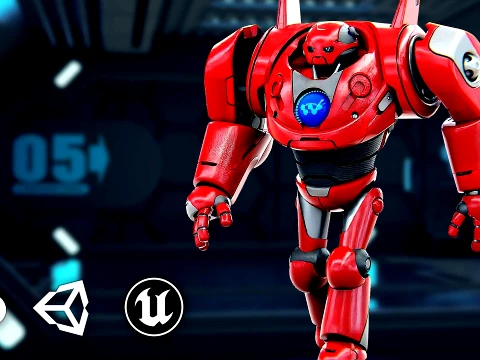
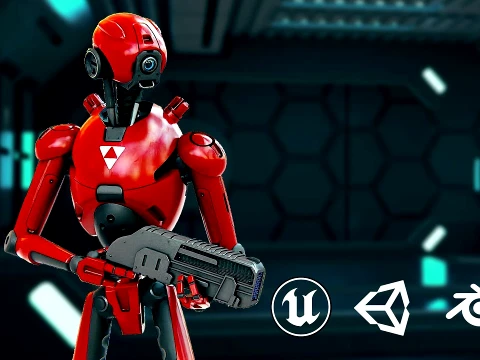
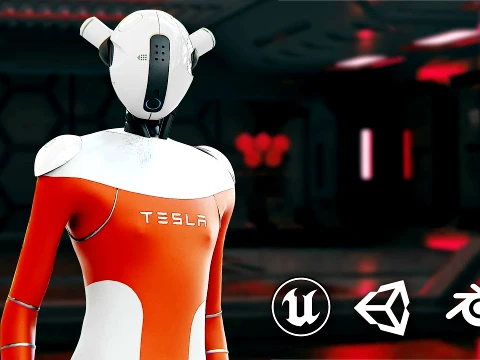
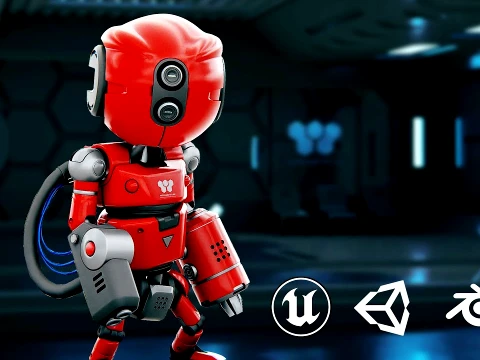
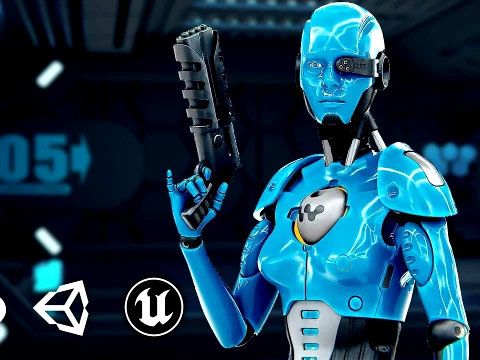
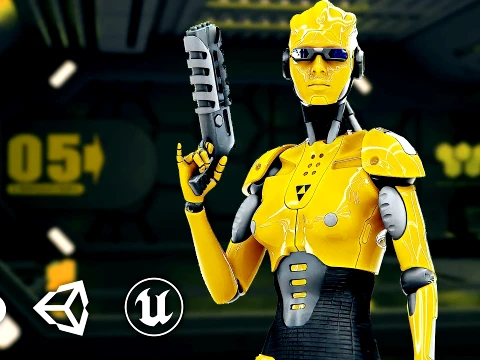
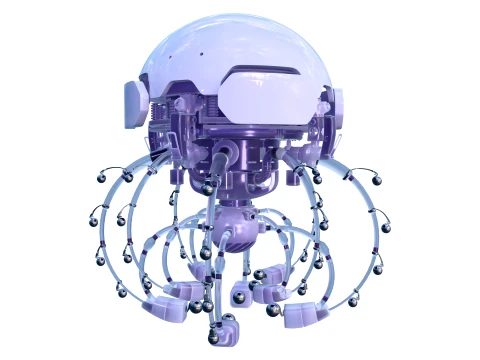
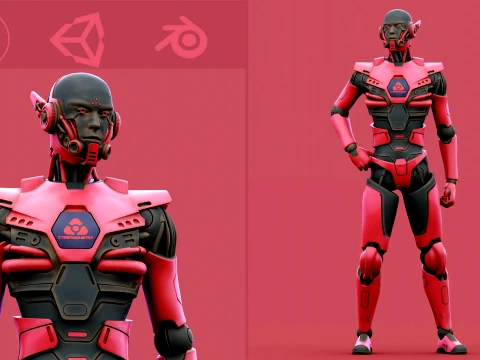
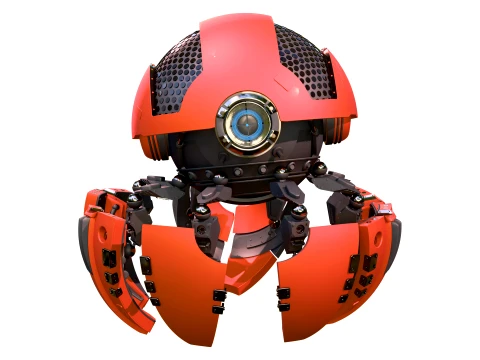
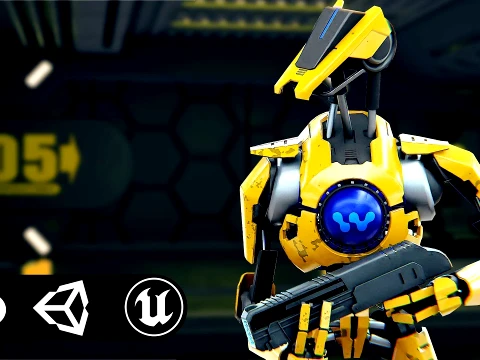
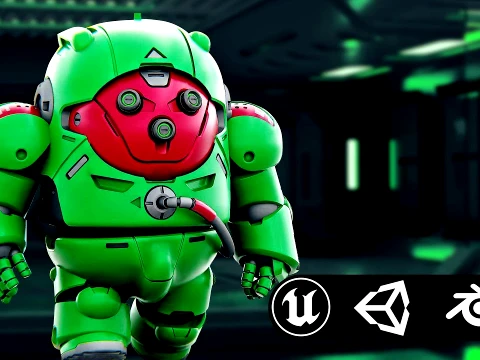
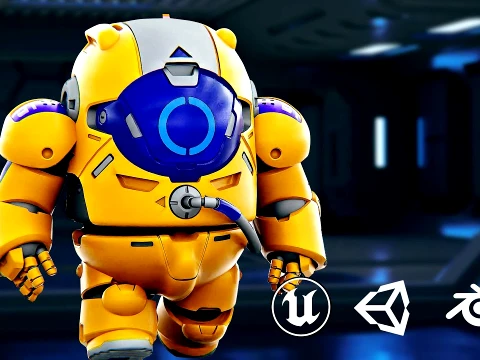
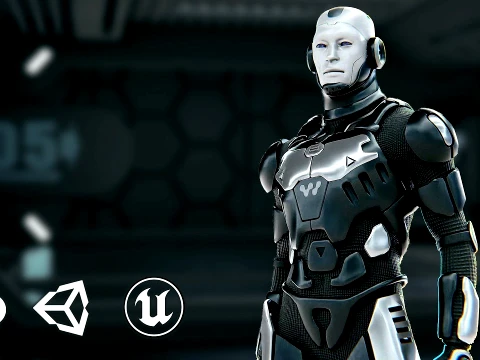
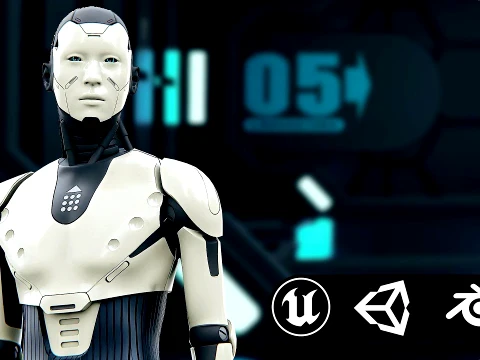
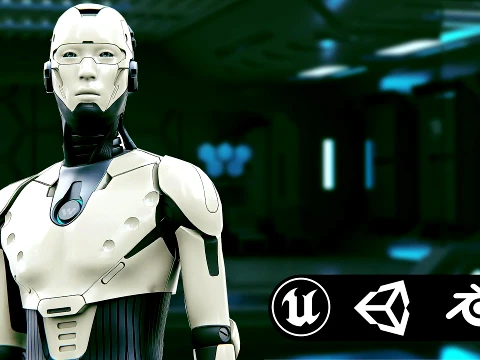
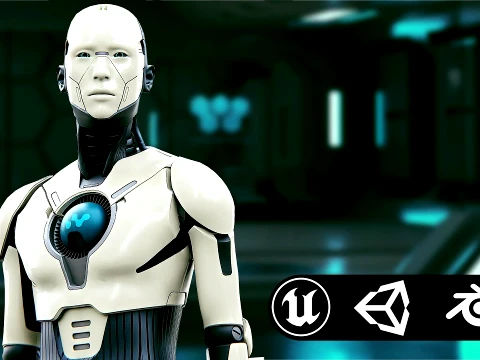
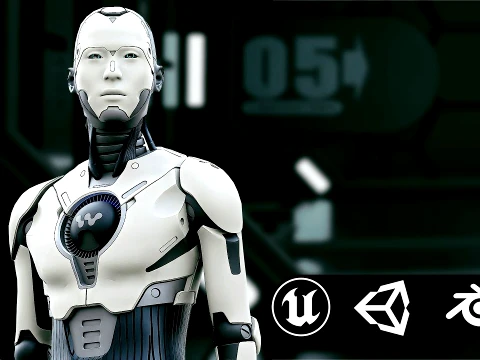
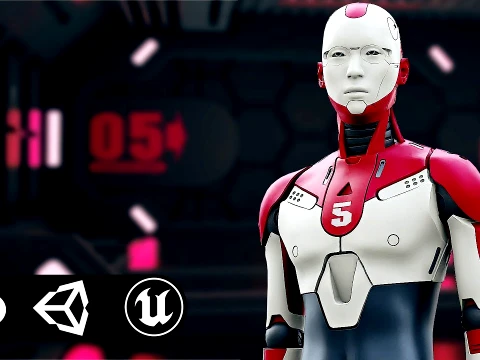
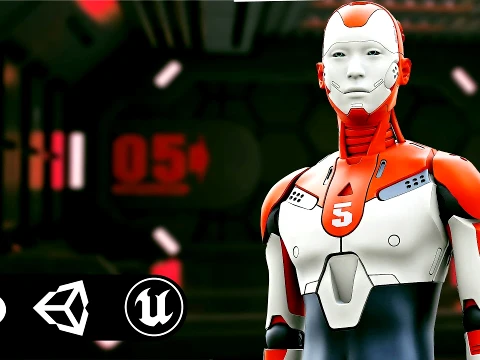
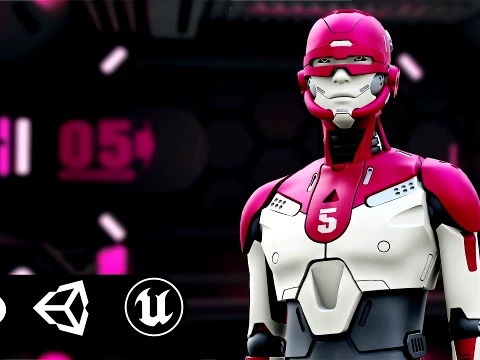
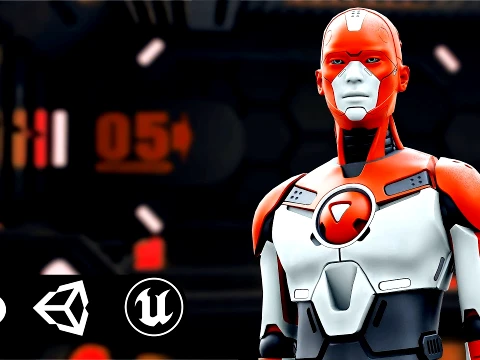
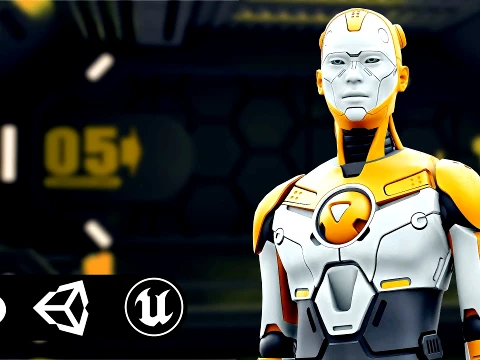
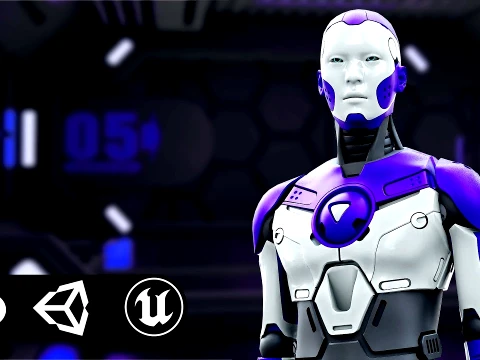
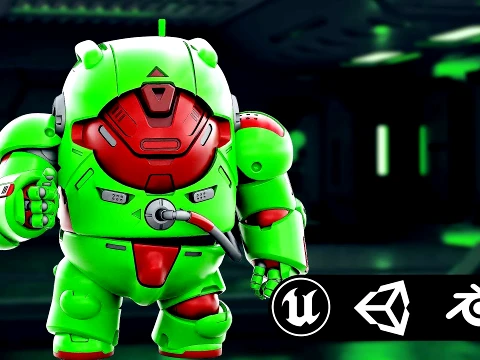
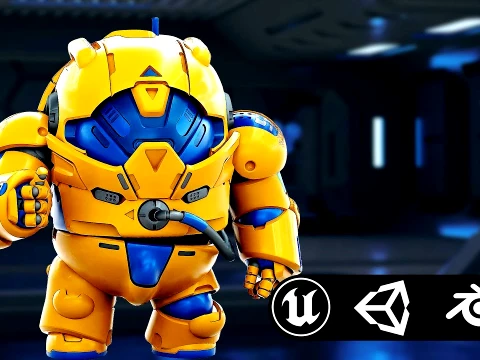
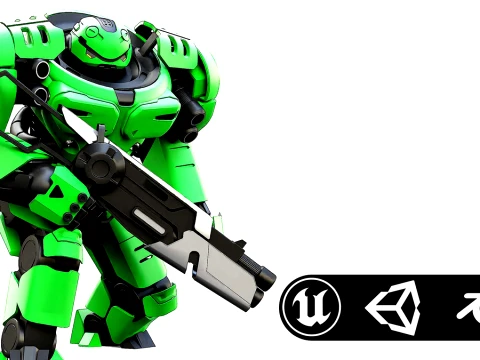
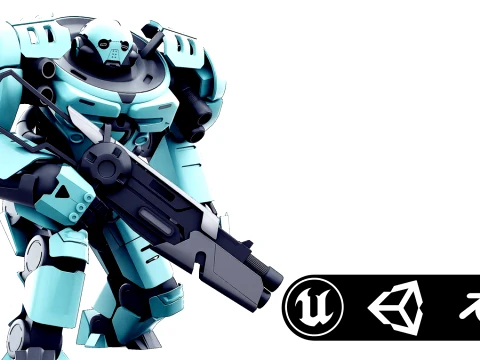
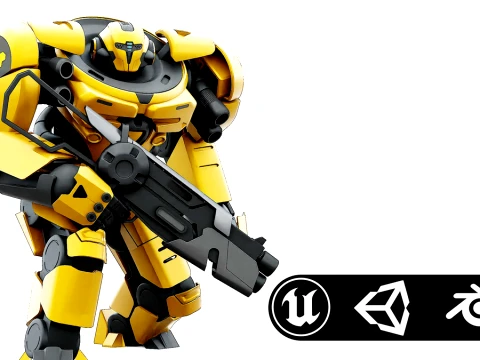
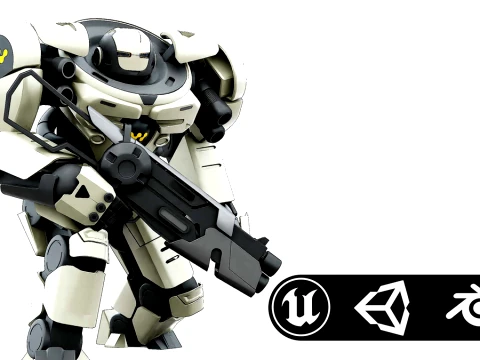
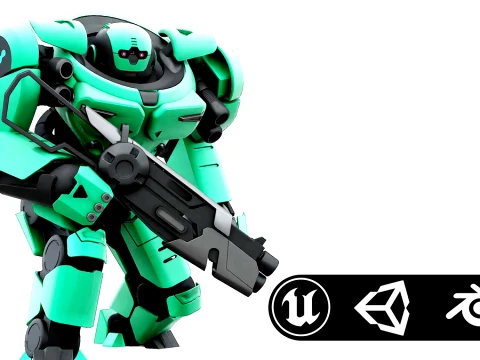
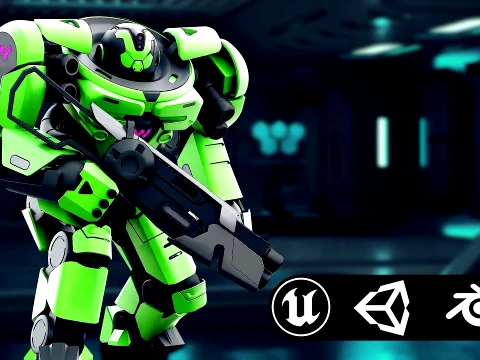
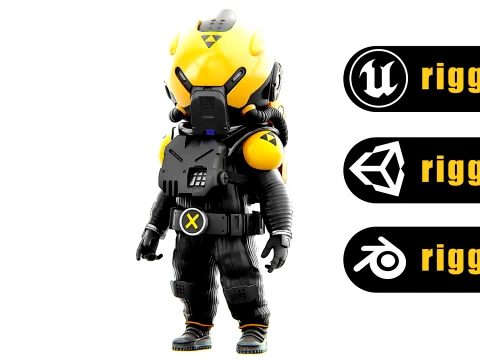
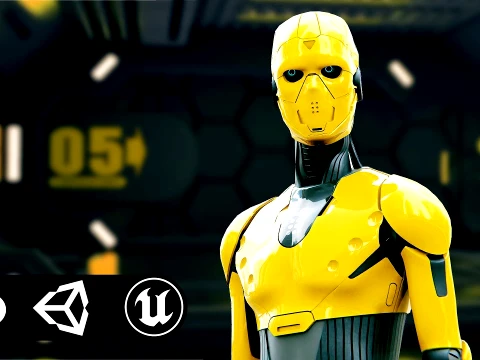
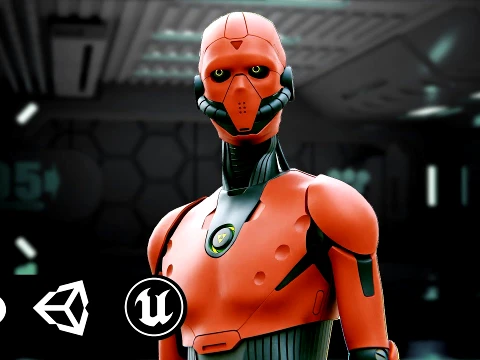
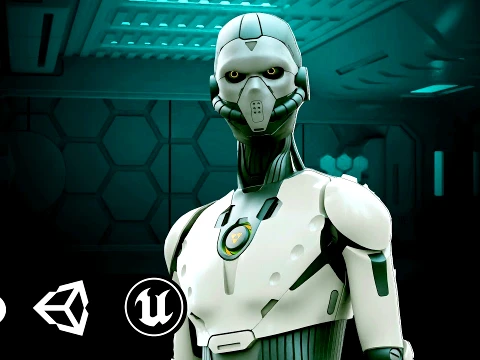
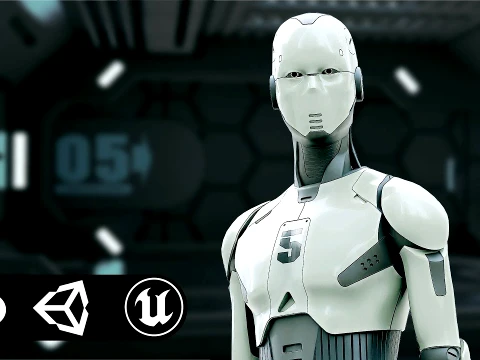
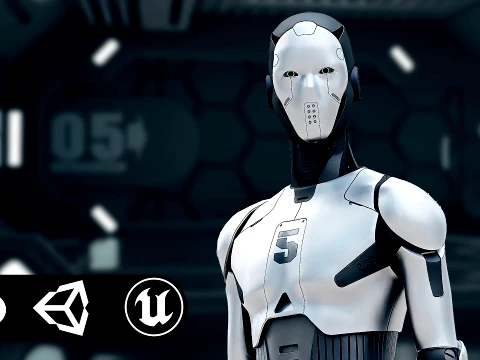
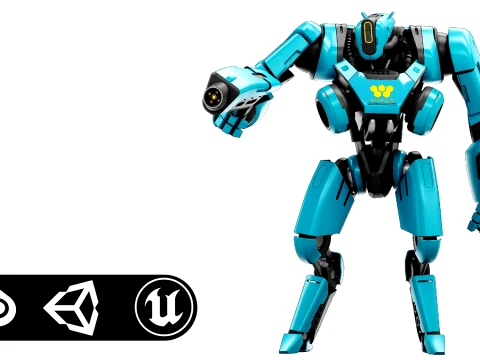
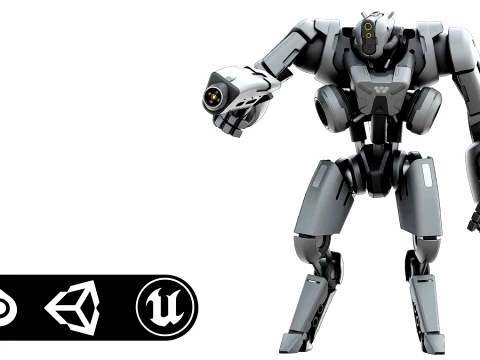
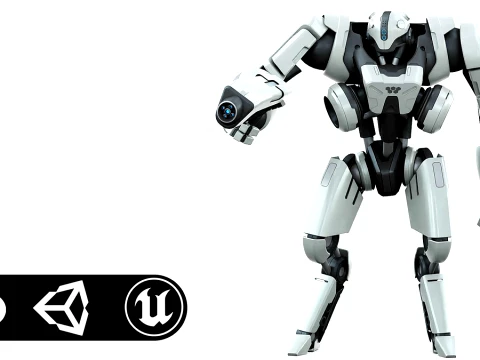
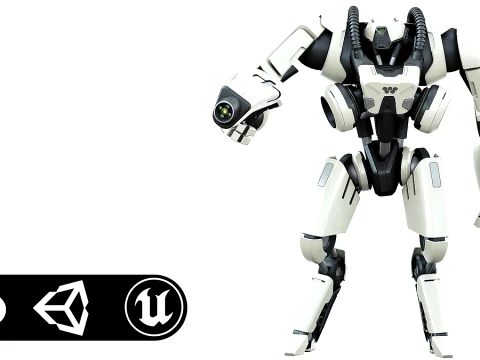
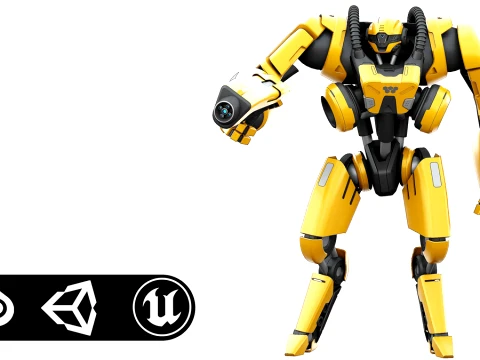
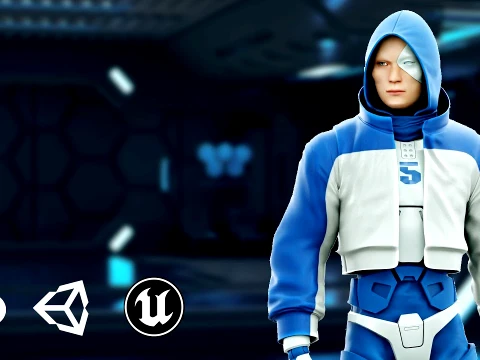
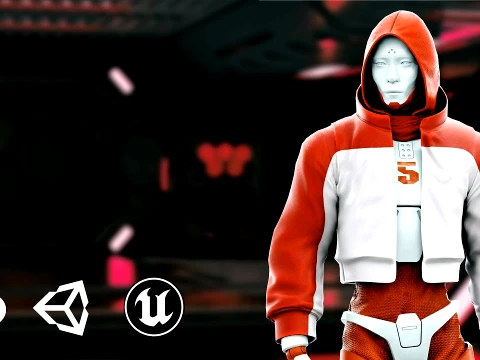
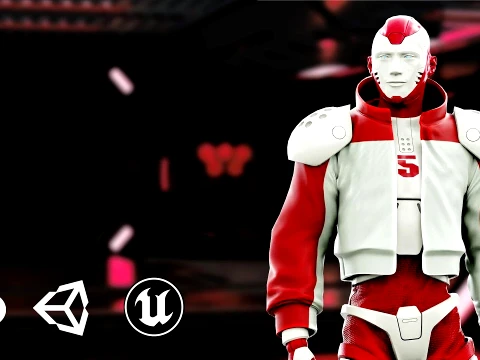
Abbiamo 1772 oggetto(i) Senza royalty Modelli 3D. This category contains a wide choice of Robot 3D Models - Fantasy and Sci-fi. Any 3D Robot Fantasy and Sci-fi model is available in .max, .obj, .c4d, .fbx, .dxf, .dwg, .stl, .iges, .3ds, .mb, .lwo, .3dm, .skp and .blend format. Some of them are ready for 3D Printing & Games. Also you will find a great number of models in Fantasy and Sci-fi and Anatomy categories.




Ricerche di tendenza Modelli 3D:
Scultura Modelli 3D Caratteri Modelli 3D Cucina Modelli 3D Cavallo Modelli 3D Architectural Exteriors Modelli 3D Telefoni e Cellulari Modelli 3D Vegetali Modelli 3D Gioielli Modelli 3D Giocattoli Modelli 3D Medicinali Modelli 3D Elicotteri Modelli 3D Armi Pesanti Modelli 3D Camion Modelli 3D Anatomia Modelli 3DIn che modo il rigging meccanico "Hard-Surface" differisce per i modelli di robot 2026?
A differenza dei personaggi organici, i modelli di robot 2026 utilizzano un "rigging meccanico" basato su principi ingegneristici del mondo reale. Ciò include gerarchie complesse per pistoni, ingranaggi, linee idrauliche e giunti sferici. I rig sono configurati con "limiti di vincolo", garantendo che le parti metalliche non si sovrappongano tra loro e si muovano solo entro i limiti delle loro capacità fisiche. Per i modelli "Android", il rig potrebbe includere un sistema ibrido "Soft-Skin" in cui la pelle sintetica ricopre uno scheletro meccanico. Questa precisione tecnica garantisce che la locomozione del robot, che si tratti del passo pesante di un mech o del movimento fluido di un robot domestico, risulti fisicamente pesante e ben ancorata al suolo, il che è fondamentale per le simulazioni industriali e il cinema di fantascienza.
Quali standard dei materiali vengono utilizzati per simulare metalli e materiali sintetici futuristici?
Nel 2026, i materiali dei robot utilizzano livelli avanzati di PBR (Physically Based Rendering) con particolare attenzione all'"anisotropia" e al "multistrato trasparente". Ciò consente finiture realistiche in titanio spazzolato, fibra di carbonio e acciaio verniciato. Molti robot presentano mappe di "usura", che mostrano sottili graffi, perdite d'olio e accumuli di polvere nelle articolazioni per fornire un aspetto "usato". Per gli androidi, gli shader "Synthetic Skin" utilizzano una diffusione subsuperficiale specializzata per imitare i tessuti coltivati in laboratorio. Questi materiali sono ottimizzati per il ray tracing in tempo reale, garantendo che le superfici metalliche del robot riflettano realisticamente l'ambiente circostante, creando un aspetto di alta qualità per scene "Cyberpunk" o visualizzazioni di prodotti high-tech.
Questi modelli includono dettagli meccanici interni per le "viste esplose"?
Molte risorse robotiche di alto livello del 2026 sono modellate con "Internal Fidelity". Ciò significa che sotto le piastre corazzate esterne si trova una struttura interna completamente dettagliata, inclusi cablaggi, core della CPU e sistemi di raffreddamento. Si tratta di una caratteristica essenziale per le "visualizzazioni tecniche" o le scene d'azione in cui un robot potrebbe essere danneggiato o smontato. La geometria separata dei pannelli dell'armatura consente agli utenti di creare animazioni "vista esplosa" a fini didattici o di marketing, mostrando il complesso assemblaggio della macchina. Questo livello di dettaglio interno aggiunge un immenso valore per i creatori che hanno bisogno di mostrare l'aspetto "come funziona" dei loro concetti fantascientifici o industriali.
I robot 3D sono dotati di componenti "elettronici" funzionali e di un'interfaccia utente?
Sì, i moderni robot 3D sono trattati come dispositivi elettronici integrati. I nostri modelli 2026 sono dotati di "Light Pipes" emissivi, array LED funzionali e display UI olografici integrati. Questi sono controllati tramite canali di materiale separati, consentendo agli utenti di animare l'accensione del robot, cambiare il colore del sensore da blu a rosso o visualizzare dati sugli schermi della piastra pettorale. Molte risorse includono anche "geometria dei sensori" come scanner LiDAR e obiettivi fotografici con rifrazione del vetro realistica. Questo fa sì che i robot sembrino "tecnologia attiva" piuttosto che statue statiche, il che è perfetto per progetti a tema IA, giochi di guerra futuristici e video concettuali sulle "città intelligenti".
Questi robot possono essere utilizzati per simulazioni di "Digital Twin" e di automazione industriale?
Oltre all'intrattenimento, la categoria "Robot" del 2026 è al servizio del settore industriale. Molti modelli si basano su bracci robotici industriali reali e droni di consegna autonomi. Queste risorse sono metriche accurate e riggate per seguire percorsi di animazione industriali standard (come la simulazione G-code). Ciò le rende ideali per le visualizzazioni "Digital Twin" degli stabilimenti, dove le aziende devono simulare una linea di produzione automatizzata prima di costruirla. I modelli sono forniti in formati ad alta precisione come STEP o FBX, garantendo che possano essere importati in software di ingegneria o piattaforme di simulazione in tempo reale per test accurati della logistica e del flusso di lavoro.