


 English
 Español
 Deutsch
 日本語
日本語 Polska
 Français
 한국의
한국의 Українська
 Nederlands
 Türkçe
 Português
 Bahasa Indonesia
 Русский
 中國
中國 हिंदी
हिंदी
















Scultura - Art Modelli 3D Stampabili
Abbiamo 14338 oggetto(i) Senza royalty Modelli 3D. This category contains a wide choice of Sculpture - 3D Printable Models. Any 3D Printable Sculpture model is available in .obj, .stl, .iges, .3dm, .skp, .wrl and .blend format. All of these 3d print models are ready for 3D Printing. Also you will find a great number of 3d models in Scans and replicas and Signs and logos categories.
- -40%
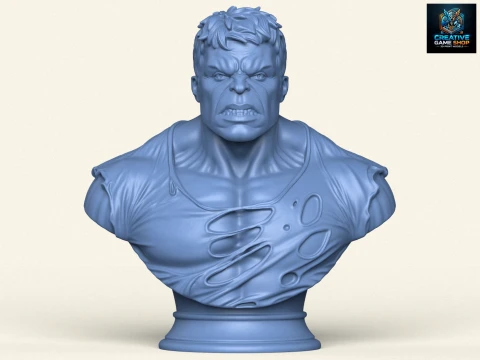
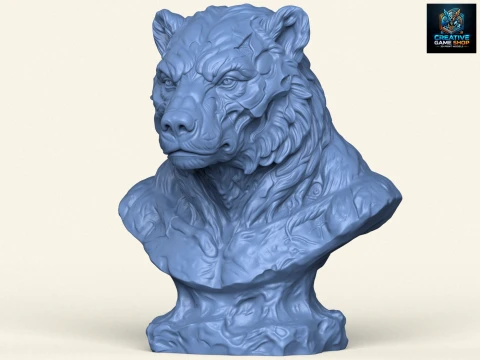 creativegameshopSculpture
 - -40%
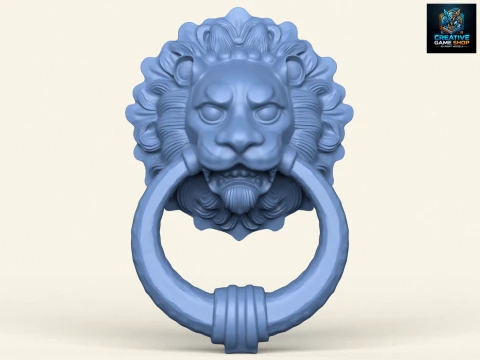
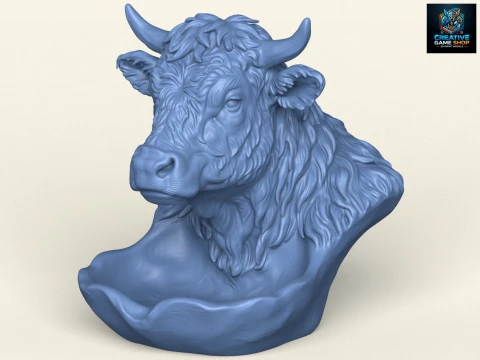 creativegameshopSculpture
 - -40%
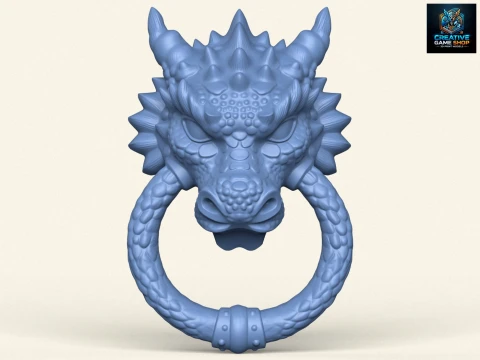
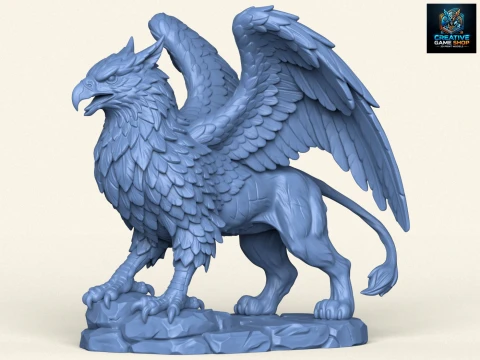 creativegameshopSculpture
 - -40%
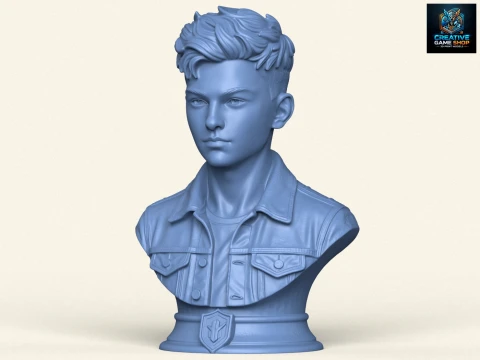
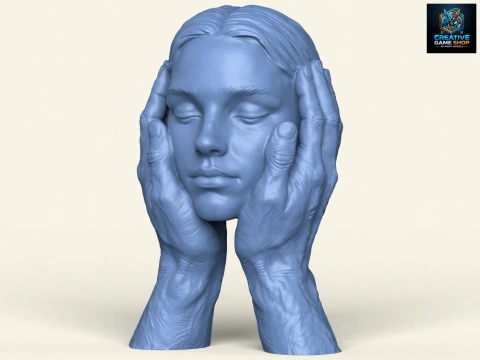 creativegameshopSculpture
 - -40%
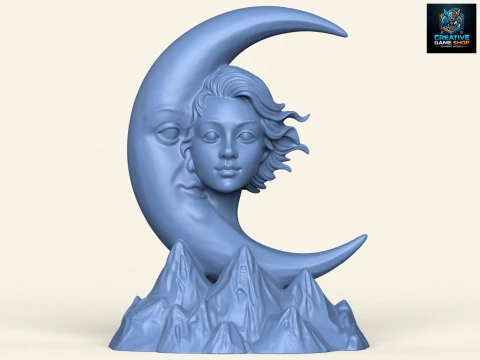 creativegameshopSculpture
 - -40%
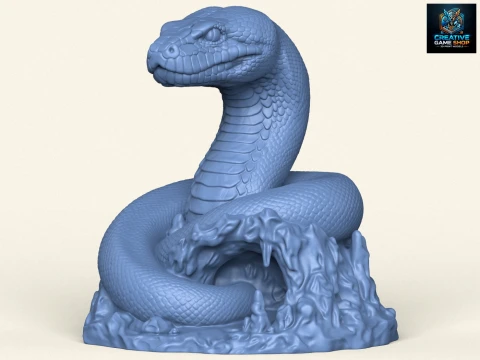 creativegameshopSculpture
 - -40%
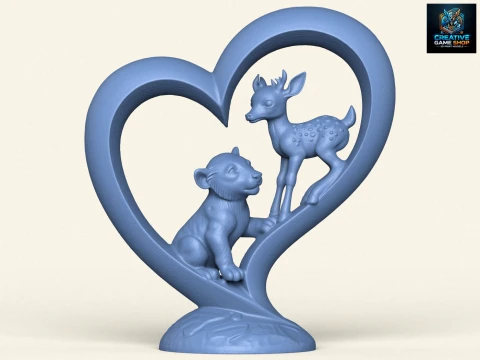 creativegameshopSculpture
 - -30%
 SanchiEspSculpture
  brunonunesdpSculpture
 brunonunesdpSculpture
 brunonunesdpSculpture
 brunonunesdpSculpture
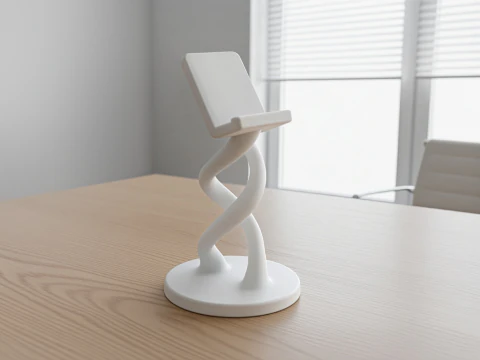 brunonunesdpSculpture
 brunonunesdpSculpture
 brunonunesdpSculpture
 brunonunesdpSculpture
 brunonunesdpSculpture
 brunonunesdpSculpture
 brunonunesdpSculpture
 brunonunesdpSculpture
 brunonunesdpSculpture
 brunonunesdpSculpture
 brunonunesdpSculpture
 brunonunesdpSculpture
 brunonunesdpSculpture
 brunonunesdpSculpture
 brunonunesdpSculpture
 brunonunesdpSculpture
 brunonunesdpSculpture
 brunonunesdpSculpture
 brunonunesdpSculpture
 brunonunesdpSculpture
 brunonunesdpSculpture
 brunonunesdpSculpture
 brunonunesdpSculpture
 brunonunesdpSculpture
 brunonunesdpSculpture
 brunonunesdpSculpture
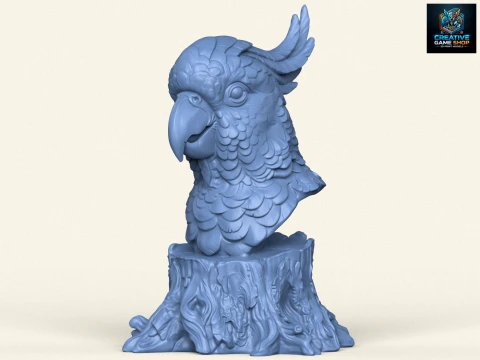
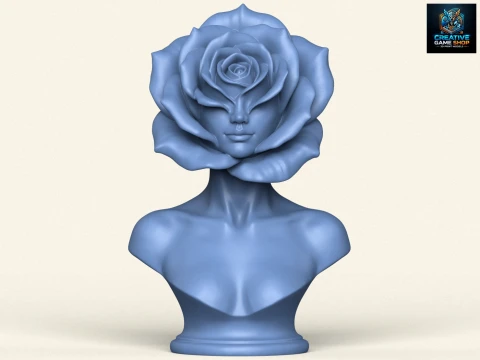
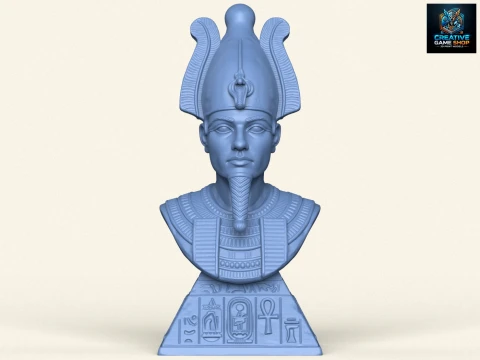
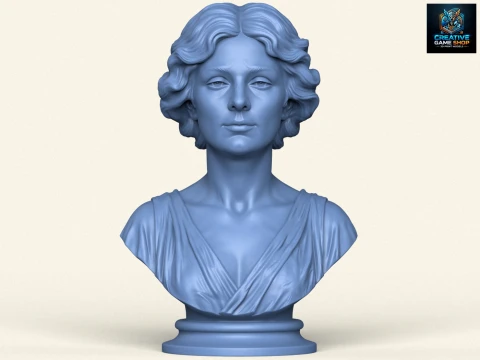
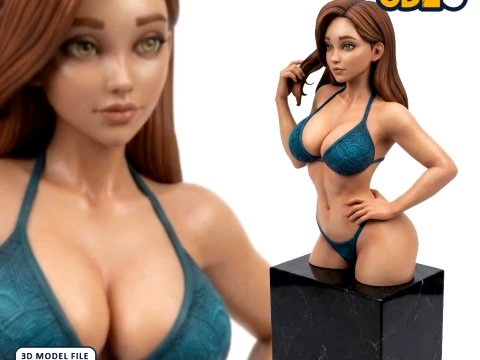
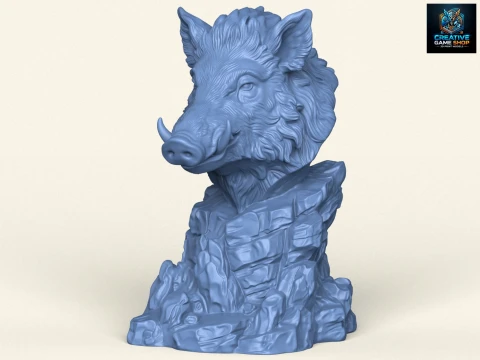
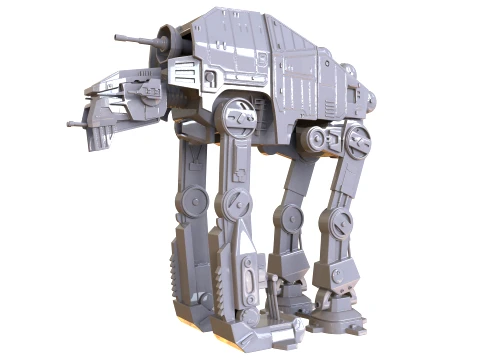

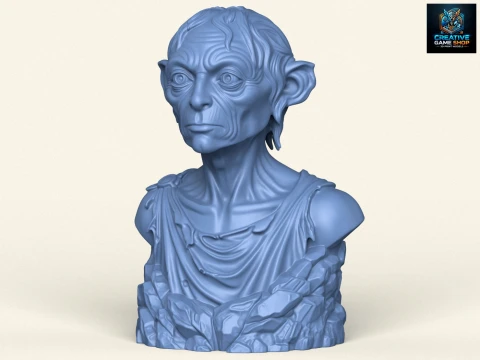
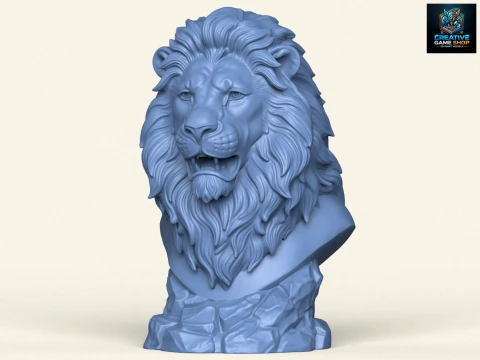
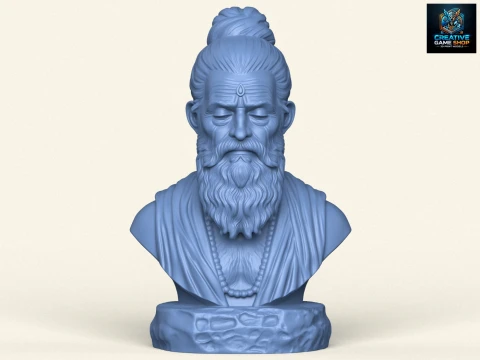
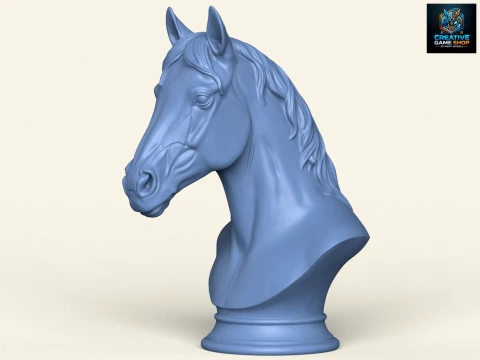
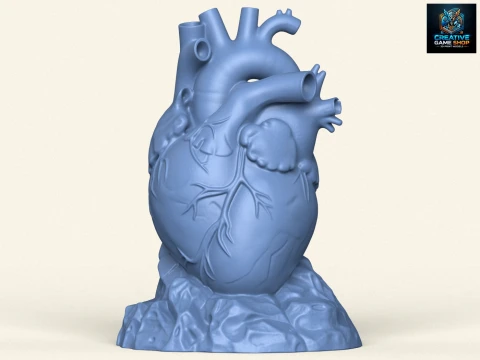
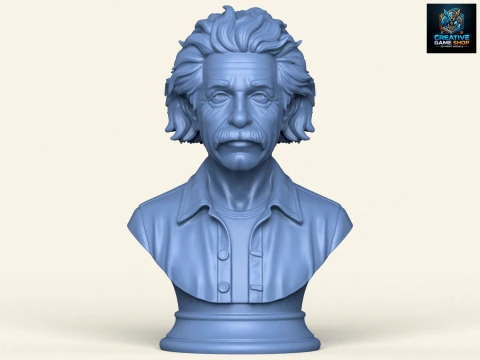
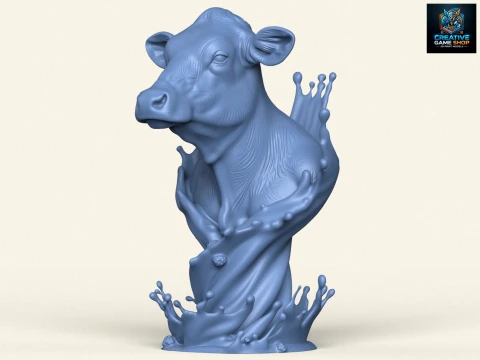
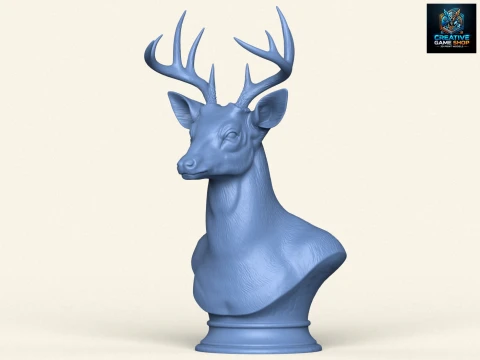
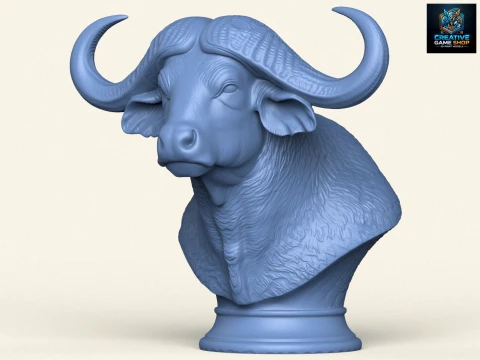





Ricerche di tendenza Modelli 3D:
Scultura Modelli 3D Caratteri Modelli 3D Cucina Modelli 3D Cavallo Modelli 3D Architectural Exteriors Modelli 3D Telefoni e Cellulari Modelli 3D Vegetali Modelli 3D Gioielli Modelli 3D Giocattoli Modelli 3D Medicinali Modelli 3D Elicotteri Modelli 3D Armi Pesanti Modelli 3D Camion Modelli 3D Anatomia Modelli 3DQuali stili artistici sono rappresentati nella categoria scultura?
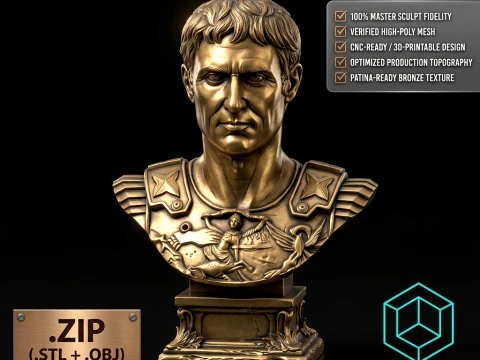
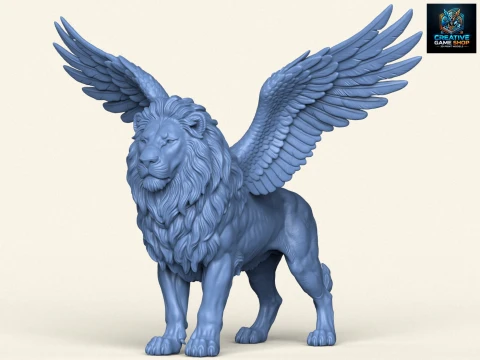
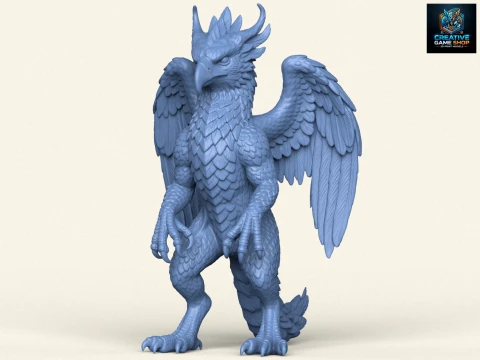
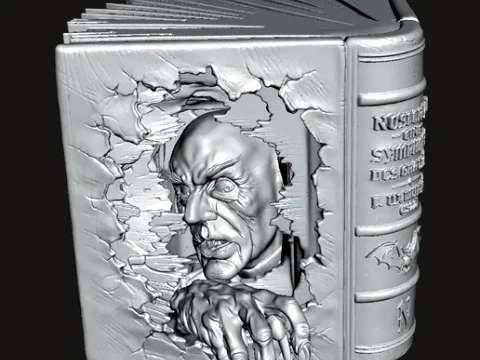
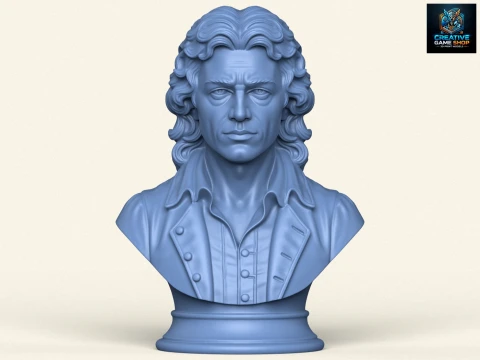
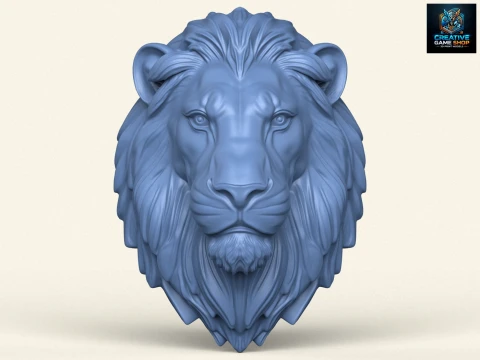
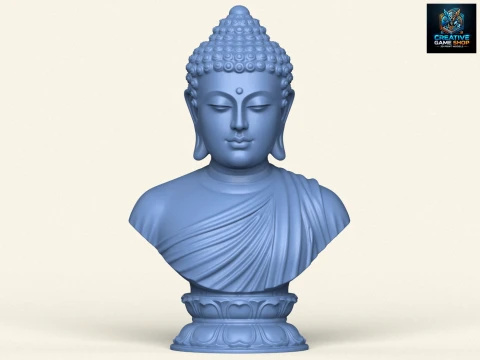
La categoria scultura è un viaggio completo attraverso la storia dell'arte e il design contemporaneo. Nel 2026, la collezione spazia da busti neoclassici realistici e figure di ispirazione barocca a forme astratte ultramoderne che utilizzano motivi di Voronoi e algoritmi generativi. Presentiamo anche interpretazioni low-poly di opere classiche per coloro che preferiscono un'estetica più digitale. Questi modelli sono selezionati per il loro valore artistico e la complessità scultorea, fornendo una vasta gamma di opzioni per i collezionisti che desiderano decorare i propri spazi con opere che suscitano emozioni e mettono in mostra le capacità uniche della produzione additiva come nuovo mezzo per le belle arti.
In che modo questi modelli raggiungono un livello di dettaglio superficiale di qualità museale?
I dettagli superficiali ad alta fedeltà sono un requisito fondamentale per le sculture del 2026, e i nostri modelli sono scolpiti con milioni di poligoni per catturare ogni curva e texture sottile. I designer utilizzano spesso dati di scansione da maquette in argilla reali o tecniche avanzate di spazzolatura digitale per simulare l'aspetto della pietra scolpita a mano o del bronzo fuso. Quando vengono stampati su una macchina ben calibrata, in particolare una stampante a resina, questi dettagli rimangono nitidi e chiari, consentendo alla luce di giocare sulla superficie esattamente come farebbe su un'opera tradizionale esposta in una galleria. Questa precisione tecnica garantisce che la vostra scultura stampata in 3D possieda un livello di raffinatezza tale da attirare l'attenzione in qualsiasi contesto.
I modelli sono ottimizzati per la stampa su larga scala?
Sì, molte delle nostre sculture 2026 sono progettate per essere stampate su scala significativa. Per facilitare questo, i file sono spesso forniti come gusci cavi con nervature interne per garantire la resistenza, il che consente di risparmiare materiale mantenendo l'integrità strutturale. Per i pezzi molto grandi che superano il volume di costruzione delle stampanti standard, le sculture vengono suddivise in sezioni perfettamente incastrate. Queste parti si incastrano con giunture di precisione che possono essere facilmente nascoste durante la fase di post-elaborazione. Ciò consente di creare busti a grandezza naturale o sculture da pavimento su larga scala che diventano il fulcro definitivo di un progetto di interior design o di una collezione d'arte personale.
Posso utilizzare questi modelli per la fusione in bronzo o la realizzazione di stampi?
Molti artisti utilizzano i nostri modelli 3D come primo passo in un processo di fusione tradizionale. Nel 2026, è prassi comune stampare queste sculture in resina di cera fonderia o filamenti speciali che non lasciano residui di cenere durante la combustione. Ciò consente di utilizzare la stampa 3D per il metodo di fusione a cera persa, al fine di realizzare opere in vero bronzo, argento o ottone. La geometria delle nostre sculture viene controllata per garantire che non vi siano volumi intrappolati involontariamente, rendendole ideali anche per la creazione di stampi in silicone. Questo ponte tra la modellazione digitale e il lavoro tradizionale di fonderia consente un livello di libertà creativa che prima era inaccessibile agli artisti indipendenti.
Quali tecniche di finitura creano un aspetto realistico di pietra o metallo?
Per trasformare una stampa in plastica in un'opera d'arte convincente, la post-elaborazione è essenziale. Per una finitura in pietra, consigliamo di utilizzare una vernice spray con texture pietra seguita da un lavaggio acrilico scuro per evidenziare le cavità profonde e una leggera spazzolatura a secco per catturare i bordi in rilievo. Se si desidera un aspetto metallico, l'uso di polvere di grafite strofinata su un primer nero può creare uno straordinario effetto di metallo fuso a freddo. Nel 2026, molti creatori utilizzano anche tecniche di galvanizzazione sulle loro stampe. Queste finiture artistiche nascondono completamente le linee di strato e conferiscono alla scultura un aspetto massiccio e di alta qualità che la rende indistinguibile da un'opera da galleria prodotta tradizionalmente.