


 English
 Español
 Deutsch
 日本語
日本語 Polska
 Français
 한국의
한국의 Українська
 Nederlands
 Türkçe
 Português
 Bahasa Indonesia
 Русский
 中國
中國 हिंदी
हिंदी
















Squalo - Animali Modelli 3D
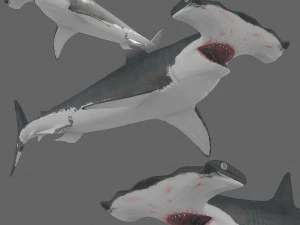
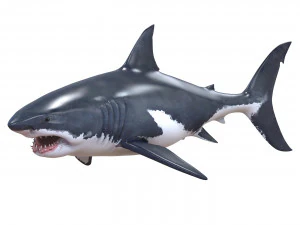
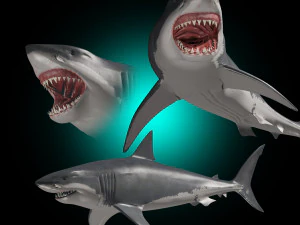
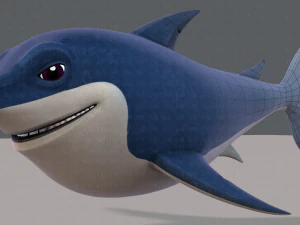
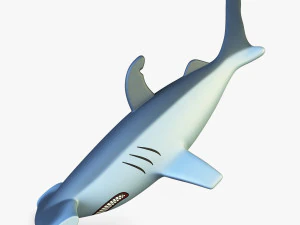
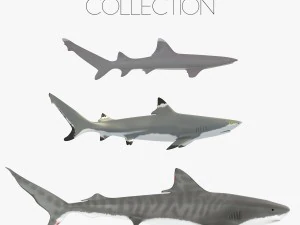
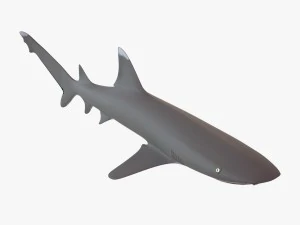
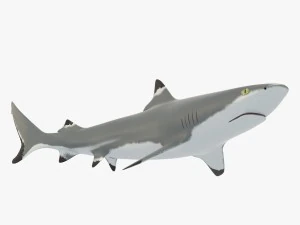
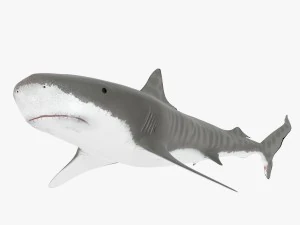
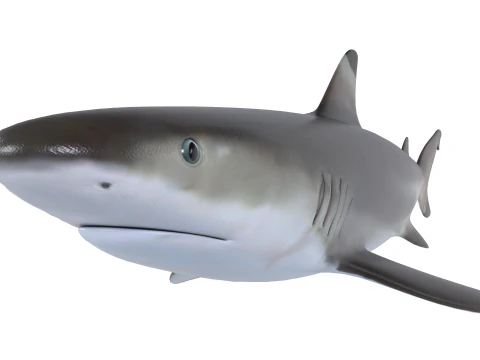
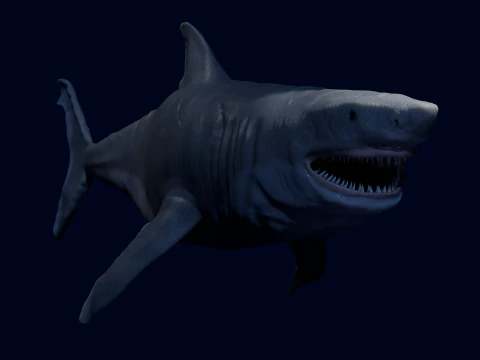
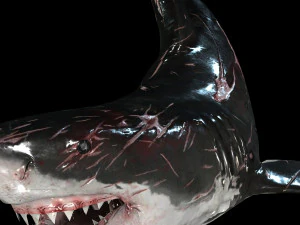
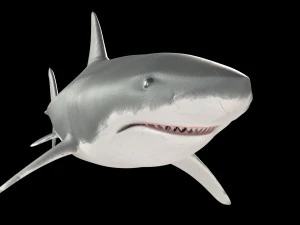
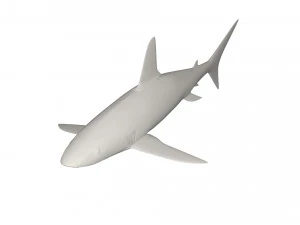
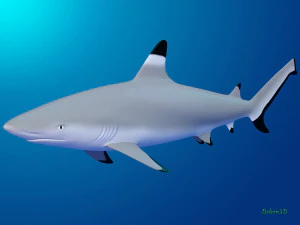
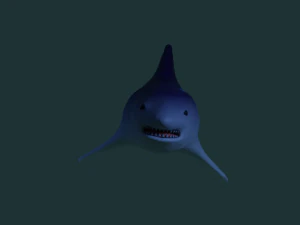
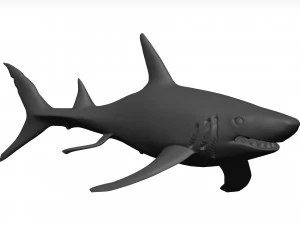
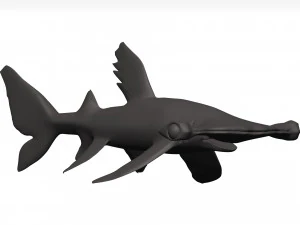
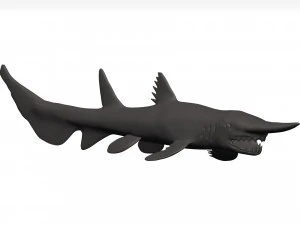
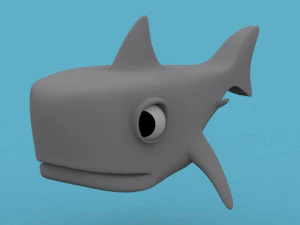
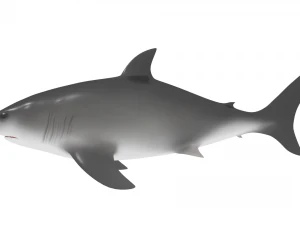
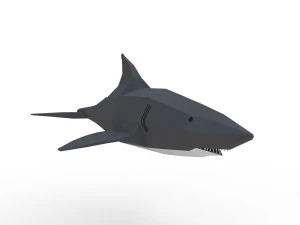
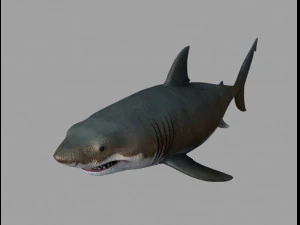
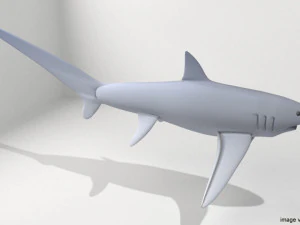
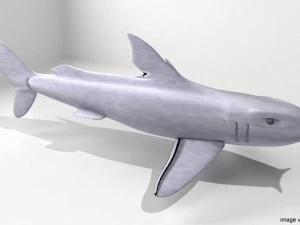
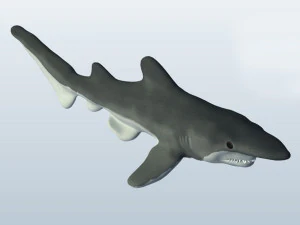
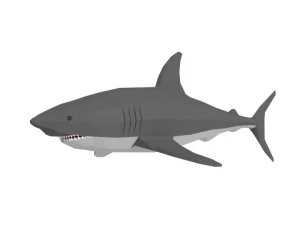
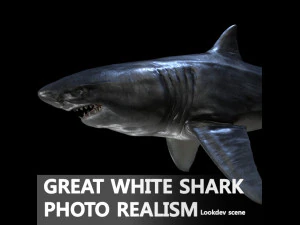
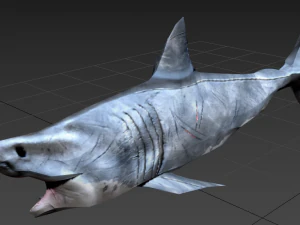
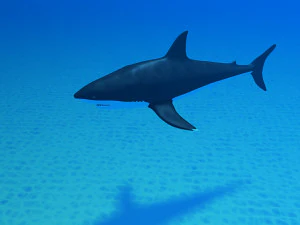
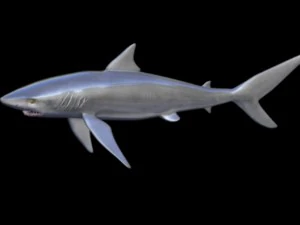
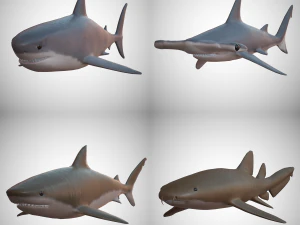
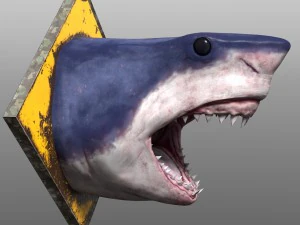
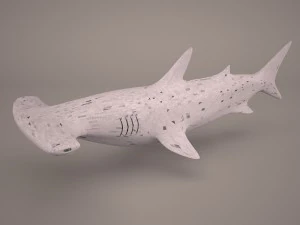
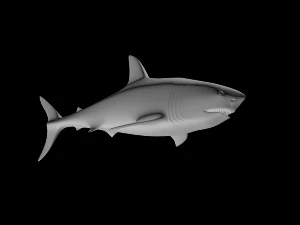
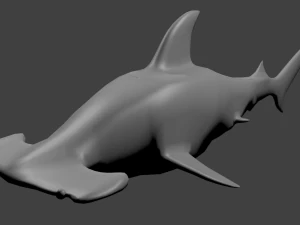
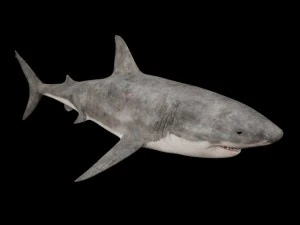
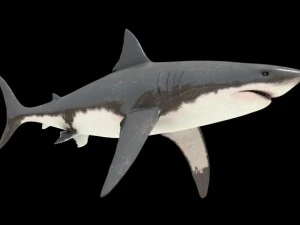
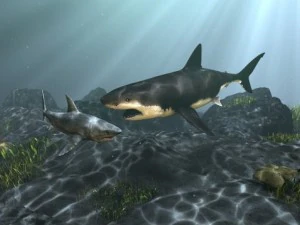
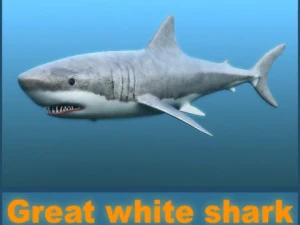
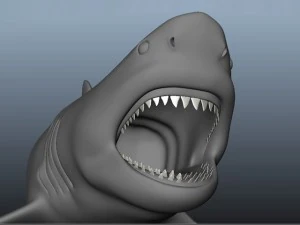
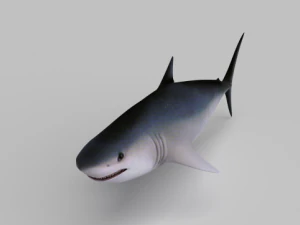
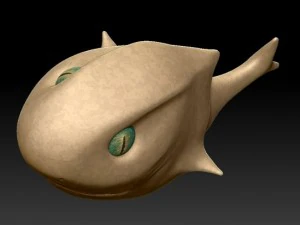
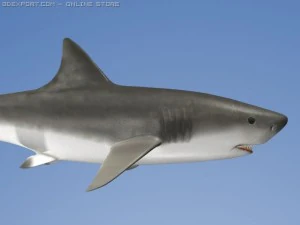
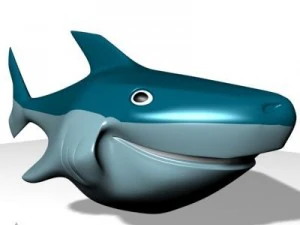
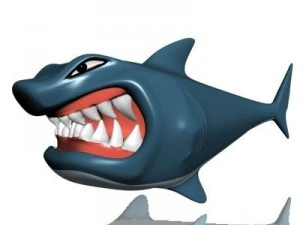
Abbiamo 102 oggetto(i) Senza royalty Modelli 3D. This category contains a wide choice of Shark 3D Models - Animals. Any 3D Shark model is available in .max, .obj, .c4d, .fbx, .dxf, .dwg, .stl, .iges, .3ds, .mb, .lwo, .3dm, .skp and .blend format. Some of them are ready for 3D Printing & Games. Also you will find a great number of models in Fish and Squid categories.
- -50%
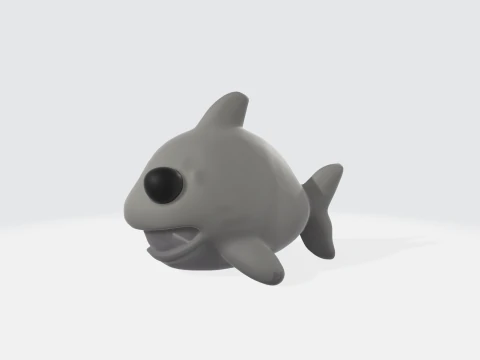 InventiveWorldShark
 - -50%
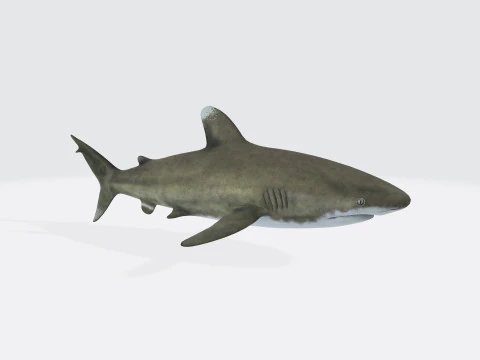 3dprintmodel91Shark
 - -50%
 RacksuzShark
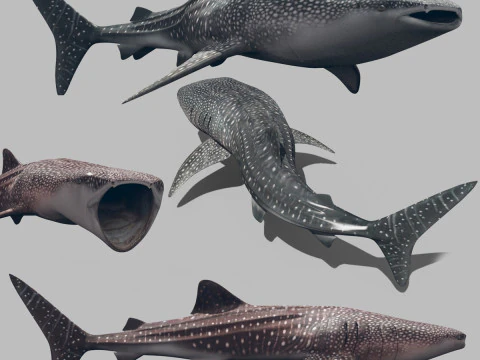




































Ricerche di tendenza Modelli 3D:
Scultura Modelli 3D Caratteri Modelli 3D Cucina Modelli 3D Cavallo Modelli 3D Architectural Exteriors Modelli 3D Telefoni e Cellulari Modelli 3D Vegetali Modelli 3D Gioielli Modelli 3D Giocattoli Modelli 3D Medicinali Modelli 3D Elicotteri Modelli 3D Armi Pesanti Modelli 3D Camion Modelli 3D Anatomia Modelli 3DQuali sono le sfide di rigging per un modello di lumaca "non scheletrica"?
Le lumache presentano una sfida unica nel 2026 perché prive di una struttura ossea tradizionale. I rig professionali per lumache utilizzano sistemi di deformazione "basati su spline" o "a reticolo" che consentono al "piede" della lumaca di allungarsi e contrarsi in modo realistico mentre si muove. Il rig dispone anche di controller indipendenti per i tentacoli (peduncoli oculari), che consentono loro di ritrarsi o "ondeggiare" in risposta all'ambiente. Questa capacità di "schiacciamento e allungamento" è essenziale per catturare il ritmo lento e cadenzato della locomozione di un gasteropode. Le risorse di alta qualità sono spesso configurate con "Vertex Animation" per gestire le sottili increspature del piede, fornendo un livello di realismo fluido che un rig standard basato su giunti non può raggiungere.
Come si ottengono gli effetti "Scia di bava" e "Pelle bagnata"?
Una lumaca realistica richiede uno shader "Slime" specializzato. Nel 2026, le nostre risorse per le lumache sono dotate di materiali PBR che presentano una configurazione "Dual-Specular": una per il corpo umido e un secondo strato "Clearcoat" per il muco luccicante. Per la scia di bava, molti modelli includono un sistema "Procedural Decal" che permette alla lumaca di "dipingere" una scia lucida e traslucida su qualsiasi superficie su cui si muove nei motori in tempo reale. Questa scia utilizza una mappa "Parallax" o "Refraction" per conferirle un aspetto tridimensionale simile a una "pozza". Queste caratteristiche tecniche sono fondamentali per i rendering in stile macrofotografia o per le scene sul suolo della foresta, dove l'umidità dell'ambiente è un elemento estetico chiave.
I gusci delle lumache sono modellati con una geometria "a spirale" realistica?
Sì, nel 2026 i gusci delle lumache sono modellati utilizzando la matematica della "spirale logaritmica" per garantire l'accuratezza biologica. I gusci presentano mappe di spostamento ad alta risoluzione per catturare le linee di crescita e le creste calcificate. Per specie diverse, come la lumaca da giardino o la lumaca gigante africana, le texture PBR riflettono i modelli specifici, dai marroni terrosi ai gialli vivaci. Anche l'interno del guscio è modellato (l'apertura), consentendo al corpo della lumaca di ritirarsi completamente all'interno del rig. Questo livello di precisione geometrica è necessario per le app didattiche di biologia e i documentari naturalistici ad alta fedeltà, in cui la perfezione matematica del guscio è spesso un punto focale.
Fornite modelli 3D anche per "Lumache di mare" e "Lumache terrestri"?
La nostra categoria di gasteropodi del 2026 comprende una vasta gamma di specie, tra cui lumache terrestri e vivaci lumache di mare (nudibranchi). Le lumache di mare presentano spesso shader ancora più complessi per la "bioluminescenza" e l'"iridescenza", che imitano il loro colorato aspetto subacqueo. Le lumache, prive di guscio, si concentrano interamente sulla fisica del "corpo molle" e sulla traslucenza. Questi modelli sono popolari per i giochi di ruolo fantasy (come creature giganti) e per le visualizzazioni scientifiche. Ogni risorsa è costruita con caratteristiche anatomiche specifiche della specie, come il poro respiratorio (pneumostoma) nelle lumache o l'opercolo nelle lumache di mare, assicurando che soddisfino i requisiti sia degli artisti che degli scienziati.
I modelli 3D di lumache possono essere utilizzati per rendering cinematografici "macro"?
Assolutamente sì. Le lumache sono spesso utilizzate nell'arte "macro", dove la telecamera si trova a pochi centimetri dal soggetto. Nel 2026, i nostri modelli di lumaca "Hero-grade" presentano texture 8K e mappe "Micro-Detail" per la texture "tubercolata" della pelle. Ciò garantisce che anche le più piccole protuberanze sul corpo della lumaca rimangano nitide e organiche. Le macchie oculari sui tentacoli sono modellate con uno shader "Lens" per fornire un senso di profondità e intelligenza. Queste risorse sono perfette per materiali di marketing ad alta risoluzione, primi piani di film naturalistici ed esperienze VR immersive in cui l'utente può esplorare il minuscolo mondo del sottobosco con incredibile dettaglio.