


 English
 Español
 Deutsch
 日本語
日本語 Polska
 Français
 Українська
 Italiano
 Nederlands
 Türkçe
 Português
 Bahasa Indonesia
 Русский
 中國
中國 हिंदी
हिंदी
















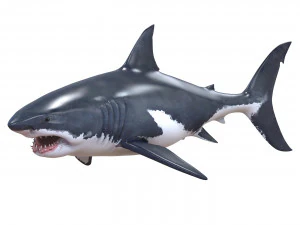
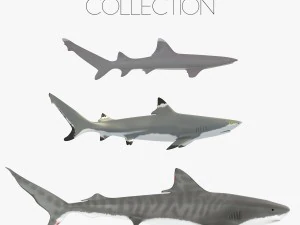
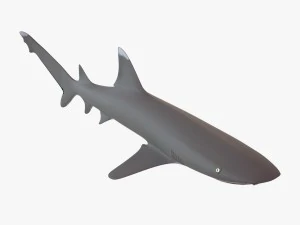
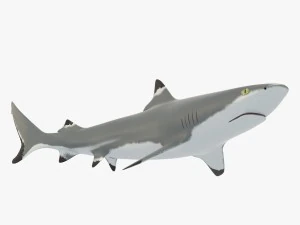
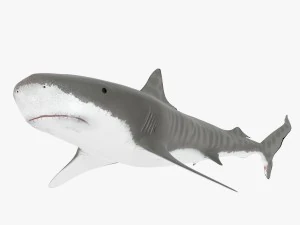
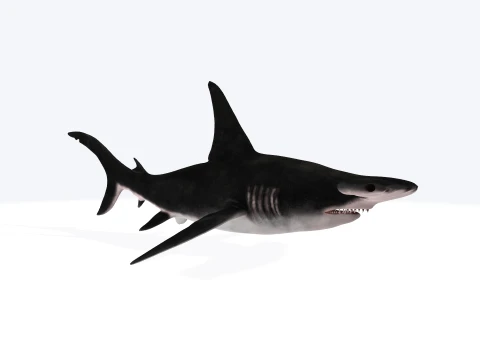
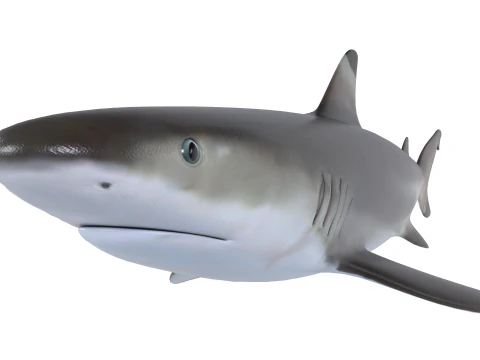
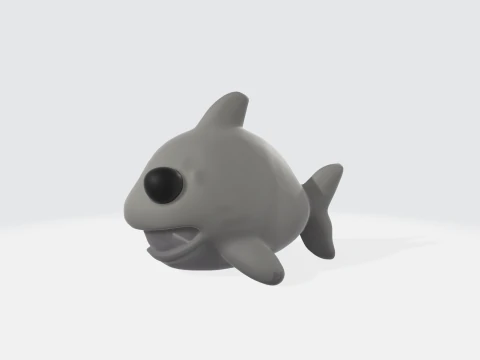
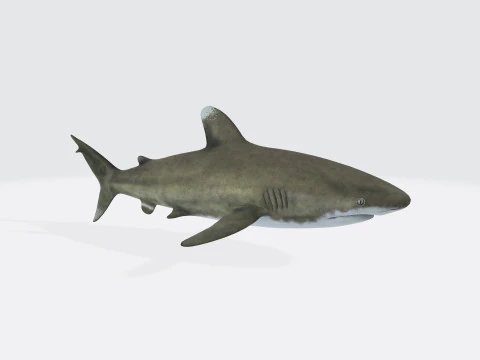
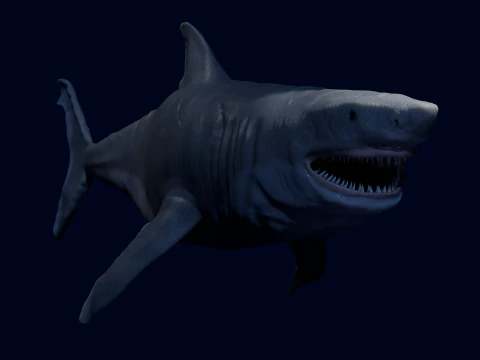
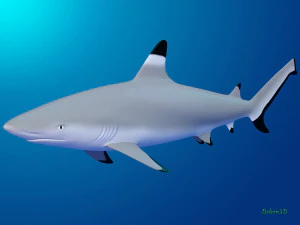
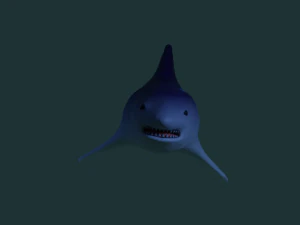
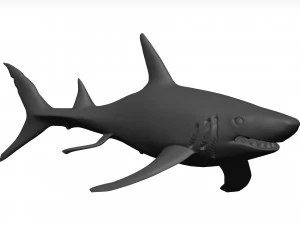
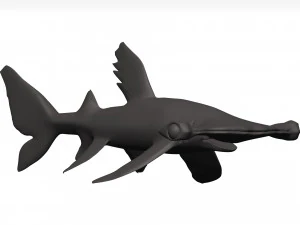
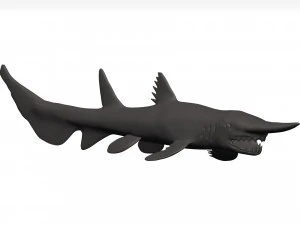
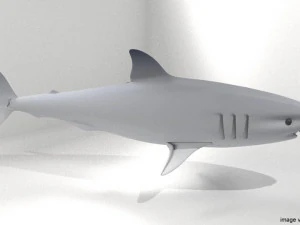
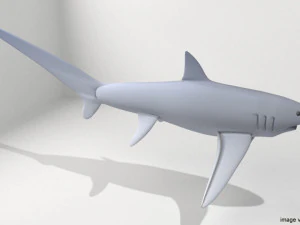
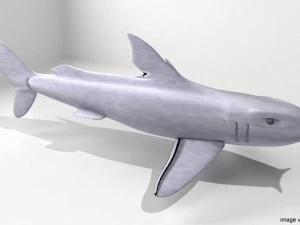
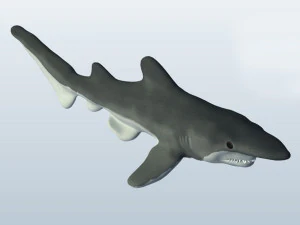
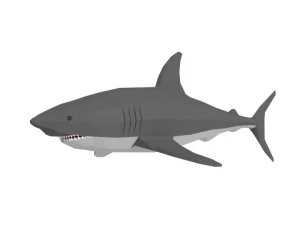
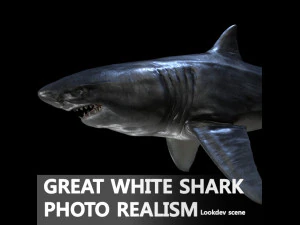
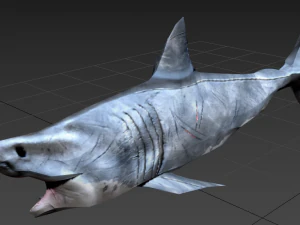
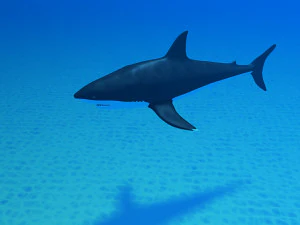
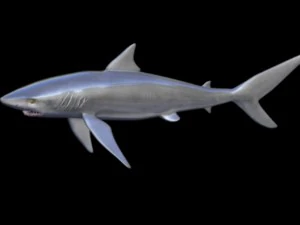
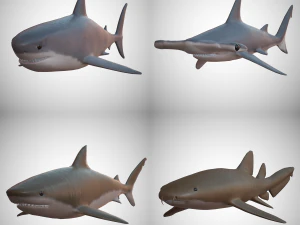
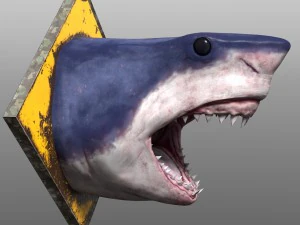
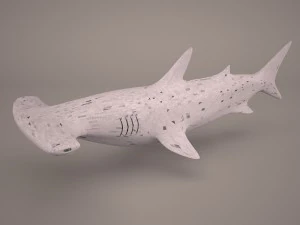
상어 - 동물 3D 모델
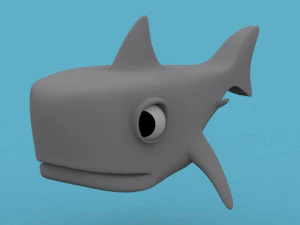
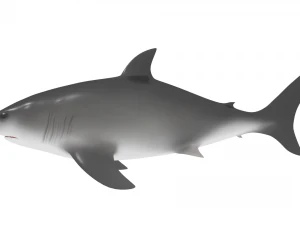
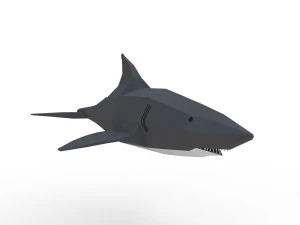
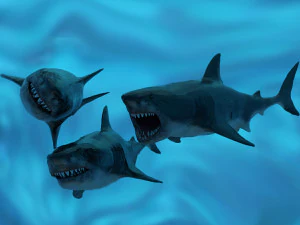
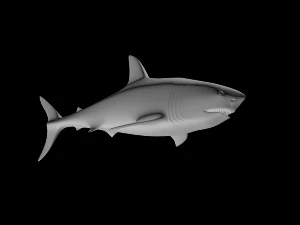
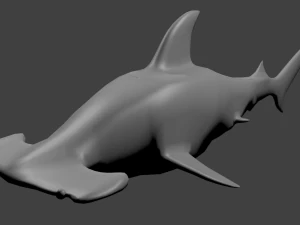
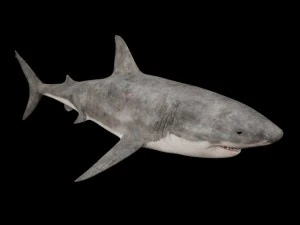
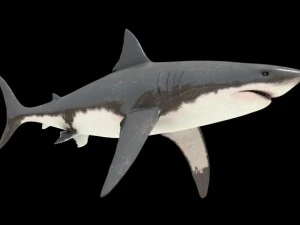
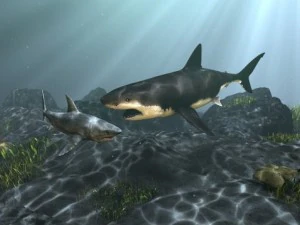
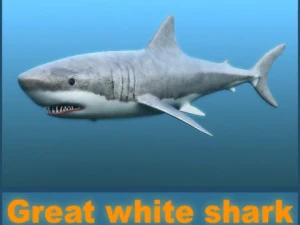
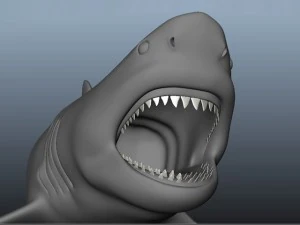
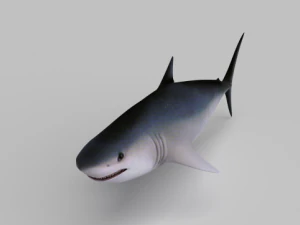
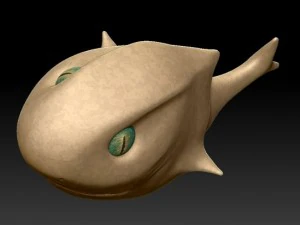
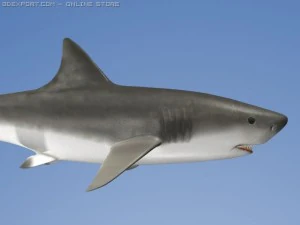
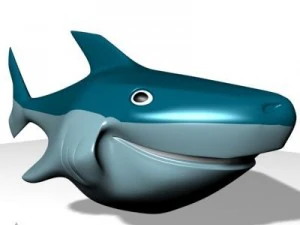
보유하고 있는 것 102 아이템 로열티 프리 3D 모델. This category contains a wide choice of Shark 3D Models - Animals. Any 3D Shark model is available in .max, .obj, .c4d, .fbx, .dxf, .dwg, .stl, .iges, .3ds, .mb, .lwo, .3dm, .skp and .blend format. Some of them are ready for 3D Printing & Games. Also you will find a great number of models in Fish and Squid categories.




































인기 검색어 3D 모델:
조각 3D 모델 캐릭터 3D 모델 부엌 3D 모델 말 3D 모델 외관 3D 모델 휴대 전화 3D 모델 야채 3D 모델 쥬얼리 3D 모델 장난감 3D 모델 의료 3D 모델 헬리콥터 3D 모델 중무기 3D 모델 트럭 3D 모델 해부학 3D 모델"비골격(Non-Skeletal)" 달팽이 모델의 리깅 과제는 무엇인가요?
달팽이는 전통적인 뼈 구조가 없기 때문에 2026년 현재 독특한 리깅 과제를 제시합니다. 전문적인 달팽이 리깅은 달팽이가 움직일 때 "발"이 사실적으로 늘어나고 수축할 수 있도록 하는 "스플라인 기반" 또는 "래티스" 변형 시스템을 사용합니다. 또한 이 리그는 촉수(눈대)를 위한 독립적인 컨트롤러를 갖추고 있어, 환경에 반응하여 촉수를 수축하거나 "흔들" 수 있게 합니다. 이러한 "스쿼시 앤 스트레치(squash and stretch)" 기능은 복족류의 느리고 리드미컬한 움직임의 맥박을 포착하는 데 필수적입니다. 고품질 에셋은 종종 발의 미세한 물결을 표현하기 위해 "버텍스 애니메이션"으로 설정되며, 이는 표준 관절 기반 리그로는 달성할 수 없는 유동적인 사실감을 제공합니다.
"점액 흔적"과 "젖은 피부" 효과는 어떻게 구현되었나요?
사실적인 달팽이를 구현하려면 특수한 "점액" 셰이더가 필요합니다. 2026년 기준, 당사의 달팽이 에셋에는 "듀얼 스페큘러(Dual-Specular)" 설정을 특징으로 하는 PBR 머티리얼이 포함되어 있습니다. 하나는 축축한 몸체를 위한 것이고, 다른 하나는 반짝이는 점액을 위한 "클리어코트(Clearcoat)" 레이어입니다. 점액 흔적의 경우, 많은 모델에 "프로시저럴 데칼" 시스템이 포함되어 있어, 실시간 엔진에서 달팽이가 이동하는 모든 표면에 반짝이고 반투명한 흔적을 "그려낼" 수 있습니다. 이 흔적은 "시차" 또는 "굴절" 맵을 사용하여 3D "물웅덩이" 같은 느낌을 줍니다. 이러한 기술적 특징은 환경의 습기가 핵심적인 미적 요소인 매크로 사진 스타일의 렌더링이나 숲 바닥 장면에서 매우 중요합니다.
달팽이 껍데기는 사실적인 "나선형" 기하학 구조로 모델링되어 있나요?
네, 2026년에는 생물학적 정확성을 보장하기 위해 "대수 나선" 수학을 사용하여 달팽이 껍데기를 모델링합니다. 껍데기에는 성장선과 석회화된 능선을 표현하기 위해 고해상도 변위 맵이 적용됩니다. 정원 달팽이나 아프리카 거대 육지 달팽이와 같은 다양한 종의 경우, PBR 텍스처는 흙빛 갈색에서 선명한 노란색에 이르기까지 종별 특유의 무늬를 반영합니다. 껍데기 내부(구멍)도 모델링되어 있어 달팽이 몸통이 껍데기 안으로 완전히 들어갈 수 있습니다. 이러한 수준의 기하학적 정밀도는 껍데기의 수학적 완벽함이 종종 주목받는 교육용 생물학 앱이나 고화질 자연 다큐멘터리 제작에 필수적입니다.
“바다 달팽이”와 “민달팽이”에 대한 3D 모델도 제공하나요?
2026년판 복족류 카테고리에는 육지 민달팽이와 화려한 바다달팽이(누디브랜치)를 포함한 다양한 종이 포함되어 있습니다. 바다달팽이는 수중에서 보이는 다채로운 모습을 재현하기 위해 "생물발광"과 "무지개빛" 효과를 위한 더욱 정교한 셰이더를 적용하는 경우가 많습니다. 껍데기가 없는 민달팽이는 전적으로 "연체" 물리학과 반투명도에 중점을 둡니다. 이러한 모델은 판타지 RPG(거대 생물로 등장) 및 과학적 시각화 분야에서 인기가 높습니다. 각 자산은 민달팽이의 호흡공(pneumostome)이나 바다달팽이의 아가미 덮개(operculum)와 같은 종별 해부학적 특징을 반영하여 제작되어, 아티스트와 과학자 모두의 요구 사항을 충족시킵니다.
달팽이 3D 모델을 "매크로" 영화적 렌더링에 사용할 수 있나요?
물론입니다. 달팽이는 카메라가 피사체에서 수 센티미터 거리에 있는 "매크로" 아트에서 자주 사용됩니다. 2026년 출시된 당사의 "히어로급" 달팽이 모델은 8K 텍스처와 피부 표면의 "결절" 질감을 표현하는 "마이크로 디테일" 맵을 갖추고 있습니다. 이를 통해 달팽이 몸체의 가장 미세한 돌기조차도 선명하고 유기적인 느낌을 유지합니다. 촉수 위의 눈무늬는 "렌즈" 셰이더로 모델링되어 깊이감과 지적인 느낌을 줍니다. 이 자산들은 고해상도 마케팅 자료, 자연 다큐멘터리의 클로즈업, 그리고 사용자가 숲 바닥의 미세한 세계를 놀라운 디테일로 관찰할 수 있는 몰입형 VR 경험에 완벽합니다.