


 English
 Español
 Deutsch
 日本語
日本語 Polska
 Français
 Українська
 Italiano
 Nederlands
 Türkçe
 Português
 Bahasa Indonesia
 Русский
 中國
中國 हिंदी
हिंदी
















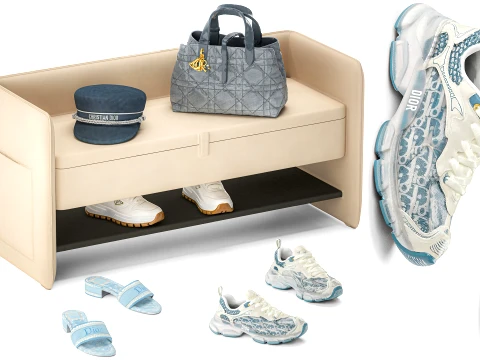
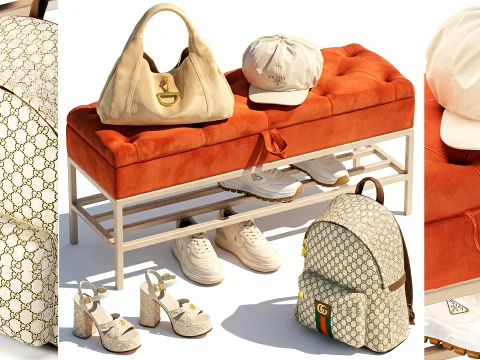
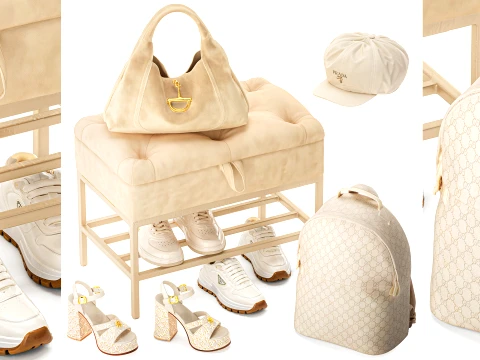
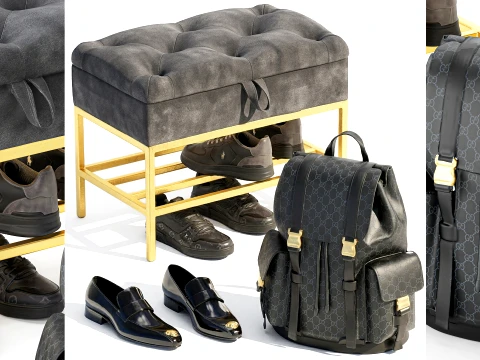
Set - 가구 3D 모델
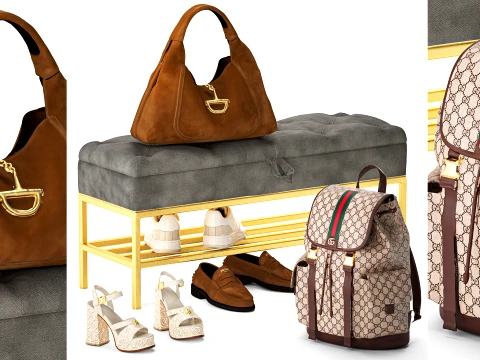
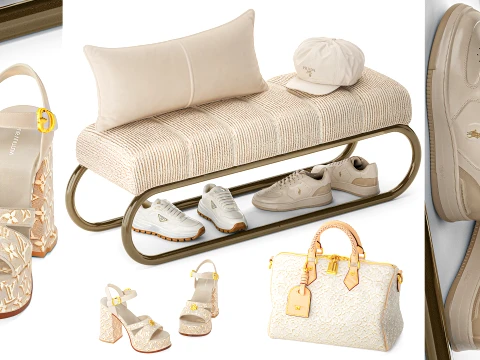
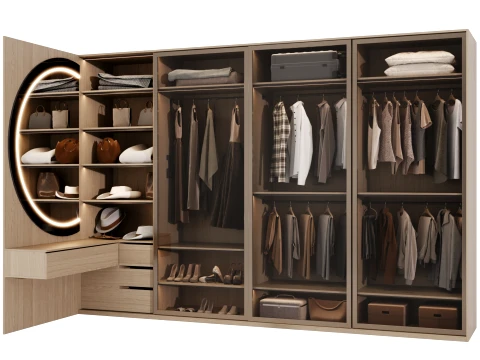
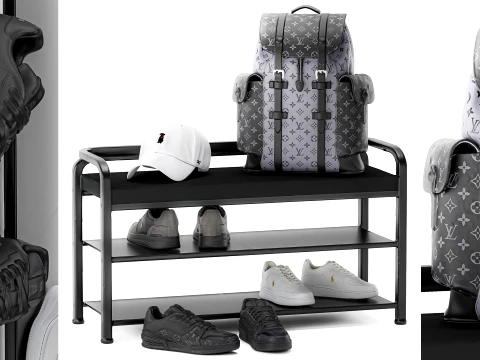
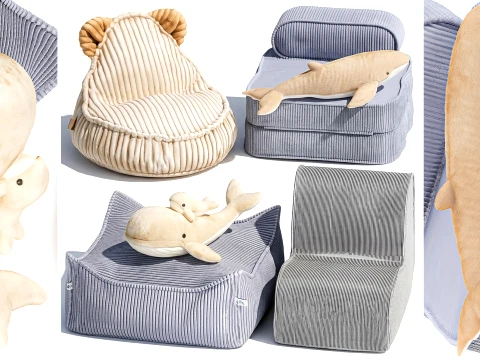
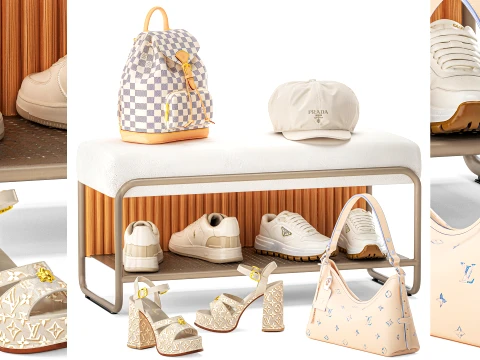
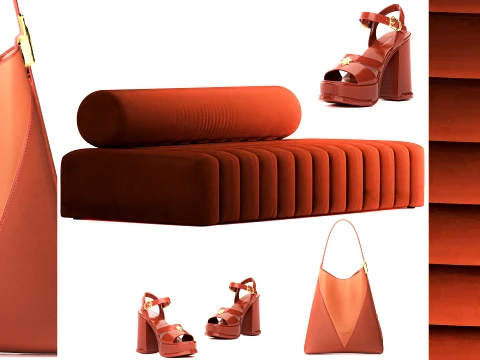
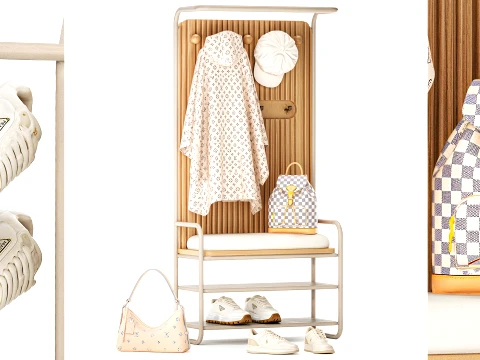
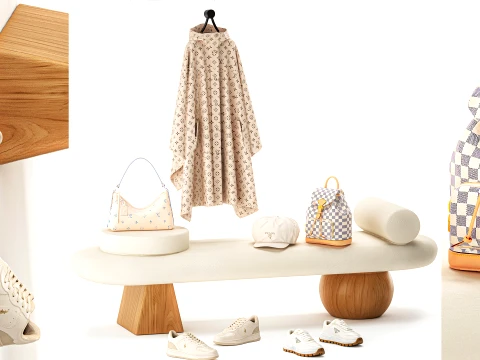
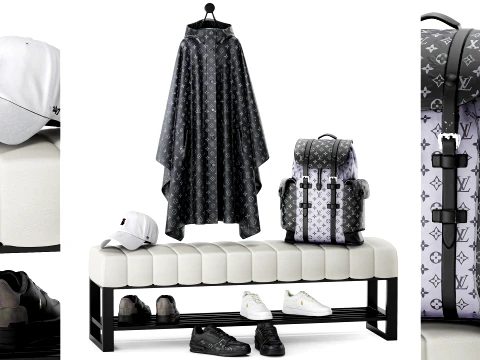
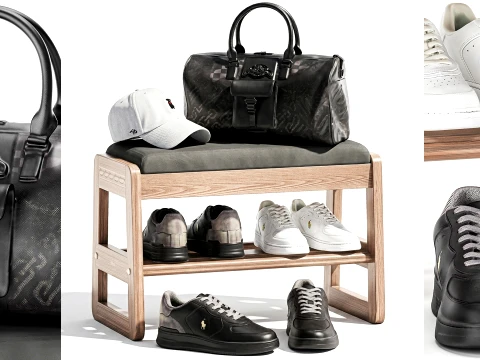
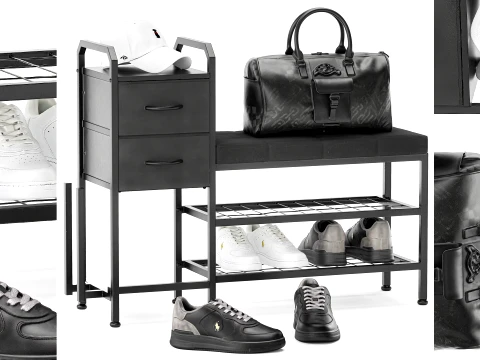
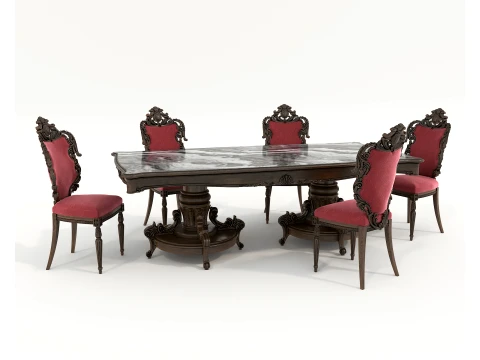
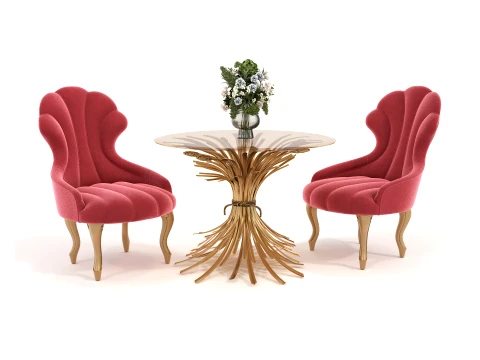
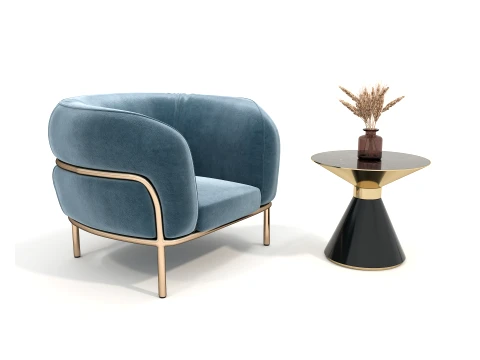
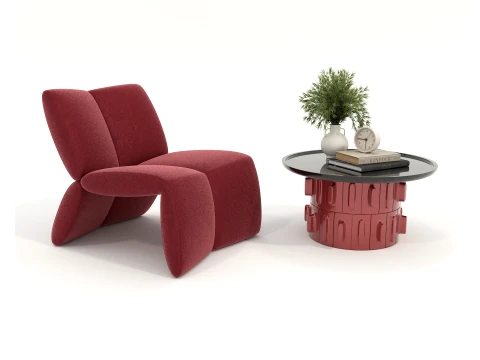
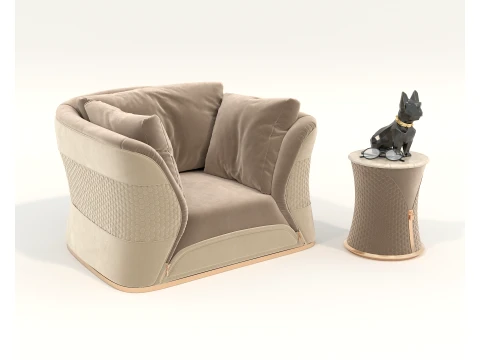
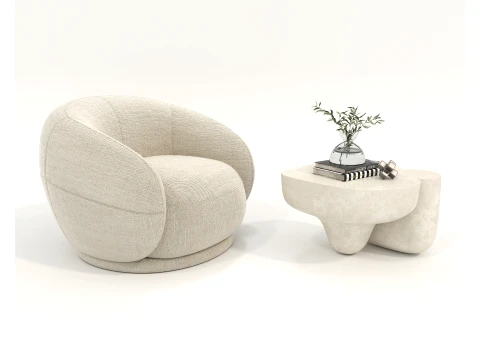
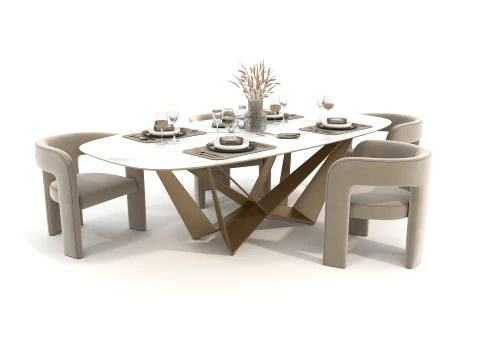
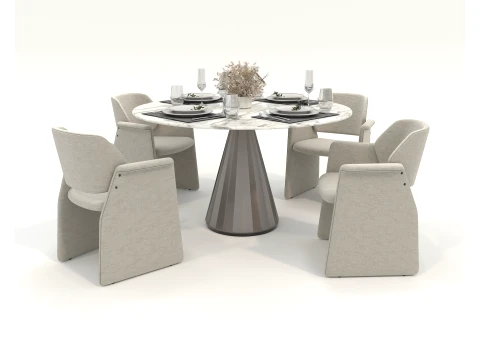
보유하고 있는 것 1920 아이템 로열티 프리 3D 모델. This category contains a wide choice of Bench 3D Models - Furniture. Any 3D Bench model is available in .max, .obj, .c4d, .fbx, .dxf, .dwg, .stl, .iges, .3ds, .mb, .lwo, .3dm, .skp and .blend format. Some of them are ready for 3D Printing & Games. Also you will find a great number of models in Bedroom and Bathroom categories.






















인기 검색어 3D 모델:
조각 3D 모델 캐릭터 3D 모델 부엌 3D 모델 말 3D 모델 외관 3D 모델 휴대 전화 3D 모델 야채 3D 모델 쥬얼리 3D 모델 장난감 3D 모델 의료 3D 모델 헬리콥터 3D 모델 중무기 3D 모델 트럭 3D 모델 해부학 3D 모델2026년에 미리 구성된 가구 세트를 사용하면 어떤 이점이 있을까요?
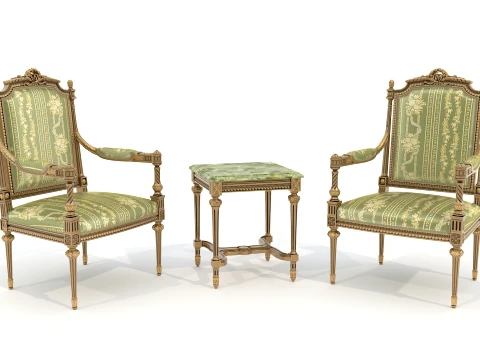
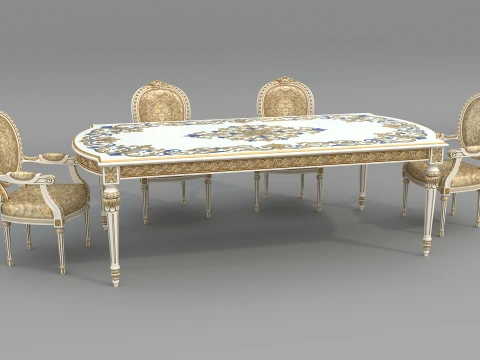
2026년, 가구 세트는 일관된 "시각 시스템"으로 설계됩니다. 개별 가구마다 나뭇결이나 금속 마감재를 맞추느라 몇 시간을 소비할 필요 없이, 이 세트들은 통일된 미적 감각을 제공합니다. 다이닝 세트든 거실 컬렉션이든, 테이블부터 사이드보드까지 모든 아이템은 동일한 PBR 소재 매개변수와 텍셀 밀도를 공유합니다. 이를 통해 방 전체에서 빛이 일관되게 반응하도록 보장하며, 이는 소재의 "온도감"이나 "반사율"의 불일치가 렌더링의 몰입감과 전문성을 해칠 수 있는 고급 건축 시각화 작업에 있어 매우 중요합니다.
다양한 방 크기에 맞춰 이 가구 세트의 모듈성은 어떻게 처리되나요?
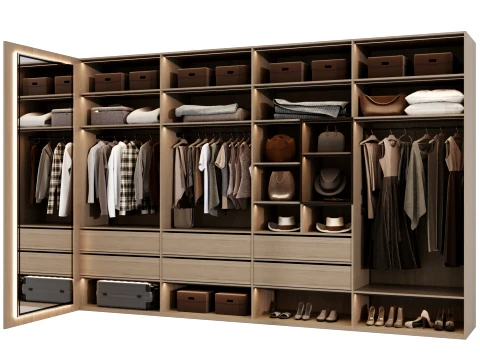
모든 가구 세트는 "확장 가능한 레이아웃"을 염두에 두고 제작되었습니다. 2026년 현재, 이는 단순한 정적 그룹이 아닌 "모듈형 키트"입니다. 예를 들어, 침실 세트의 경우 매칭되는 나이트스탠드와 옷장은 그대로 유지한 채 킹사이즈 침대를 퀸사이즈 침대로 교체할 수 있습니다. 자산은 "범용 스냅 포인트"를 적용하여 설계되었기 때문에, 섹션형 소파나 모듈형 선반 유닛과 같은 구성 요소들이 메쉬가 겹치지 않고 완벽하게 결합됩니다. 이러한 유연성 덕분에 디자이너는 건축 프로젝트 전반에 걸쳐 일관된 디자인 언어를 유지하면서 다양한 크기의 방을 꾸밀 수 있습니다.
가구 세트는 "원클릭" 장면 채우기에 최적화되어 있나요?
네, 2026 가구 세트에는 종종 언리얼 엔진 5와 같은 엔진을 위한 "컬렉션 프록시"나 "블루프린트"가 포함되어 있습니다. 이를 통해 선별된 전체 방 레이아웃을 즉시 장면으로 드래그 앤 드롭할 수 있습니다. 세트 내의 각 구성품은 개별 서브 오브젝트로 유지되므로, 의자나 램프의 위치를 세밀하게 조정할 수 있습니다. 이러한 "스마트 배치" 워크플로는 "세트 드레싱"에 소요되는 시간을 대폭 줄여주며, 아티스트는 조명과 촬영 기법에 집중할 수 있고, 기술적인 가구 배치는 사전 구성된 세트 로직이 처리합니다.
이 세트에는 어울리는 "소형" 액세서리가 포함되어 있나요?
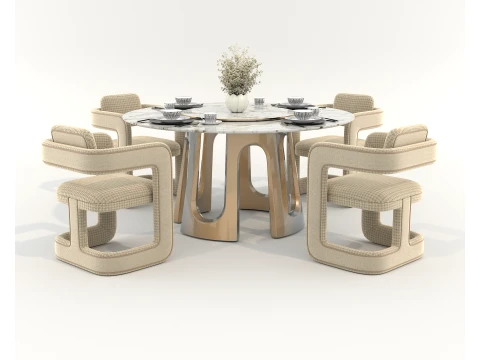
많은 프리미엄 2026 가구 세트에는 테이블 러너, 매칭 쿠션, 장식용 쟁반 등 조화를 이루는 액세서리가 "프로핑(Propped)"되어 제공됩니다. 이러한 아이템들은 가구의 색상 팔레트와 소재 질감을 보완하도록 디자인되었습니다. 예를 들어, 다이닝 세트에는 테이블의 모던하거나 러스트릭한 미적 감각에 부합하는 식기 세트가 포함될 수 있습니다. 이는 최소한의 노력으로 완벽하게 완성된, "잡지 게재용" 인테리어를 제작하는 것이 목표인 건축 시각화(ArchViz)를 위한 "턴키(Turn-Key)" 솔루션을 제공하며, 모든 세부 사항이 가구 컬렉션의 전체적인 테마를 뒷받침하도록 보장합니다.
다수의 아이템으로 구성된 대규모 세트의 UV와 텍스처는 어떻게 관리되나요?
고성능을 보장하기 위해 2026년의 가구 세트는 "아틀라스 텍스처링(Atlas Texturing)" 또는 "UDIM" 워크플로를 활용합니다. 각 의자가 고유한 머티리얼 호출을 갖는 대신, 전체 세트가 하나의 고해상도 텍스처 아틀라스를 공유할 수 있습니다. 이는 실시간 엔진에서의 "드로우 콜(Draw Calls)" 수를 줄이고 오프라인 렌더링 시 VRAM을 절약합니다. 이러한 최적화에도 불구하고 텍스처는 8K 화질을 유지하며, 각 부품에는 반복되는 나뭇결 패턴을 방지하기 위해 고유한 "변형 마스크(Variation Masks)"가 적용됩니다. 이를 통해 대규모 인테리어 프로젝트에서 기술적 효율성을 유지하면서도 세트가 다양하고 자연스럽게 보이도록 보장합니다.