


 English
 Español
 Deutsch
 日本語
日本語 Polska
 Français
 Українська
 Italiano
 Nederlands
 Türkçe
 Português
 Bahasa Indonesia
 Русский
 中國
中國 हिंदी
हिंदी
















가구 - 하우스 3D 프린트 모델
보유하고 있는 것 319 아이템 로열티 프리 3D 모델. This category contains a wide choice of Furniture - 3D Printable Models. Any 3D Printable Furniture model is available in .obj, .stl, .iges, .3dm, .skp, .wrl and .blend format. All of these 3d print models are ready for 3D Printing. Also you will find a great number of 3d models in Decor and Kitchen and dining categories.









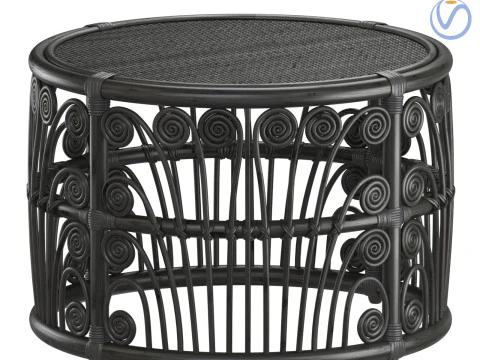
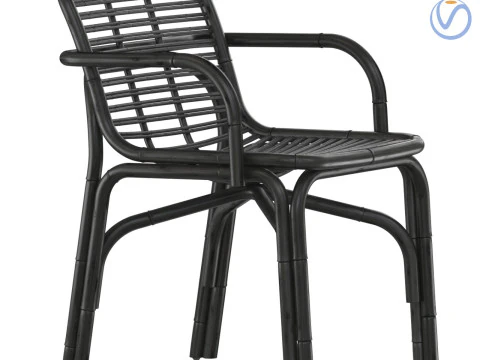


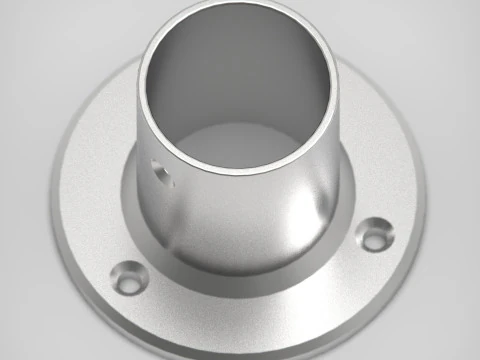
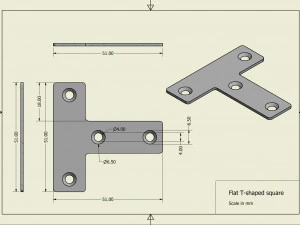


































인기 검색어 3D 모델:
조각 3D 모델 캐릭터 3D 모델 부엌 3D 모델 말 3D 모델 외관 3D 모델 휴대 전화 3D 모델 야채 3D 모델 쥬얼리 3D 모델 장난감 3D 모델 의료 3D 모델 헬리콥터 3D 모델 중무기 3D 모델 트럭 3D 모델 해부학 3D 모델2026년에는 어떤 규모의 가구를 3D 프린팅으로 성공적으로 제작할 수 있을까요?
가구 카테고리는 스툴이나 사이드 테이블과 같은 "실물 크기 오브젝트"부터 대형 가구를 위한 "모듈형 부품"에 이르기까지 다양합니다. 2026년에는 3D 프린팅된 접합부를 표준 목재나 금속 파이프와 결합하여 책상이나 선반 유닛을 만드는 "하이브리드 가구"가 크게 증가할 것으로 보입니다. 또한 의자 전체를 한 번에 제작할 수 있는 "대형 프린터"용 모델도 제공합니다. 이러한 자산은 "플랫팩(Flat-Pack)"의 획일성을 벗어나, 특정 공간 배치에 완벽하게 어울리는 맞춤형 크기와 인체공학적으로 최적화된 가구를 제작하고자 하는 분들에게 필수적이며, 높은 수준의 구조적 혁신과 디자인 자유도를 제공합니다.
3D 프린팅 "가구 접합부"는 전통적인 목공 접합 방식과 어떻게 비교될까요?
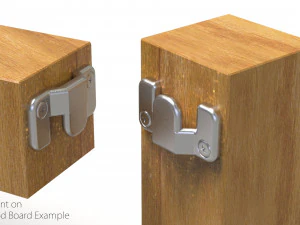
당사의 2026년형 "구조용 커넥터"는 응력을 견디기 위해 필요한 위치에만 재료를 배치하는 "토폴로지 최적화" 기법을 사용하여 설계되었습니다. 이러한 접합부는 조각으로는 구현할 수 없는 복잡한 다축 형태를 취할 수 있기 때문에, 특정 용도에서는 기존의 목재 접합 방식보다 뛰어난 성능을 발휘합니다. 이 모델들은 "내부 보강 리브"를 특징으로 하며, 최대 강도를 위해 "높은 페리미터 수"로 프린팅되도록 설계되었습니다. 이 3D 프린팅 커넥터를 사용하면 놀라울 정도로 안정적인 복잡한 "비선형 가구" 디자인을 제작할 수 있습니다. 이 "디지털 조인트"는 현대 DIY 가구의 토대가 되어, 간단하고 시중에서 구할 수 있는 재료를 사용하여 견고하고 맞춤형으로 설계된 가구를 신속하게 조립할 수 있게 해줍니다.
이 가구 모델들은 성인 사용을 위해 "하중 테스트"를 거쳤나요?
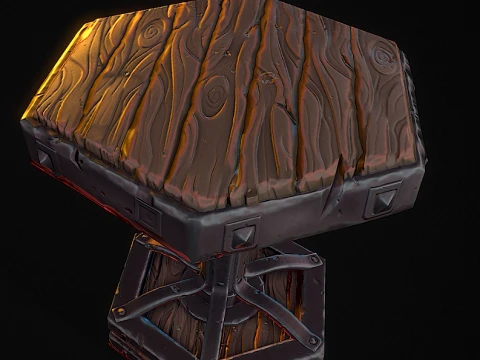
네, 좌석이나 지지용으로 설계된 2026개 가구 모델은 설계 단계에서 잠재적인 파손 지점을 파악하기 위해 "FEA 시뮬레이션"(유한 요소 분석)을 거칩니다. 당사는 각 모델에 대해 성인 한 명을 안전하게 지탱하기 위해 필요한 벽 두께와 내부 채움 밀도를 명시한 "하중 등급 가이드라인"을 제공합니다. 예를 들어, 3D 프린팅 스툴은 최소 4~6개의 페리미터와 25% 이상의 필러 밀도로 출력해야 합니다. 이러한 공학적 기준을 통해 출력된 가구는 단순한 장식용 조각품이 아닌, 구조적 안정성에 대한 확신을 가지고 가정 환경에서 매일 사용할 수 있는 "기능적 안전성 우선"의 제품이 됩니다.
3D 프린팅 의자와 스툴의 “인체공학적 설계”를 맞춤 설정할 수 있나요?
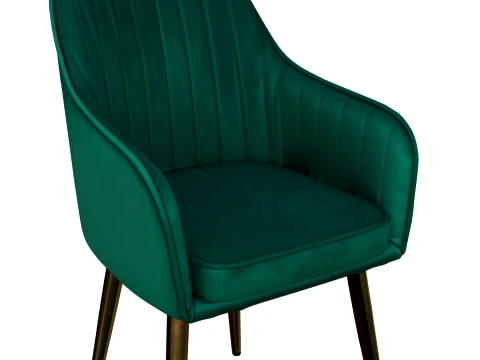
2026년형 가구 모델의 가장 큰 장점 중 하나는 "바이오 커스터마이징"입니다. 디지털 파일이기 때문에, 출력 전에 "좌석 높이", "등받이 각도" 또는 "요추 지지대"의 곡률을 자신의 신체 비율에 맞게 조정할 수 있습니다. 이러한 수준의 맞춤형 인체공학적 설계는 일반적으로 매우 고가의 맞춤 가구에서만 가능합니다. 직접 좌석을 프린팅하면 "완벽한 핏"을 보장하여 허리 부담을 줄이고 자세를 개선할 수 있습니다. 이러한 "사용자 중심 디자인" 접근 방식은 가구를 정적인 제품에서 개별 사용자의 고유한 신체적 요구에 맞춰진 맞춤형 웰니스 도구로 변화시킵니다.
"프리미엄 가구" 프린팅에 가장 적합한 소재와 마감재는 무엇인가요?
"고급스러운" 느낌의 가구를 원하신다면 "탄소섬유 강화 폴리머"(CF-PETG 또는 CF-나일론) 사용을 권장합니다. 이 소재들은 뛰어난 강성과 아름다운 무광 마감, 그리고 값싼 플라스틱 같지 않은 "고급스러운 촉감"을 제공합니다. "자연스러운 미감"을 원한다면, "우드 필(Wood-Fill)" 필라멘트를 사용하여 실제 목재처럼 샌딩하고 스테인 처리를 할 수 있습니다. 2026년 현재, 많은 제작자들은 "프린팅 후 에폭시 코팅"을 사용하여 내구성을 높이고 가구에 전문적인 공장 마감 느낌을 주는 고광택 보호막을 덧입히기도 합니다. 이러한 소재와 마감 처리 옵션을 통해 3D 프린팅 가구는 럭셔리 인테리어에 자연스럽게 어우러지며, 고급 디자이너 제품들과 어깨를 나란히 할 수 있습니다.