


 Español
 Deutsch
 日本語
日本語 Polska
 Français
 한국의
한국의 Українська
 Italiano
 Nederlands
 Türkçe
 Português
 Bahasa Indonesia
 Русский
 中國
中國 हिंदी
हिंदी
















Furniture - House 3D Print Models
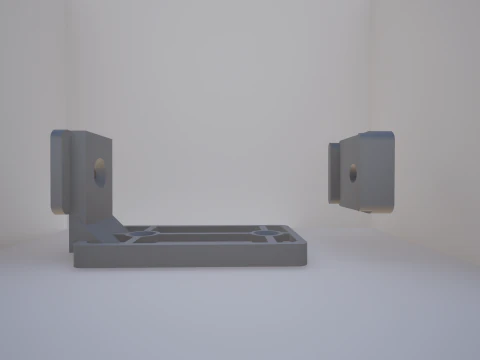
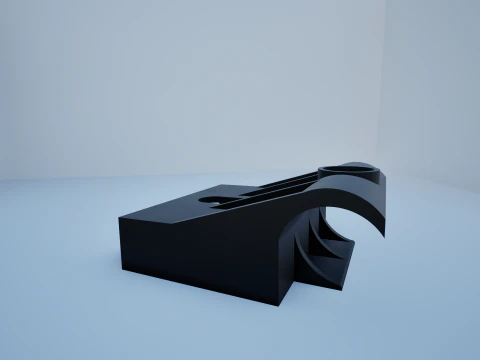
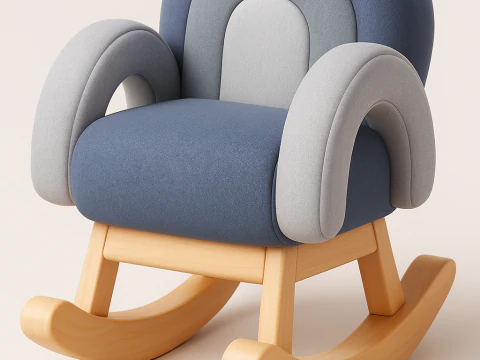
We have 320 item(s) Royalty free 3D Models. This category contains a wide choice of Furniture - 3D Printable Models. Any 3D Printable Furniture model is available in .obj, .stl, .iges, .3dm, .skp, .wrl and .blend format. All of these 3d print models are ready for 3D Printing. Also you will find a great number of 3d models in Decor and Kitchen and dining categories.
 brunonunesdpFurniture
 vlados.bekherFurniture
- -50%
 StellarValorFurniture
 - -50%
 StellarValorFurniture
 - -30%
 STLVertextFurniture
 - -30%
 STLVertextFurniture
 - -30%
 STLVertextFurniture
  briarenaFurniture
- -20%
 MONA3DStudioFurniture
  minhthietkeadFurniture
 minhthietkeadFurniture
 minhthietkeadFurniture
 minhthietkeadFurniture
 minhthietkeadFurniture
 minhthietkeadFurniture
 minhthietkeadFurniture
 minhthietkeadFurniture
 minhthietkeadFurniture
 minhthietkeadFurniture
 minhthietkeadFurniture
 minhthietkeadFurniture
 minhthietkeadFurniture
 minhthietkeadFurniture









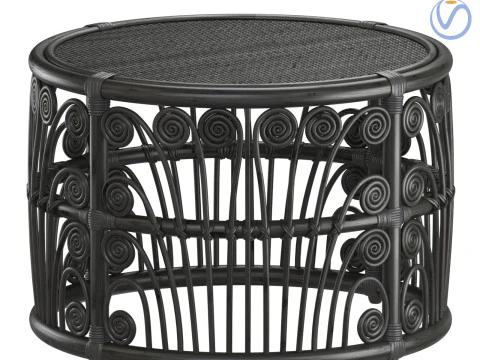
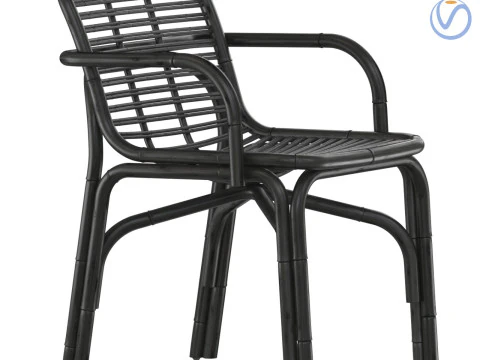


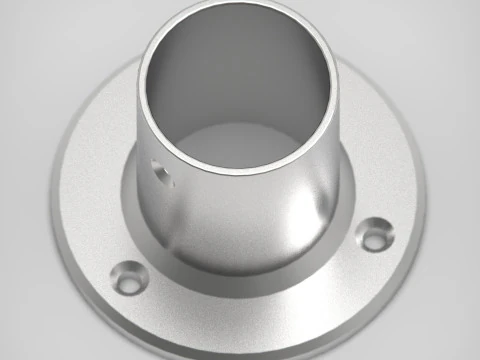



























Trending searches 3D Models:
Sculpture 3D Models Characters 3D Models Kitchen 3D Models Horse 3D Models Architectural Exteriors 3D Models Phone and Cell Phone 3D Models Vegetable 3D Models Jewellery 3D Models Toys 3D Models Medical 3D Models Helicopter 3D Models Heavy Weapon 3D Models Truck 3D Models Anatomy 3D ModelsWhat scale of furniture can be successfully 3D printed in 2026?
The Furniture category ranges from "Full-Scale-Objects" like stools and side tables to "Modular-Components" for larger pieces. In 2026, we see a massive rise in "Hybrid-Furniture," where 3D printed joints are combined with standard timber or metal pipes to create desks and shelving units. We also provide models for "Large-Format-Printers" that can produce entire chairs in a single piece. These assets are essential for those looking to bypass "Flat-Pack" genericism and create custom-sized, ergonomically optimized furniture that fits perfectly into their specific room layout, providing a high level of structural innovation and design freedom.
How do 3D printed "Furniture-Joints" compare to traditional joinery?
Our 2026 "Structural-Connectors" are designed using "Topology-Optimization," which places material only where it is needed to handle stress. These joints often outperform traditional wood joinery in specific applications because they can take complex, multi-axial shapes that would be impossible to carve. These models feature "Internal-Reinforcement-Ribs" and are intended to be printed with "High-Perimeter-Counts" for maximum strength. By using these 3D printed connectors, you can build complex, "Non-Linear-Furniture" designs that are incredibly stable. This "Digital-Joinery" is the foundation of modern DIY furniture, allowing for the rapid assembly of robust, custom-designed pieces using simple, off-the-shelf materials.
Are these furniture models "Weight-Tested" for adult use?
Yes, 2026 furniture models designed for seating or support undergo "FEA-Simulation" (Finite Element Analysis) during the design phase to identify potential breaking points. We provide "Load-Rating-Guidelines" for each model, specifying the required wall thickness and infill density to safely support a human adult. For example, a 3D printed stool should be printed with at least 4-6 perimeters and a 25% or higher infill. These engineering standards ensure that your printed furniture is not just a decorative sculpture but a "Functional-Safety-First" object that can be used daily in a home environment with complete confidence in its structural integrity.
Can I customize the "Ergonomics" of 3D printed chairs and stools?
One of the greatest advantages of 2026 furniture models is "Bio-Customization." Because these are digital files, you can adjust the "Seat-Height," "Back-Angle," or "Lumbar-Support" curvature before printing to match your specific body proportions. This level of personalized ergonomics is usually only available in extremely expensive custom furniture. By printing your own seating, you ensure a "Perfect-Fit" that can reduce back strain and improve posture. This "User-Centric-Design" approach turns furniture from a static product into a personalized wellness tool, tailored to the unique physical needs of the individual user.
What materials and finishes are best for "Premium-Furniture" prints?
For furniture that feels "High-End," we recommend using "Carbon-Fiber-Reinforced-Polymers" (CF-PETG or CF-Nylon). These materials provide incredible stiffness, a beautiful matte finish, and a "Premium-Tactile-Feel" that doesn't feel like cheap plastic. For a "Natural-Aesthetic," "Wood-Fill" filaments can be sanded and stained just like real timber. In 2026, many creators also use "Post-Print-Epoxy-Coating" to add a high-gloss, protective shell that increases durability and gives the furniture a professional, factory-finished look. These material and finishing choices allow your 3D printed furniture to blend seamlessly into a luxury interior, standing alongside high-end designer pieces with confidence.