


 Español
 Deutsch
 日本語
日本語 Polska
 Français
 한국의
한국의 Українська
 Italiano
 Nederlands
 Türkçe
 Português
 Bahasa Indonesia
 Русский
 中國
中國 हिंदी
हिंदी
















Other - Characters 3D Models
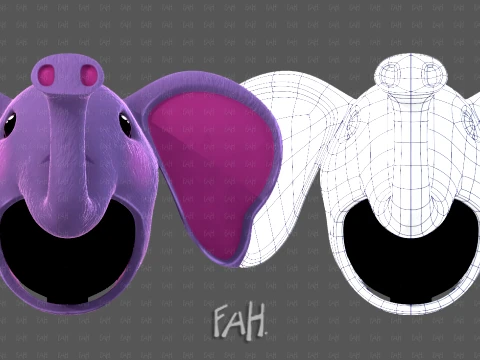
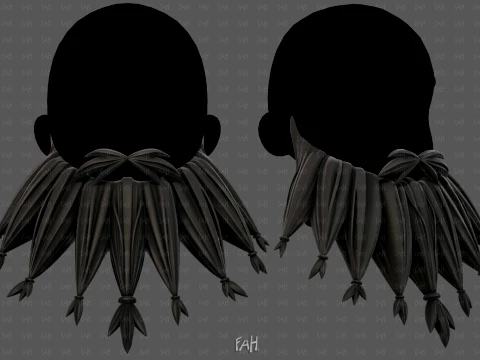
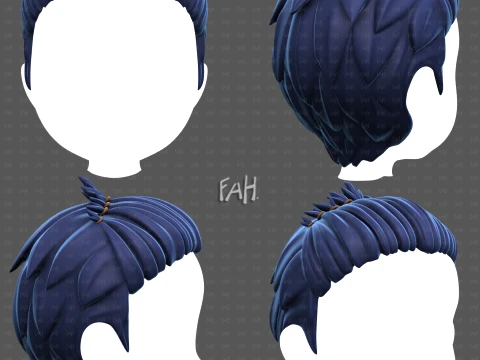
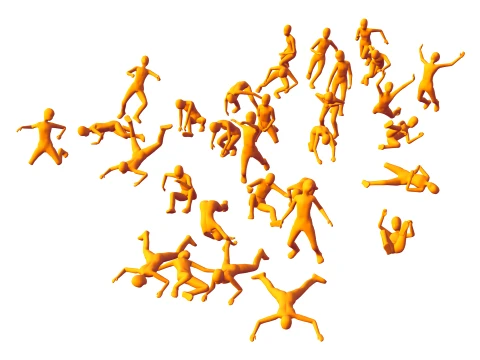
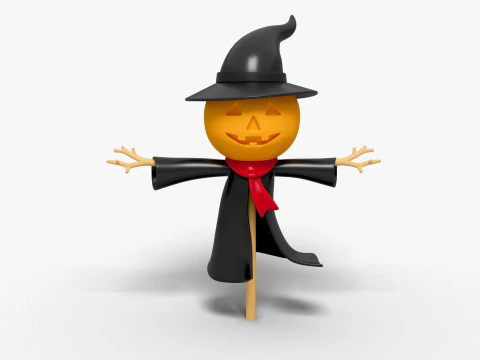
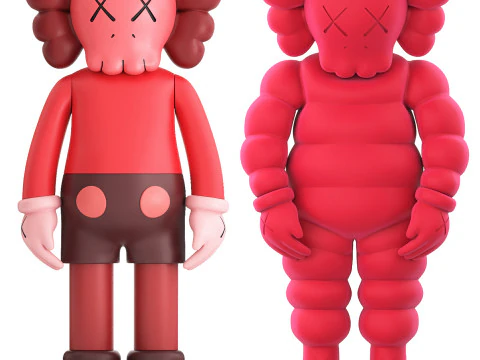
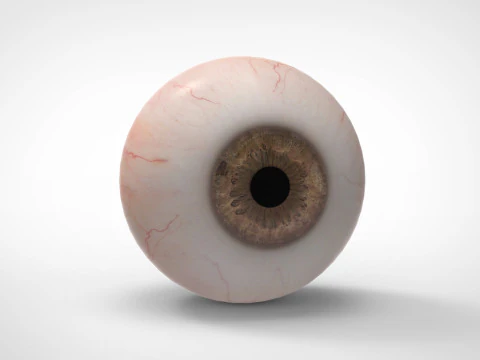
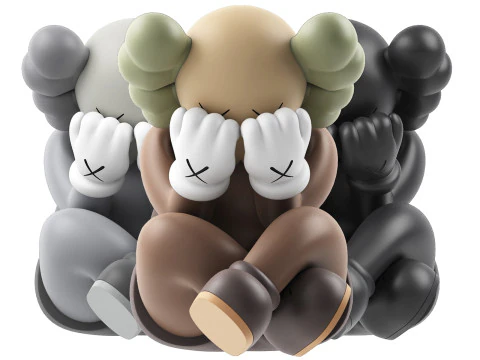
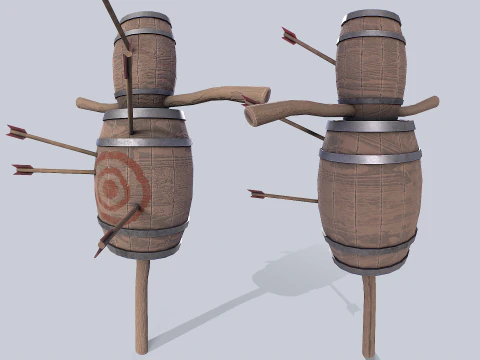
We have 1741 item(s) Royalty free 3D Models. This category contains a wide choice of Other characters 3D Models - Characters. Any 3D Other People and Sci-fi model is available in .max, .obj, .c4d, .fbx, .dxf, .dwg, .stl, .iges, .3ds, .mb, .lwo, .3dm, .skp and .blend format. Some of them are ready for 3D Printing & Games. Also you will find a great number of models in Woman and Anatomy categories.
























Trending searches 3D Models:
Sculpture 3D Models Characters 3D Models Kitchen 3D Models Horse 3D Models Architectural Exteriors 3D Models Phone and Cell Phone 3D Models Vegetable 3D Models Jewellery 3D Models Toys 3D Models Medical 3D Models Helicopter 3D Models Heavy Weapon 3D Models Truck 3D Models Anatomy 3D ModelsWhat types of assets are found in the "Other" character category for 2026?
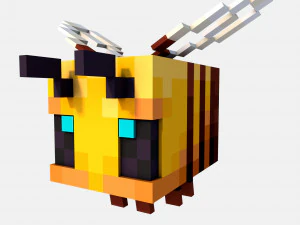
The "Other" category is the creative frontier of 3D character design, housing assets that defy standard humanoid or creature classifications. This includes "Abstract Avatars" for metaverses, "Brand Mascots" with non-standard proportions, "Voxel" characters, and "Elemental Beings" (made of fire, water, or energy). In 2026, this category is highly popular among avant-garde digital artists and VR social developers who want to move beyond the traditional "human" form. These models often feature experimental geometry and non-linear rigs, providing the unique "visual DNA" needed for artistic projects that aim to be surreal, futuristic, or highly stylized.
How are rigs handled for non-humanoid or abstract "Other" characters?
Despite their unusual shapes, "Other" characters are built for production. For characters that still have a "head and limbs" structure, we provide rigs compatible with standard animation retargeting. For truly abstract forms—like a floating cloud of geometric shards or a multi-legged blob—the models come with "Custom Rigs" and a suite of "Signature Animations." These rigs often utilize "Spline-IK" and "Procedural Deformers" to ensure that movement looks fluid and organic. This technical preparation ensures that even the strangest creature is "animation-ready" the moment it is imported, saving the user hours of complex technical setup for non-standard geometry.
Are these models optimized for "Metaverse" and "VR Social" platforms?
Yes, a significant portion of the "Other" category is optimized for platforms like VRChat, Horizon Worlds, and emerging 2026 metaverses. These assets are provided as "Performance-Ranked" models, featuring low-draw-call counts and optimized polygon distributions. Many feature "Vertex Animation" or "Shader-Based" movement, which allows for complex, pulsing, or shifting effects that don't tax the CPU's skeletal processing. This makes them ideal for users who want to stand out in virtual spaces with a unique, high-performance avatar that looks visually complex but remains light enough for standalone VR hardware to render smoothly.
How do materials and shaders work for "Energy-Based" or "Elemental" characters?
Elemental characters in this category utilize the "VFX-as-a-Character" philosophy of 2026. Instead of traditional textures, these models rely on "Refractive Shaders," "VDB Volumes," and "Animated Emissive Maps." For example, a "Spirit" character might use a combination of Fresnel transparency and internal particle emitters to create a ghostly, glowing appearance. These shaders are often "reactive," meaning the glow or color can be linked to the character's movement speed or voice volume. This provides a level of interactive "visual magic" that is essential for high-fantasy games, music videos, and immersive art installations where the character is a literal manifestation of light or energy.
Can "Other" characters be used for corporate mascots and brand identity?
Absolutely. The "Other" category is a primary resource for companies developing "Virtual Brand Ambassadors." These models are designed to be "Iconic" and "Memorable," using bold shapes and friendly proportions. In 2026, these mascots are often provided with "AI-Integration" templates, allowing them to serve as the visual face of a chatbot or customer service interface. The assets include a wide range of "Expression Sets" and "Interaction Poses," ensuring that the mascot can communicate brand values effectively across web, social media, and AR applications, providing a consistent and engaging "Character-Lead" brand experience.