


 Español
 Deutsch
 日本語
日本語 Polska
 Français
 한국의
한국의 Українська
 Italiano
 Nederlands
 Türkçe
 Português
 Bahasa Indonesia
 Русский
 中國
中國 हिंदी
हिंदी
















Snail - Animals 3D Models
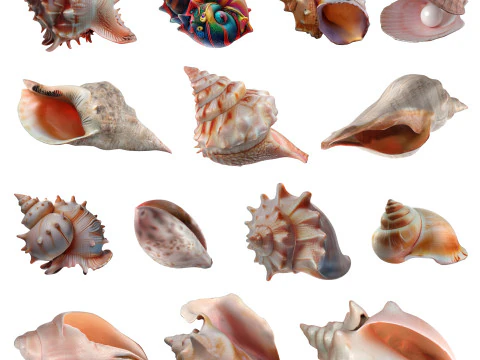
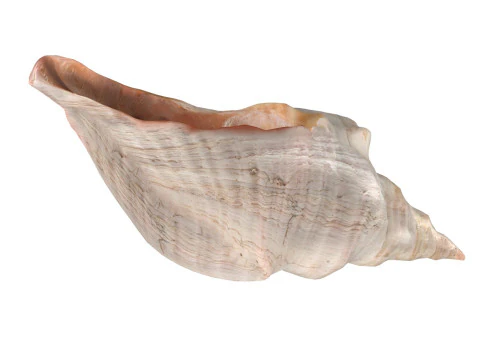
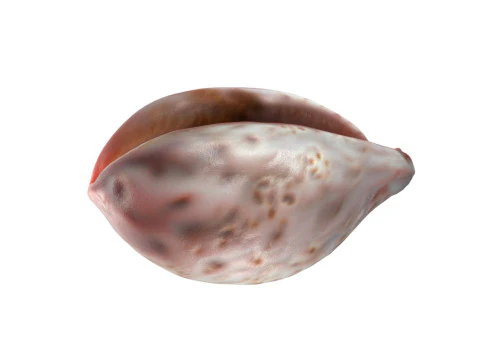
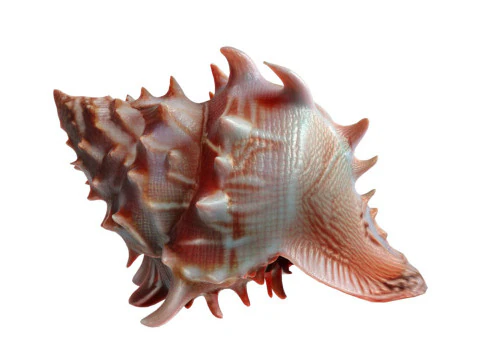
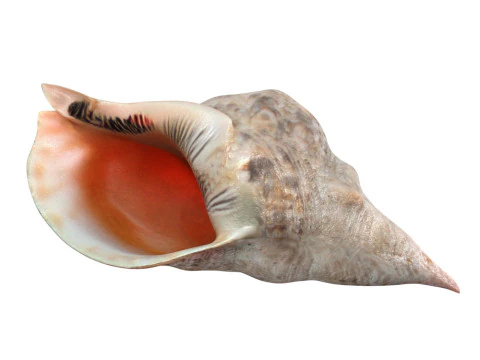
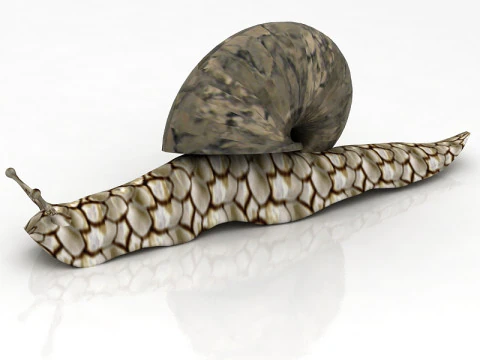
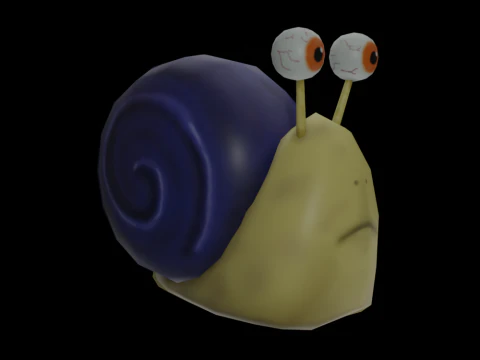
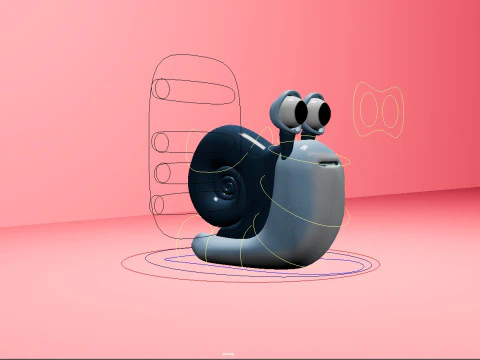
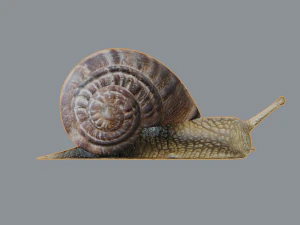
We have 37 item(s) Royalty free 3D Models. This category contains a wide choice of Snail 3D Models - Animals. Any 3D Snail model is available in .max, .obj, .c4d, .fbx, .dxf, .dwg, .stl, .iges, .3ds, .mb, .lwo, .3dm, .skp and .blend format. Some of them are ready for 3D Printing & Games. Also you will find a great number of models in Sheep and Spider categories.















Trending searches 3D Models:
Sculpture 3D Models Characters 3D Models Kitchen 3D Models Horse 3D Models Architectural Exteriors 3D Models Phone and Cell Phone 3D Models Vegetable 3D Models Jewellery 3D Models Toys 3D Models Medical 3D Models Helicopter 3D Models Heavy Weapon 3D Models Truck 3D Models Anatomy 3D ModelsHow do 2026 spider rigs handle "Eight-Legged" locomotion?
Rigging a spider requires a specialized "Multi-Leg" IK system. In 2026, professional spider rigs are designed with "Procedural Gait" support, allowing the eight legs to automatically avoid clipping and find ground contact points in complex environments. Each leg is rigged with multiple joints, including the "Tarsus" (claw-like tip), for realistic climbing. High-end rigs also include controllers for the "Pedipalps" (sensory appendages) and the "Chelicerae" (fangs), enabling aggressive biting or grooming animations. This technical setup is vital for horror games and wildlife sims where the spider’s eerie, rhythmic movement is its most defining and unsettling characteristic.
What is the standard for "Spider Hair" and "Fuzz" in 2026?
Most spiders, especially Tarantulas, are covered in thousands of tiny hairs (setae). In 2026, we handle this using "Strand-Based Grooming." These hairs are essential for catching "Rim Light," which creates the characteristic fuzzy silhouette of an arachnid. Professional models include "Groom" files compatible with Unreal Engine 5 or Maya, allowing the hairs to react to wind or touch. For species like the Black Widow, which have smoother bodies, the PBR material uses a high "Glossiness" and "Anisotropy" map to simulate the shiny, plastic-like exoskeleton. This variety in surface treatment allows creators to accurately depict everything from "cuddly" pet spiders to terrifying predators.
Do these assets include "Web-Spinning" and "Predatory" animations?
Yes, our premium spider models in 2026 come with a comprehensive library of "Behavioral Animations." This includes walking, jumping (for Jumping Spiders), descending on a silk thread, and "Attack" cycles. Some models even feature a "Web" accessory with "Vertex Animation" to simulate the web shaking as the spider moves across it. For game developers, these assets are often "State-Machine Ready," allowing for a smooth transition from an idle "waiting" pose on a wall to a high-speed chase. This level of animation detail is necessary for creating believable AI enemies in games or realistic nature documentaries about arachnid hunting strategies.
How are the "Compound Eyes" of a spider rendered for realism?
Spiders have multiple sets of eyes (usually eight), and in 2026, our models treat each one as a high-detail optical component. Instead of simple black spheres, each eye features a "Curved Lens" shader with "Parallax Mapping" to simulate internal depth. This gives the eyes a "following" look as the camera moves, mimicking the way light reflects off a real spider's eyes. For Jumping Spiders, which have large, expressive primary eyes, the detail is even higher, including subtle "Iris" textures. This attention to optical detail is crucial for VR, as the eyes are often the first thing a user notices when interacting with a 3D creature at close range.
Can I use spider 3D models for horror games and VR?
Spiders are a staple of the horror genre, and our 2026 assets are optimized for maximum "Fear Factor." The models feature high-resolution PBR textures for venom-dripping fangs and "unsettling" organic patterns. For VR, performance is key, so our spiders are supplied with optimized LODs to ensure they can be rendered in large numbers (like a swarm) without dropping the frame rate. Many models also include "Customizable Textures," allowing you to change the color of the markings to create unique "boss" monsters or different species for an infested environment. Their realistic movement and detailed anatomy make them a powerful tool for any developer looking to trigger arachnophobia in their audience.