


 English
 Español
 Deutsch
 日本語
日本語 Polska
 Français
 한국의
한국의 Українська
 Nederlands
 Türkçe
 Português
 Bahasa Indonesia
 Русский
 中國
中國 हिंदी
हिंदी
















Fauna silvestre - Animali Modelli 3D
Abbiamo 1811 oggetto(i) Senza royalty Modelli 3D. This category contains a wide choice of Wildlife 3D Models - Animals. Any 3D Wildlife model is available in .max, .obj, .c4d, .fbx, .dxf, .dwg, .stl, .iges, .3ds, .mb, .lwo, .3dm, .skp and .blend format. Some of them are ready for 3D Printing & Games.Also you will find a great number of models in Turtle and Amphibians categories.
- -50%
 malibusanWildlife
 - -50%
 khanir90Wildlife






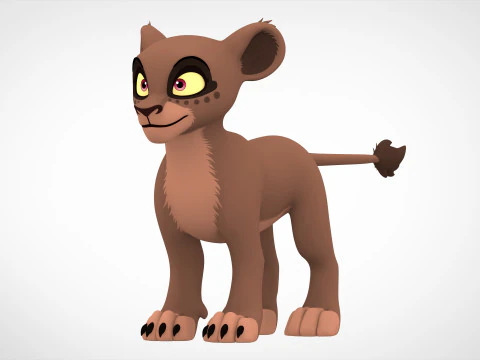


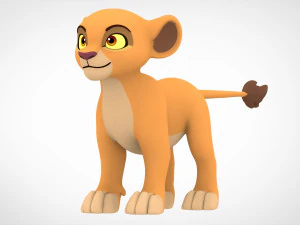


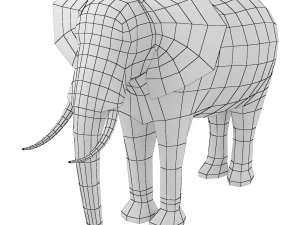

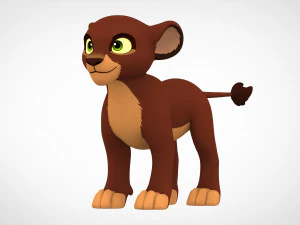













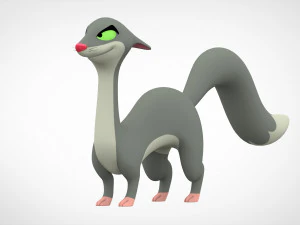
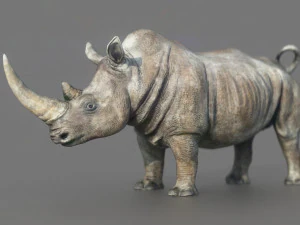
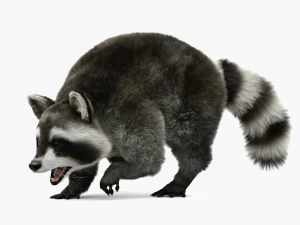


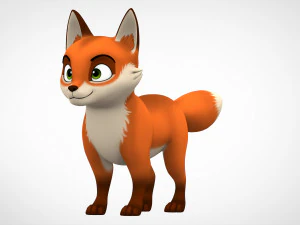


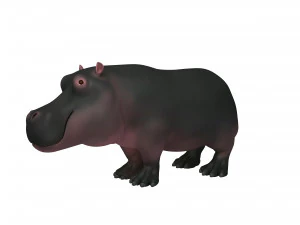
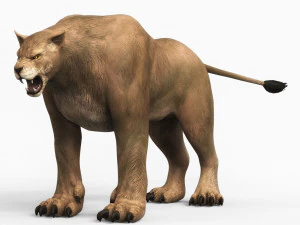

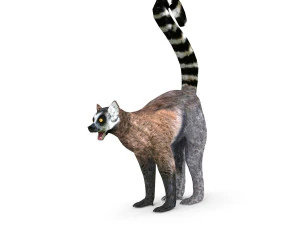


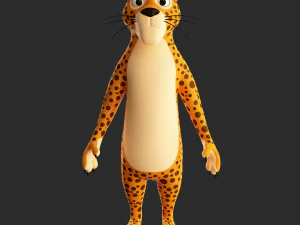


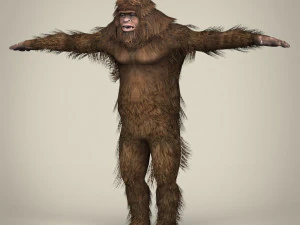


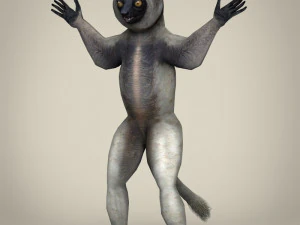
Ricerche di tendenza Modelli 3D:
Scultura Modelli 3D Caratteri Modelli 3D Cucina Modelli 3D Cavallo Modelli 3D Architectural Exteriors Modelli 3D Telefoni e Cellulari Modelli 3D Vegetali Modelli 3D Gioielli Modelli 3D Giocattoli Modelli 3D Medicinali Modelli 3D Elicotteri Modelli 3D Armi Pesanti Modelli 3D Camion Modelli 3D Anatomia Modelli 3DCosa distingue la categoria "Fauna selvatica" dalle altre sottocategorie di animali nel 2026?
Nel 2026, la categoria "Fauna selvatica" funge da hub specializzato per gli animali non addomesticati che si trovano in ecosistemi specifici come la savana africana, la foresta pluviale amazzonica o la tundra artica. A differenza delle categorie "Altro" o "Domestico", le risorse della categoria "Fauna selvatica" sono realizzate con un'attenzione particolare al realismo "a livello di sopravvivenza". Ciò significa che i modelli 3D sono progettati per reggere al vaglio di documentari naturalistici in 4K e giochi di sopravvivenza open-world. Le caratteristiche tecniche includono shader "Environmental Blending", che consentono al manto dell'animale di raccogliere polvere, neve o fango in modo dinamico in base al terreno. Questi modelli sono essenziali per i creatori che necessitano di un set "faunistico" coerente per uno specifico bioma geografico, garantendo che le proporzioni anatomiche e i comportamenti siano scientificamente accurati rispetto alle loro controparti del mondo reale.
In che modo il pelo e la pelle della fauna selvatica esotica sono ottimizzati per il rendering del 2026?
Per la fauna selvatica come leoni, tigri e zebre, lo standard del settore del 2026 prevede un sistema di "Multi-Stage Grooming". I nostri modelli professionali di fauna selvatica presentano hair grooming basato su Alembic per le riprese "Hero", fornendo una simulazione di ciocche individuali che reagiscono al vento e alla luce. Per la pelle, utilizziamo texture UDIM a 8K con mappe "Anisotropy" specializzate per catturare la lucentezza unica delle pelli selvatiche. Per gli animali selvatici senza pelo o a pelo corto come rinoceronti o ippopotami, i creatori utilizzano mappe di spostamento ad alta frequenza e mappe "Cavity" per rendere rughe profonde e texture della pelle consumate. Questi stack di materiali avanzati assicurano che gli animali appaiano organici e realistici in motori di fascia alta come Unreal Engine 5 o renderizzatori offline come V-Ray e Arnold.
<р2>Questi modelli di animali selvatici sono riggati per comportamenti predatori e sociali complessi?Sì, i rig professionali per animali selvatici su 3DExport sono dotati di "Behavioral Skeletal Systems". Nel 2026, questo va oltre i semplici cicli di camminata; include rig specializzati per la caccia (ad esempio, il balzo di un leopardo), la toelettatura e le interazioni sociali. I rig sono spesso costruiti con livelli di "simulazione muscolare" che mostrano la tensione negli arti durante uno sprint o l'espansione del torace durante un ruggito. Per gli sviluppatori di videogiochi, queste risorse sono "AI-Ready", con gerarchie ossee ottimizzate che consentono una perfetta integrazione con le mesh di navigazione e i sistemi di animazione procedurale. Ciò permette comportamenti realistici di "branco" o interazioni predatore-preda essenziali per una narrazione ambientale immersiva nei moderni media digitali.
Posso utilizzare modelli 3D di fauna selvatica per la realtà virtuale educativa e i safari virtuali?
I modelli di fauna selvatica sono una classe di risorse primaria per i mercati in crescita del "turismo virtuale" e dell'"EdTech" del 2026. Poiché molti di questi modelli sono creati utilizzando la fotogrammetria o scansioni biologiche, forniscono un livello di accuratezza senza precedenti per i "safari virtuali" in VR. Forniamo queste risorse in formati ottimizzati per dispositivi mobili come USDZ e GLB, oltre che in FBX di fascia alta per visori come Meta Quest 4 o Apple Vision Pro. I modelli includono spesso "Interaction Sockets" per interfacce utente didattiche, consentendo all'utente di passare il mouse su una parte dell'animale per visualizzarne la funzione biologica. Ciò li rende perfetti per musei digitali, aule scolastiche e programmi di conservazione che cercano di coinvolgere il pubblico con incontri realistici e interattivi con gli animali.
Come vengono trattate le specie selvatiche "in via di estinzione" o "estinte" in questa categoria?
Una parte significativa della categoria Fauna selvatica 2026 è dedicata alla "Conservazione digitale". Ciò include ricostruzioni altamente accurate di specie in via di estinzione o di animali recentemente estinti (come il rinoceronte bianco settentrionale). Questi modelli fungono da "Arca digitale", preservando l'aspetto e i movimenti di queste creature per le generazioni future. Per queste risorse specifiche, i nostri collaboratori lavorano spesso con dati biologici per garantire che la struttura scheletrica e l'andatura siano storicamente corrette. Questi modelli 3D sono preziosi per documentari, ricerche e campagne di sensibilizzazione senza scopo di lucro, fornendo un modo per visualizzare e interagire con animali che oggi sono difficili o impossibili da filmare in natura.