


 English
 Español
 Deutsch
 日本語
日本語 Français
 한국의
한국의 Українська
 Italiano
 Nederlands
 Türkçe
 Português
 Bahasa Indonesia
 Русский
 中國
中國 हिंदी
हिंदी
















Dzikiej przyrody - Zwierząt Modele 3D
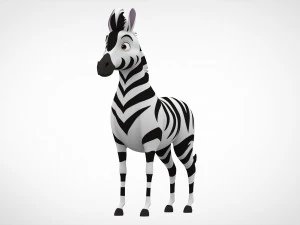
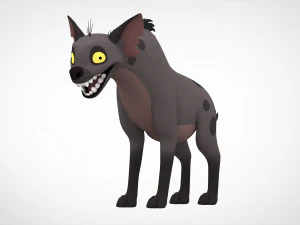
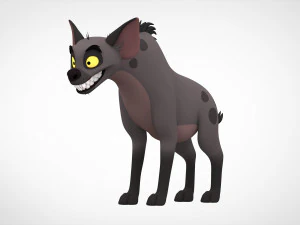
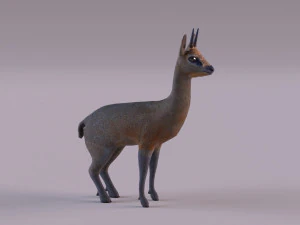
Mamy 1402 produkty/ów Bez opłat licencyjnych Modele 3D. This category contains a wide choice of Wildlife 3D Models - Animals. Any 3D Wildlife model is available in .max, .obj, .c4d, .fbx, .dxf, .dwg, .stl, .iges, .3ds, .mb, .lwo, .3dm, .skp and .blend format. Some of them are ready for 3D Printing & Games.Also you will find a great number of models in Turtle and Amphibians categories.
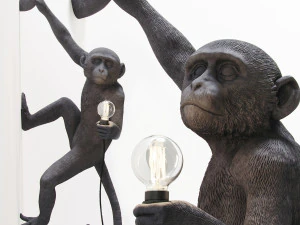 khanir90Wildlife


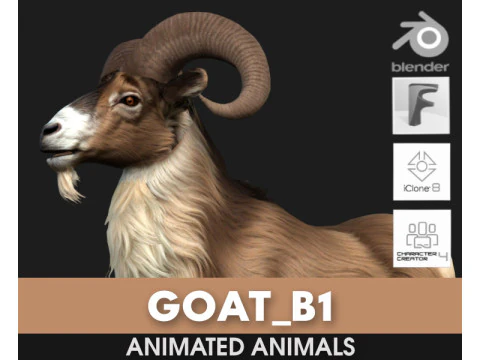


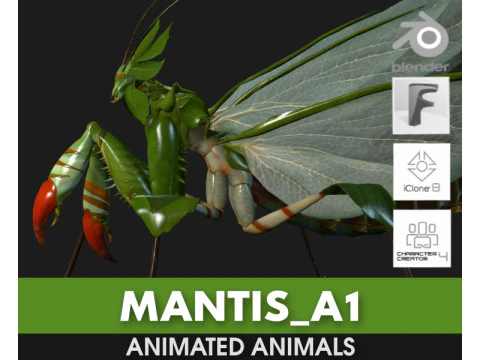


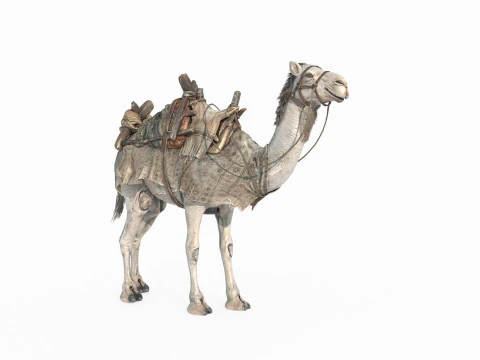





























Popularne wyszukiwania Modele 3D:
Rzeźba Modele 3D Postacie Modele 3D Kuchnia Modele 3D Koń Modele 3D Architektoniczne Zewnątrz Modele 3D Telefon i Komórkowy Modele 3D Warzywo Modele 3D Biżuteria Modele 3D Zabawki Modele 3D Medyczny Modele 3D Śmigłowiec Modele 3D Ciężka Broń Modele 3D Ciężarówka Modele 3D Anatomia Modele 3DCzym kategoria „Dzika przyroda” różni się od innych podkategorii zwierząt w 2026 roku?
W 2026 r. kategoria „Dzika przyroda” służy jako wyspecjalizowane centrum dla zwierząt nieudomowionych występujących w określonych ekosystemach, takich jak afrykańska sawanna, lasy deszczowe Amazonii czy arktyczna tundra. W przeciwieństwie do kategorii „Inne” lub „Domowe”, zasoby z kategorii „Dzika przyroda” są tworzone z naciskiem na realizm na poziomie „survivalowym”. Oznacza to, że modele 3D są zaprojektowane tak, aby sprostać wymaganiom filmów dokumentalnych o przyrodzie w rozdzielczości 4K oraz gier survivalowych z otwartym światem. Funkcje techniczne obejmują shadery „Environmental Blending”, które pozwalają sierści zwierzęcia dynamicznie zbierać kurz, śnieg lub błoto w zależności od terenu. Modele te są niezbędne dla twórców, którzy potrzebują spójnego zestawu „fauny” dla konkretnego biomu geograficznego, zapewniającego, że proporcje anatomiczne i zachowania są naukowo zgodne z ich rzeczywistymi odpowiednikami.
W jaki sposób futro i skóra egzotycznych dzikich zwierząt są zoptymalizowane pod kątem renderowania w 2026 roku?
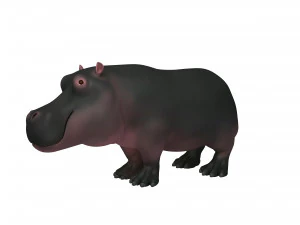
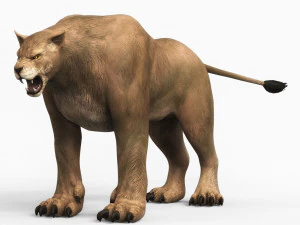
W przypadku dzikich zwierząt, takich jak lwy, tygrysy i zebry, standard branżowy na rok 2026 obejmuje system „Multi-Stage Grooming”. Nasze profesjonalne modele dzikich zwierząt wykorzystują oparte na Alembic systemy upiększania sierści dla ujęć „Hero”, zapewniając symulację poszczególnych pasm sierści, które reagują na wiatr i światło. W przypadku skóry wykorzystujemy tekstury 8K UDIM ze specjalistycznymi mapami „Anisotropy”, aby uchwycić unikalny połysk dzikich skór. W przypadku zwierząt bez sierści lub o krótkiej sierści, takich jak nosorożce czy hipopotamy, twórcy używają map przemieszczenia o wysokiej częstotliwości oraz map „wgłębień”, aby renderować głębokie zmarszczki i tekstury skóry zniszczonej przez warunki atmosferyczne. Te zaawansowane zestawy materiałów zapewniają, że zwierzęta wyglądają naturalnie i realistycznie w wysokiej klasy silnikach, takich jak Unreal Engine 5, lub w rendererach offline, takich jak V-Ray i Arnold.
<р2>Czy te modele dzikich zwierząt są przystosowane do złożonych zachowań drapieżniczych i społecznych?Tak, profesjonalne rigi dzikich zwierząt na 3DExport są wyposażone w „systemy szkieletowe zachowań”. W 2026 r. wykracza to poza proste cykle chodzenia; obejmuje to specjalistyczne rigi do polowania (np. skok lamparta), pielęgnacji i interakcji społecznych. Rig'i są często tworzone z warstwami „symulacji mięśni”, które pokazują napięcie kończyn podczas sprintu lub rozszerzenie klatki piersiowej podczas ryku. Dla twórców gier zasoby te są „gotowe do AI” i zawierają zoptymalizowane hierarchie kości, które pozwalają na płynną integrację z siatkami nawigacyjnymi i proceduralnymi systemami animacji. Pozwala to na realistyczne zachowania „stada” lub interakcje drapieżnik-ofiara, które są niezbędne do wciągającego opowiadania historii w środowisku współczesnych mediów cyfrowych.
Czy mogę wykorzystać modele 3D dzikich zwierząt do edukacyjnych aplikacji VR i wirtualnych safari?
Modele dzikich zwierząt stanowią podstawową klasę zasobów dla rozwijających się rynków „wirtualnej turystyki” i „EdTech” w 2026 roku. Ponieważ wiele z tych modeli jest tworzonych przy użyciu fotogrametrii lub skanów biologicznych, zapewniają one niespotykany dotąd poziom dokładności w przypadku „wirtualnych safari” w VR. Dostarczamy te zasoby w formatach przyjaznych dla urządzeń mobilnych, takich jak USDZ i GLB, a także w wysokiej jakości FBX dla zestawów słuchawkowych, takich jak Meta Quest 4 lub Apple Vision Pro. Modele często zawierają „gniazda interakcji” dla edukacyjnego interfejsu użytkownika — pozwalające użytkownikowi najechać kursorem na część zwierzęcia, aby zobaczyć jego funkcję biologiczną. Dzięki temu idealnie nadają się do cyfrowych muzeów, sal lekcyjnych i programów ochrony przyrody, które chcą zaangażować odbiorców poprzez realistyczne, interaktywne spotkania ze zwierzętami.
Jak traktowane są w tej kategorii „zagrożone” lub „wymarłe” gatunki dzikich zwierząt?
Znaczna część kategorii „Dzika przyroda 2026” poświęcona jest „cyfrowej ochronie przyrody”. Obejmuje to bardzo dokładne rekonstrukcje gatunków zagrożonych wyginięciem lub niedawno wymarłych zwierząt (takich jak nosorożec północny). Modele te służą jako „cyfrowa arka”, zachowując wygląd i ruchy tych stworzeń dla przyszłych pokoleń. W przypadku tych konkretnych zasobów nasi współpracownicy często korzystają z danych biologicznych, aby zapewnić historyczną poprawność budowy szkieletu i chodu. Te modele 3D są nieocenione w filmach dokumentalnych, badaniach naukowych i kampaniach edukacyjnych prowadzonych przez organizacje non-profit, umożliwiając wizualizację i interakcję ze zwierzętami, które obecnie trudno lub niemożliwe jest sfilmować w środowisku naturalnym.