


 English
 Español
 Deutsch
 日本語
日本語 Polska
 Français
 한국의
한국의 Українська
 Italiano
 Türkçe
 Português
 Bahasa Indonesia
 Русский
 中國
中國 हिंदी
हिंदी
















Monster - Karakters 3D Modellen
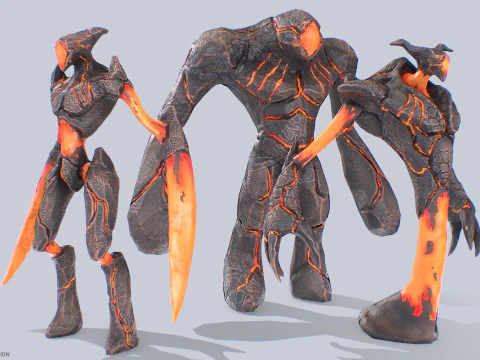
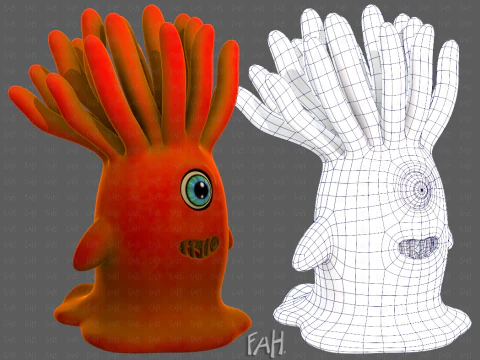
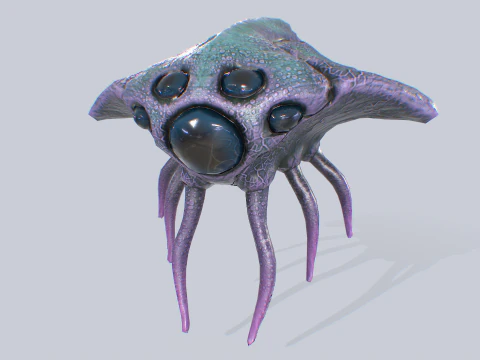
Wij hebben 1979 item(s) Royalty free 3D Modellen. This category contains a wide choice of Monster 3D Models - Fantasy and Sci-fi. Any 3D Monster Fantasy and Sci-fi model is available in .max, .obj, .c4d, .fbx, .dxf, .dwg, .stl, .iges, .3ds, .mb, .lwo, .3dm, .skp and .blend format. Some of them are ready for 3D Printing & Games. Also you will find a great number of models in Robot and Anatomy categories.
 breakermaximusMonster
 breakermaximusMonster

































Populaire zoekopdrachten 3D Modellen:
Standbeelden 3D Modellen Karakters 3D Modellen Keuken 3D Modellen Paard 3D Modellen Architechturale ontwerpen 3D Modellen Telefoon en mobiel 3D Modellen Groente 3D Modellen Juwelen 3D Modellen Speelgoed 3D Modellen Medisch 3D Modellen Helikopter 3D Modellen Zware wapens 3D Modellen Vrachtwagen 3D Modellen Anatomie 3D ModellenWelke technische ontwikkelingen kenmerken "Horror-Ready" monstermodellen in 2026?
In 2026 geven monstermodellen prioriteit aan 'visceraal realisme' door middel van 32-bits displacement maps en micro-oppervlakte details in hoge resolutie. Deze assets richten zich op het macabere en leggen texturen zoals rottend vlees, blootliggende spiervezels en chitineuze exoskeletten met extreme helderheid vast. Een belangrijk kenmerk is het "Wetness"-shadersysteem, dat brekingsindexen gebruikt om speeksel, bloed of slijm op het oppervlak van het wezen te simuleren. Dit zorgt ervoor dat wanneer het monster in een donkere omgeving door een spotlight wordt geraakt, de spiegelende highlights reageren op een manier die tastbaar "organisch" en bedreigend aanvoelt. Dit detailniveau is essentieel voor de "Jump Scare"-getrouwheid die vereist is in moderne horrorfilms en VR-games, waar de kijker zich vaak in de directe nabijheid van het beest bevindt.
Hoe worden monster-rigs ontworpen voor niet-traditionele anatomie en transformaties?
Monster-rigging in 2026 maakt vaak gebruik van "niet-Euclidische" bothiërarchieën om wezens met extra ledematen, meerdere koppen of verschuivende lichaamsdelen te ondersteunen. Deze rigs bevatten complexe "IK/FK"-schakelaars voor tentakels en staarten, evenals "Morph Targets" voor het openklappen van kaken of het uitrekken van de huid. Hierdoor kan het monster tijdens gameplay of filmische sequenties gruwelijke transformaties ondergaan, zoals een openbarstende buik of uit de rug uitbarstende stekels. Deze rigs zijn ook uitgerust met "Jiggle Deformers" voor zacht weefsel, waardoor slappe huid of uitstekende organen met realistisch gewicht en momentum reageren op de bewegingen van het wezen, wat de "Gore"-factor en het algehele gevoel van fysieke aanwezigheid aanzienlijk versterkt.
Hoe wordt "bioluminescentie en emissieve verlichting" gebruikt in het ontwerp van monsters?
Veel monstermodellen uit 2026 maken gebruik van bioluminescentie om een gevoel van buitenaards gevaar te creëren. Dit wordt bereikt door middel van meerlaagse emissieve maskers die ervoor zorgen dat bepaalde delen van het wezen – zoals inwendige organen, ogen of giftige klieren – met licht pulseren. Deze gloeiende gebieden worden vaak geïntegreerd in de "Subsurface Scattering" (SSS)-kaarten, waardoor een "flesh-glow"-effect ontstaat waarbij het licht lijkt te komen uit de diepe weefsels van het wezen. Dit is niet alleen een krachtig visueel hulpmiddel voor horrorverhalen, maar ook functioneel, omdat het kan worden gebruikt om "zwakke plekken" in de mechanica van baasgevechten te benadrukken, waardoor de aandacht van de speler wordt geleid naar kritieke aanvalszones, terwijl de sfeervolle angst van een donkere, door wezens geteisterde omgeving behouden blijft.
Ondersteunen deze monstermodellen dynamische bloed- en wondoverlays?
Ja, professionele 2026-monsterassets bieden ondersteuning voor "Dynamic Damage" door het gebruik van "Vertex Color"-maskers of secundaire UV-kanalen. Hierdoor kunnen ontwikkelaars tijdens gevechten in realtime bloedspatten, open wonden of "verbrande" texturen procedureel toepassen op de mesh van het wezen. De modellen bevatten vaak "Inner Flesh"-geometrie onder de primaire huidlaag, die kan worden onthuld met behulp van "Cutout"-shaders wanneer het monster schade oploopt. Dit niveau van interactieve details biedt essentiële visuele feedback voor spelers en creëert een meer viscerale, reactieve ervaring in actie-horrorspellen, waar de fysieke aftakeling van het monster net zo belangrijk is als zijn oorspronkelijke uiterlijk.
Hoe worden reusachtige monsters geoptimaliseerd voor enorme baasgevechten?
Voor "Colossal"-monsters maken de 2026-modellen gebruik van "Tiled Texture"-workflows en "UDIM"-sets om scherpe details te behouden over enorme oppervlakken. Optimalisatie wordt afgehandeld via agressieve LOD-systemen en "Collision Proxies" die zijn gesegmenteerd per lichaamsdeel, waardoor nauwkeurige trefferdetectie op verschillende delen van het lichaam van de reus mogelijk is. Ondanks hun omvang zijn deze modellen ontworpen om "Performance-Light" te zijn waar het ertoe doet, met behulp van "Nanite"-optimalisatie voor de statische delen van de mesh, terwijl de verwerkingskracht van het skelet wordt gereserveerd voor de primaire ledematen en gezichtsanimaties. Dit maakt enorme, schermvullende monsters mogelijk die met hoge framerates draaien, waardoor de schaal van de confrontatie nooit ten koste gaat van de vloeiende gameplay van een hoogwaardige 2026-titel.