


 English
 Español
 Deutsch
 日本語
日本語 Polska
 Français
 한국의
한국의 Українська
 Italiano
 Türkçe
 Português
 Bahasa Indonesia
 Русский
 中國
中國 हिंदी
हिंदी











Bloemen - Planten 3D Modellen
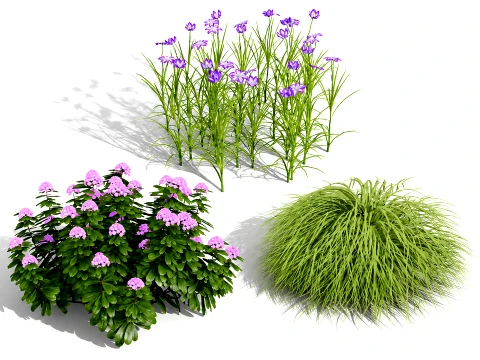
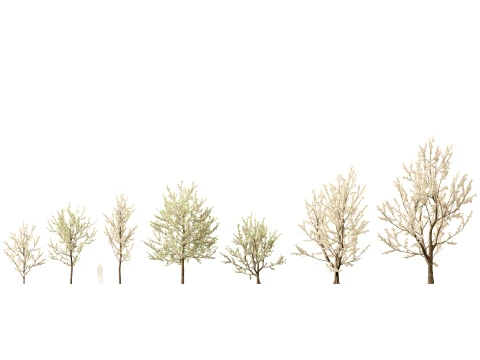
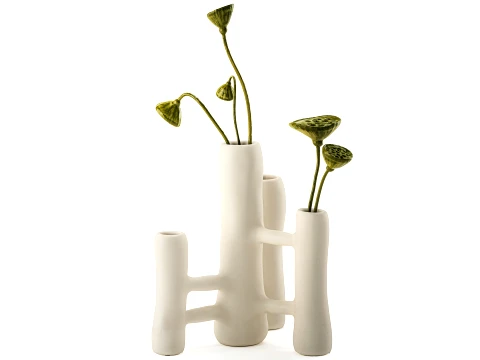
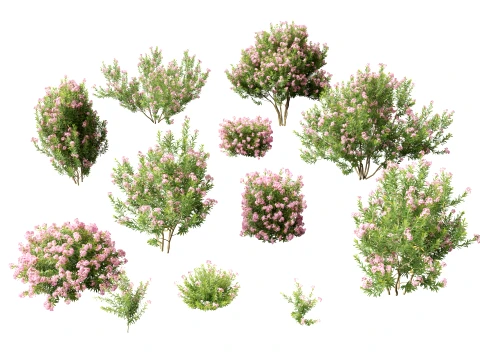
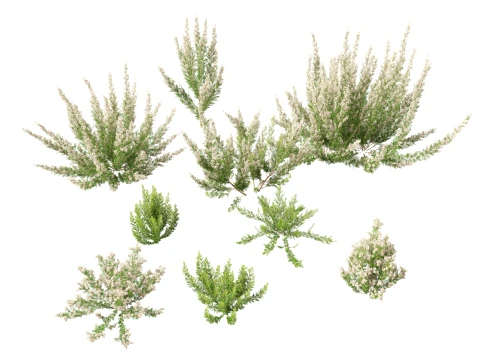
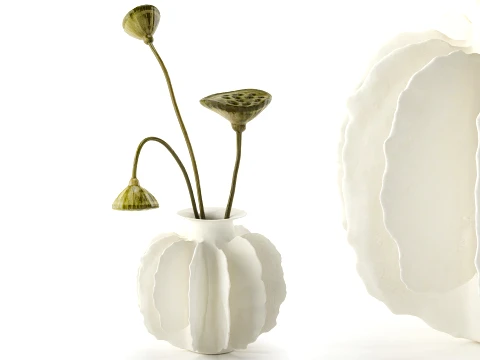
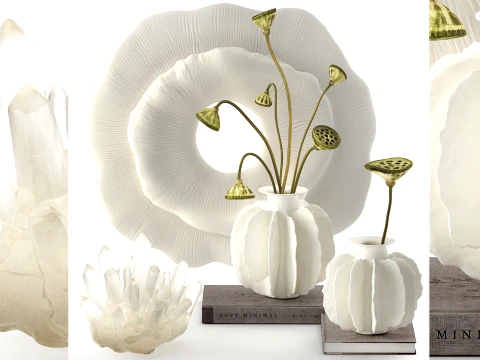
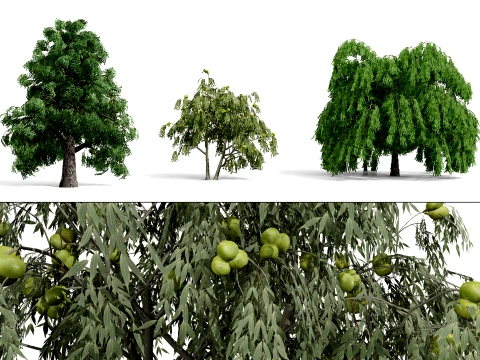
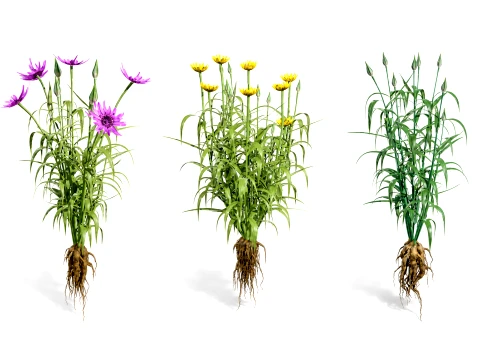
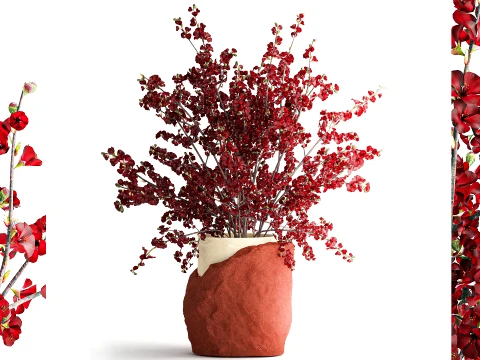
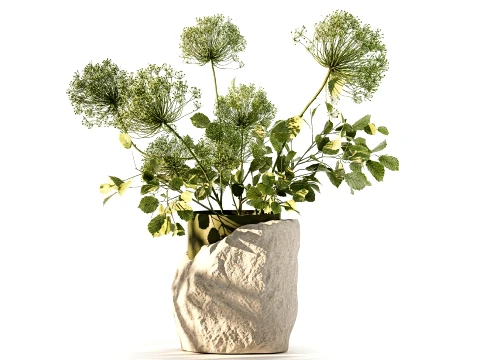
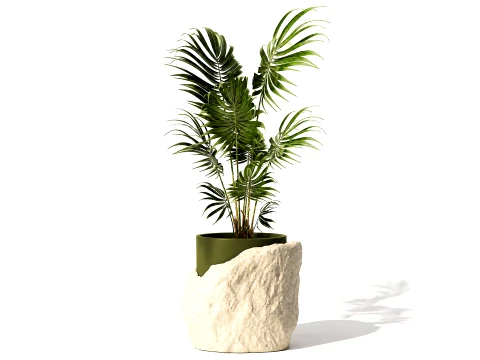
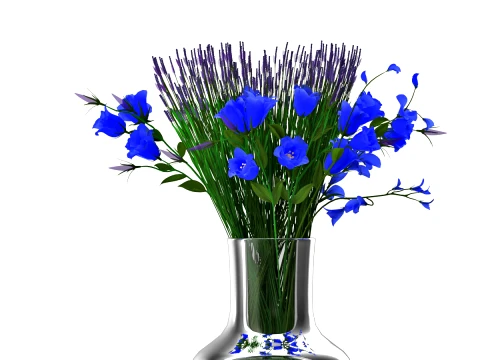
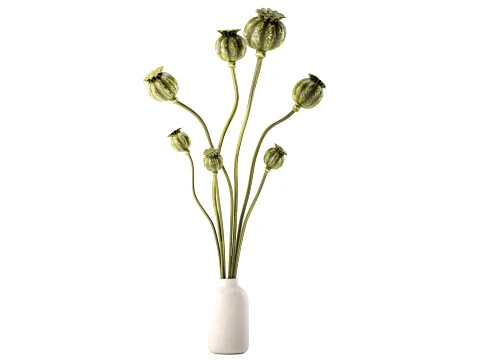
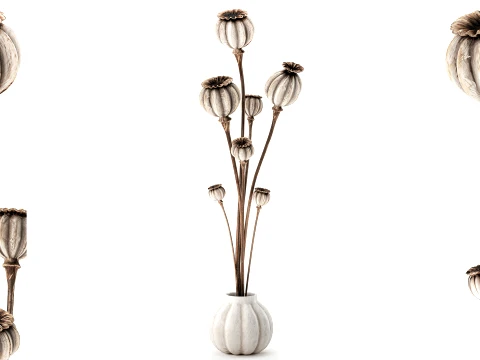
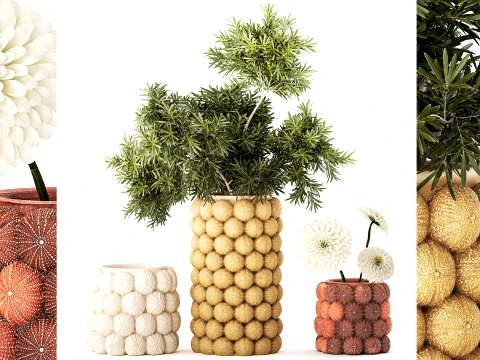
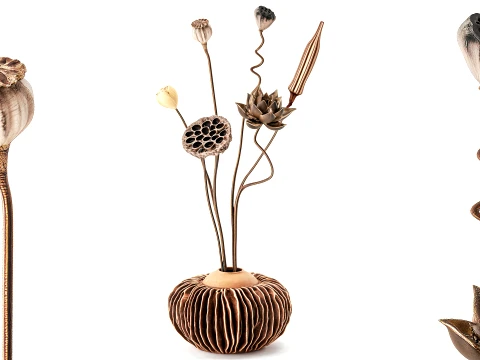
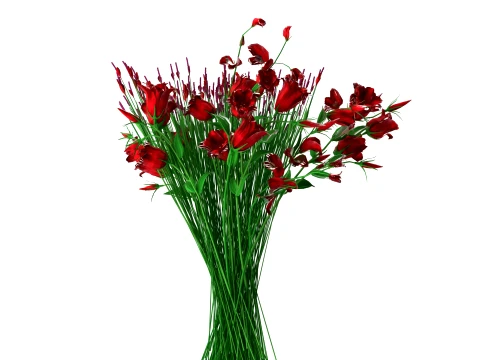
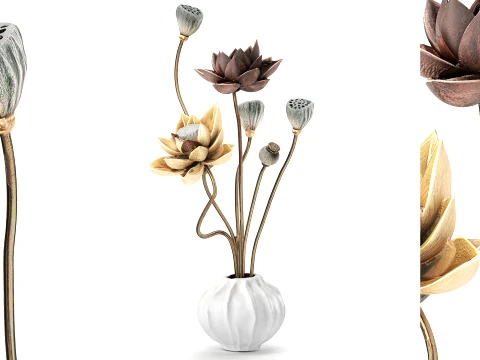
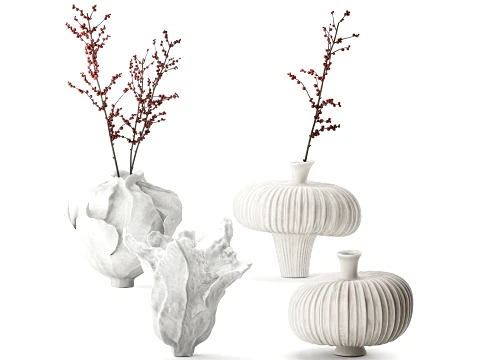
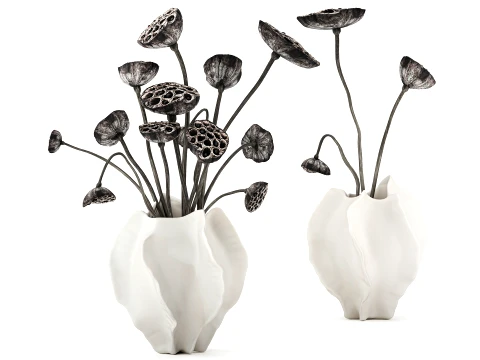
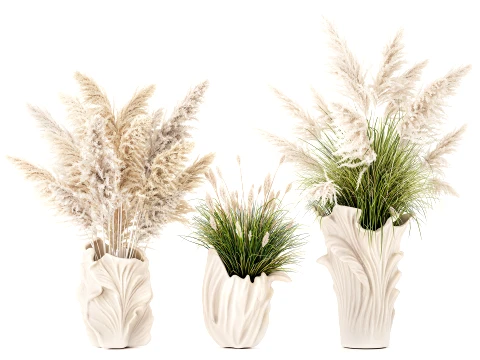
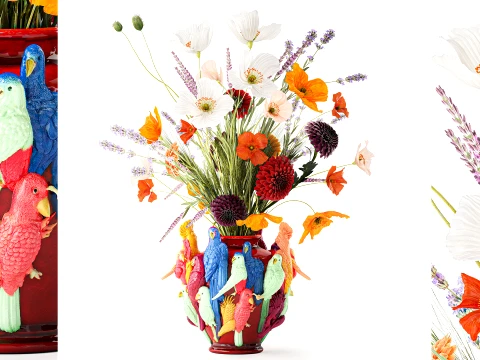
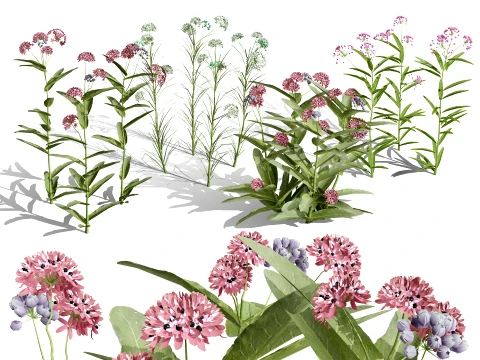
Wij hebben 2510 item(s) Royalty free 3D Modellen. This category contains a wide choice of Flowers 3D Models - Plants. Any 3D Flowers model is available in .max, .obj, .c4d, .fbx, .dxf, .dwg, .stl, .iges, .3ds, .mb, .lwo, .3dm, .skp and .blend format. Some of them are ready for 3D Printing & Games. Also you will find a great number of models in Bush and Grass and ground cover categories.
 deckoratorFlowers
 deckoratorFlowers
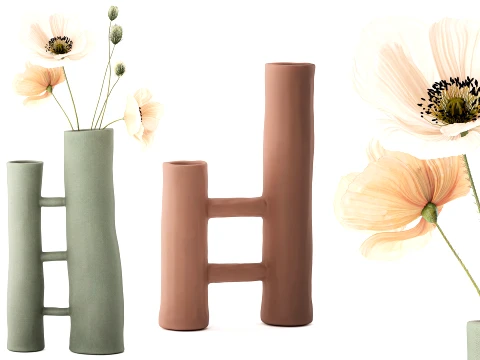 deckoratorFlowers
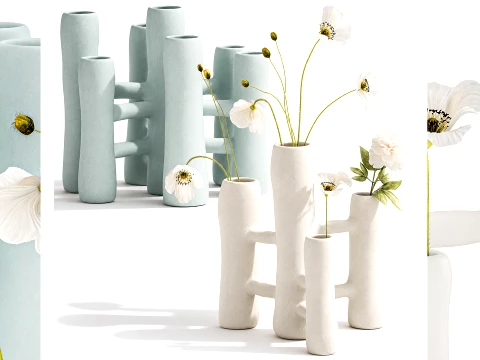 deckoratorFlowers
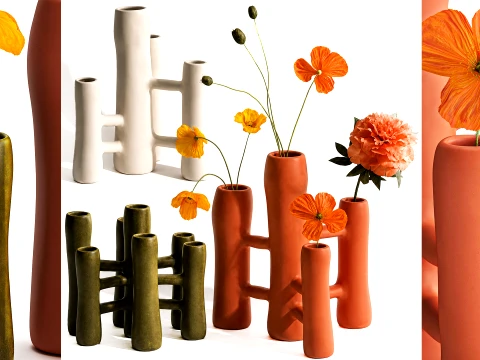 deckoratorFlowers
- -20%
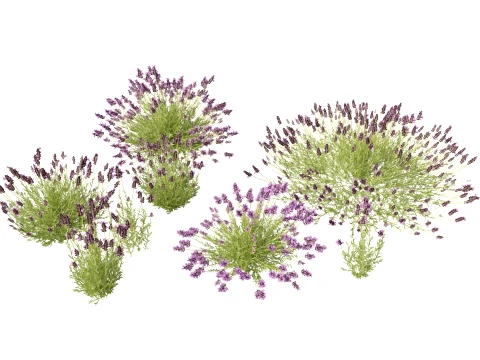 3dgardenplantsFlowers
 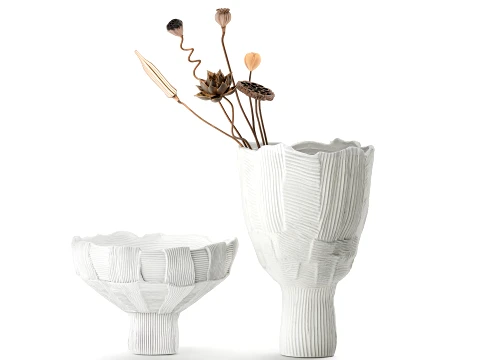 deckoratorFlowers
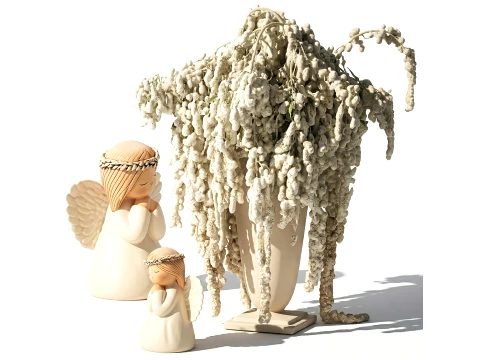
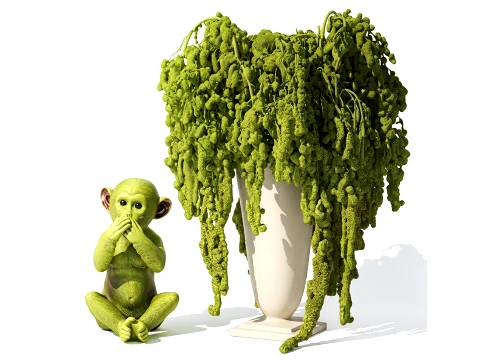
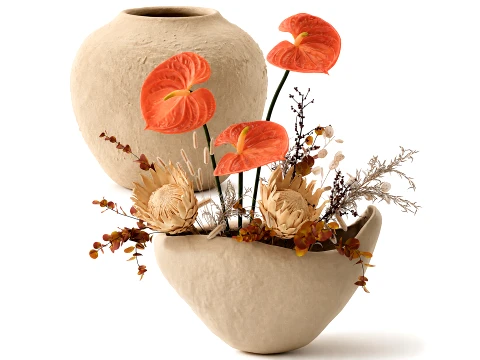
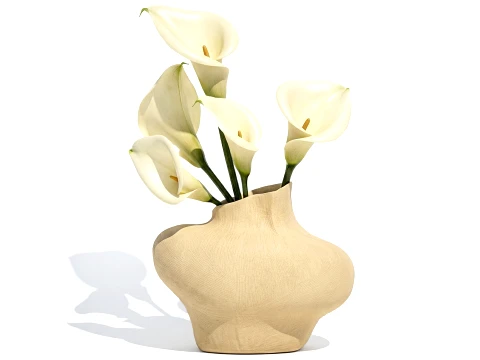
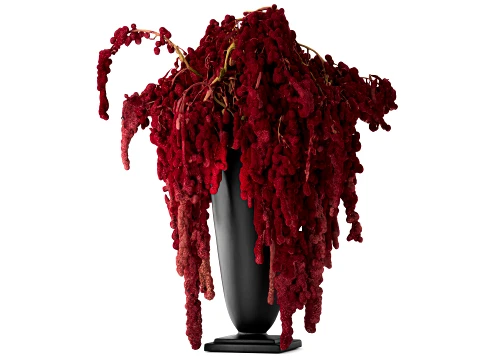
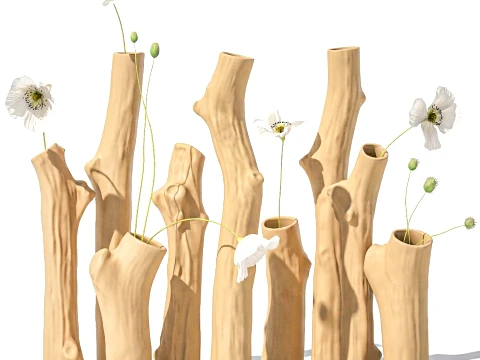
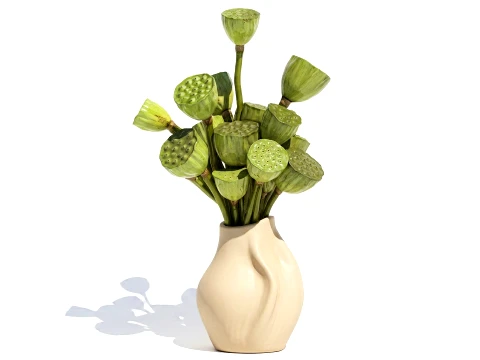
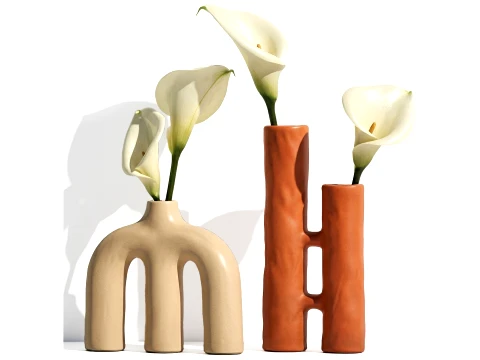
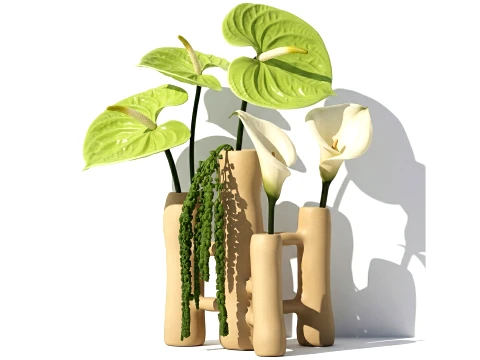
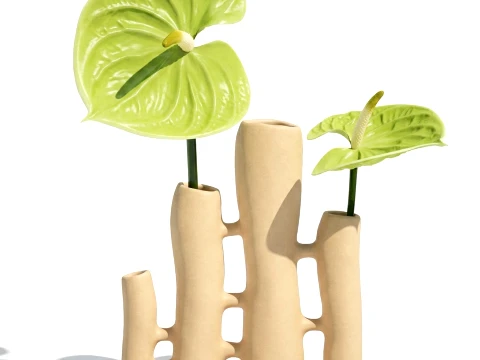
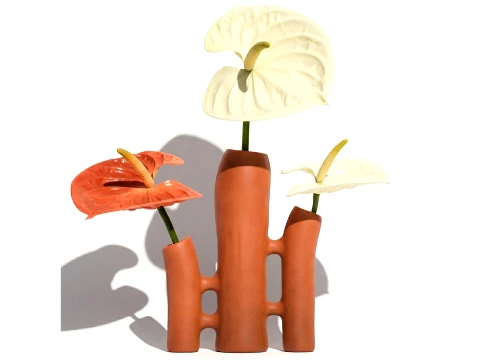
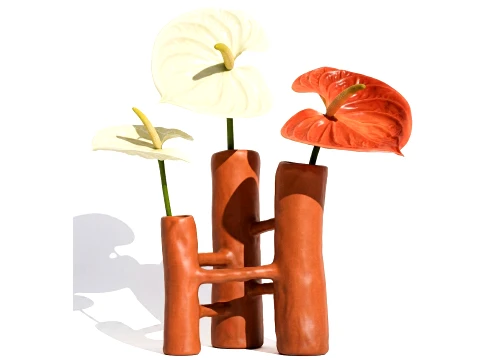
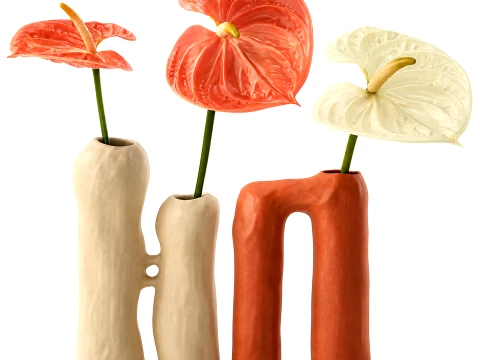
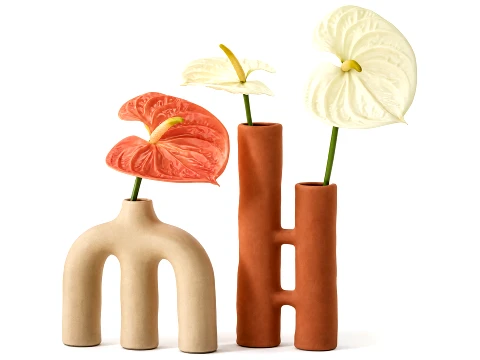
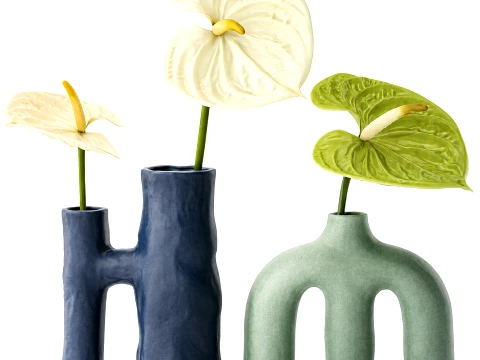
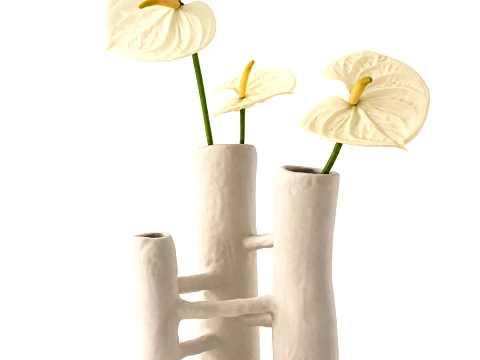
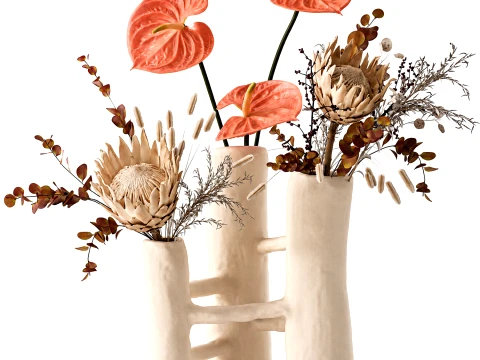
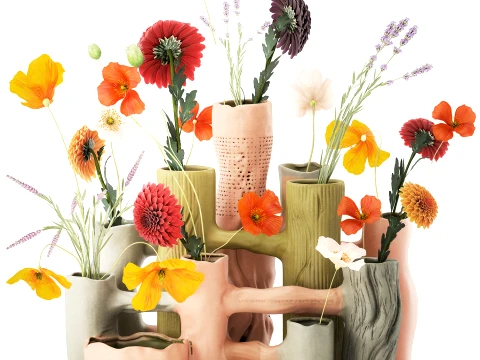
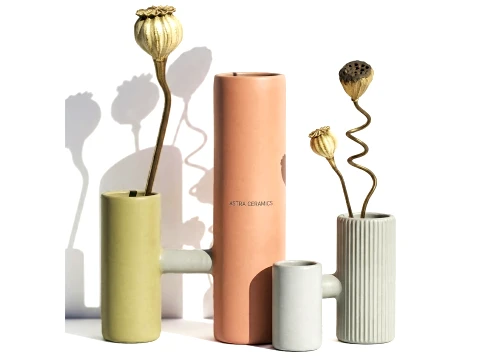
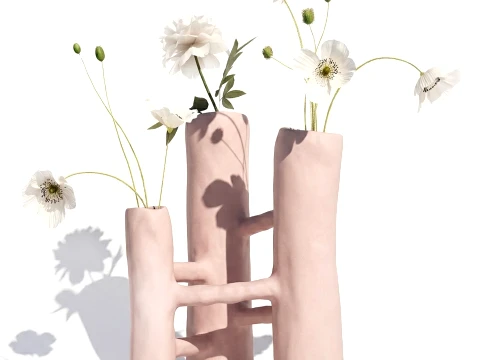
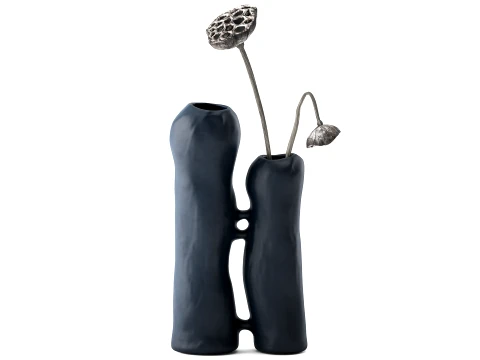
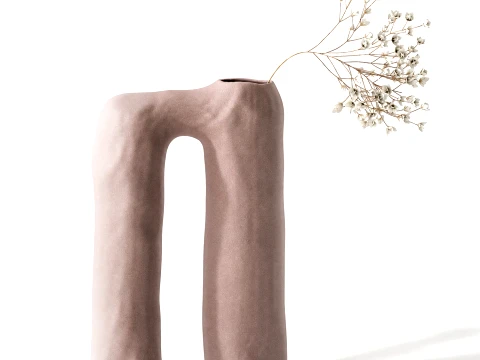
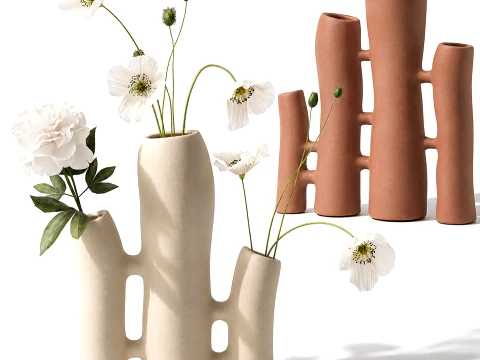
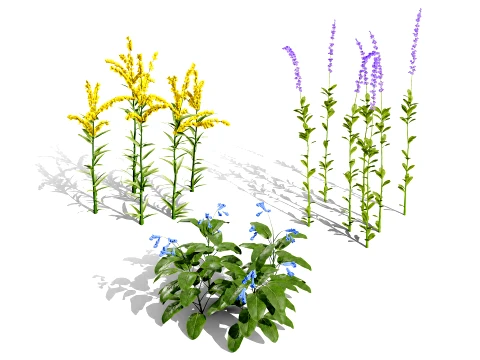
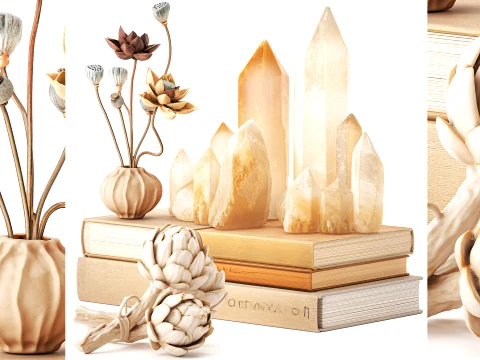
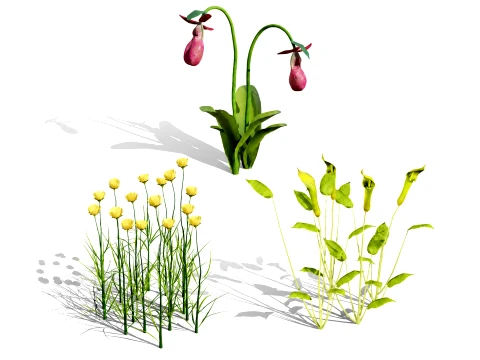
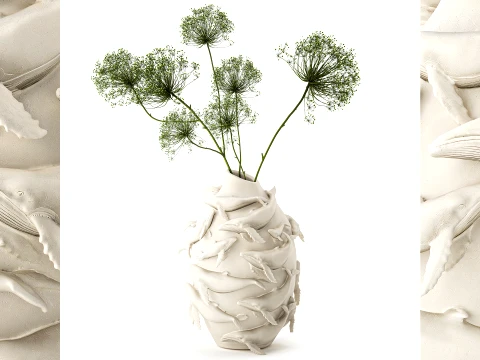
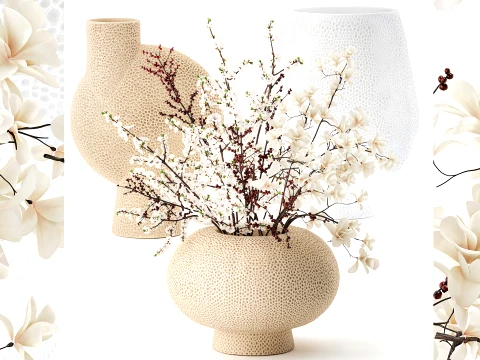
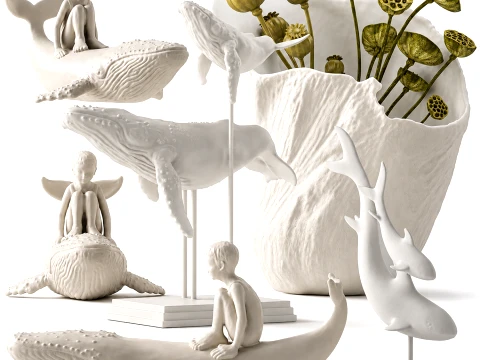
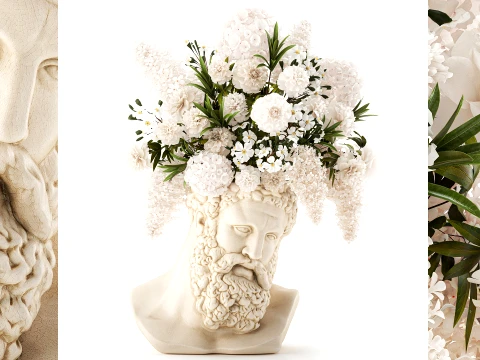
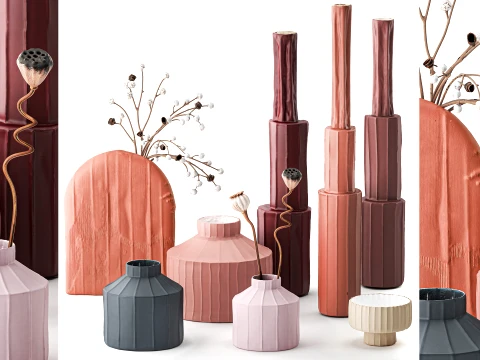

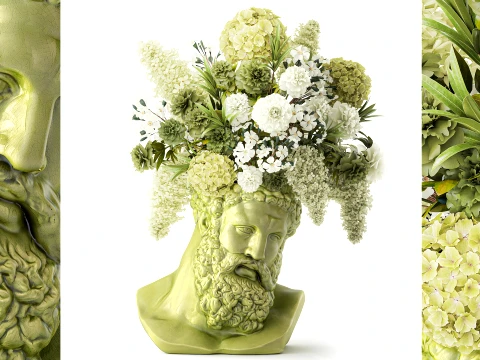
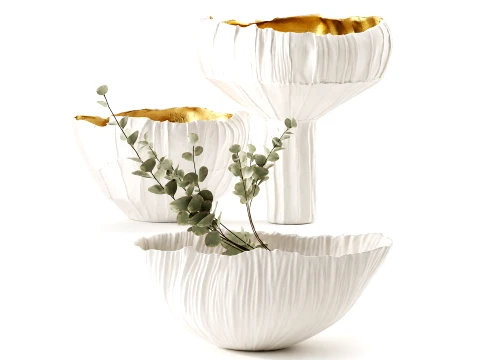
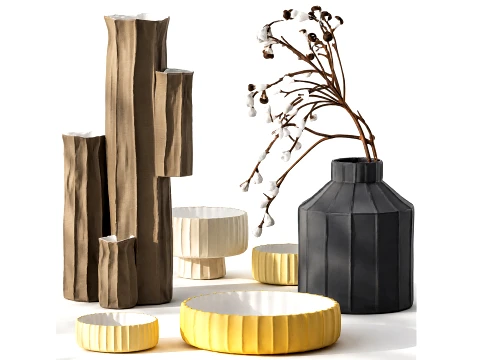
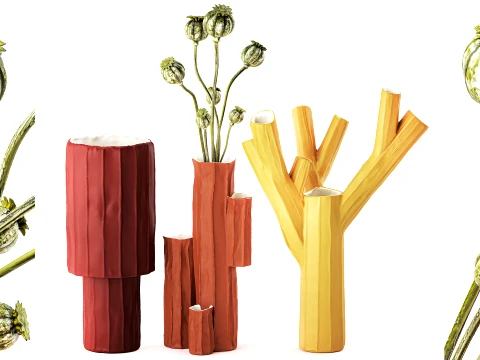
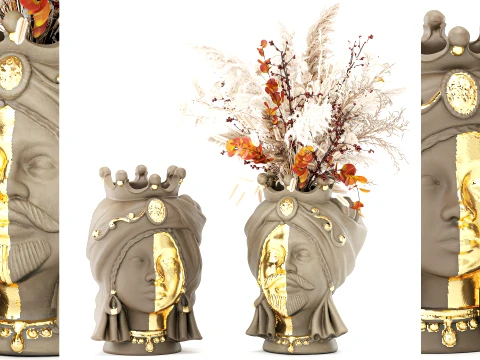
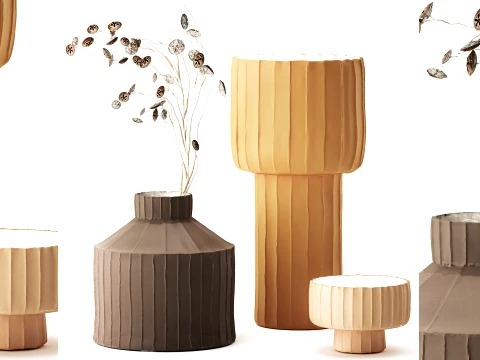

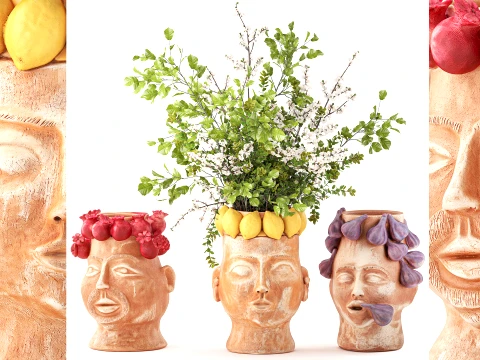
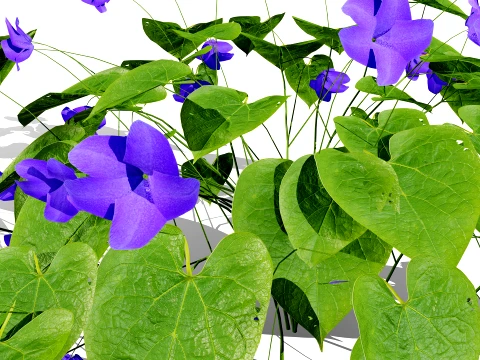
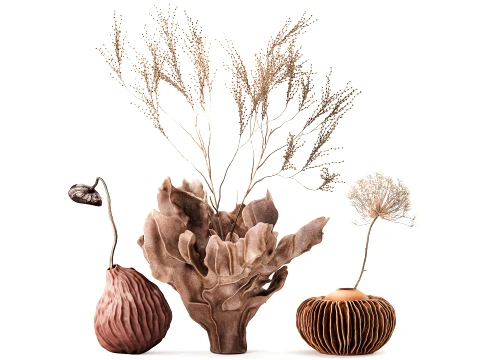
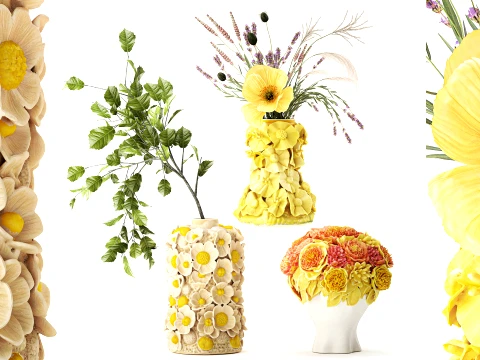
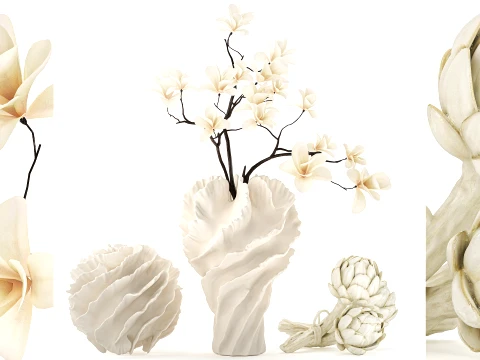
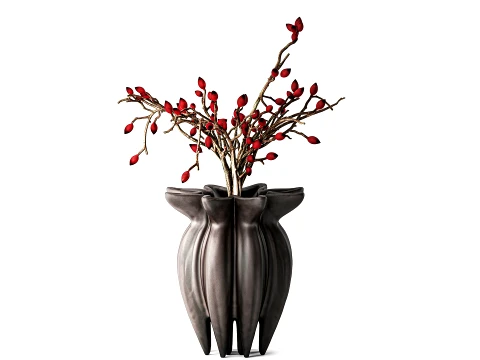
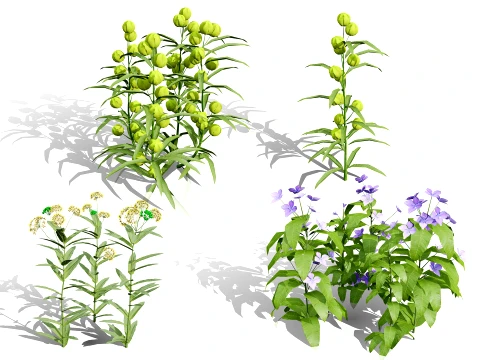
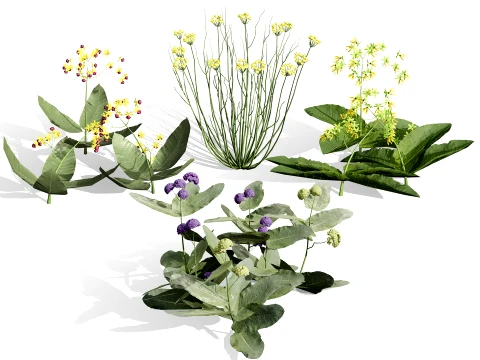
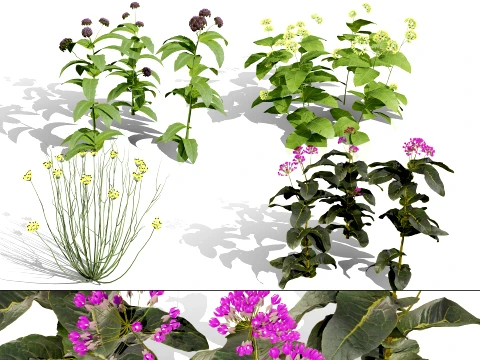
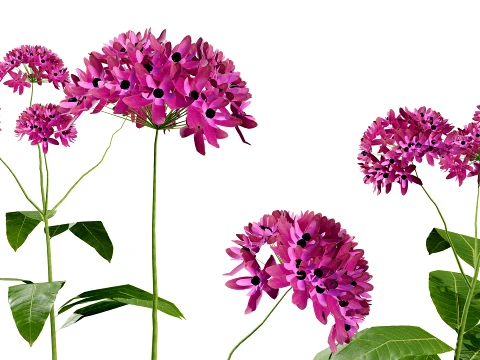
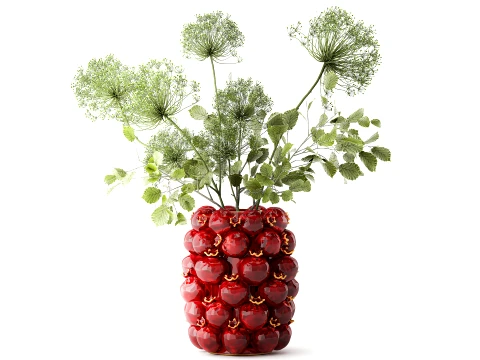
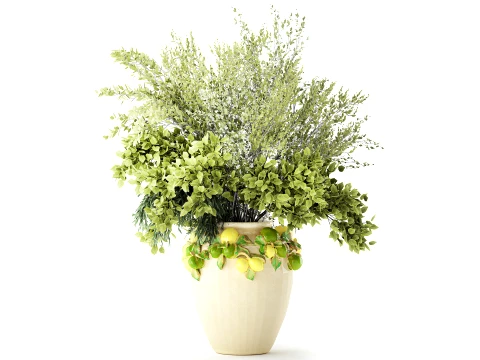
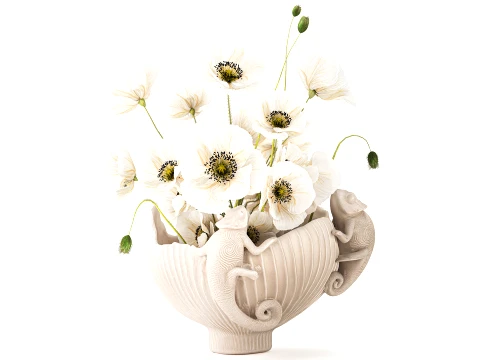
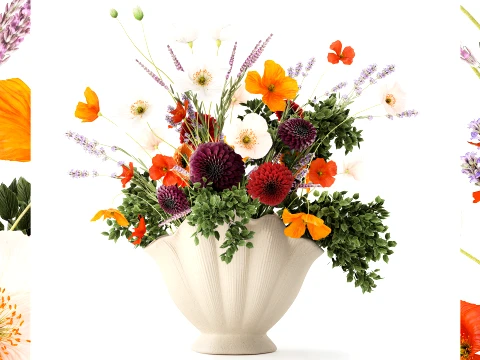
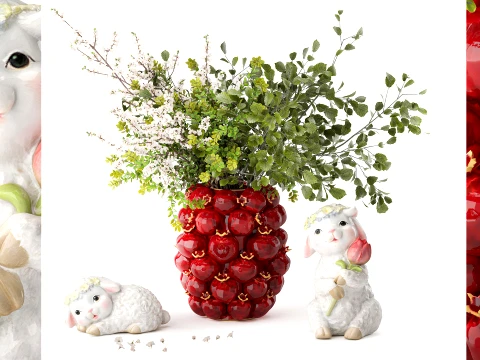
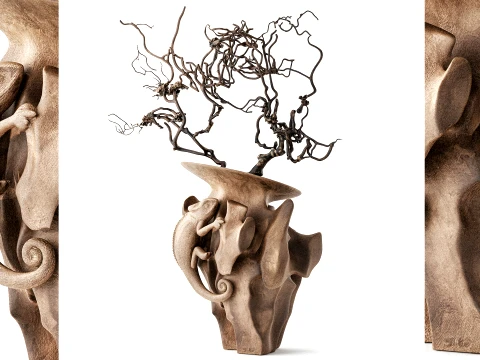
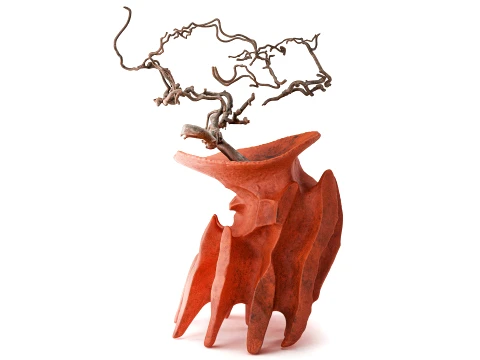
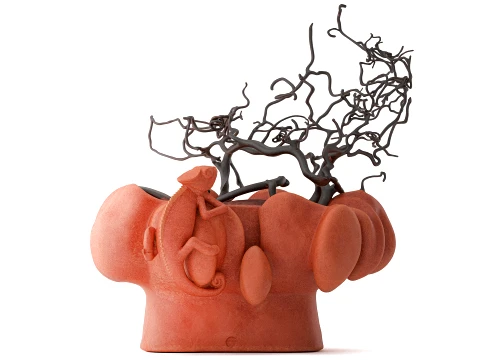
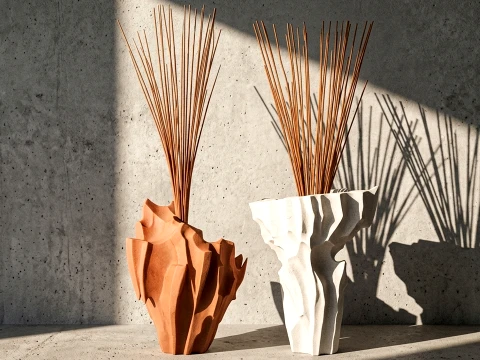
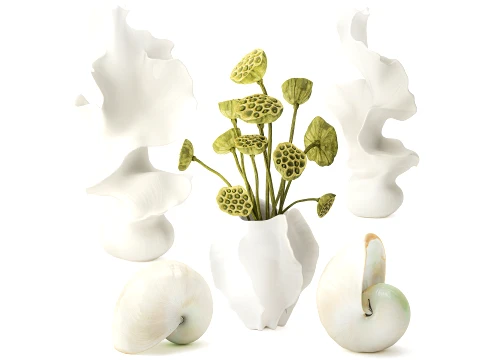
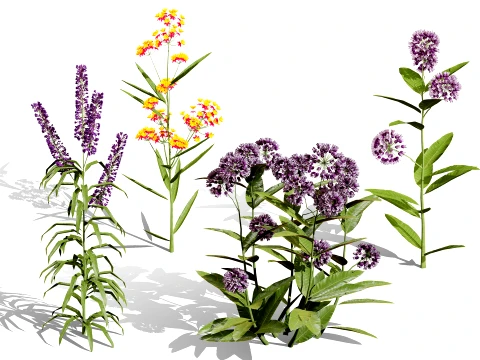
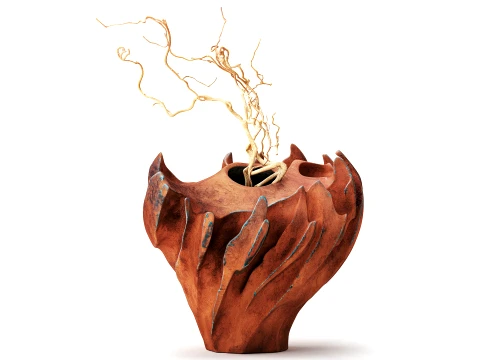
Populaire zoekopdrachten 3D Modellen:
Standbeelden 3D Modellen Karakters 3D Modellen Keuken 3D Modellen Paard 3D Modellen Architechturale ontwerpen 3D Modellen Telefoon en mobiel 3D Modellen Groente 3D Modellen Juwelen 3D Modellen Speelgoed 3D Modellen Medisch 3D Modellen Helikopter 3D Modellen Zware wapens 3D Modellen Vrachtwagen 3D Modellen Anatomie 3D ModellenWelke soorten bloemen zijn opgenomen in de collectie van 2026?
De categorie Bloemen vertegenwoordigt een diverse botanische bibliotheek, met alles van delicate tuinfavorieten zoals rozen, lelies en tulpen tot wilde weideflora zoals klaprozen en korenbloemen. We bieden ook gespecialiseerde kamerplanten zoals orchideeën en vredeslelies. Elk model is ontworpen met het oog op "Micro-Detail", waarbij de ingewikkelde geometrie van meeldraden, stampers en bloemblaadranden is vastgelegd. Deze assets zijn de "Color-Pop" van elke 3D-scène en bieden de verfijnde schoonheid en biologische diversiteit die nodig is voor close-up visualisaties van bruiloften, hoogwaardige interieurdecoraties of weelderige, biodiverse weiderenders voor natuurdocumentaires.
Hoe wordt de delicate textuur van bloemblaadjes in 3D gesimuleerd?
Om de "fluweelzachte" of "satijnachtige glans" van echte bloemen te bereiken, gebruiken we 8K PBR-texturen met high-fidelity ruwheids- en doorschijnbaarheidskaarten. In 2026 leggen we de nadruk op "Thin-Film"-interferentieshaders, die de subtiele iriserende glans van bepaalde bloemblaadjes vastleggen. De materialen zijn gekalibreerd om "Soft-Shadow-Bleed" mogelijk te maken, waardoor de overlappende bloemblaadjes de diepe, verzadigde schaduwen creëren die kenmerkend zijn voor echte bloemtrossen. Dit niveau van technische materiaaldiepte zorgt ervoor dat uw bloemen er zelfs in extreme macro-perspectieven zacht en organisch uitzien, wat een tastbare, realistische kwaliteit oplevert die essentieel is voor renders van high-fashion of luxe producten.
Zijn de bloemen uitgerust voor "Growth and Wilting"-animaties?
Ja, professionele 2026-bloemmodellen worden geleverd met "Maturity-Rigs". U kunt een bloem animeren die uitloopt van een strakke knop tot een volle bloei met behulp van ingebouwde blend shapes. We hebben ook "verwelkingsstadia" toegevoegd, waarbij de bloemblaadjes hangen en de kleuren vervagen tot bruine, realistische texturen. Deze functionaliteit is een primaire vereiste voor time-lapse-natuursequenties of voor het toevoegen van een "geleefd" gevoel aan een interieur waar bloemen misschien niet helemaal vers zijn. Deze rigs maken dynamische verhalen binnen een scène mogelijk, waarbij levenscycli worden getoond die een laag biologisch realisme en emotionele resonantie toevoegen aan je 3D-omgeving.
Bevatten deze modellen realistisch stuifmeel en omgevingsafval?
Om de "digitaal-perfecte" look te doorbreken, bevatten onze 2026-bloemen optionele "stuifmeelstof"-lagen en "dauwdruppel"-geometrie. U kunt de aanwezigheid van microscopisch kleine waterdruppeltjes op de bloemblaadjes in- of uitschakelen of een laagje stof toevoegen voor bloemen in een buitenomgeving of een verwaarloosde setting. We hebben ook "bloembladvariatie" toegevoegd, waardoor geen twee bloemen in een groep er identiek uitzien; sommige kunnen kleine scheurtjes of unieke kleurvlekjes hebben. Deze willekeur is het kenmerk van professionele botanische assets en zorgt ervoor dat je bloemstukken eruitzien alsof ze uit een echte tuin zijn geplukt in plaats van gekloond te zijn vanuit één digitaal sjabloon.
Hoe worden bloemen geoptimaliseerd voor grootschalige "Field-of-Flowers"-renders?
Voor scènes die duizenden wilde bloemen vereisen, bieden we "Point-Cloud"- en "Billboard-LOD"-versies. Deze 2026-modellen maken gebruik van "Texture-Atlasing", waarbij tientallen bloemvarianten worden opgeslagen op één 16K-kaart om het aantal GPU-draw calls te verminderen. Voor voorgrondelementen behouden we de high-poly-geometrie, maar naarmate de bloemen in de verte verdwijnen, gaan ze naadloos over in geoptimaliseerde proxies die de juiste "bloemkleur" en hoogte behouden. Hierdoor kunt u een uitgestrekte bergweide in volle bloei visualiseren zonder de VRAM van uw systeem te overbelasten, wat een stabiele en efficiënte workflow biedt voor grootschalig omgevingsontwerp en op de natuur gerichte cinematografie.