


 English
 Español
 Deutsch
 日本語
日本語 Polska
 Français
 한국의
한국의 Українська
 Italiano
 Türkçe
 Português
 Bahasa Indonesia
 Русский
 中國
中國 हिंदी
हिंदी
















Wetenschap 3D Print Modellen
Wij hebben 1091 item(s) Royalty free 3D Modellen. U bevindt zich in de categorie 3D-printbare wetenschap, een gloednieuwe collectie van verschillende soorten 3D-printbare wetenschap. Download hier een uitstekend 3D-printbaar wetenschapsmodel uit de categorieën Astronomie en natuurkunde, Biologie, Techniek en Wiskunde. Alle 3D-printbare wetenschappelijke modellen zijn beschikbaar in alle 3D-formaten: .obj, .stl, .iges, .3dm, .skp, .fbx en .blend enz. Neem contact op met ons ondersteuningsteam voor het formaat dat u nodig hebt. Alle 3D-printbare wetenschappelijke modellen zijn gemaakt door professionele kunstenaars. U zult onder de indruk zijn van hun diversiteit en schoonheid. Bekijk de hele categorie en vind precies wat u nodig hebt voor uw 3D-print. Vind andere modellen in de categorieën Miniaturen 3D-printmodellen en Terrein 3D-printmodellen.
 seymen12234Engineering
 serhiishmEngineering
 smtcnyrt2924Engineering
 yassinereyan807Biology
- -20%
 RoboticpartsEngineering
 - -40%
 cody3dAstronomy and Physics
  jmdkamrulislam405Astronomy and Physics
 sloveetoAstronomy and Physics





























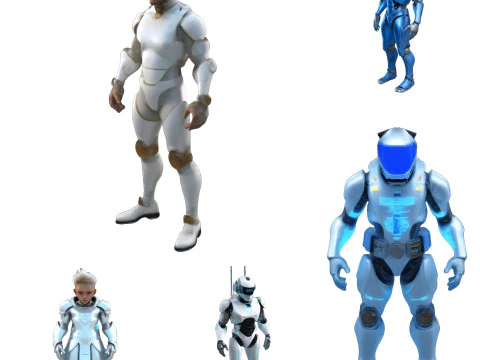
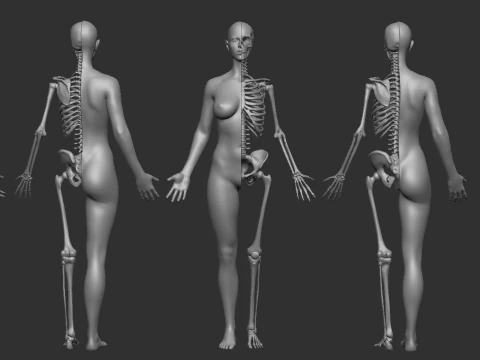
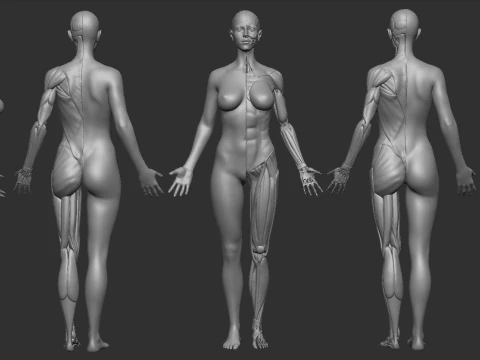
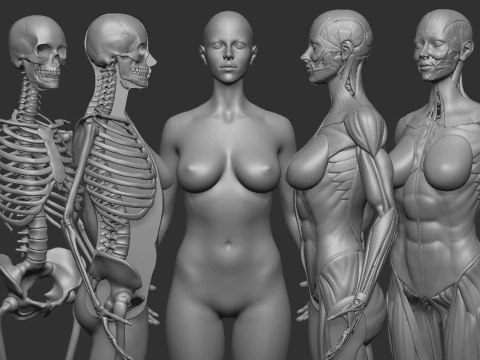





Populaire zoekopdrachten 3D Modellen:
Standbeelden 3D Modellen Karakters 3D Modellen Keuken 3D Modellen Paard 3D Modellen Architechturale ontwerpen 3D Modellen Telefoon en mobiel 3D Modellen Groente 3D Modellen Juwelen 3D Modellen Speelgoed 3D Modellen Medisch 3D Modellen Helikopter 3D Modellen Zware wapens 3D Modellen Vrachtwagen 3D Modellen Anatomie 3D ModellenWelke verscheidenheid aan wetenschappelijke en educatieve modellen is er beschikbaar?
De wetenschapscategorie voor 3D-printen is een gespecialiseerde bibliotheek die is ontworpen voor docenten, onderzoekers en studenten. In 2026 bieden we een breed scala aan modellen, variërend van complexe moleculaire structuren en DNA-strengen tot zeer gedetailleerde laboratoriumapparatuur zoals centrifuges en microscopen. We bieden ook nauwkeurige replica's van geologische monsters en historische wetenschappelijke uitvindingen. Deze modellen zijn essentieel voor het creëren van tastbare leermiddelen die helpen bij het uitleggen van abstracte concepten in de natuurkunde, scheikunde en biologie. Elk bestand is ontworpen met het oog op structurele integriteit, zodat zelfs complexe wiskundige vormen of kwetsend ogende moleculaire bindingen duurzaam genoeg zijn voor gebruik in de klas en fysieke demonstraties.
Hoe nauwkeurig zijn de anatomische en biologische modellen?
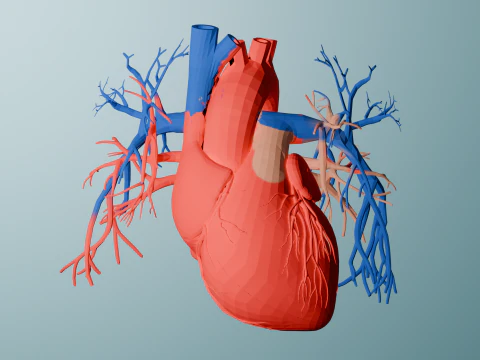
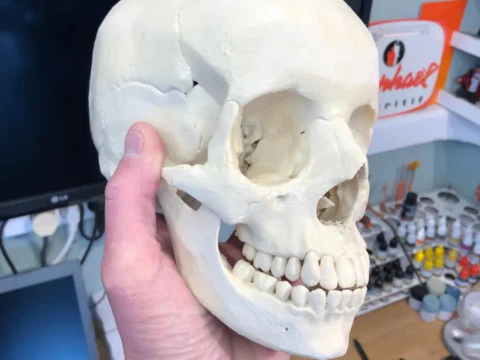
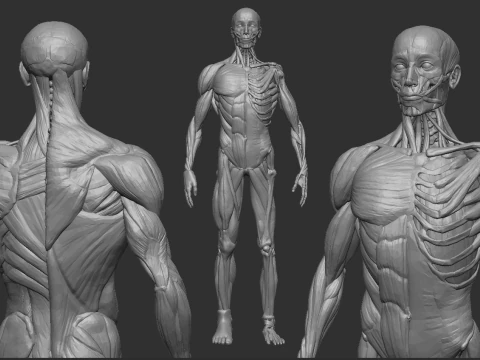
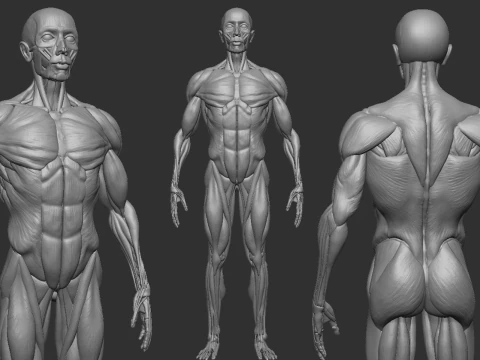
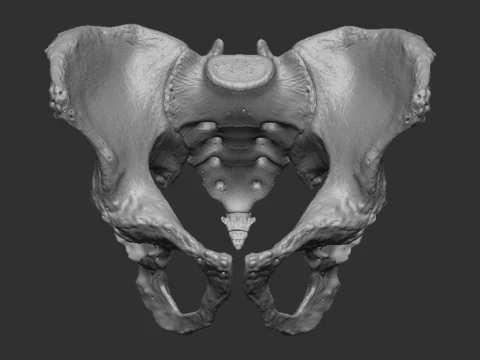
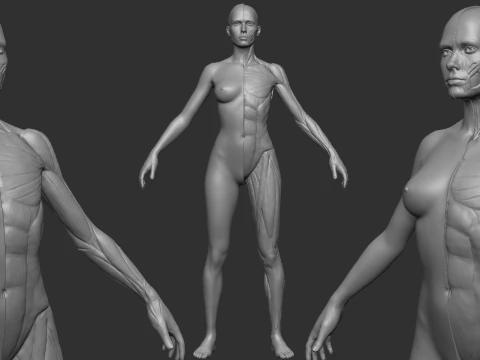
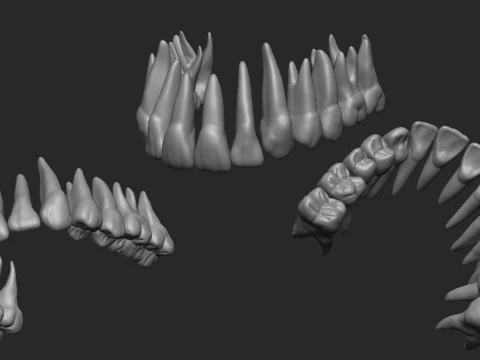
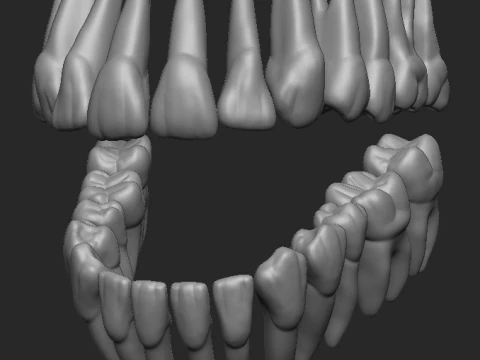
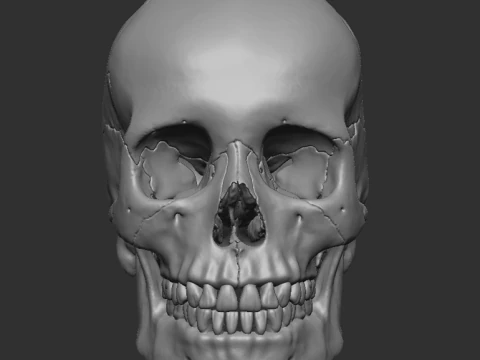
Nauwkeurigheid is een essentiële vereiste voor wetenschappelijke modellen in 2026, en onze collectie omvat anatomische replica’s die zijn gebaseerd op medische scans met hoge resolutie. U vindt er gedetailleerde menselijke botstructuren, orgaansystemen met dwarsdoorsneden en microscopische celmodellen. Deze modellen zijn onmisbaar voor geneeskundestudenten en zorgprofessionals die fysieke prototypes nodig hebben voor studie of patiëntenvoorlichting. De modellen zijn ontworpen om "biologisch consistent" te zijn en geven de werkelijke schaal en complexiteit van organische systemen weer. Dit professionele detailniveau zorgt ervoor dat uw 3D-prints dienen als betrouwbare educatieve hulpmiddelen die de ingewikkelde realiteit van de menselijke en dierlijke biologie nauwkeurig weergeven.
Zijn deze modellen geoptimaliseerd voor verschillende 3D-printtechnologieën?
Ja, onze 2026 wetenschappelijke modellen worden geleverd in formaten die compatibel zijn met zowel FDM- als op hars gebaseerde SLA-printers. We zorgen ervoor dat de geometrie "manifold" en "waterdicht" is, wat essentiële technische vereisten zijn voor een succesvolle print. Voor complexe moleculaire modellen bieden we vaak versies aan met geïntegreerde steunen of modulaire onderdelen die na het printen in elkaar kunnen worden geklikt. Dit maakt het productieproces betrouwbaarder en maakt het mogelijk om veelkleurige wetenschappelijke displays te creëren. Door geoptimaliseerde bestanden aan te bieden, helpen we gebruikers professionele resultaten te behalen, of ze nu een stevig plastic tandwiel voor een natuurkundig experiment printen of een delicate, zeer gedetailleerde eiwitstructuur voor een onderzoekspresentatie.
Kan ik deze modellen gebruiken voor het maken van prototypes van laboratoriumapparatuur?
Absoluut. Veel van onze wetenschappelijke modellen vertegenwoordigen gestandaardiseerde laboratoriumcomponenten die kunnen worden gebruikt als basis voor industrieel ontwerp en prototyping. In 2026 3D-printen onderzoekers vaak op maat gemaakte bevestigingen, beugels en gespecialiseerde behuizingen voor hun experimenten. Onze modellen bieden de precieze afmetingen en pasvormtoleranties die nodig zijn om aan te sluiten op echte laboratoriumapparatuur. Dit maakt snelle iteratie en het creëren van op maat gemaakte wetenschappelijke hulpmiddelen mogelijk tegen een fractie van de kosten van traditionele productie. Het is een essentiële hulpbron voor het moderne laboratorium, waar de mogelijkheid om snel fysieke onderdelen te produceren op basis van hoogwaardige 3D-sjablonen een aanzienlijk voordeel is bij experimenteel ontwerp.
Welke printmaterialen worden aanbevolen voor wetenschappelijke modellen?
Voor de beste resultaten in 2026 raden we aan om materialen te kiezen op basis van het doel van het model. Voor anatomische modellen die fijne details vereisen, is hars met hoge resolutie de professionele keuze. Voor functionele laboratoriumapparatuur of natuurkundige experimenten bieden duurzame filamenten zoals PETG of nylon de nodige sterkte en chemische bestendigheid. Voor educatieve modellen kan het gebruik van "kleurgecodeerde" filamenten helpen om verschillende elementen in een molecuul of verschillende systemen in een anatomisch model te onderscheiden. Deze materiaalkeuzes, in combinatie met onze hoogwaardige 3D-bestanden, zorgen ervoor dat uw wetenschappelijke prints niet alleen visueel indrukwekkend zijn, maar ook functioneel en geschikt voor professioneel gebruik in onderwijs- en onderzoeksomgevingen.