


 English
 Español
 Deutsch
 日本語
日本語 Polska
 Français
 한국의
한국의 Українська
 Italiano
 Nederlands
 Türkçe
 Português
 Bahasa Indonesia
 Русский
 中國
中國
















घरेलु उपकरण - इलेक्ट्रॉनिक्स 3D मॉडल्स
हमारे पास है 1184 आइटम रॉयल्टी फ्री 3D मॉडल्स.
This category contains a wide choice of Household Appliances 3D Models - Electronics. Any 3D Household Appliances model is available in .max, .obj, .c4d, .fbx, .dxf, .dwg, .stl, .iges, .3ds, .mb, .lwo, .3dm, .skp and .blend format. Some of them are ready for 3D Printing & Games. Also you will find a great number of models in Phone and cell phone and Tablet categories.
Apple
Samsung
HTC
LG
Sony
Nokia
Dell
Canon
Nikon
HP
GoPro
Logitech
Olympus
Fujifilm
Lenovo
BlackBerry
Acer
Asus
Huawei
JVC
Kodak
Motorola
Panasonic
Philips
Sharp
Toshiba
Wacom
Amazon
Google
Benq
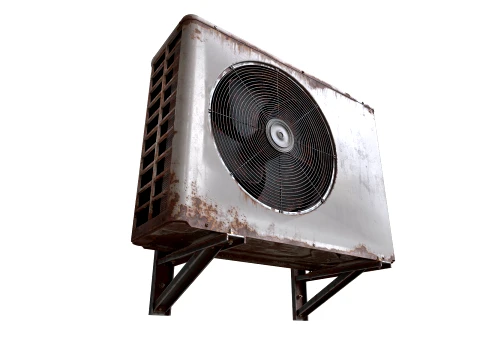
- -50%
 ArchidizerHousehold Appliances
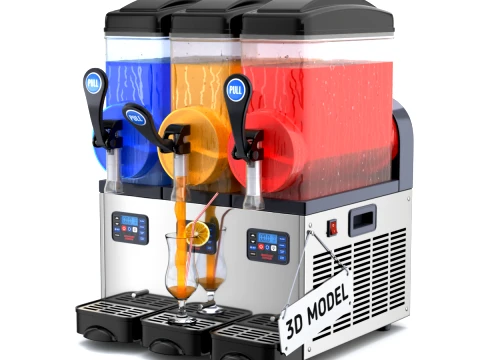
 - -50%
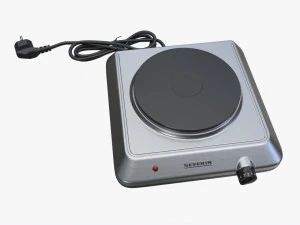
 ZURELHousehold Appliances
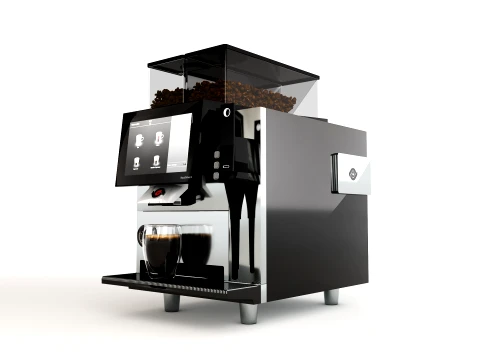
 - -50%
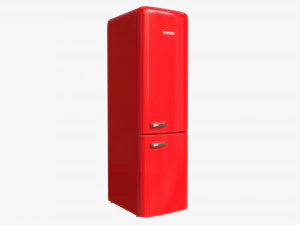
 ArchidizerHousehold Appliances
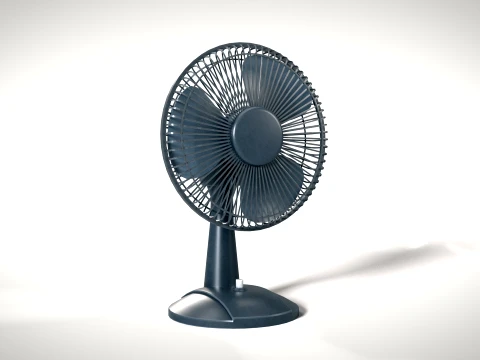
 - -50%
 ArchidizerHousehold Appliances
 - -50%
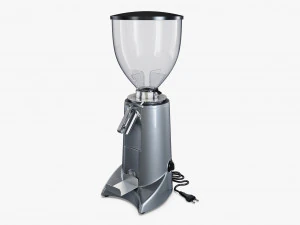
 MurtazaBoyrazHousehold Appliances
 - -50%
 MurtazaBoyrazHousehold Appliances

































ट्रेंडिंग सर्च 3D मॉडल्स:
मूर्तिकला 3D मॉडल्स पात्र 3D मॉडल्स किचन 3D मॉडल्स घोड़ा 3D मॉडल्स आर्किटेक्चरल एक्सटीरियर्स 3D मॉडल्स फ़ोन और सेल फ़ोन 3D मॉडल्स सब्ज़ी 3D मॉडल्स आभूषण 3D मॉडल्स खिलौने 3D मॉडल्स चिकित्सा 3D मॉडल्स हेलीकाप्टर 3D मॉडल्स भारी हथियार 3D मॉडल्स ट्रक 3D मॉडल्स एनाटॉमी 3D मॉडल्स2026 कलेक्शन में "स्मार्ट" अप्लायंस डिटेल के लिए स्टैंडर्ड क्या है?
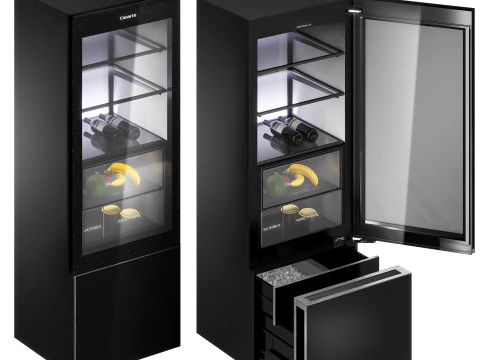
2026 में, घरेलू अप्लायंसेज को उनकी टेक्नोलॉजी और लग्ज़री डिज़ाइन के मेल से पहचाना जाएगा। हमारे मॉडल रेफ्रिजरेटर पर हाई-रिज़ॉल्यूशन टचस्क्रीन इंटरफ़ेस, ओवन पर ट्रांसपेरेंट "स्मार्ट ग्लास", और एस्प्रेसो मशीनों के लिए कॉम्प्लेक्स इंटरनल मैकेनिज्म शामिल करके इसे दिखाते हैं। पुराने 3D एसेट्स के उलट, ये मॉडल "इंटरनल वॉल्यूम" को प्राथमिकता देते हैं, जिसका मतलब है कि अगर आप रेफ्रिजरेटर का दरवाज़ा खोलते हैं, तो आपको LED लाइटिंग, एडजस्टेबल शेल्विंग और प्लास्टिक के डिब्बों और कांच के डिवाइडर के बीच असली मटीरियल कंट्रास्ट के साथ पूरी तरह से मॉडल किया हुआ इंटीरियर मिलेगा। इस लेवल की डिटेल हाई-एंड आर्किटेक्चरल विज़ुअलाइज़ेशन और अप्लायंस कमर्शियल्स के लिए ज़रूरी है, जहाँ कैमरे को स्लीक एक्सटीरियर से फंक्शनल इंटीरियर में आसानी से ले जाने की ज़रूरत होती है।
एनिमेशन के लिए अप्लायंसेज के मैकेनिकल पार्ट्स और दरवाज़ों को कैसे रिग किया जाता है?
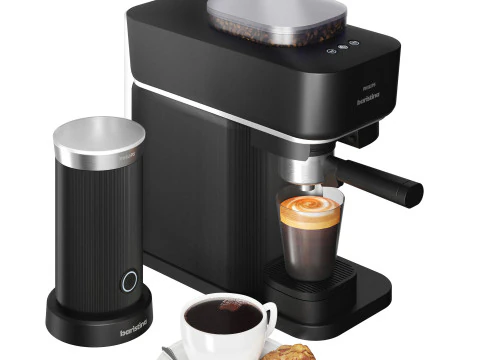
हमारी 2026 कैटेगरी का हर अप्लायंस "फंक्शनली रिग्ड" है। इसका मतलब है कि रेफ्रिजरेटर के दरवाज़े, डिशवॉशर ट्रे और ओवन रैक असली जैसे कब्ज़ों और स्लाइडिंग की रुकावटों के साथ सेट किए गए हैं। रिग्स में "ऑटो-लाइट" ट्रिगर शामिल हैं; उदाहरण के लिए, जब फ्रिज का दरवाज़ा एक खास एंगल पर पहुँचता है, तो अंदर की एमिसिव लाइटें अपने आप तेज़ हो जाती हैं, जिससे किचन के सीन में असली अप्लायंस की तरह रोशनी आती है। वॉशिंग मशीन में रिग्ड ड्रम और डिटर्जेंट ड्रॉअर होते हैं, जबकि कॉफी मशीन में हटाने लायक पानी के टैंक और फिल्टर बास्केट होते हैं। यह फंक्शनैलिटी इंटरैक्टिव VR डेमोंस्ट्रेशन की सुविधा देती है जहाँ यूज़र अप्लायंस को "टेस्ट" कर सकते हैं, या सिनेमैटिक एनिमेशन के लिए जहाँ कोई कैरेक्टर किचन हार्डवेयर के साथ इंटरैक्ट करता हुआ दिखाई देता है।
आप स्टेनलेस स्टील और इनेमल के लिए "प्रीमियम फिनिश" लुक कैसे पाते हैं?
"शोरूम क्वालिटी" रेंडर पाने के लिए एडवांस्ड PBR शेडर्स की ज़रूरत होती है। 2026 अप्लायंसेज के लिए, हम "फिंगरप्रिंट-रेसिस्टेंट" स्टेनलेस स्टील शेडर्स का इस्तेमाल करते हैं जो मेटल के हल्के ग्रेन को सिमुलेट करने के लिए माइक्रो-रफनेस मैप्स का इस्तेमाल करते हैं, जबकि एक स्मूद, प्रीमियम शीन बनाए रखते हैं। इनेमल सरफेस "डुअल-लेयर" अप्रोच का इस्तेमाल करते हैं: एक बेस कलर लेयर और डीप फ्रेस्नेल रिफ्लेक्शन के साथ एक हाई-ग्लॉस क्लियरकोट। यह पक्का करता है कि अप्लायंस आस-पास के माहौल को एकदम क्लैरिटी के साथ रिफ्लेक्ट करे, जो इन मॉडल्स को ब्राइट, मॉडर्न किचन रेंडर्स में रखने के लिए ज़रूरी है। हम ग्लास ट्रांसपेरेंसी के लिए स्पेशलाइज्ड मैप्स और स्टोवटॉप्स के लिए "हीट-ग्लो" एमिसिव्स भी शामिल करते हैं, जिससे आप अप्लायंस को ऑपरेशन के अलग-अलग स्टेट्स में विज़ुअलाइज़ कर सकते हैं।
क्या रोबोटिक उपकरण, जैसे वैक्यूम और लॉनमूवर, मूवमेंट के लिए तैयार किए गए हैं?
हाँ, 2026 कलेक्शन में कई तरह के ऑटोनॉमस घरेलू रोबोट शामिल हैं। इन मॉडल्स में "ऑल-टेरेन" व्हील सिस्टम और आर्टिकुलेटेड ब्रश लगे हैं। रोबोटिक वैक्यूम क्लीनर के लिए, हम "सेंसर-लॉजिक" रिग शामिल करते हैं, जहाँ IR सेंसर और बंपर अलग-अलग, एनिमेटेबल पार्ट्स होते हैं। इन एसेट्स में अक्सर ArchViz यूज़र्स के लिए "पाथ-फॉलो" स्क्रिप्ट दी जाती हैं, जिससे रोबोट एनिमेशन में ऑटोमैटिकली 3D फ्लोरप्लान को नेविगेट कर सकता है। यह एक आर्किटेक्चरल रेंडर में "लाइफ" की एक लेयर जोड़ता है, जो एक मॉडर्न घर के ऑटोमेशन को दिखाता है। मटीरियल में "डस्ट एंड डेब्रिस" मास्क भी शामिल हैं, जिससे आप ब्रश पर रियलिस्टिक गंदगी जमा होने के साथ रोबोट को "वर्किंग" स्टेट में दिखा सकते हैं।
इन मॉडलों को बड़े पैमाने के आर्किटेक्चरल प्रोजेक्ट्स के लिए कैसे ऑप्टिमाइज़ किया जाता है?
हालांकि हम क्लोज़-अप के लिए लाखों पॉलीगॉन वाले "हीरो-टियर" मॉडल देते हैं, हम समझते हैं कि एक ArchViz सीन में दर्जनों अप्लायंस हो सकते हैं। इसलिए, हमारे 2026 घरेलू मॉडल में "प्रॉक्सी-ऑप्टिमाइज़्ड" वर्शन शामिल हैं। ये वर्शन "बेक्ड मेश" टेक्नोलॉजी का इस्तेमाल करते हैं, जिसमें वेंट और हैंडल-अटैचमेंट जैसी मुश्किल डिटेल्स को हाई-फिडेलिटी नॉर्मल मैप में बेक किया जाता है, जिससे प्रीमियम सिल्हूट खोए बिना पॉलीगॉन की संख्या को काफी कम किया जा सकता है। ये मॉडल Unreal Engine 5 के Nanite और Unity के लेटेस्ट हाई-डेफिनिशन पाइपलाइन के साथ पूरी तरह कम्पैटिबल हैं। यह पक्का करता है कि भले ही आप एक जैसे किचन वाले बड़े अपार्टमेंट कॉम्प्लेक्स को रेंडर कर रहे हों, आपके फ्रेम रेट ज़्यादा रहें और आपकी मेमोरी का इस्तेमाल प्रोफेशनल लिमिट में रहे।