


 English
 Español
 Deutsch
 日本語
日本語 Polska
 Français
 한국의
한국의 Українська
 Italiano
 Nederlands
 Türkçe
 Português
 Bahasa Indonesia
 Русский
 中國
中國
















कमर्शियल - वाटरक्राफ्ट 3D मॉडल्स
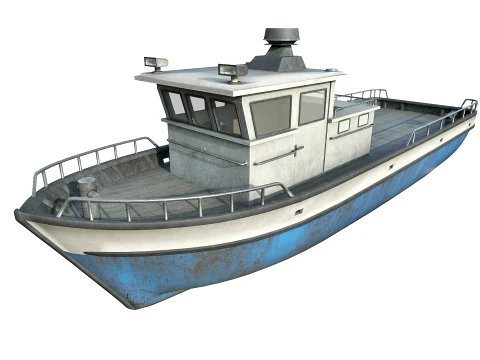
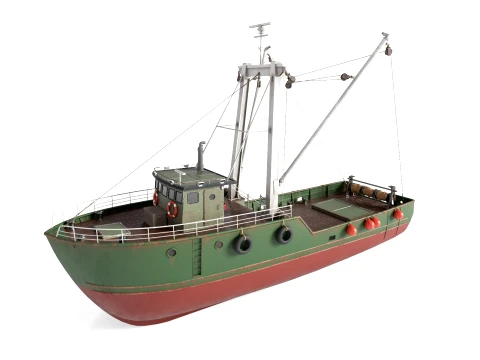
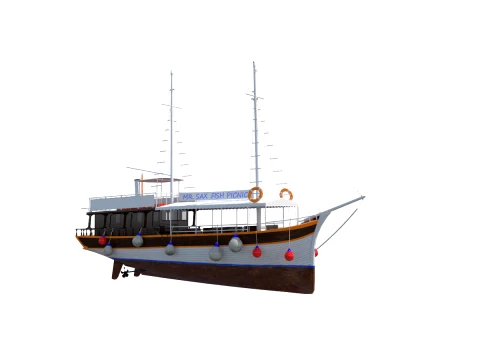
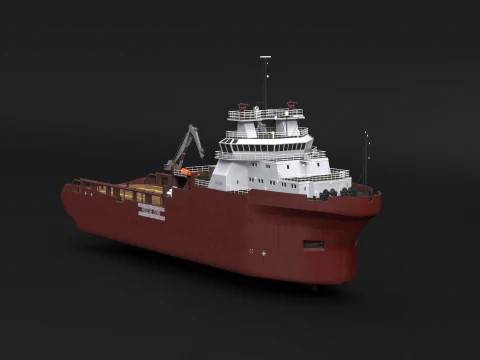
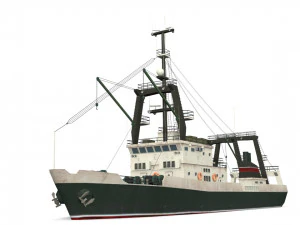
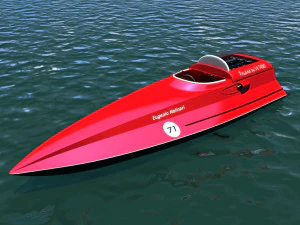
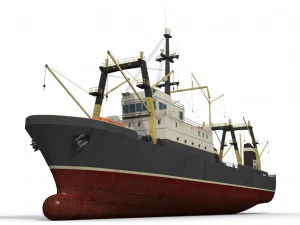
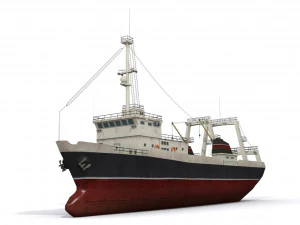
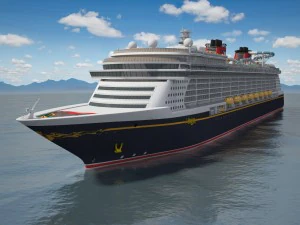
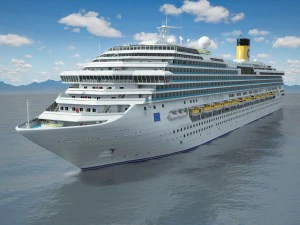
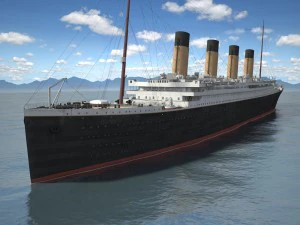
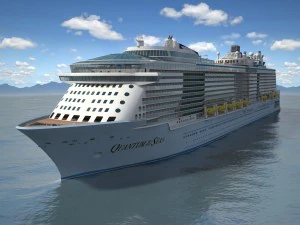
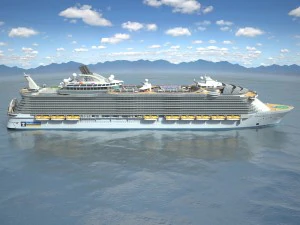
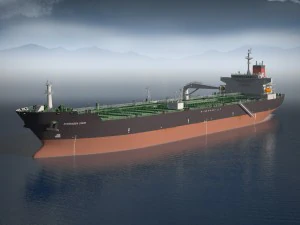
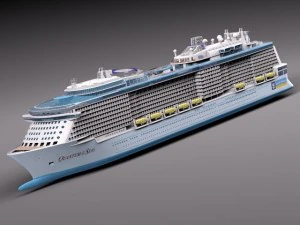
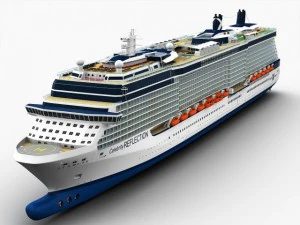
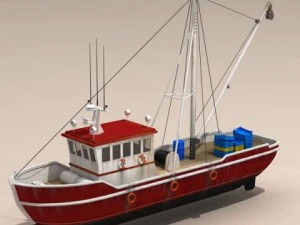
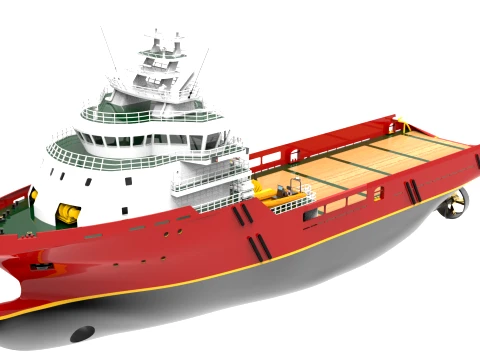
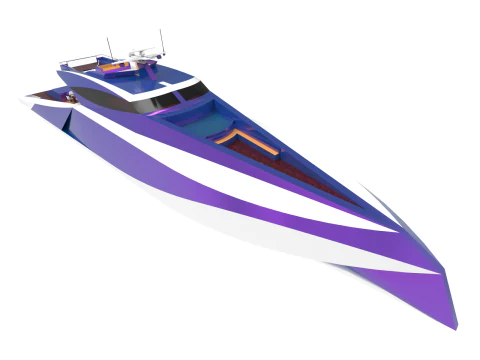
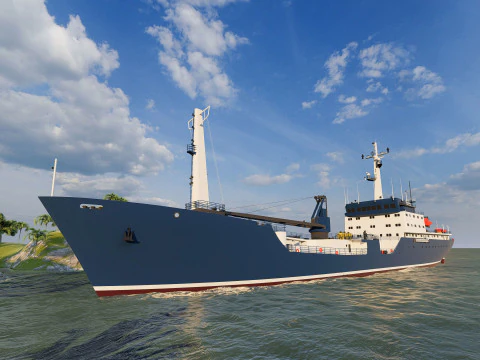
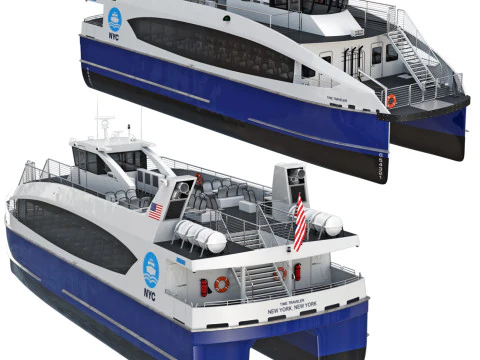
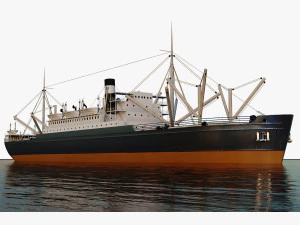
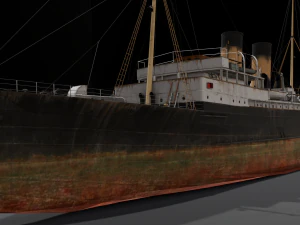
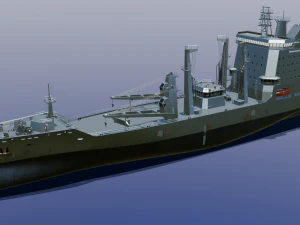
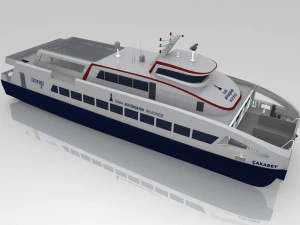
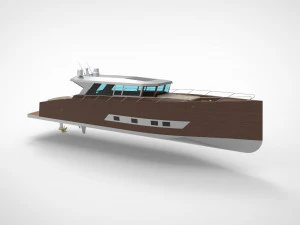
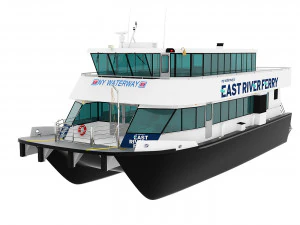
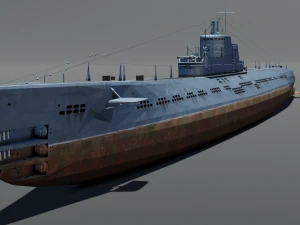
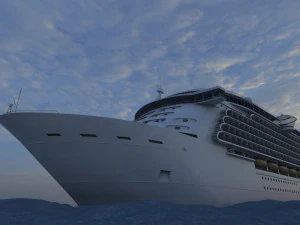
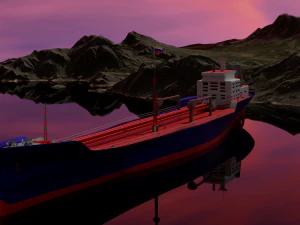
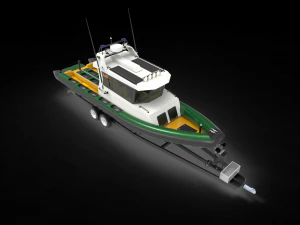
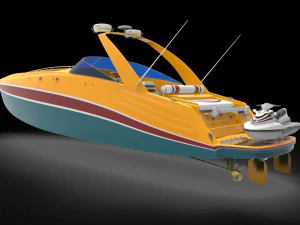
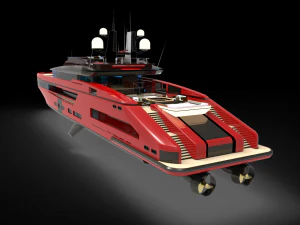
हमारे पास है 165 आइटम रॉयल्टी फ्री 3D मॉडल्स. This category contains a wide choice of Commercial 3D Models - Watercraft. Any 3D Commercial model is available in .max, .obj, .c4d, .fbx, .dxf, .dwg, .stl, .iges, .3ds, .mb, .lwo, .3dm, .skp and .blend format. Some of them are ready for 3D Printing & Games. Also you will find a great number of models in Sailboat and Battleship categories.
































ट्रेंडिंग सर्च 3D मॉडल्स:
मूर्तिकला 3D मॉडल्स पात्र 3D मॉडल्स किचन 3D मॉडल्स घोड़ा 3D मॉडल्स आर्किटेक्चरल एक्सटीरियर्स 3D मॉडल्स फ़ोन और सेल फ़ोन 3D मॉडल्स सब्ज़ी 3D मॉडल्स आभूषण 3D मॉडल्स खिलौने 3D मॉडल्स चिकित्सा 3D मॉडल्स हेलीकाप्टर 3D मॉडल्स भारी हथियार 3D मॉडल्स ट्रक 3D मॉडल्स एनाटॉमी 3D मॉडल्सकिस तरह के इंडस्ट्रियल और कमर्शियल जहाज़ दिखाए गए हैं?
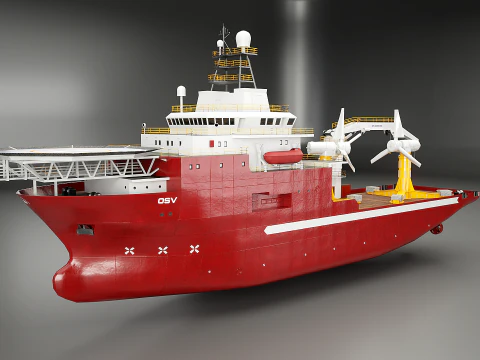
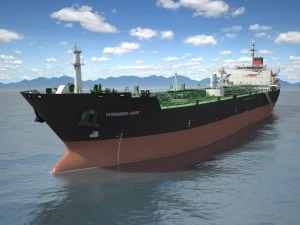
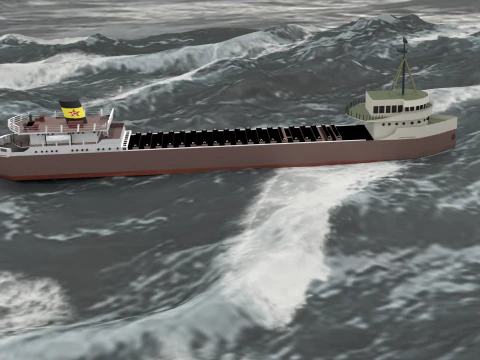
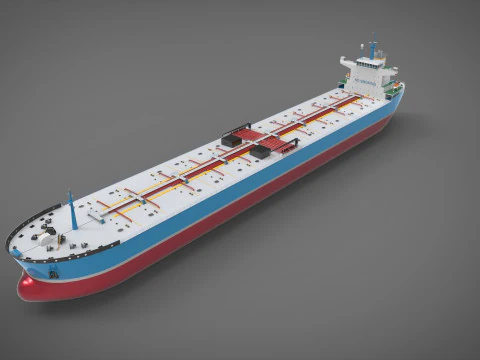
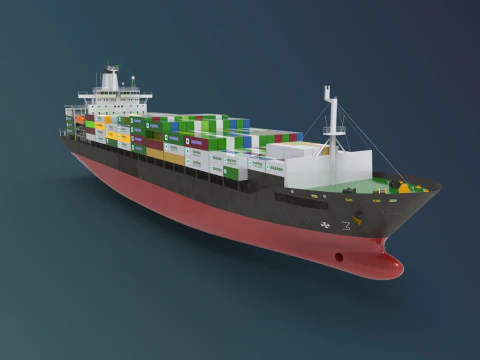
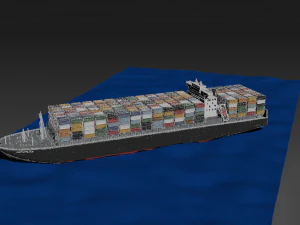
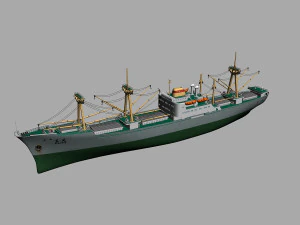
कमर्शियल कैटेगरी हमारी मैरीटाइम लाइब्रेरी की इंडस्ट्रियल बैकबोन है, जिसमें बड़े कंटेनर शिप, ऑयल टैंकर, बल्क कैरियर और टग और ड्रेजर जैसी खास वर्कबोट शामिल हैं। 2026 में, हम एनर्जी सेक्टर में इस्तेमाल होने वाले मॉडर्न फिशिंग ट्रॉलर और ऑफशोर सप्लाई वेसल को भी शामिल करेंगे। इन मॉडल्स को उनके बड़े स्केल और कॉम्प्लेक्स डेक मशीनरी से पहचाना जाता है। वे ग्लोबल ट्रेड, पोर्ट ऑपरेशन और इंडस्ट्रियल मैरीटाइम एक्टिविटी को विज़ुअलाइज़ करने के लिए ज़रूरी हैं। हर मॉडल इन बड़ी मशीनों की पावर और यूटिलिटी को दिखाने के लिए बनाया गया है, जो बड़े पैमाने पर इंडस्ट्रियल और लॉजिस्टिक्स विज़ुअलाइज़ेशन के लिए ज़रूरी हाई-फिडेलिटी एसेट्स देता है।
जटिल डेक स्ट्रक्चर और कार्गो को कैसे हैंडल किया जाता है?
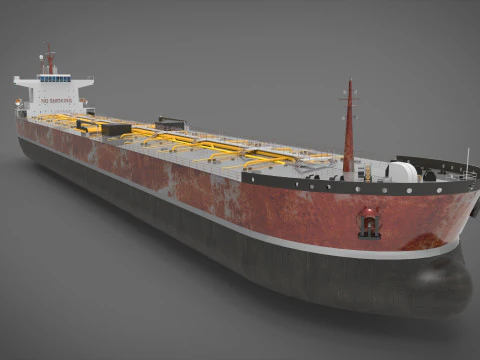
डेक की मुश्किल कमर्शियल जहाजों के लिए एक मुख्य ज़रूरत है, और हमारे 2026 मॉडल में हज़ारों अलग-अलग पार्ट्स हैं, जिनमें क्रेन, पाइपिंग सिस्टम और कंटेनर स्टैक शामिल हैं। परफॉर्मेंस बनाए रखने के लिए, ये मॉडल अक्सर स्मार्ट LOD (लेवल ऑफ़ डिटेल) सिस्टम और ऑप्टिमाइज़्ड ज्योमेट्री का इस्तेमाल करते हैं। कार्गो अक्सर मॉड्यूलर होता है, जिससे आप डेक पर कंटेनरों की व्यवस्था या इक्विपमेंट के टाइप को बदल सकते हैं। यह फ्लेक्सिबिलिटी डायनामिक पोर्ट सीन बनाने के लिए ज़रूरी है जहाँ जहाज़ का लोड बदल सकता है। टेक्सचर इतने डिटेल्ड हैं कि इंडस्ट्रियल वेदरिंग, जैसे भारी जंग और समुद्री नमक का जमाव दिखा सकें, जो इन बड़े वर्कहॉर्स में ग्रिट और रियलिज़्म की एक परत जोड़ते हैं।
क्या टगबोट और सर्विस वेसल के फंक्शनल मॉडल हैं?
हाँ, 2026 के कलेक्शन में हार्बर ऑपरेशन में इस्तेमाल होने वाले बहुत डिटेल्ड टगबोट और पायलट बोट शामिल हैं। इन मॉडल्स में रियलिस्टिक फेंडरिंग, हेवी-ड्यूटी टोइंग विंच और 360-डिग्री ब्रिज व्यू हैं। ये सर्विस वेसल किसी भी पोर्ट-थीम वाले विज़ुअलाइज़ेशन में जान और एक्टिविटी जोड़ने के लिए ज़रूरी हैं। इन्हें उनके पावरफुल प्रोपल्शन सिस्टम और मज़बूत कंस्ट्रक्शन पर फोकस करके बनाया गया है। इन मॉडल्स का इस्तेमाल अक्सर हार्बर पायलट और टग कैप्टन को ट्रेन करने के लिए इंटरैक्टिव सिमुलेशन में किया जाता है, जो दुनिया के कुछ सबसे बिज़ी और सबसे कॉम्प्लेक्स समुद्री माहौल में हर दिन ऑपरेट किए जाने वाले वेसल का रियलिस्टिक और हाई-फिडेलिटी रिप्रेजेंटेशन देते हैं।
क्या इन कमर्शियल मॉडल्स का इस्तेमाल लॉजिस्टिक्स और पोर्ट प्लानिंग के लिए किया जा सकता है?
बिल्कुल। अर्बन प्लानर और लॉजिस्टिक्स एक्सपर्ट हमारे 2026 कमर्शियल शिप मॉडल का इस्तेमाल यह देखने के लिए करते हैं कि नई पोर्ट फैसिलिटी मॉडर्न "मेगा-शिप्स" को कैसे अकोमोडेट करेंगी। मॉडल असल दुनिया के डाइमेंशन के हिसाब से बनाए गए हैं, जिससे सही स्पेसिंग और क्लीयरेंस स्टडी की जा सकती है। आप इन एसेट्स का इस्तेमाल कंटेनर टर्मिनल का स्केल दिखाने या शिप से किनारे तक सामान की मूवमेंट की प्लानिंग करने के लिए कर सकते हैं। 3D मॉडलिंग का यह प्रैक्टिकल एप्लीकेशन स्टेकहोल्डर्स को ग्लोबल ट्रेड की फिजिकल ज़रूरतों को समझने में मदद करता है, जो हमारी मॉडर्न वर्ल्ड इकॉनमी को आकार देने वाले कॉम्प्लेक्स इंडस्ट्रियल और इंफ्रास्ट्रक्चर प्रोजेक्ट्स के लिए एक साफ और प्रोफेशनल विज़ुअल फाउंडेशन देता है।
कौन से रेंडरिंग टिप्स कमर्शियल जहाजों के स्केल पर ज़ोर देते हैं?
2026 में कमर्शियल जहाजों के बड़े साइज़ को दिखाने के लिए, हम कम कैमरा एंगल इस्तेमाल करने और सीन में टगबोट या पोर्ट वर्कर जैसी छोटी "रेफरेंस" चीज़ों को शामिल करने की सलाह देते हैं। जहाज़ के आगे और पीछे के हिस्से के बीच की दूरी दिखाने के लिए "धुंध" या "एटमोस्फेरिक नज़रिए" का इस्तेमाल करें। टेक्सचर के लिए, पक्का करें कि जंग और वेदरिंग की "टाइलिंग" जहाज़ के बड़े साइज़ से मैच करने के लिए काफी छोटी हो। हल की प्लेट लाइन और रिवेट्स के लिए हाई-क्वालिटी "डिस्प्लेसमेंट मैप" का इस्तेमाल करने से वज़न और स्ट्रक्चरल असलियत का एहसास होगा। ये तकनीकें पक्का करती हैं कि आपके कमर्शियल मैरीटाइम रेंडर असल दुनिया के रेंडर जितने ही शानदार और बड़े दिखें।