


 English
 Español
 Deutsch
 日本語
日本語 Polska
 Français
 한국의
한국의 Українська
 Italiano
 Nederlands
 Türkçe
 Português
 Bahasa Indonesia
 Русский
 中國
中國
















आर्किटेक्चर - मिनिएचर 3D प्रिंट मॉडल
हमारे पास है 402 आइटम रॉयल्टी फ्री 3D मॉडल्स. This category contains a wide choice of Architecture - 3D Printable Models. Any 3D Printable Architecture model is available in .obj, .stl, .iges, .3dm, .skp, .wrl and .blend format. All of these 3d print models are ready for 3D Printing. Also you will find a great number of 3d models in Figurines and Vehicle categories.
- -20%
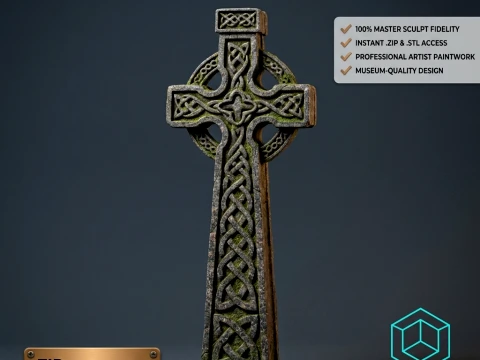 SanchiEspArchitecture
  brunonunesdpArchitecture
 brunonunesdpArchitecture
 brunonunesdpArchitecture
 brunonunesdpArchitecture
 brunonunesdpArchitecture
- -20%
 SanchiEspArchitecture
 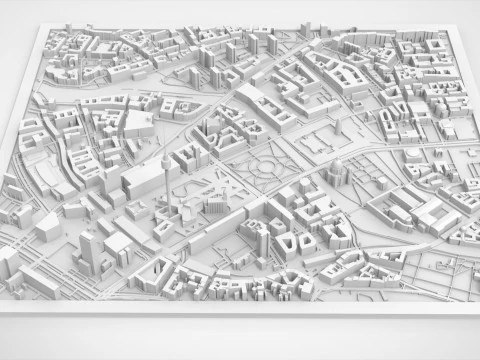 3d.apxumekmopArchitecture
 jk3dstudioArchitecture
- -20%
 3DcncUNIQUEArchitecture
 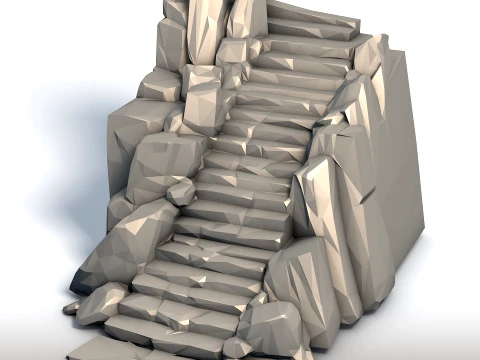 1xmerchArchitecture
 1xmerchArchitecture
- -50%
 serhiishmArchitecture
 - -50%
 xorunzhii79Architecture
 - -50%
 SCULP3DMODELArchitecture
  AlsergiArchitecture
- -50%
 SCULP3DMODELArchitecture
 - -50%
 SCULP3DMODELArchitecture















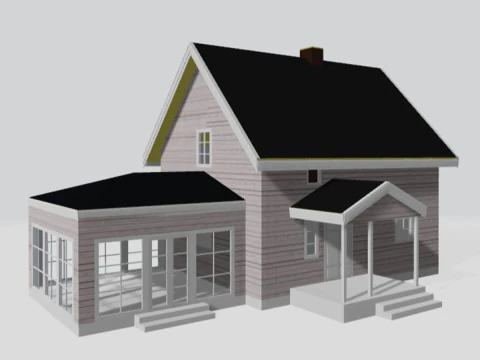
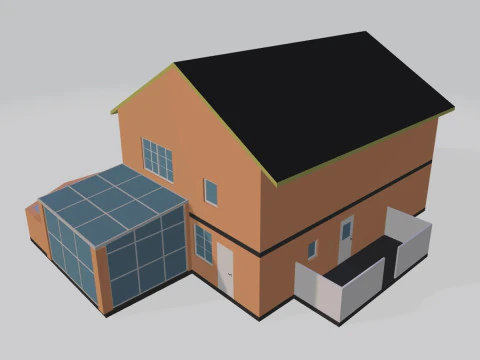
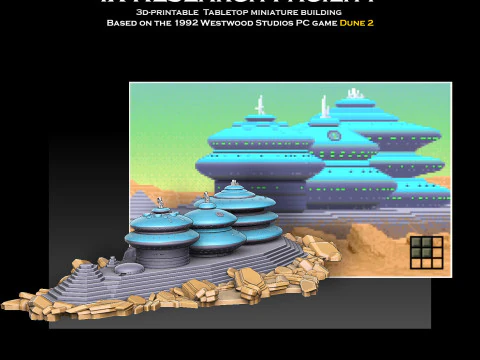
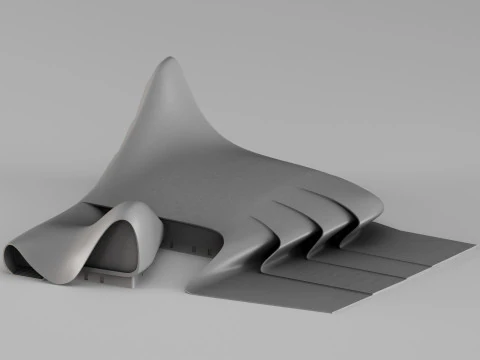















ट्रेंडिंग सर्च 3D मॉडल्स:
मूर्तिकला 3D मॉडल्स पात्र 3D मॉडल्स किचन 3D मॉडल्स घोड़ा 3D मॉडल्स आर्किटेक्चरल एक्सटीरियर्स 3D मॉडल्स फ़ोन और सेल फ़ोन 3D मॉडल्स सब्ज़ी 3D मॉडल्स आभूषण 3D मॉडल्स खिलौने 3D मॉडल्स चिकित्सा 3D मॉडल्स हेलीकाप्टर 3D मॉडल्स भारी हथियार 3D मॉडल्स ट्रक 3D मॉडल्स एनाटॉमी 3D मॉडल्सइस कलेक्शन में कौन से आर्किटेक्चरल स्टाइल और स्केल शामिल हैं?
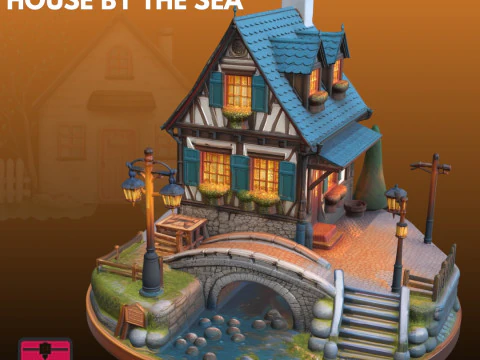
हमारी 2026 मिनिएचर आर्किटेक्चर लाइब्रेरी में एक बड़ी टाइमलाइन शामिल है, जिसमें पुराने ज़माने के लकड़ी के फ्रेम वाले घर और गॉथिक कैथेड्रल से लेकर मॉडर्न ब्रूटलिस्ट स्ट्रक्चर और साई-फ़ाई आउटपोस्ट तक शामिल हैं। ये मॉडल "यूनिवर्सल-स्केलिंग" के लिए डिज़ाइन किए गए हैं, लेकिन मुख्य रूप से 15mm, 28mm और 32mm गेमिंग स्केल के लिए ऑप्टिमाइज़ किए गए हैं। हर बिल्डिंग "सरफेस-लॉजिक" से बनाई गई है, जिसका मतलब है कि पत्थर की दीवारें भारी दिखती हैं और लकड़ी के तख्तों पर दाने दिखते हैं। ये एसेट डायोरमा बनाने वालों और वॉरगेमर्स के लिए ज़रूरी हैं, जिन्हें ऐसे इमर्सिव, टैक्टाइल बैटलफील्ड बनाने की ज़रूरत होती है जो स्ट्रक्चर के हिसाब से असली लगें और उनकी छोटी सेनाओं के लिए हाई-क्वालिटी बैकग्राउंड दें।
क्या बिल्डिंग्स को "प्लेएबल-इंटीरियर्स" के साथ डिज़ाइन किया गया है?
हाँ, हमारे 2026 आर्किटेक्चर की एक खासियत "टैक्टिकल-इंटीरियर-एक्सेस" है। ज़्यादातर बिल्डिंग्स को हटाने लायक छतों और स्टैकेबल फ़्लोर के साथ डिज़ाइन किया गया है, जिससे प्लेयर्स गेम के दौरान अपने फिगरिन को अंदर ले जा सकते हैं। हम फायरप्लेस, फ़्लोरबोर्ड और सीढ़ियों जैसी "इंटरनल-डिटेलिंग" शामिल करते हैं। यह "शेल-एंड-कोर" डिज़ाइन स्किर्मिश गेम्स के लिए बहुत ज़रूरी है जहाँ वर्टिकैलिटी और इनडोर कॉम्बैट ज़रूरी हैं। दीवारों को मोटा किया गया है ताकि स्ट्रक्चरल ड्यूरेबिलिटी बनी रहे और साथ ही रियलिस्टिक स्केल लुक भी बना रहे, जिससे एक मज़बूत और काम का इलाका मिलता है जो सालों तक एक्टिव गेमिंग इस्तेमाल और ट्रांसपोर्ट का सामना कर सकता है।
बड़े शहरों के लिए "मॉड्यूलर-टेरेन" सिस्टम कैसे लागू किया जाता है?
बड़े शहरी माहौल बनाने के लिए, हम एक "ग्रिड-बेस्ड-मॉड्यूलर" सिस्टम का इस्तेमाल करते हैं। 2026 में, दीवारों, फर्श और छतों में "इंटरलॉकिंग-क्लिप्स" या "मैग्नेट-पॉकेट्स" होंगे। इससे आप बेसिक पार्ट्स का एक सेट प्रिंट कर सकते हैं और उन्हें सैकड़ों अलग-अलग कॉन्फ़िगरेशन में असेंबल कर सकते हैं, एक छोटी सी झोपड़ी से लेकर एक बड़े महल तक। यह सिस्टम बहुत किफ़ायती और जगह बचाने वाला है, क्योंकि आप स्टोरेज के लिए ज़मीन को अलग कर सकते हैं। यह "डायनामिक-स्टोरीटेलिंग" की भी सुविधा देता है, क्योंकि आप अनुभव को नया बनाए रखने के लिए हर गेम सेशन के बीच अपने 3D शहर का लेआउट बदल सकते हैं।
क्या ये आर्किटेक्चरल मॉडल बड़े पैमाने पर FDM प्रिंटिंग के लिए ऑप्टिमाइज़ किए गए हैं?
हालांकि डिटेल्स रेज़िन के लिए काफी ऊंचे हैं, ये 2026 मॉडल खास तौर पर "FDM-फ्रेंडली" हैं। हम विंडो फ्रेम और डोर आर्च के लिए "ब्रिज-लॉजिक" का इस्तेमाल करके, अंदरूनी सपोर्ट की ज़रूरत को कम करने के लिए ज्योमेट्री को ऑप्टिमाइज़ करते हैं। इससे प्रिंट टाइम और मटीरियल की बर्बादी काफी कम हो जाती है। हम छोटे प्रिंट बेड के लिए "स्प्लिट-वर्जन" फाइलें भी देते हैं, जिससे आप एक बड़े कैथेड्रल को ऐसे सेक्शन में प्रिंट कर सकते हैं जो एक साथ स्नैप हो जाएं। यह टेक्निकल तैयारी यह पक्का करती है कि स्टैंडर्ड डेस्कटॉप FDM प्रिंटर वाले यूज़र भी प्रोफेशनल-ग्रेड सरफेस डिटेल और स्ट्रक्चरल इंटीग्रिटी के साथ टेरेन की एक बड़ी, शानदार 3D टेबल सफलतापूर्वक बना सकते हैं।
कौन सी फिनिशिंग तकनीकें छोटी इमारतों की असलियत को बढ़ाती हैं?
2026 में 3D प्रिंटेड आर्किटेक्चर को असलियत में बदलने के लिए, हम "टेक्सचर्ड-प्राइमिंग" तरीका अपनाने की सलाह देते हैं। हल्के ग्रिट वाले स्प्रे प्राइमर का इस्तेमाल करने से पत्थर या कंक्रीट के टेक्सचर जैसा दिखने में मदद मिल सकती है। "लकड़ी और ईंट" वाले एरिया के लिए, 3D स्कल्प्ट में दिए गए गहरे टेक्सचर को हाईलाइट करने के लिए "ड्राई-ब्रशिंग" और "वॉश-वेदरिंग" ज़रूरी हैं। हम 3D मॉडल की दरारों में "एनवायरनमेंटल-सेट-ड्रेसिंग" जैसे स्टैटिक घास या काई जोड़ने की भी सलाह देते हैं। हाई-डिटेल 3D ज्योमेट्री और क्लासिक मॉडलिंग टेक्नीक के इस कॉम्बिनेशन से एक ऐसा टेरेन पीस बनता है जो हाथ से बने मास्टरपीस जैसा दिखता है, जो हाई-एंड फोटोग्राफी या इमर्सिव टेबलटॉप गेमिंग के लिए एकदम सही है।