


 English
 Deutsch
 日本語
日本語 Polska
 Français
 한국의
한국의 Українська
 Italiano
 Nederlands
 Türkçe
 Português
 Bahasa Indonesia
 Русский
 中國
中國 हिंदी
हिंदी
















Elefante - Animales Modelados 3D
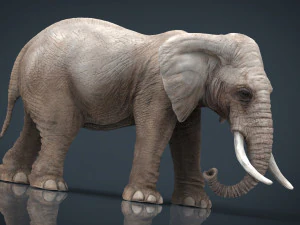
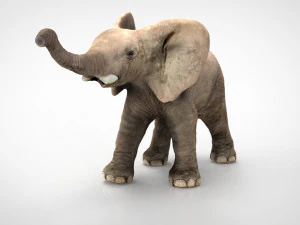
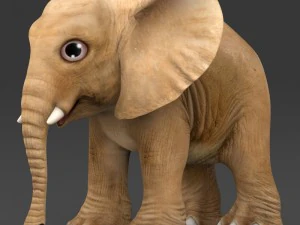
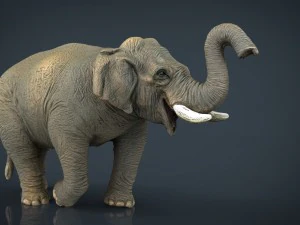
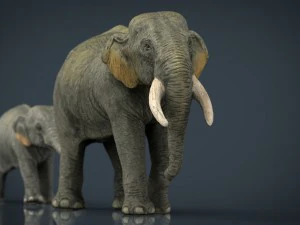
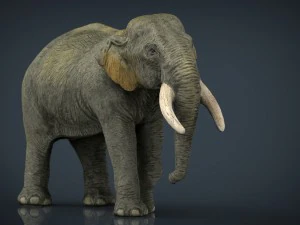
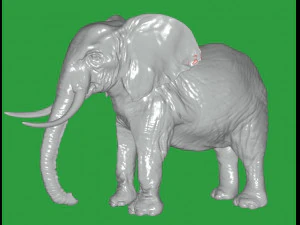
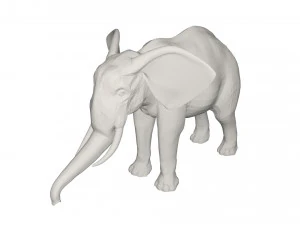
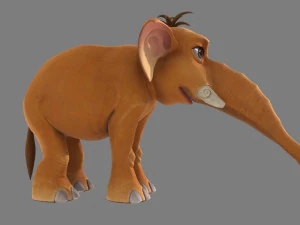
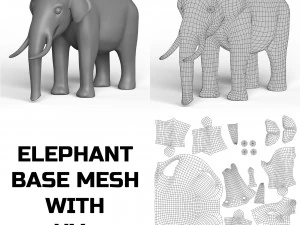
Tenemos 154 artículo(s) Libre de regalías Modelos 3D. This category contains a wide choice of Elephant 3D Models - Animals. Any 3D Elephant model is available in .max, .obj, .c4d, .fbx, .dxf, .dwg, .stl, .iges, .3ds, .mb, .lwo, .3dm, .skp and .blend format. Some of them are ready for 3D Printing & Games. Also you will find a great number of models in Dogs and Fantasy categories.
- -50%
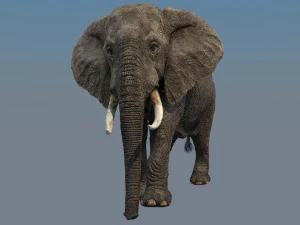
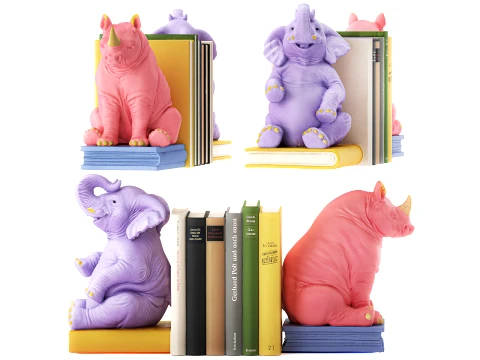 deckoratorElephant
 - -50%
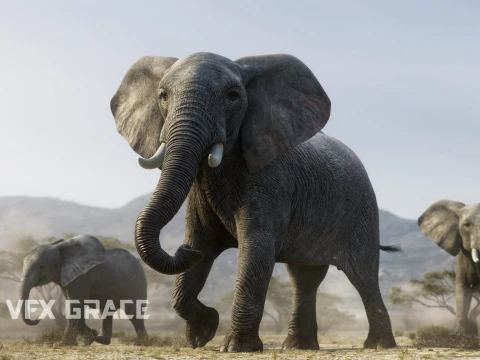
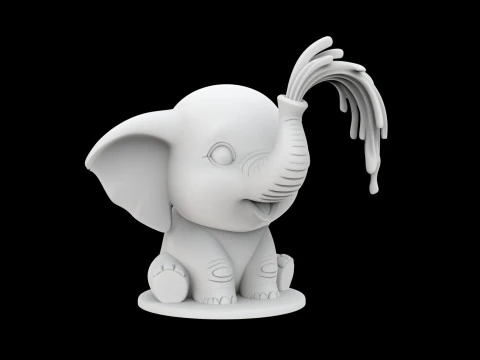 estudiocogElephant
 - -50%
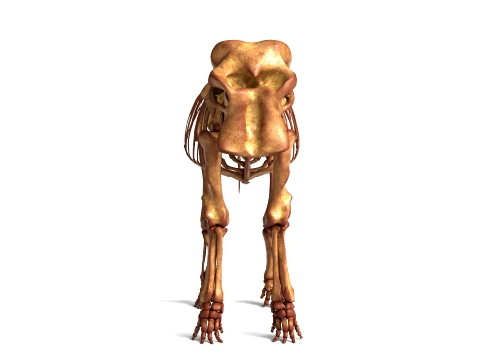
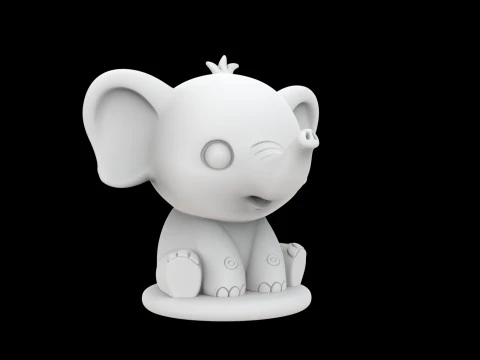 estudiocogElephant
 - -50%
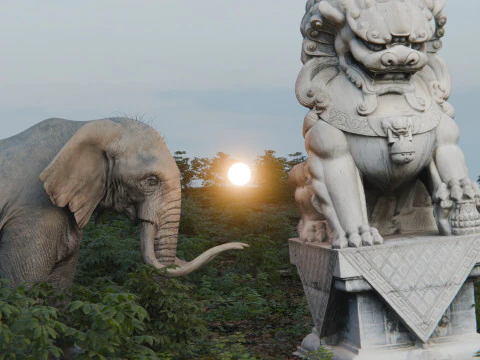
 StellarValorElephant
 - -50%
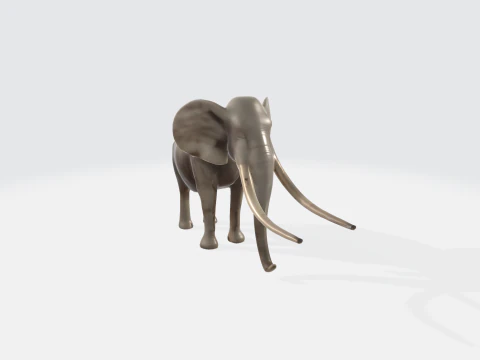 InventiveWorldElephant
 - -50%
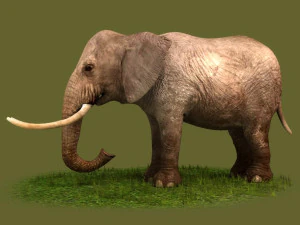 xiaohanbingElephant
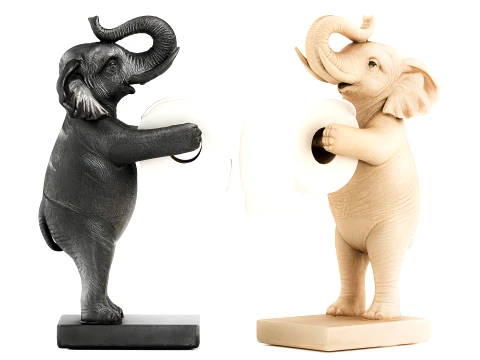




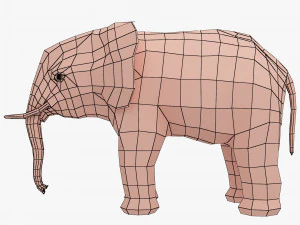
















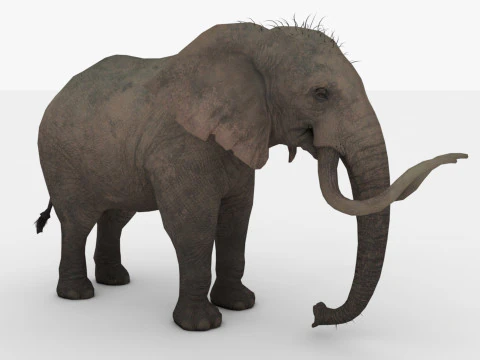
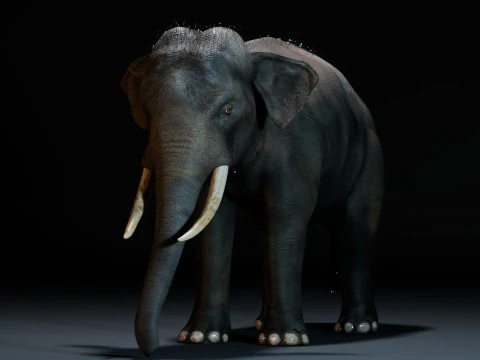









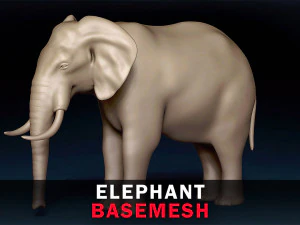
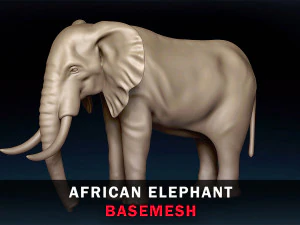
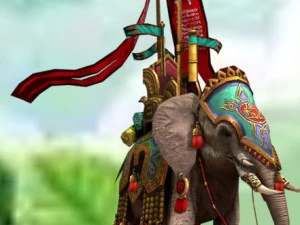


Búsquedas de tendencias Modelos 3D:
Escultura Modelos 3D Personajes Modelos 3D Cocina Modelos 3D Caballo Modelos 3D Exteriores Modelos 3D Télefono y Móvil Modelos 3D Vegetales Modelos 3D Joyeria Modelos 3D Juguetes Modelos 3D Medicinal Modelos 3D Helicóptero Modelos 3D Armas Pesadas Modelos 3D Camión Modelos 3D Anatomía Modelos 3D¿Cómo gestionan los modelos de elefante de 2026 la complejidad de la trompa?
La trompa del elefante es una de las estructuras biológicas más difíciles de rigar, ya que contiene más de 40 000 músculos en la vida real. En 2026, nuestros rigs de elefantes en 3D simplifican esto en un sistema «Spline IK» de alta densidad que permite una flexibilidad extrema sin colapso de la malla. El rig de la trompa suele dividirse en docenas de segmentos, lo que permite al animal «enrollar» su trompa alrededor de objetos o realizar movimientos delicados como recoger una hoja. Los activos de alta calidad también incluyen «volúmenes de colisión» a lo largo de la trompa, lo que le permite interactuar físicamente con objetos del entorno u otros personajes. Este nivel de sofisticación técnica es imprescindible para los efectos visuales cinematográficos modernos y las simulaciones realistas de safaris.
¿Qué define una «piel realista» para un elefante en 3D en 2026?
La piel del elefante se caracteriza por arrugas profundas y entrecruzadas y una textura polvorienta y áspera. Para replicar esto en 3D, nuestros creadores utilizan mapas de desplazamiento 8K y mapas de «cavidades». En 2026, una característica clave es el «arrugamiento dinámico», donde los pliegues profundos de la piel (especialmente alrededor de las articulaciones y el cuello) se comprimen y expanden de forma realista en función del movimiento del rig. El material PBR también incluye capas de «polvo» y «barro» que se pueden ajustar proceduralmente, lo que permite mostrar a un elefante que acaba de darse un baño de polvo. Este nivel de detalle en la superficie garantiza que el elefante parezca un gigante de la sabana, enorme y curtido, perfecto para renders de fauna salvaje en alta resolución.
¿Están las orejas del elefante rigadas para movimientos de disipación de calor?
Sí, un modelo profesional de elefante en 2026 incluye un «rig de orejas» específico. En la vida real, los elefantes agitan las orejas para refrescarse y expresar emociones. Nuestros rigs 3D permiten movimientos complejos de «balanceo» y «plegado» de las grandes pabellones auriculares. Muchos modelos utilizan «animación de vértices» o «controladores de resorte» para automatizar este movimiento, de modo que, mientras el elefante camina, las orejas se balancean de forma natural con el impulso del cuerpo. Este sutil detalle añade una enorme cantidad de «vida» al modelo, evitando que parezca una estatua estática y proporcionando la autenticidad de comportamiento necesaria para documentales de fauna de alta gama y simulaciones inmersivas de zoológicos.
¿Cómo gestionas el enorme número de polígonos de un elefante detallado?
Los elefantes tienen una enorme superficie cubierta de arrugas, lo que puede dar lugar a un elevado número de polígonos. En 2026, utilizamos un enfoque de «geometría híbrida». La malla base está optimizada para el rendimiento, mientras que los detalles de «alta frecuencia» se gestionan mediante mapas de desplazamiento o Nanite de Unreal Engine 5. Esto permite millones de polígonos «virtuales» visibles sin un gran impacto en la velocidad de fotogramas. Para las escenas de fondo, nuestros modelos vienen con LOD preconfigurados. Esto garantiza que un solo elefante pueda renderizarse con extremo detalle para una toma «heroica», mientras que una manada lejana puede renderizarse de manera eficiente, lo que hace que nuestros activos sean adecuados tanto para películas cinematográficas como para juegos de mundo abierto a gran escala.
¿Incluyen estos activos diferentes colmillos y variaciones de «Tusker»?
Sí, nuestra categoría de elefantes de 2026 ofrece opciones de colmillos modulares. Puedes encontrar modelos de «Great Tuskers» africanos, elefantes asiáticos (que a menudo tienen colmillos más pequeños o carecen de ellos en las hembras) e incluso mamuts extintos. Los colmillos suelen ser mallas separadas con un shader PBR específico de «marfil» que captura las sutiles «líneas de Schreger» y la superficie pulida, aunque desgastada, del marfil real. Algunos modelos incluso incluyen variantes de «colmillos rotos» para añadir carácter e historia a un animal concreto. Esta modularidad es esencial para los creadores que desean representar la diversidad de las poblaciones de elefantes y las características únicas de los individuos más viejos, los «patriarcas» o «matriarcas».