


 English
 Español
 Deutsch
 日本語
日本語 Polska
 Français
 한국의
한국의 Українська
 Italiano
 Nederlands
 Türkçe
 Bahasa Indonesia
 Русский
 中國
中國 हिंदी
हिंदी
















Cartoon - Personagens - Modelos 3D Modelos 3D
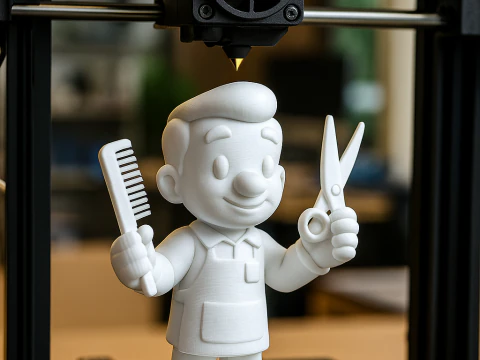
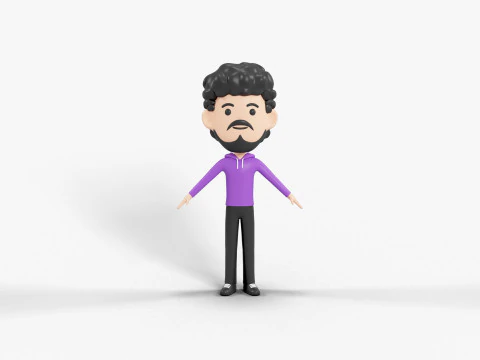
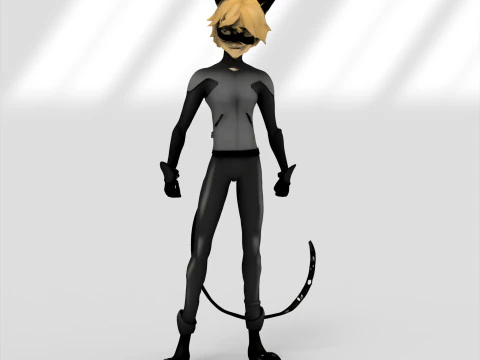
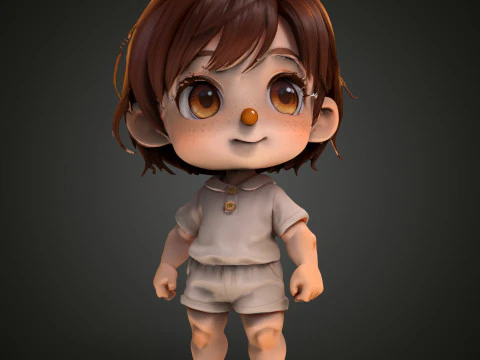
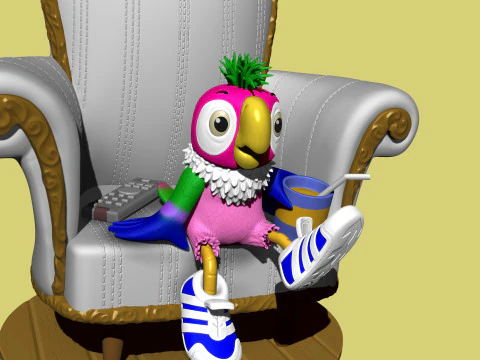
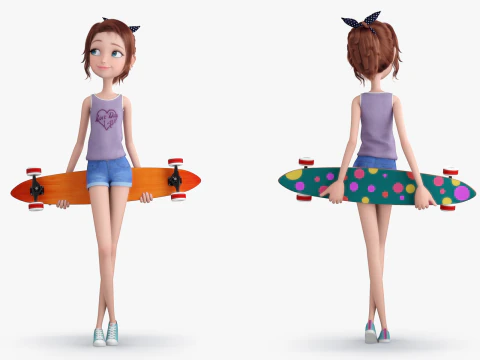
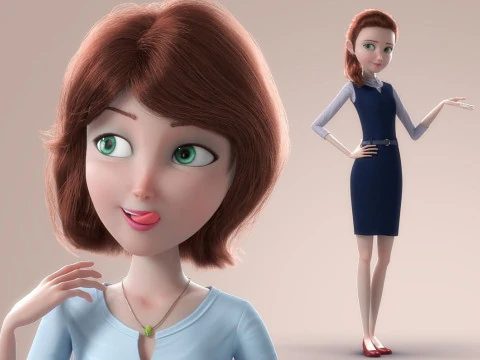
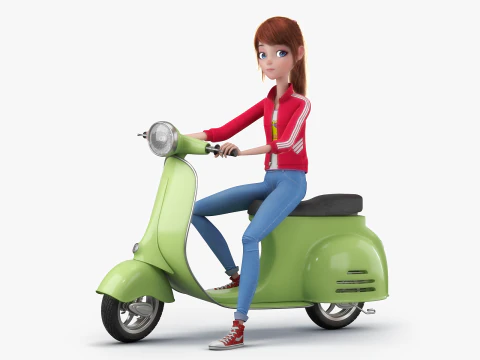
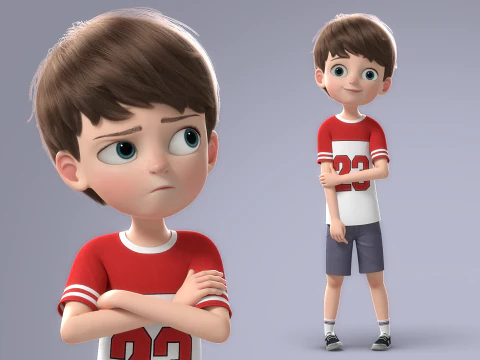
Nós temos 4430 item(s) Sem Royalties Modelos 3D. This category contains a wide choice of Cartoon 3D Models - Characters. Any 3D Cartoon model is available in .max, .obj, .c4d, .fbx, .dxf, .dwg, .stl, .iges, .3ds, .mb, .lwo, .3dm, .skp and .blend format. Some of them are ready for 3D Printing & Games. Also you will find a great number of models in Anatomy and Woman categories.
 brunonunesdpCartoon
 brunonunesdpCartoon




















Pesquisas em alta Modelos 3D:
Escultura Modelos 3D Personagens Modelos 3D Cozinha Modelos 3D cavalo Modelos 3D Arquitetura Exterior Modelos 3D Telefone e telemóvel Modelos 3D Vegetal Modelos 3D Joalheria Modelos 3D Brinquedos Modelos 3D Médico Modelos 3D Helicoptro Modelos 3D arma pesada Modelos 3D Caminhão Modelos 3D Anatomia Modelos 3DWhat characterizes the technical style of cartoon 3D models in 2026?
Cartoon models in 2026 represent a perfect marriage of artistic expression and high technology. Unlike realistic characters, the primary focus here is on expressive silhouettes, appealing proportions, and clean line work. Technically, this involves perfect topology that allows for extreme mesh deformation without artifacts. "Hand-painted" textures and "Cel-shading" (toon shading) are highly popular, as they mimic 2D art in a 3D space. These models are ideal for indie games, animated series, and commercials where winning the audience's sympathy through bright, unique imagery is more important than photorealism, providing a distinct look that stands out in a crowded digital marketplace.
How do cartoon rigs implement the principles of Squash and Stretch?
Professional cartoon rigs in 2026 are built using non-linear deformers and complex bone-stretching systems. This allows animators to radically "Squash" or "Stretch" the head, torso, or limbs of a character without losing visual volume. This approach translates the classic principles of Disney and Warner Bros. animation into 3D, adding incredible dynamic energy and elasticity to movement. This is critical for comedic timing or action sequences, where an exaggerated reaction from a hero creates the necessary emotional impact. Users receive fully production-ready controllers that make the animation process intuitive and creative, allowing for a level of character performance that feels alive and bouncy.
Are these models suitable for mobile games and casual interactive projects?
Yes, the cartoon category includes many assets specifically optimized for mobile platforms and VR headsets with limited processing power. In 2026, this is achieved through "Texture Baking," where lighting and shadows are baked directly into the texture maps. This allows the model to appear voluminous and attractive without the need for expensive real-time shaders. These characters feature low polygon counts (Low-poly) but maintain their character and detail through clever design and high-quality texturing. This makes them the perfect choice for hyper-casual games, mobile apps, and metaverses where performance and loading speed are key success factors for user retention.
How detailed is the facial expression capability for 2026 cartoon characters?
Facial expressions in 2026 cartoon models are often more complex than those of realistic models because they must be hyperbolized. Rigs usually base their functionality on a combination of bones and Blendshapes, giving the animator total control over eyebrows, eyes, and the mouth to create extreme emotions—from boundless joy to deep despair. Many models support the ARKit standard, allowing a user to drive the character's facial performance using a standard smartphone in real-time. This opens vast opportunities for virtual vloggers (VTubers) and children's content creators, enabling them to animate a hero "on the fly" with a high level of acting and emotional nuance.
What solutions are used for hair modeling in stylized characters?
For cartoon characters in 2026, "sculpted hair" (Geometry-based hair) is the most common solution. This means the hairstyle is modeled as a solid object or a set of stylized clumps rather than individual strands. This approach ensures stylistic consistency and makes the hair much easier to animate using physics to create "secondary motion"—where the hair bounces during walks or jumps. Hair textures usually include bright highlights and gradients that emphasize volume. This is not only aesthetically pleasing within the chosen art style but also significantly saves computational resources compared to realistic hair systems, which is vital for maintaining high framerates in gaming projects.