
 English
 Español
 Deutsch
 日本語
日本語 Français
 한국의
한국의 Italiano
 Nederlands
 Türkçe
















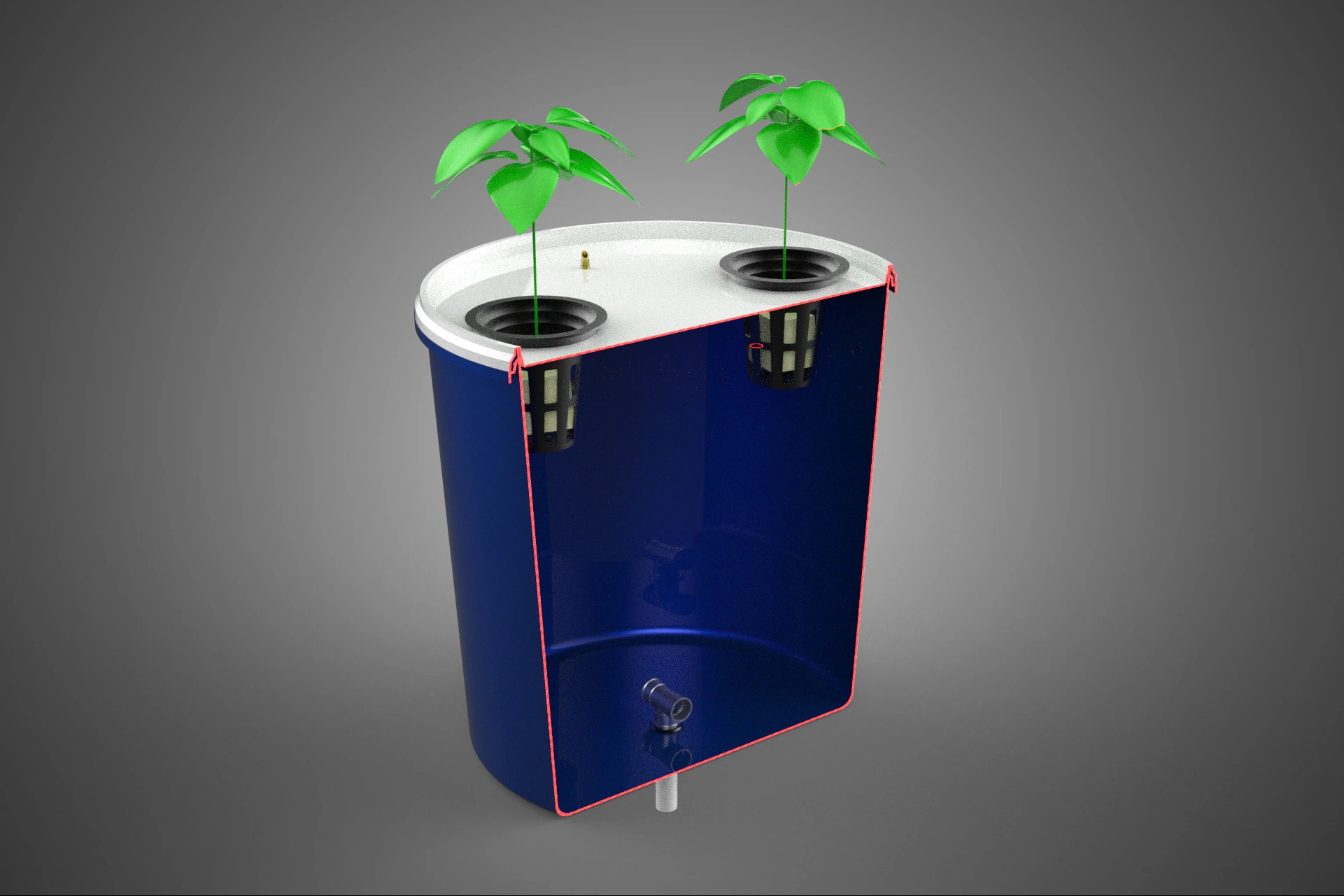
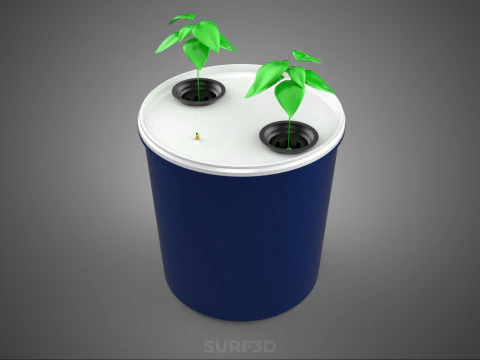
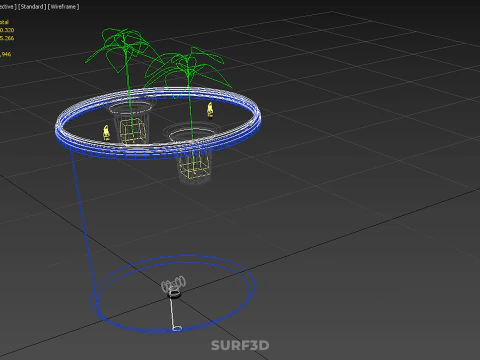
BALDE DE PLANTA DUPLA CUTAWAY POTE DE JARDINAGEM INTERIOR PARA CULTIVO DE CRESCIMENTO Modelo 3D










- Solicitar suporte ao produto pelo autor


- Formatos disponíveis:
- ID do Item:617238
- Data: 2025-12-10
- Polígonos:70320
- Vértices:55266
- Animados:No
- Textura:No
- Equipados:No
- Materiais:Yes
- Low-poly:No
- Coleção:No
- Mapeamento UVW:No
- Plugins Utilizados:No
- Pronto para impressão:No
- Scan 3D:No
- Conteúdo adulto:No
- PBR:No
- Treinamento de IA:No
- Geometria:Poly NURBS
- UVs não embalados:Unknown
- Visualizações:552
Descrição
High-quality 3D assets at affordable prices — trusted by designers, engineers, and creators worldwide. Made with care to be versatile, accessible, and ready for your pipeline.
Included File Formats
This model is provided in 14 widely supported formats, ensuring maximum compatibility:
• - FBX (.fbx) – Standard format for most 3D software and pipelines
• - OBJ + MTL (.obj, .mtl) – Wavefront format, widely used and compatible
• - STL (.stl) – Exported mesh geometry; may be suitable for 3D printing with adjustments
• - STEP (.step, .stp) – CAD format using NURBS surfaces
• - IGES (.iges, .igs) – Common format for CAD/CAM and engineering workflows (NURBS)
• - SAT (.sat) – ACIS solid model format (NURBS)
• - DAE (.dae) – Collada format for 3D applications and animations
• - glTF (.glb) – Modern, lightweight format for web, AR, and real-time engines
• - 3DS (.3ds) – Legacy format with broad software support
• - 3ds Max (.max) – Provided for 3ds Max users
• - Blender (.blend) – Provided for Blender users
• - SketchUp (.skp) – Compatible with all SketchUp versions
• - AutoCAD (.dwg) – Suitable for technical and architectural workflows
• - Rhino (.3dm) – Provided for Rhino users
Model Info
• - All files are checked and tested for integrity and correct content
• - Geometry uses real-world scale; model resolution varies depending on the product (high or low poly)
• • - Scene setup and mesh structure may vary depending on model complexity
• - Rendered using Luxion KeyShot
• - Affordable price with professional detailing
Buy with confidence. Quality and compatibility guaranteed.
If you have any questions about the file formats, feel free to send us a message — we're happy to assist you!
Sincerely,
SURF3D
Trusted source for professional and affordable 3D models.
More Information About 3D Model :
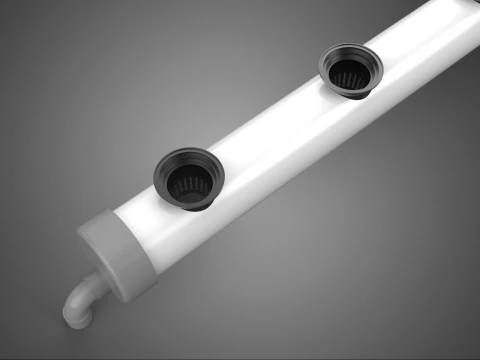
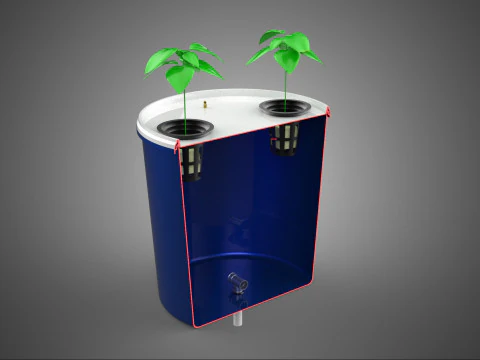
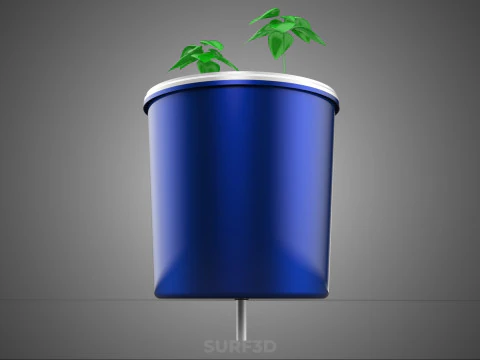
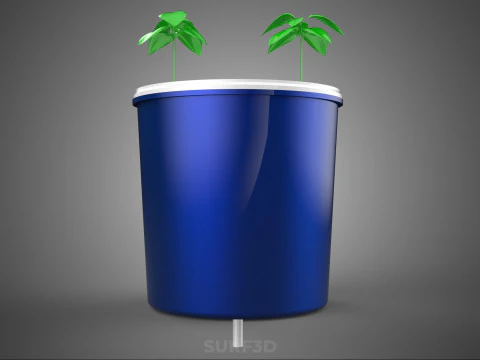
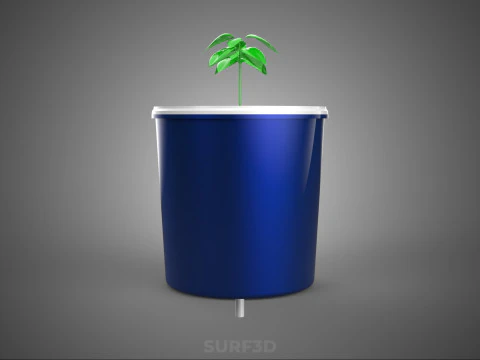
The Cutaway Dual Plant Bucket (CDPB) is a specialized horticultural apparatus designed for controlled environment agriculture, specifically optimized for indoor gardening and cultivation. This container system facilitates the simultaneous, yet segregated, growth of two independent botanical specimens within a constrained volume, distinguished primarily by the inclusion of a transparent viewing panel, or “cutaway,” that allows for non-invasive longitudinal observation of the root structure and substrate dynamics.
### Nomenclature and Classification
The CDPB system falls under the classification of specialized container gardening technology, often integrating principles derived from semi-hydroponic systems and passive irrigation techniques, though it remains highly adaptable to conventional soil-based cultivation. It is utilized primarily in educational botanical settings, amateur research, and high-density urban farming where spatial and diagnostic efficiency are paramount. The design is engineered to address limitations inherent in traditional opaque planters, namely the inability to monitor subterranean root health, moisture distribution, and potential pathogen activity without physical disturbance of the growing medium.
### Design and Structure
The standard CDPB unit is characterized by a durable, often opaque outer casing, typically fabricated from high-density polyethylene (HDPE) or similar UV-stabilized polymers, ensuring longevity and structural integrity.
1. **Dual Chamber Configuration:** The internal volume is distinctly bifurcated, maintaining two separate growing environments. This resource segregation allows cultivators to apply differential nutrient solutions, employ varying growth media, or conduct comparative studies on genetically identical or dissimilar plants under controlled conditions.
2. **The Cutaway Feature:** The defining element is the visual access panel, typically constructed from clear, impact-resistant materials such as acrylic or polycarbonate. This window is strategically positioned to provide direct visibility into the rhizosphere—the zone immediately surrounding the plant roots—and the lower substrate layers. This transparency allows for real-time monitoring of root morphology, vertical and lateral expansion, and the detection of issues such as root bounding (girdling) or symptoms of phytophthora (root rot).
3. **Aeration and Drainage:** Effective gas exchange within the root zone is crucial. CDPB designs incorporate features to prevent waterlogging and facilitate optimal aeration (oxygen exchange). These mechanisms often include elevated internal platforms or perforated drainage ports located at the base of each chamber, ensuring the maintenance of an adequate air-to-water ratio within the growth media.
### Operational Mechanics and Horticultural Significance
The CDPB’s utility centers on diagnostic precision and resource management. By observing the cutaway section, cultivators can precisely regulate irrigation cycles. For example, irrigation is scheduled not by a fixed timetable, but based on the observed moisture depletion rate within the substrate profile and the visible signs of root maturation.
The dual-plant capacity maximizes space utilization, making the system ideal for maximizing biomass production in limited indoor footprints. Furthermore, its modularity—where individual pots or inner liners can often be removed or rotated independently—simplifies maintenance tasks, including pruning, pest inspection, and substrate amendment, without disrupting the neighboring specimen. The visibility offered by the cutaway minimizes reliance on destructive sampling or invasive probes for assessing subterranean plant health, offering significant advantages in experimental repeatability and minimizing stress on the cultivated organisms.
KEYWORDS: Root visibility, rhizosphere monitoring, dual chamber cultivation, indoor horticulture, controlled environment agriculture (CEA), educational gardening, substrate inspection, container design, urban farming, comparative botany, optimized aeration, hydroponic principles, polymer construction, diagnostic window, moisture management, plant pathology, resource segregation, modular growing, polyethylene bucket, formal horticulture, plant science, root girdling detection, nutrient delivery, controlled drainage, potting system, grow container, high-density cultivation, experimental design, passive cultivation, clear observation panel.
Precisa de mais formatos?
Se precisar de um formato diferente, por favor abra um novo Support Ticket e solicite isso. Podemos converter modelos 3D para: .stl, .c4d, .obj, .fbx, .ma/.mb, .3ds, .3dm, .dxf/.dwg, .max. .blend, .skp, .glb. Conversão de Formato GrátisNão convertemos cenas 3D e formatos como .step, .iges, .stp, .sldprt.!
Informação de utilização
BALDE DE PLANTA DUPLA CUTAWAY POTE DE JARDINAGEM INTERIOR PARA CULTIVO DE CRESCIMENTO - Pode utilizar este modelo 3D isento de royalties para fins pessoais e comerciais, de acordo com a Licença Básica ou Prolongada.A Licença Básica abrange a maioria dos casos de utilização padrão, incluindo anúncios digitais, projetos de design e visualização, contas comerciais em redes sociais, aplicações nativas, aplicações web, videojogos e produtos finais físicos ou digitais (gratuitos e vendidos).
A Licença Estendida inclui todos os direitos concedidos ao abrigo da Licença Básica, sem limitações de utilização, e permite que o modelo 3D seja utilizado em projetos comerciais ilimitados ao abrigo dos termos de isenção de royalties.
Leia mais
Vocêm fornecem garantia de devolução do dinheiro?
Sim, fornecemos. Se você comprou um produto e encontrou algum erro nas renderizações ou na descrição, tentaremos corrigir o problema assim que possível. Se não pudermos corrigir o erro, cancelaremos seu pedido e você receberá seu dinheiro de volta em até 24 horas após fazer o download do item. Leia mais condições aquiPalavras-chave