
 English
 Español
 Türkçe
















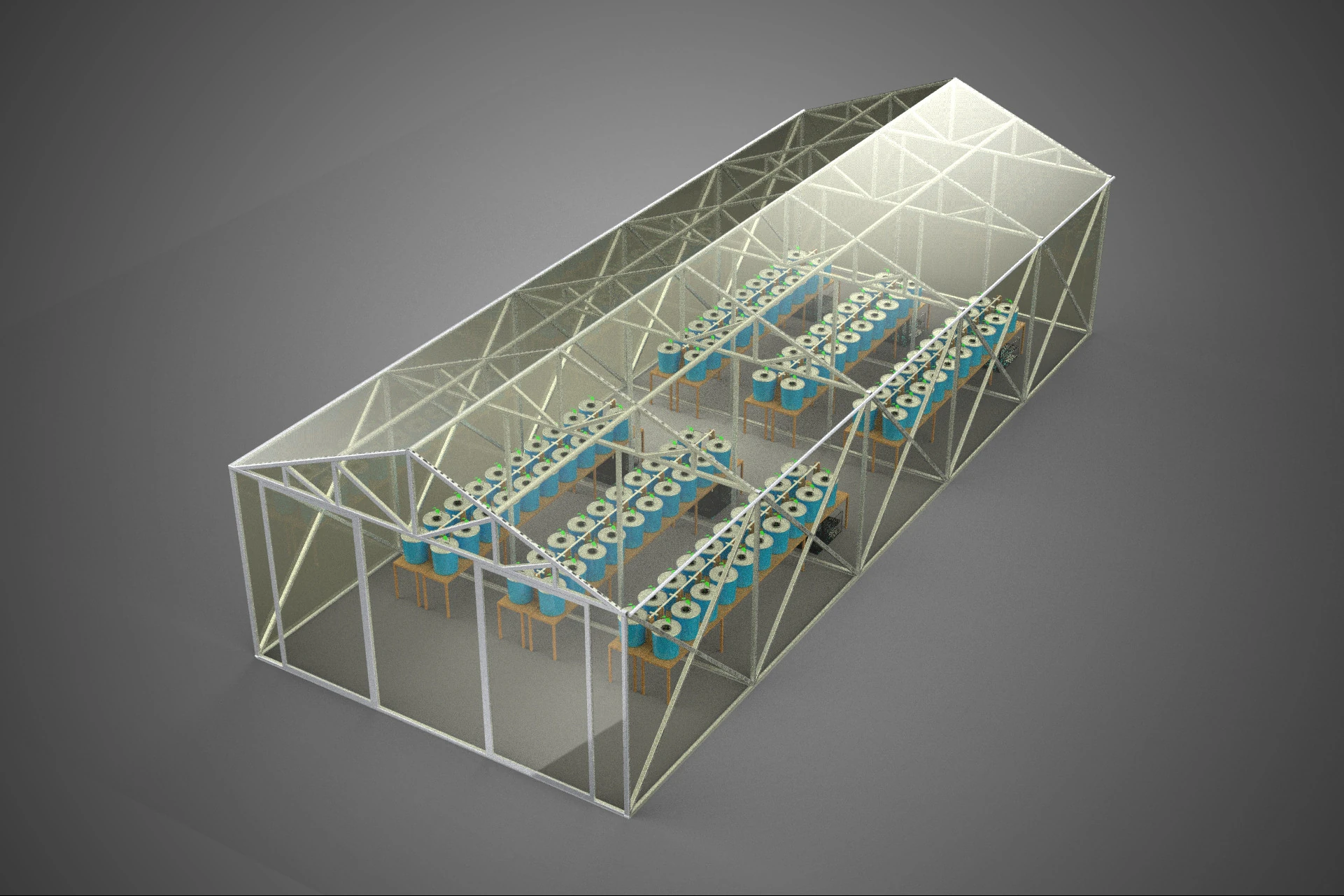
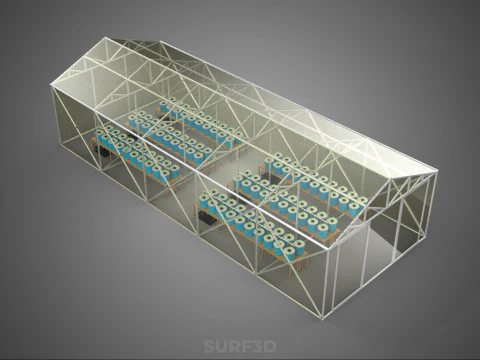
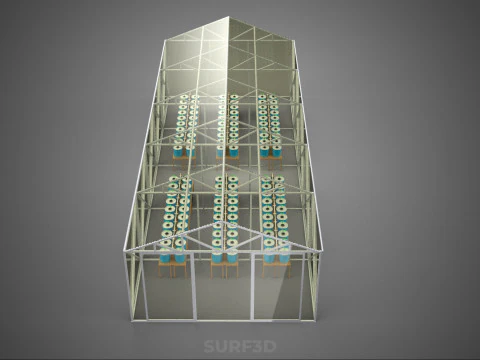
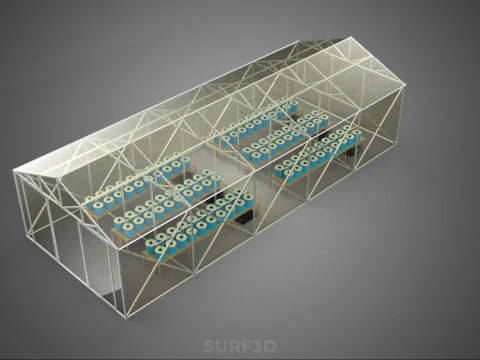
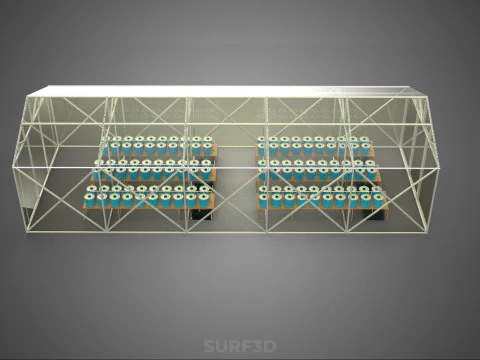
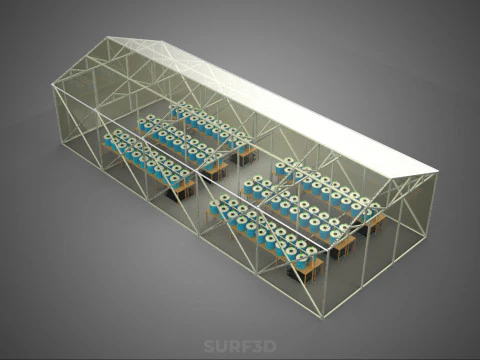
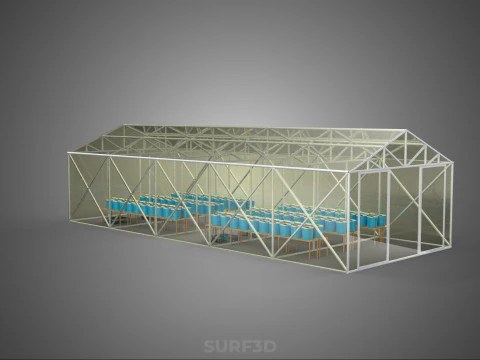
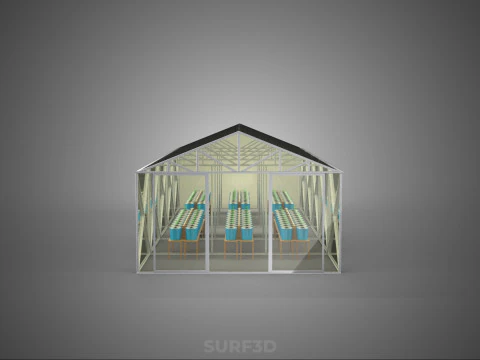
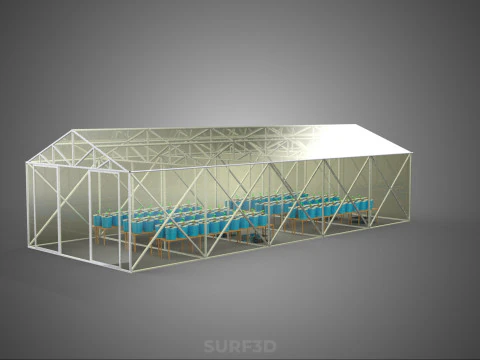
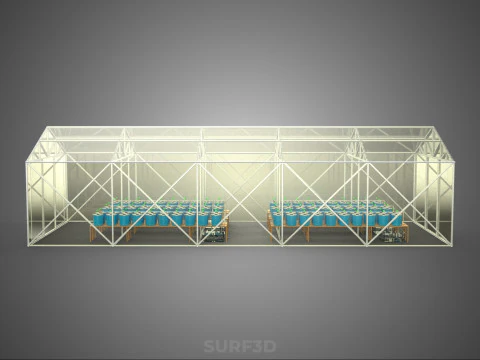
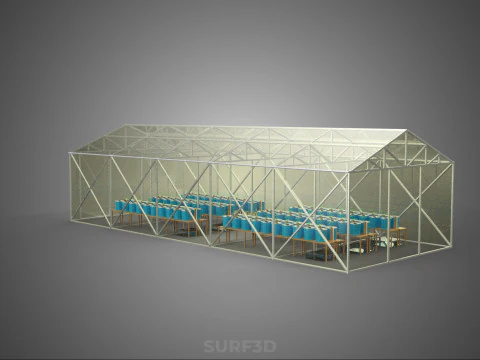
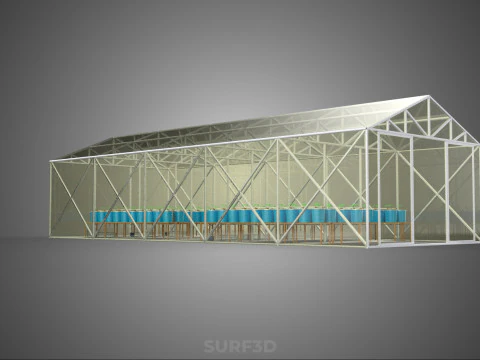
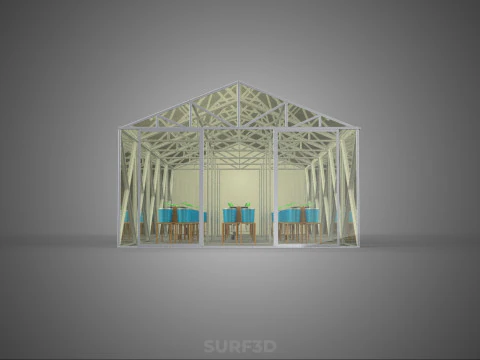
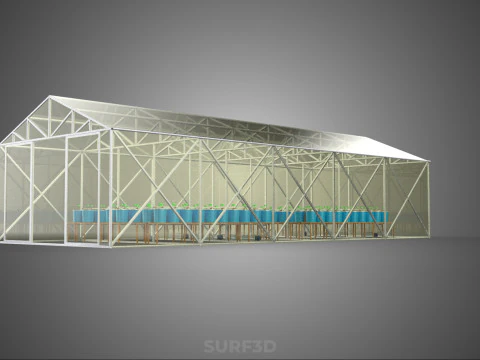
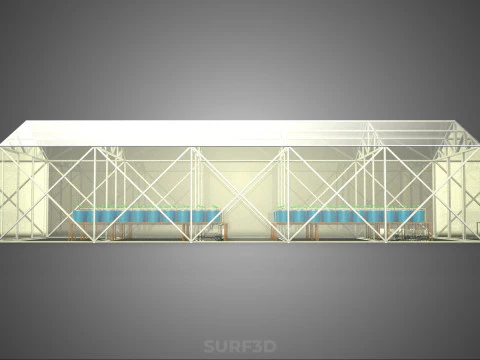
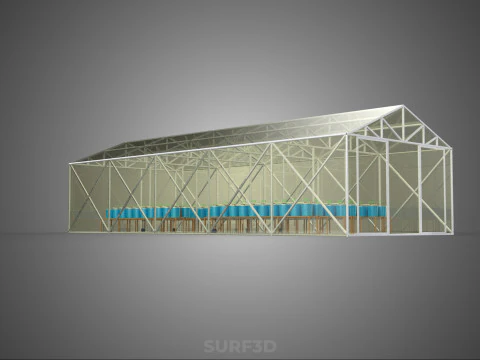
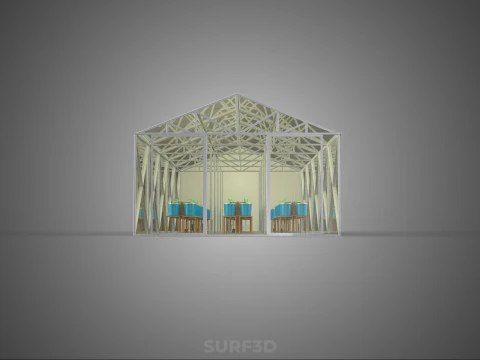
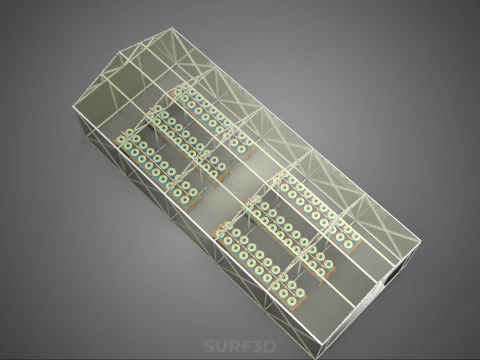
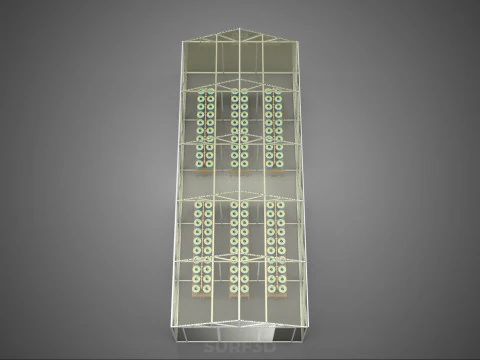
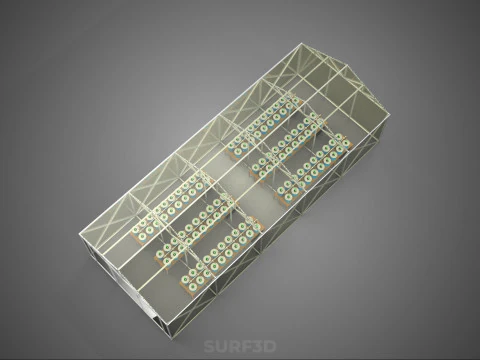
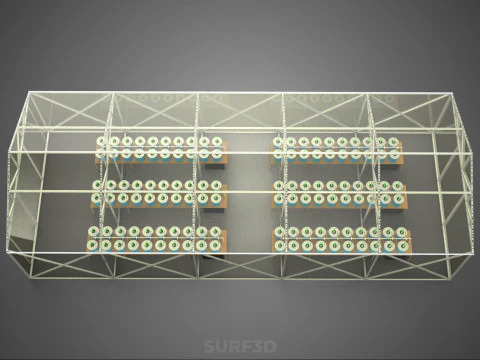
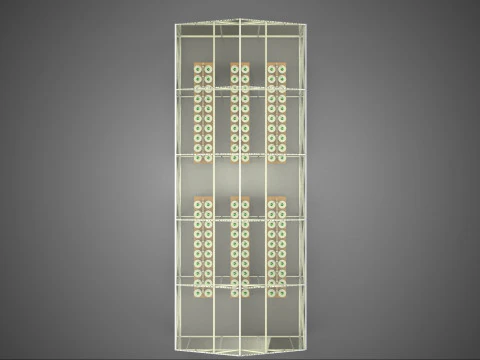
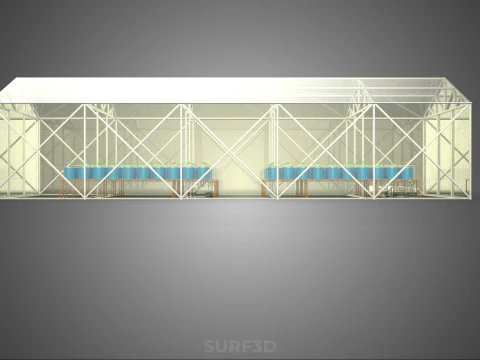
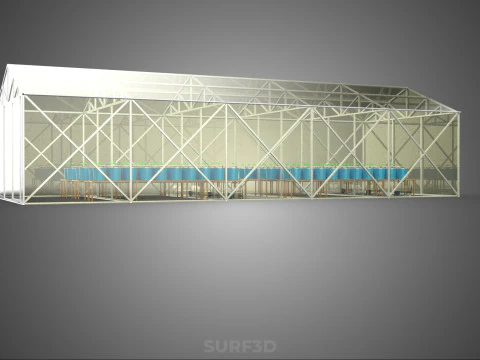
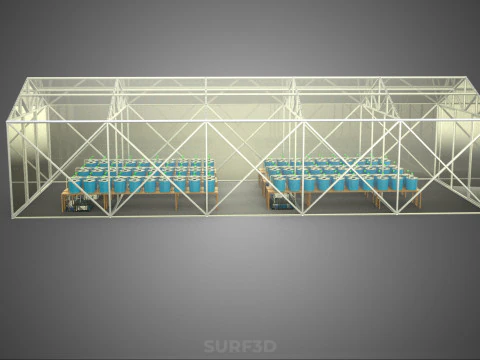
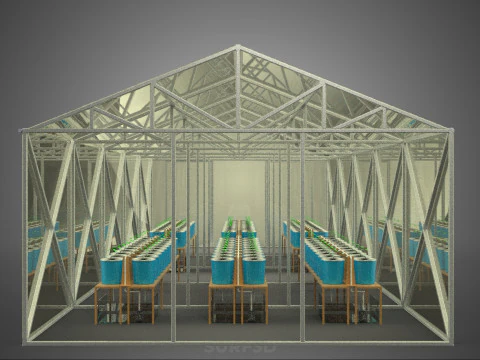
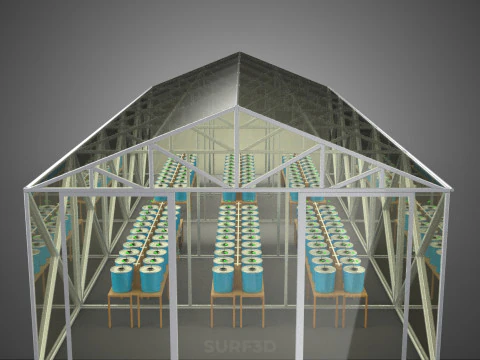
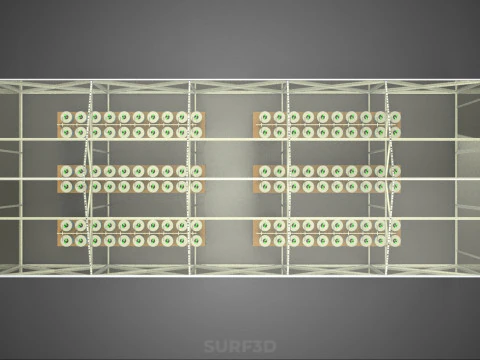
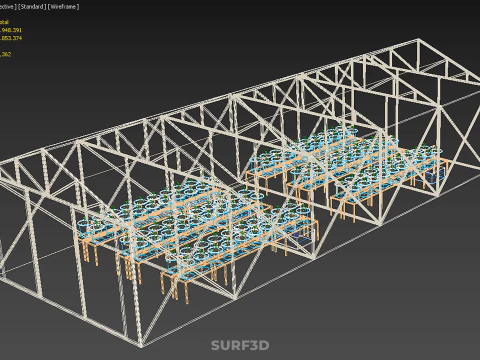
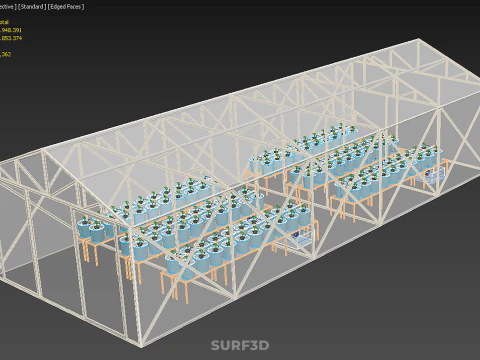
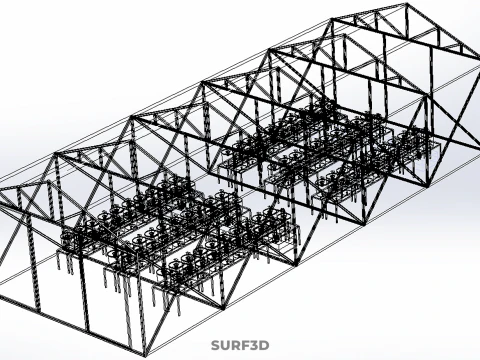
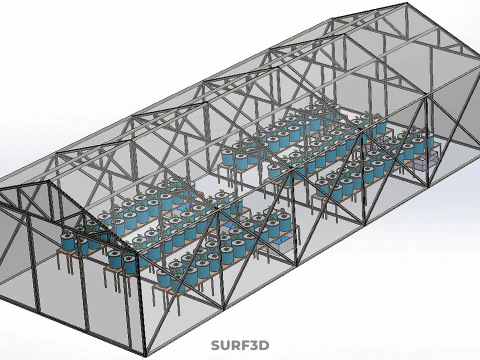
SISTEMA HIDROPÔNICO DE BALDE HOLANDÊS EM ESTUFA ESTUFA VIDRO Modelo 3D
- Solicitar suporte ao produto pelo autor


- Formatos disponíveis:
- ID do Item:618475
- Data: 2025-12-17
- Polígonos:6948391
- Vértices:5853374
- Animados:No
- Textura:No
- Equipados:No
- Materiais:
- Low-poly:No
- Coleção:No
- Mapeamento UVW:No
- Plugins Utilizados:No
- Pronto para impressão:No
- Scan 3D:No
- Conteúdo adulto:No
- PBR:No
- Treinamento de IA:No
- Geometria:Poly NURBS
- UVs não embalados:Unknown
- Visualizações:370
Descrição
High-quality 3D assets at affordable prices — trusted by designers, engineers, and creators worldwide. Made with care to be versatile, accessible, and ready for your pipeline.
Included File Formats
This model is provided in 14 widely supported formats, ensuring maximum compatibility:
• - FBX (.fbx) – Standard format for most 3D software and pipelines
• - OBJ + MTL (.obj, .mtl) – Wavefront format, widely used and compatible
• - STL (.stl) – Exported mesh geometry; may be suitable for 3D printing with adjustments
• - STEP (.step, .stp) – CAD format using NURBS surfaces
• - IGES (.iges, .igs) – Common format for CAD/CAM and engineering workflows (NURBS)
• - SAT (.sat) – ACIS solid model format (NURBS)
• - DAE (.dae) – Collada format for 3D applications and animations
• - glTF (.glb) – Modern, lightweight format for web, AR, and real-time engines
• - 3DS (.3ds) – Legacy format with broad software support
• - 3ds Max (.max) – Provided for 3ds Max users
• - Blender (.blend) – Provided for Blender users
• - SketchUp (.skp) – Compatible with all SketchUp versions
• - AutoCAD (.dwg) – Suitable for technical and architectural workflows
• - Rhino (.3dm) – Provided for Rhino users
Model Info
• - All files are checked and tested for integrity and correct content
• - Geometry uses real-world scale; model resolution varies depending on the product (high or low poly)
• • - Scene setup and mesh structure may vary depending on model complexity
• - Rendered using Luxion KeyShot
• - Affordable price with professional detailing
Buy with confidence. Quality and compatibility guaranteed.
If you have any questions about the file formats, feel free to send us a message — we're happy to assist you!
Sincerely,
SURF3D
Trusted source for professional and affordable 3D models.
More Information About 3D Model :
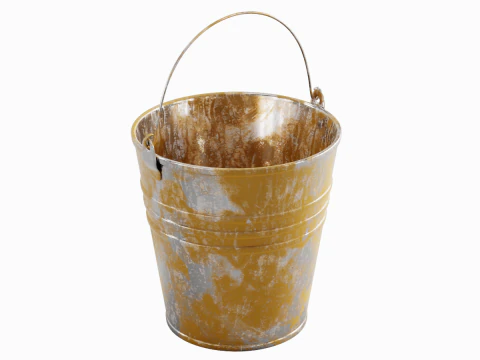
The **Dutch Bucket Hydroponic System** (also known as the Bato Bucket System) is a highly adaptable, recirculating hydroponic technique widely implemented in controlled environment agriculture, specifically within greenhouses, hothouses, or glasshouses (collectively referred to herein as CEA structures). This system is designed for the cultivation of large, vining crops that require substantial root support and nutrient delivery, such as tomatoes, cucumbers, peppers, eggplants, and various commercial cut flowers.
### System Architecture and Operation
The Dutch Bucket system operates as a semi-closed hydroponic circuit. The primary components include:
1. **Bato Buckets (Growing Modules):** These are typically food-grade, opaque plastic containers, often with a volume ranging from 10 to 20 liters. They are designed with a specific drain elbow or siphon mechanism inserted near the bottom. This elbow ensures a small reservoir of nutrient solution (typically 2-5 cm deep) remains in the bottom of the bucket, preventing complete desiccation of the growing medium and roots while facilitating optimal drainage and aeration.
2. **Growing Media:** The buckets are filled with inert, highly porous growing media that provide physical support and excellent gas exchange. Common media include perlite, vermiculite, rockwool cubes, coco coir (often mixed with perlite), or expanded clay aggregate (hydroton). Unlike deep water culture, the medium is essential for anchoring the plant.
3. **Nutrient Delivery:** A centralized reservoir holds the complete, balanced hydroponic nutrient solution. A submersible pump drives the solution through a main distribution line (header pipe). Smaller drip irrigation lines or spaghetti tubing branch off the main line, delivering the solution directly to the base of each plant in the individual buckets. The flow rate and irrigation frequency are meticulously controlled via timers based on the crop's physiological needs, the stage of growth, and environmental factors (e.g., light intensity, humidity).
4. **Drainage and Recirculation:** Excess nutrient solution that is not absorbed by the plants or retained by the medium drains out of the specialized elbow at the base of the bucket. This runoff is collected in a return drain channel or trough, often situated directly beneath the row of buckets. The drained solution flows by gravity back to the main reservoir for reprocessing and recirculation.
### Environmental Control and Greenhouse Integration
The integration of the Dutch Bucket system within a CEA structure (greenhouse, hothouse) is critical to its success. The controlled environment allows for precise management of factors essential for optimizing plant growth:
* **Temperature and Humidity:** HVAC systems, ventilation fans, and shading screens regulate ambient air temperature and relative humidity, mitigating disease pressure and optimizing transpiration rates.
* **Light Management:** Glass or polycarbonate glazing provides optimal light transmission, often supplemented by artificial grow lights (e.g., High-Pressure Sodium or LED fixtures) during periods of low natural light intensity or for photoperiod control.
* **Nutrient Management:** Because the system is recirculating, the nutrient solution's characteristics—primarily Electrical Conductivity (EC) and pH—are constantly monitored and adjusted automatically. EC dictates the concentration of dissolved mineral salts, and pH affects nutrient bioavailability. Water lost through evapotranspiration is replenished, and spent nutrients are occasionally flushed and replaced to prevent the buildup of specific ions or pathogens.
### Advantages and Disadvantages
The Dutch Bucket system offers several distinct advantages, contributing to its prevalence in commercial horticulture:
**Advantages:**
* **Water and Nutrient Efficiency:** The recirculating nature significantly conserves water and nutrients compared to open-field agriculture or drain-to-waste hydroponics.
* **High Yield Potential:** Precision nutrient delivery and optimal environmental control facilitate accelerated growth rates and higher yields per square meter.
* **Flexibility and Isolation:** Individual buckets isolate plants, limiting the spread of root-borne diseases between modules. The system is easily expandable and adaptable to uneven terrain.
* **Aeration:** The design ensures excellent root zone aeration due to the rapid drainage of the medium, reducing the risk of waterlogging.
**Disadvantages:**
* **Pathogen Risk:** While isolation limits localized spread, any systemic pathogen (e.g., *Pythium*) that enters the reservoir can quickly infect the entire crop via recirculation.
* **EC/pH Fluctuations:** Recirculation requires diligent monitoring. As plants selectively absorb ions, the EC and pH of the reservoir can change rapidly, necessitating sophisticated automated dosing systems.
* **Maintenance:** Regular cleaning of drain lines, drip emitters (to prevent clogging), and the reservoir is essential.
### Commercial Applications
The Dutch Bucket Hydroponic System is a global standard for high-density, long-term vining crop production, particularly in regions requiring maximized resource utilization or controlled climate conditions.
KEYWORDS: Dutch Bucket, Bato Bucket, Hydroponics, Greenhouse, CEA, Controlled Environment Agriculture, Recirculating System, Soilless Cultivation, Vining Crops, Tomatoes, Cucumbers, Peppers, Nutrient Film Technique, Drip Irrigation, Perlite, Coco Coir, EC Monitoring, pH Control, Substrate Hydroponics, Growing Media, Drainage System, Commercial Horticulture, Water Efficiency, High Yield, Glasshouse, Hothouse, Root Aeration, Nutrient Solution, Reservior, Automated Dosing.
Precisa de mais formatos?
Se precisar de um formato diferente, por favor abra um novo Support Ticket e solicite isso. Podemos converter modelos 3D para: .stl, .c4d, .obj, .fbx, .ma/.mb, .3ds, .3dm, .dxf/.dwg, .max. .blend, .skp, .glb. Conversão de Formato GrátisNão convertemos cenas 3D e formatos como .step, .iges, .stp, .sldprt.!
Informação de utilização
SISTEMA HIDROPÔNICO DE BALDE HOLANDÊS EM ESTUFA ESTUFA VIDRO - Pode utilizar este modelo 3D isento de royalties para fins pessoais e comerciais, de acordo com a Licença Básica ou Prolongada.A Licença Básica abrange a maioria dos casos de utilização padrão, incluindo anúncios digitais, projetos de design e visualização, contas comerciais em redes sociais, aplicações nativas, aplicações web, videojogos e produtos finais físicos ou digitais (gratuitos e vendidos).
A Licença Estendida inclui todos os direitos concedidos ao abrigo da Licença Básica, sem limitações de utilização, e permite que o modelo 3D seja utilizado em projetos comerciais ilimitados ao abrigo dos termos de isenção de royalties.
Leia mais
Vocêm fornecem garantia de devolução do dinheiro?
Sim, fornecemos. Se você comprou um produto e encontrou algum erro nas renderizações ou na descrição, tentaremos corrigir o problema assim que possível. Se não pudermos corrigir o erro, cancelaremos seu pedido e você receberá seu dinheiro de volta em até 24 horas após fazer o download do item. Leia mais condições aquiPalavras-chave