
 English
 Español
 Deutsch
 日本語
日本語 Polska
 Français
 한국의
한국의 Українська
 Italiano
 Nederlands
 Türkçe
















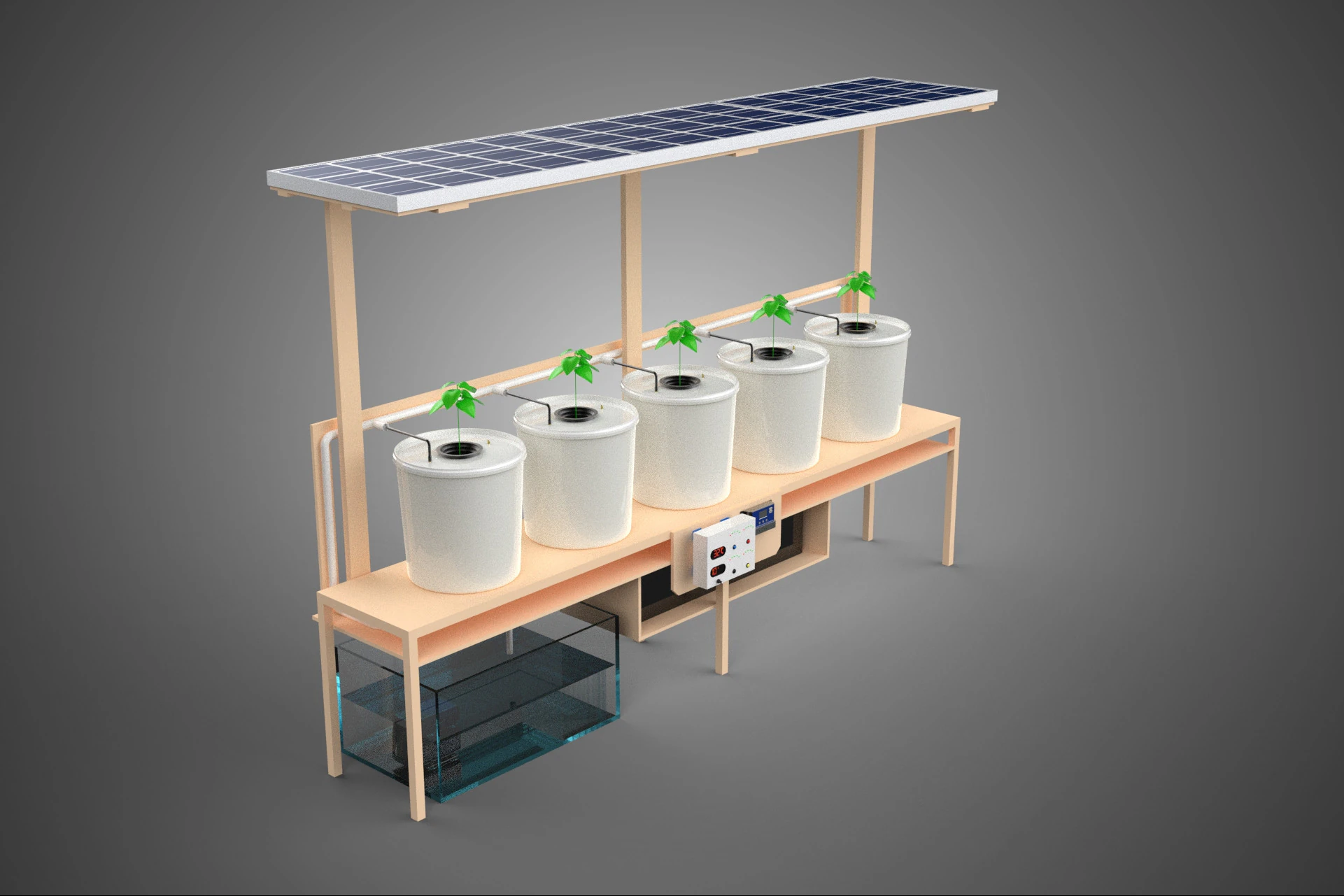
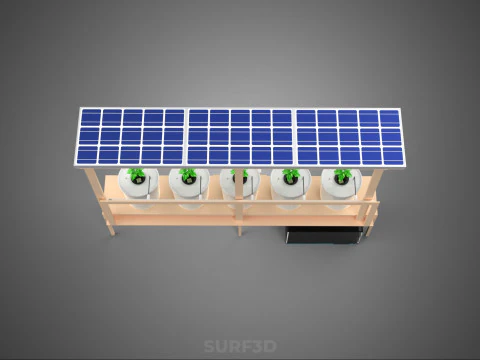
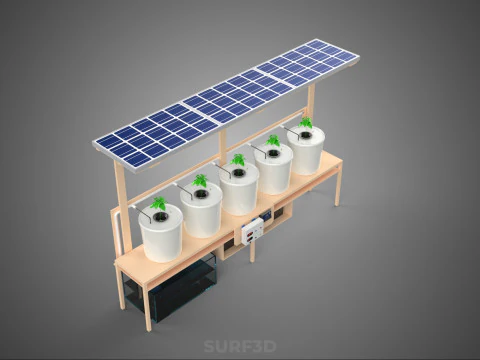
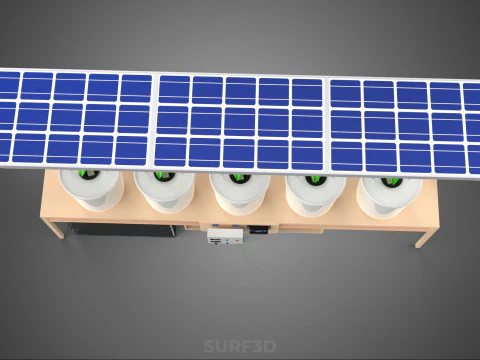
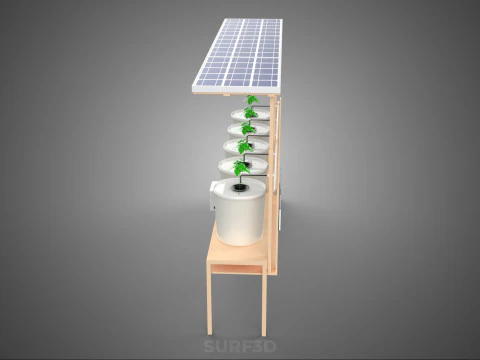
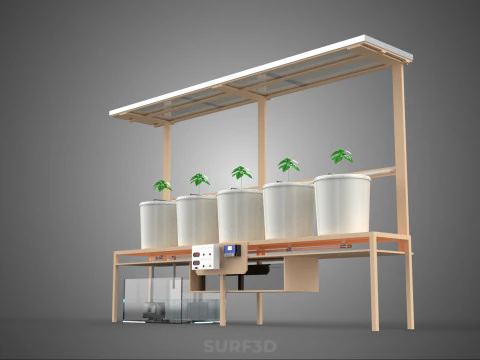
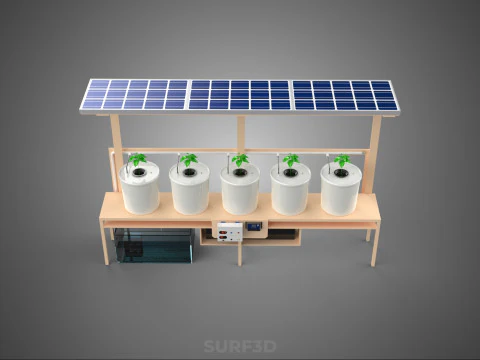
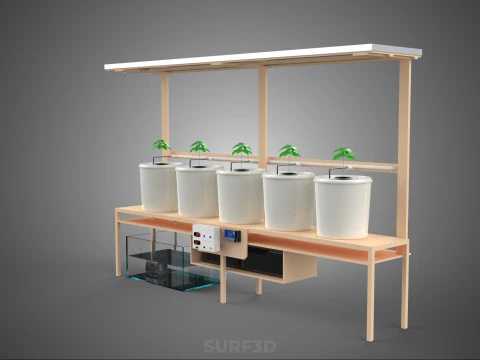
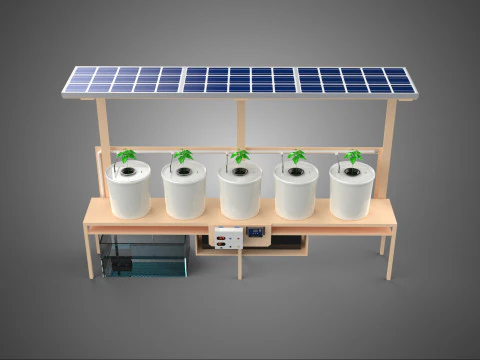
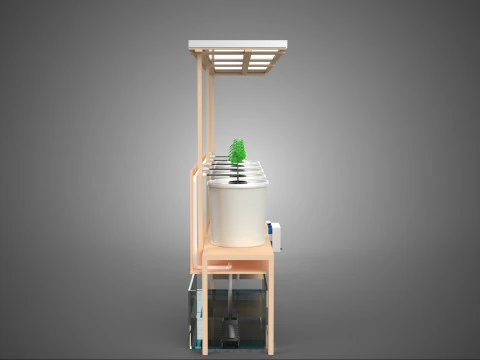
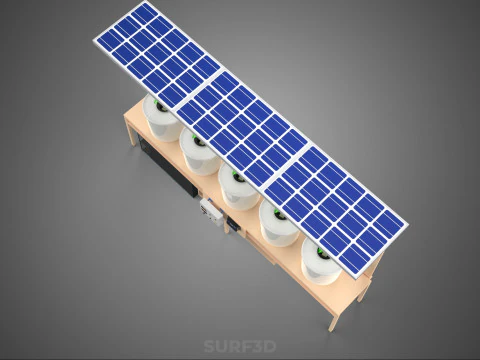
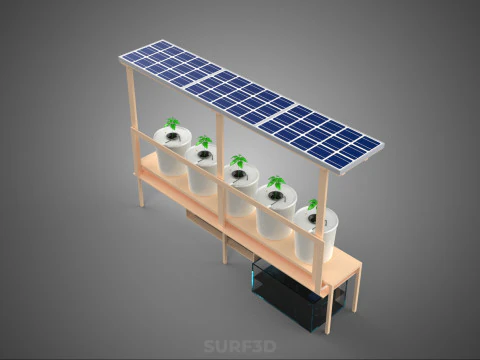
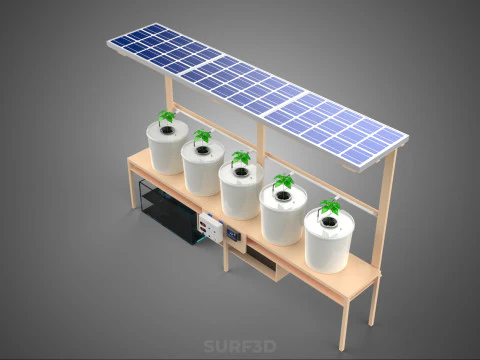
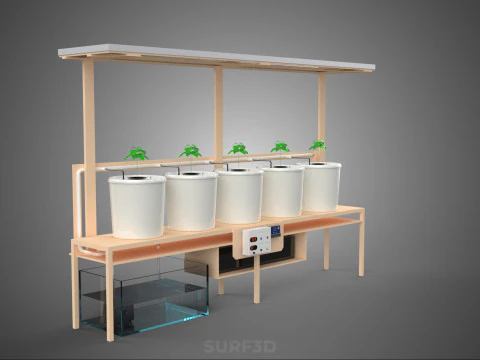
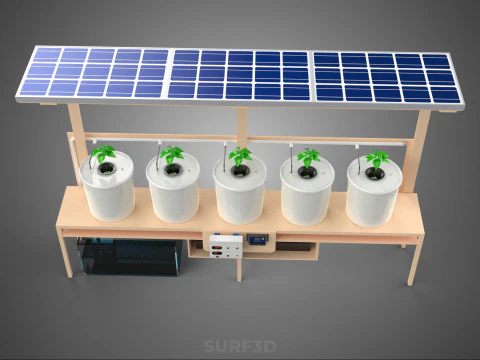
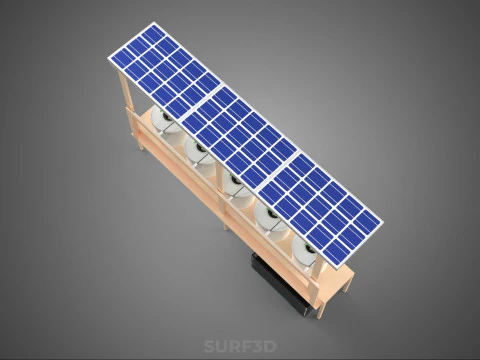
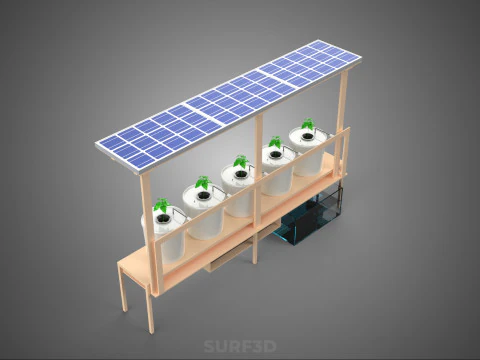
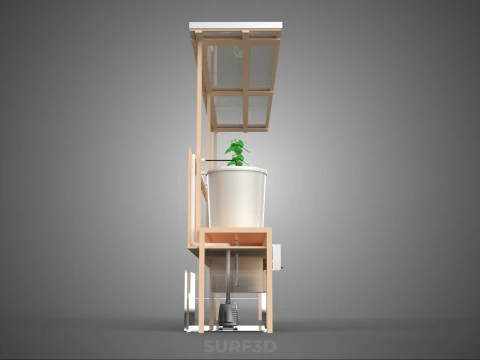
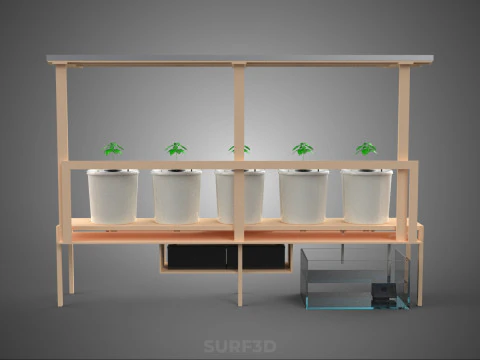
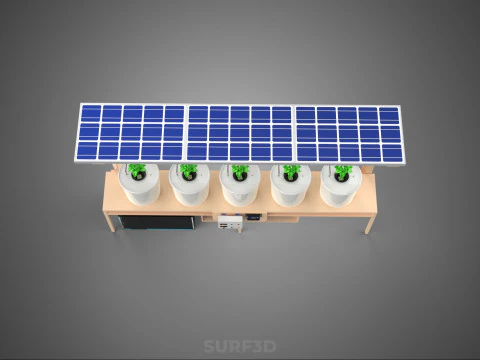
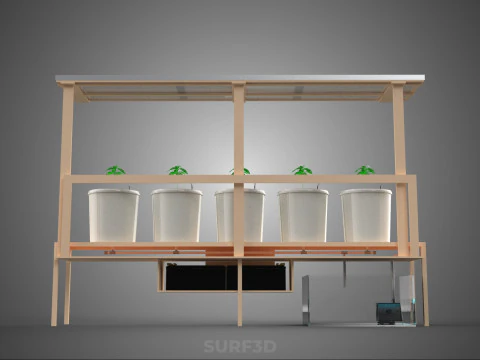
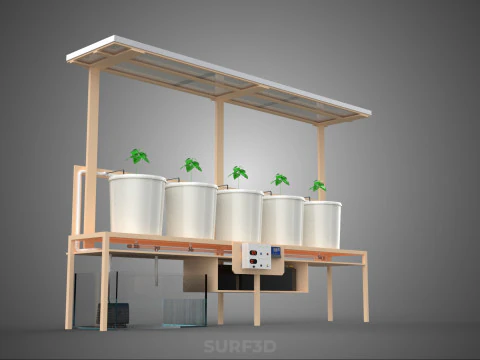
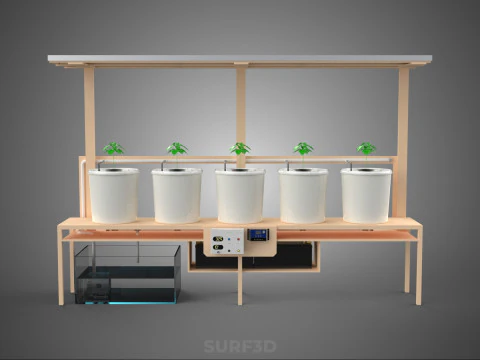
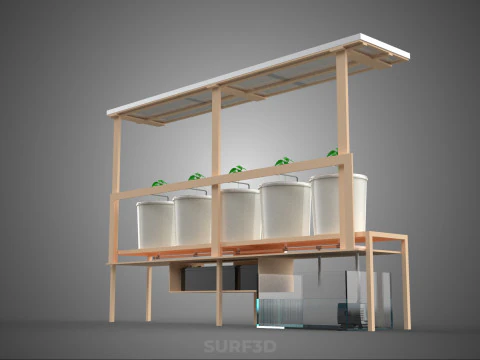
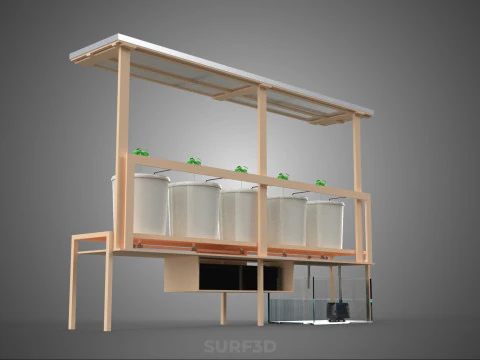
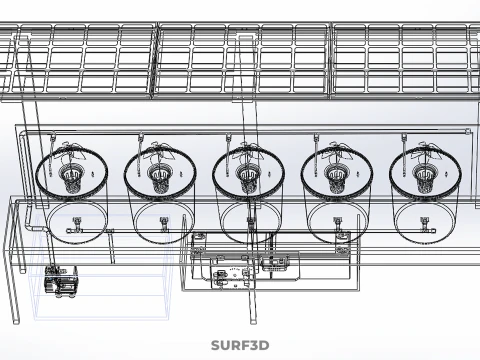
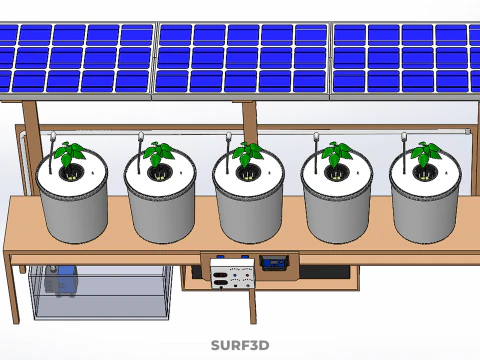
PAINEL SOLAR IOT HIDROPÔNICA PLANTA AEROPÔNICA SISTEMA DE BALDE HOLANDÊS Modelo 3D

- Solicitar suporte ao produto pelo autor


- Formatos disponíveis:
- ID do Item:617846
- Data: 2025-12-14
- Polígonos:505564
- Vértices:414747
- Animados:No
- Textura:No
- Equipados:No
- Materiais:Yes
- Low-poly:No
- Coleção:No
- Mapeamento UVW:No
- Plugins Utilizados:No
- Pronto para impressão:No
- Scan 3D:No
- Conteúdo adulto:No
- PBR:No
- Treinamento de IA:No
- Geometria:Poly NURBS
- UVs não embalados:Unknown
- Visualizações:584
Descrição
High-quality 3D assets at affordable prices — trusted by designers, engineers, and creators worldwide. Made with care to be versatile, accessible, and ready for your pipeline.
Included File Formats
This model is provided in 14 widely supported formats, ensuring maximum compatibility:
• - FBX (.fbx) – Standard format for most 3D software and pipelines
• - OBJ + MTL (.obj, .mtl) – Wavefront format, widely used and compatible
• - STL (.stl) – Exported mesh geometry; may be suitable for 3D printing with adjustments
• - STEP (.step, .stp) – CAD format using NURBS surfaces
• - IGES (.iges, .igs) – Common format for CAD/CAM and engineering workflows (NURBS)
• - SAT (.sat) – ACIS solid model format (NURBS)
• - DAE (.dae) – Collada format for 3D applications and animations
• - glTF (.glb) – Modern, lightweight format for web, AR, and real-time engines
• - 3DS (.3ds) – Legacy format with broad software support
• - 3ds Max (.max) – Provided for 3ds Max users
• - Blender (.blend) – Provided for Blender users
• - SketchUp (.skp) – Compatible with all SketchUp versions
• - AutoCAD (.dwg) – Suitable for technical and architectural workflows
• - Rhino (.3dm) – Provided for Rhino users
Model Info
• - All files are checked and tested for integrity and correct content
• - Geometry uses real-world scale; model resolution varies depending on the product (high or low poly)
• • - Scene setup and mesh structure may vary depending on model complexity
• - Rendered using Luxion KeyShot
• - Affordable price with professional detailing
Buy with confidence. Quality and compatibility guaranteed.
If you have any questions about the file formats, feel free to send us a message — we're happy to assist you!
Sincerely,
SURF3D
Trusted source for professional and affordable 3D models.
More Information About 3D Model :
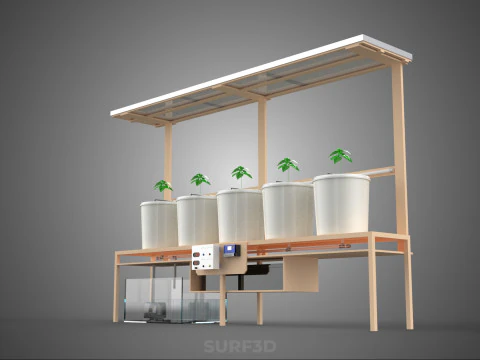
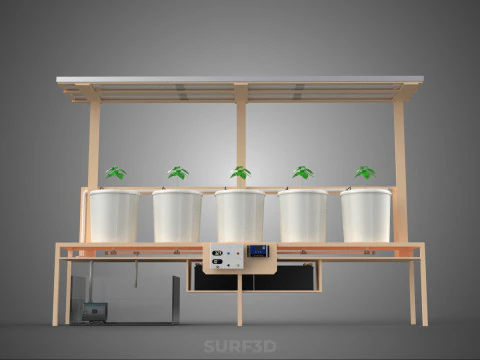
**IOT SOLAR PANEL HYDROPONIC AEROPONIC PLANT DUTCH BUCKET SYSTEM**
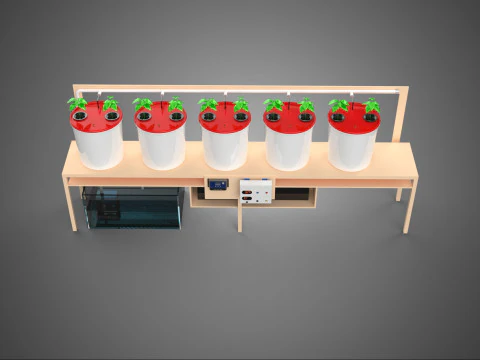
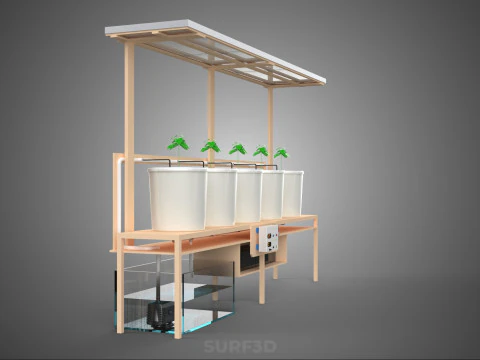
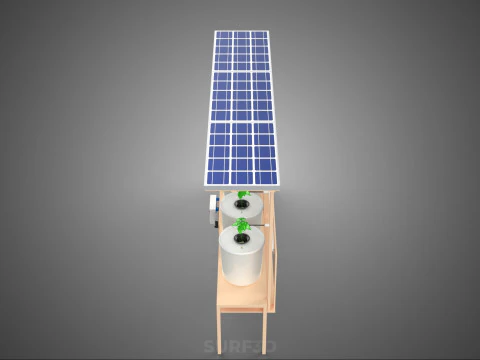
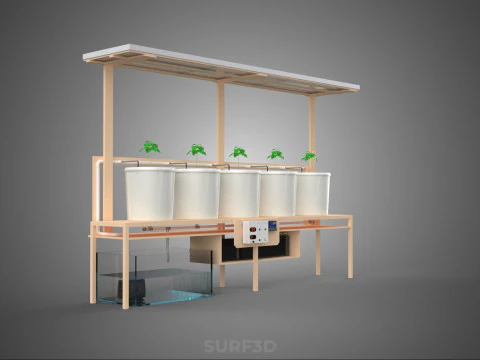
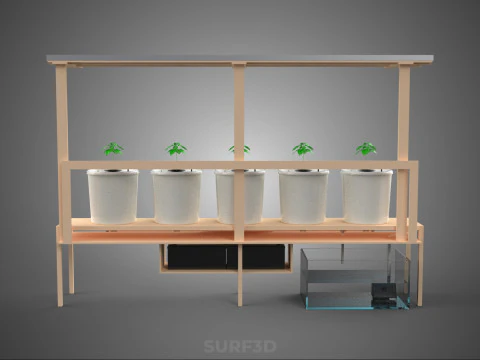
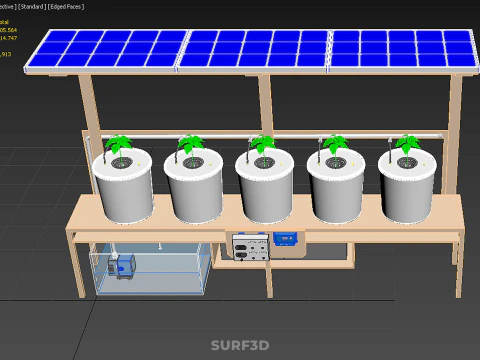
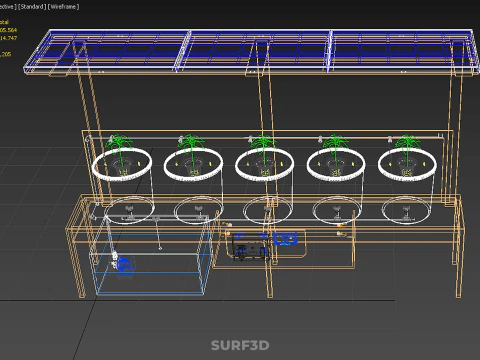
The IOT Solar Panel Hydroponic Aeroponic Plant Dutch Bucket System represents an advanced, highly integrated Controlled Environment Agriculture (CEA) platform designed for sustainable and automated crop production, typically utilized in environments where resource efficiency and energy independence are paramount. This system synthesizes specific soilless cultivation techniques with renewable energy generation and real-time monitoring capabilities provided by the Internet of Things (IoT).
### System Architecture and Components
The integrated system is characterized by three primary functional subsystems: the cultivation matrix, the renewable energy source, and the digital monitoring and control layer.
#### 1. Cultivation Subsystem (Dutch Bucket/Hybrid Method)
The foundational structure is the Dutch Bucket System (DBS), also known as the Bato Bucket System. This method is particularly suitable for large, long-term fruiting crops such as tomatoes, cucumbers, peppers, and eggplants, which require substantial root support and nutrient delivery precision.
* **Dutch Bucket Operation:** Individual containers, filled with an inert growth medium (e.g., perlite, coco coir, rockwool), are positioned above a centralized drain line. Nutrient solution is delivered to the base of the plant via drip emitters and is allowed to pool briefly before passively draining through an overflow elbow, ensuring partial saturation while maintaining adequate root zone oxygenation. This solution is captured in the drain line and returned to a central reservoir for recirculation, minimizing water and nutrient waste.
* **Hydroponic/Aeroponic Integration:** While primarily a recirculating hydroponic method, the system’s nutrient delivery infrastructure can be adapted. Standard hydroponic delivery uses low-pressure pumps and drip lines. The inclusion of "Aeroponic" implies the potential integration of high-pressure nutrient delivery nozzles, particularly beneficial for early growth stages or for maximizing root zone oxygen saturation by atomizing the nutrient solution mist within the bucket base or an auxiliary growth chamber.
#### 2. Renewable Energy Subsystem (Solar PV)
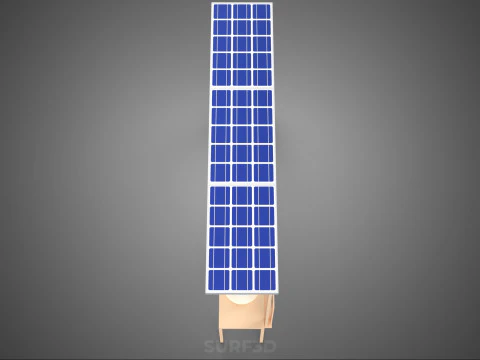
A Photovoltaic (PV) array serves as the primary or supplementary power source, enabling off-grid operation and significantly reducing the environmental footprint associated with conventional grid power consumption.
* **Function:** The solar panels convert solar irradiance into electrical energy, which is conditioned and stored in battery banks. This stored energy powers critical system components, including circulation pumps, air pumps (for reservoir oxygenation), solenoid valves, and the integrated IOT sensor array and microcontroller unit.
* **Sustainability:** Reliance on solar power ensures operational continuity, particularly in remote locations, and fulfills the goal of sustainable agriculture by using clean energy to drive resource recirculation.
#### 3. IOT Monitoring and Control Subsystem
The integration of IoT technology transforms the system from a passive hydroponic setup into a dynamic, precision agriculture platform.
* **Sensing and Data Acquisition:** A network of sensors continuously monitors critical environmental parameters. These typically include Electrical Conductivity (EC) or Total Dissolved Solids (TDS) for nutrient concentration, pH levels for nutrient bioavailability, water temperature, reservoir level, ambient air temperature, relative humidity, and Photosynthetic Active Radiation (PAR) or light intensity.
* **Automation:** Data collected is processed by a central microcontroller. Based on pre-set optimal ranges, the system autonomously controls peripheral devices. Examples include activating dosing pumps to adjust pH or nutrient strength, cycling circulation pumps based on irrigation schedules, and managing environmental control actuators (e.g., ventilation fans).
* **Remote Management:** Utilizing wireless protocols (Wi-Fi, Zigbee, or cellular networks), the data is transmitted to a cloud server or local gateway. This allows growers to remotely monitor system health, analyze performance trends, receive alerts for deviations, and override automated settings via a web interface or mobile application.
### Operational Principles and Advantages
The system functions on a continuous, controlled loop where the solar PV array sustains the power needs of the monitoring and delivery systems, ensuring consistent environmental conditions for optimal plant health. The Dutch Bucket framework allows for precise, tailored irrigation cycles specific to the crop’s growth stage, while the IOT layer guarantees that resource application is data-driven and instantaneous.
Key advantages include substantial reductions in water usage (due to recirculation), minimized reliance on external power grids, maximized nutrient use efficiency (NUE) through precise dosing, and reduced labor costs due to comprehensive automation and remote diagnostics.
KEYWORDS: Controlled Environment Agriculture, Dutch Bucket, Bato Bucket, Aeroponics, Hydroponics, Solar PV, Internet of Things, Recirculating System, Soilless Culture, Precision Agriculture, Nutrient Film Technique, Off-Grid Farming, Automation, Resource Efficiency, Microcontroller, Sensor Technology, Nutrient Dosing, Photovoltaics, Wireless Monitoring, Data Logging, Crop Yield, Sustainable Agriculture, pH Control, EC Monitoring, Water Conservation, CEA Integration, Energy Independence, Plant Physiology, Closed Loop System, Drip Irrigation.
Precisa de mais formatos?
Se precisar de um formato diferente, por favor abra um novo Support Ticket e solicite isso. Podemos converter modelos 3D para: .stl, .c4d, .obj, .fbx, .ma/.mb, .3ds, .3dm, .dxf/.dwg, .max. .blend, .skp, .glb. Conversão de Formato GrátisNão convertemos cenas 3D e formatos como .step, .iges, .stp, .sldprt.!
Informação de utilização
PAINEL SOLAR IOT HIDROPÔNICA PLANTA AEROPÔNICA SISTEMA DE BALDE HOLANDÊS - Pode utilizar este modelo 3D isento de royalties para fins pessoais e comerciais, de acordo com a Licença Básica ou Prolongada.A Licença Básica abrange a maioria dos casos de utilização padrão, incluindo anúncios digitais, projetos de design e visualização, contas comerciais em redes sociais, aplicações nativas, aplicações web, videojogos e produtos finais físicos ou digitais (gratuitos e vendidos).
A Licença Estendida inclui todos os direitos concedidos ao abrigo da Licença Básica, sem limitações de utilização, e permite que o modelo 3D seja utilizado em projetos comerciais ilimitados ao abrigo dos termos de isenção de royalties.
Leia mais
Vocêm fornecem garantia de devolução do dinheiro?
Sim, fornecemos. Se você comprou um produto e encontrou algum erro nas renderizações ou na descrição, tentaremos corrigir o problema assim que possível. Se não pudermos corrigir o erro, cancelaremos seu pedido e você receberá seu dinheiro de volta em até 24 horas após fazer o download do item. Leia mais condições aquiPalavras-chave
- fotovoltaico
- tanque
- reciclagem
- água
- cultivo
- bato
- pote de rede
- líquido
- pote
- dwc
- nft
- vertical
- jardinagem
- jardim
- nutrição
- nutriente
- poder
- reservatório
- agricultura
- muda