


 English
 Español
 Deutsch
 日本語
 Polska
 Français
 한국의
 Українська
 Italiano
 Nederlands
 Türkçe
 Bahasa Indonesia
 Русский
 中國
 हिंदी

















lobisomem Modelos 3D
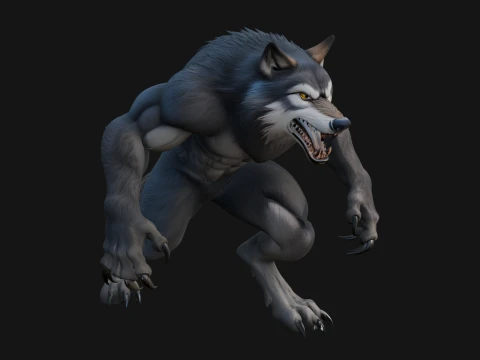
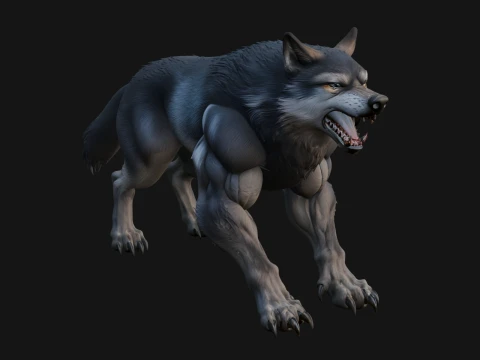
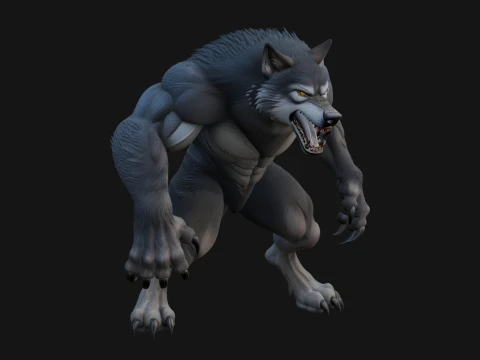
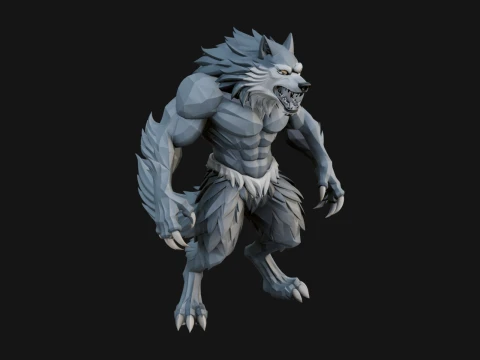
Nós temos 283 item(s) Sem Royalties werewolf Modelos 3D. Compre ou baixe modelos 3D gratuitos para seus projetos CG, produção de filmes e vídeos, animação, visualizações, jogos, VR/AR e outros. Você pode baixar qualquer modelo 3D em todos os formatos 3D populares, incluindo MAX, OBJ, FBX, 3DS, STL, C4D, BLEND, MAYA
- -20%
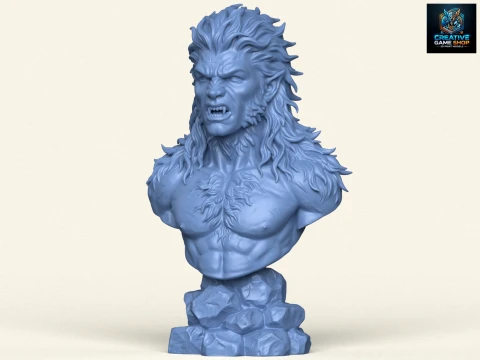 creativegameshopSculpture
- -20%
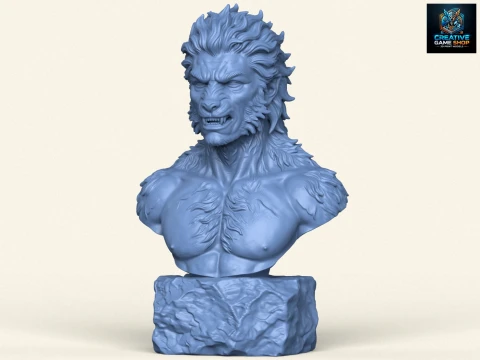 creativegameshopMonsters and Creatures
- -20%
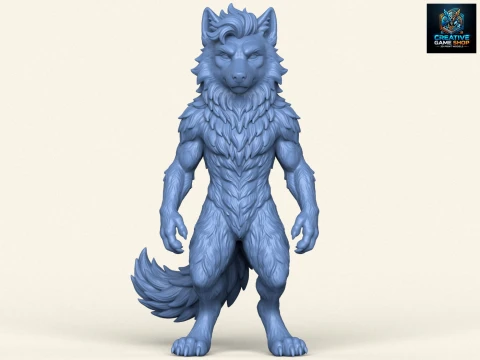 creativegameshopMonsters and Creatures$8.00
$10.00 - -50%
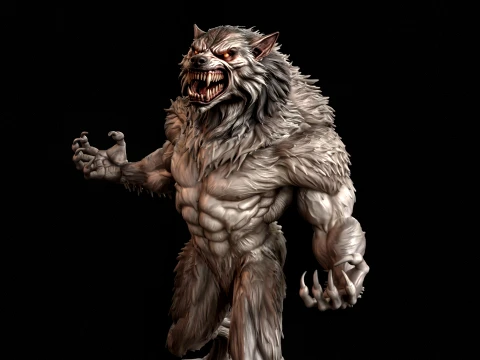 Andryuha1981Monsters and Creatures
- -30%
 ARCHVANTAMonsters and Creatures
- -30%
 ARCHVANTAMonsters and Creatures
- -30%
 ARCHVANTAMonsters and Creatures
- -30%
 ARCHVANTAMonsters and Creatures
- -30%
 ARCHVANTASculpture
- -30%
 ARCHVANTASculpture
- -30%
 ARCHVANTASculpture
- -30%
 ARCHVANTASculpture
- -30%
 ARCHVANTASculpture
- -30%
 ARCHVANTASculpture
- -30%
 ARCHVANTASculpture
- -30%
 ARCHVANTASculpture
- -30%
 ARCHVANTASculpture
 unbreakableAnimals
- -50%
 Andryuha1981Monsters and Creatures
 unbreakableBoard Games
- -30%
 TriDsignOther
- -10%
 unbreakableMonsters and Creatures
- -10%
 unbreakableMonsters and Creatures

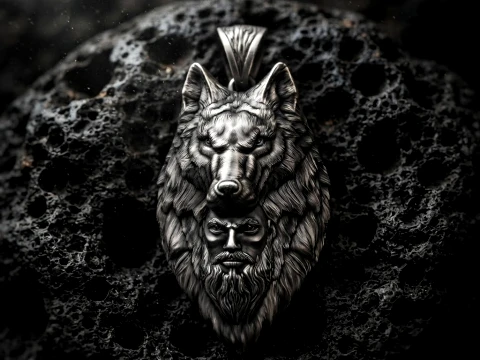


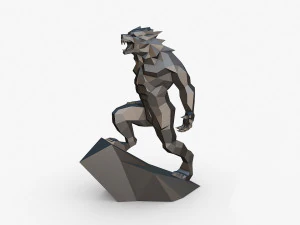
















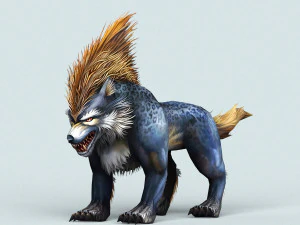


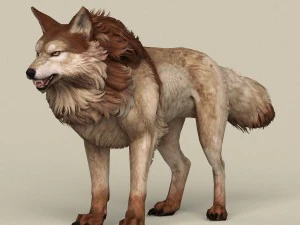
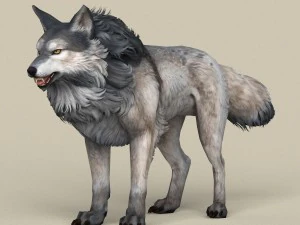
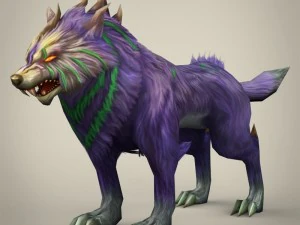

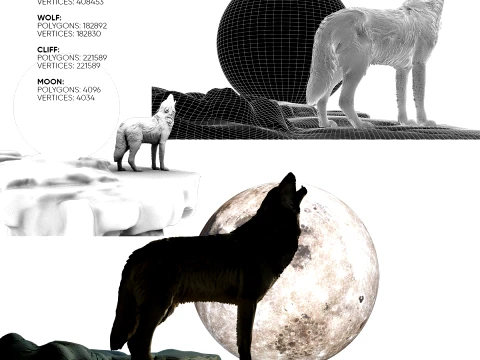
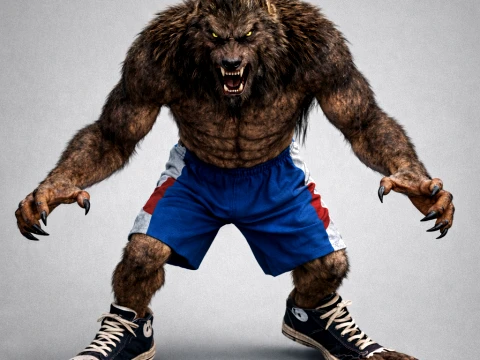
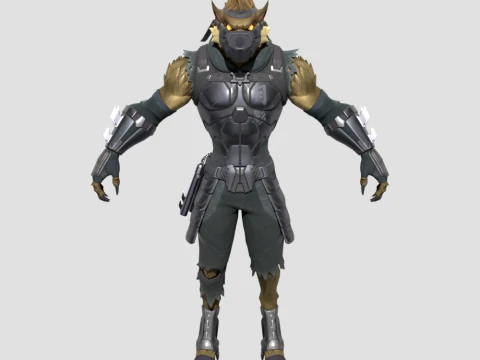
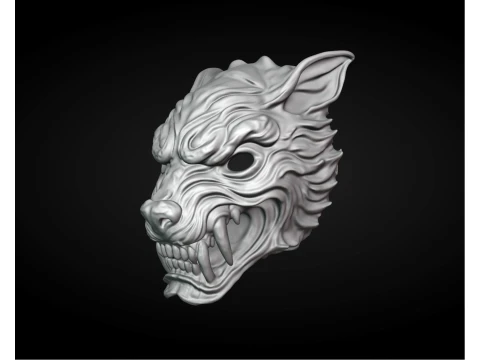

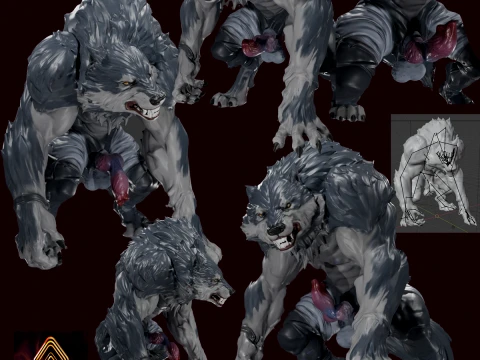

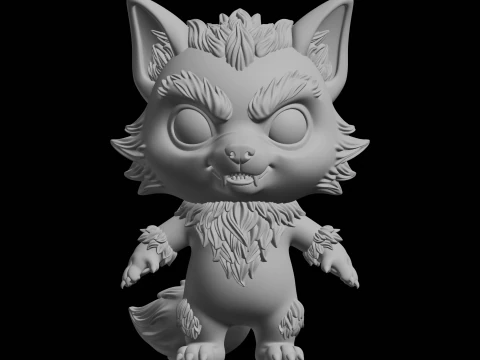



Pesquisas em alta Modelos 3D:
Escultura Modelos 3D Personagens Modelos 3D Cozinha Modelos 3D cavalo Modelos 3D Arquitetura Exterior Modelos 3D Telefone e telemóvel Modelos 3D Vegetal Modelos 3D Joalheria Modelos 3D Brinquedos Modelos 3D Médico Modelos 3D Helicoptro Modelos 3D arma pesada Modelos 3D Caminhão Modelos 3D Anatomia Modelos 3DQ1: What anatomical features define a production-quality werewolf 3D model?
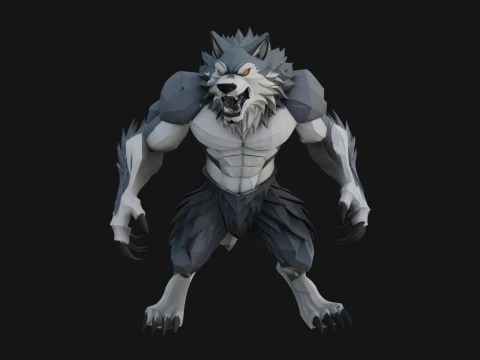
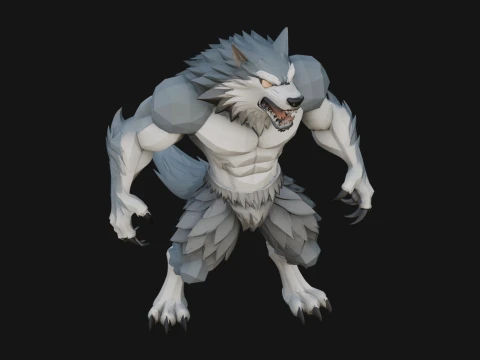
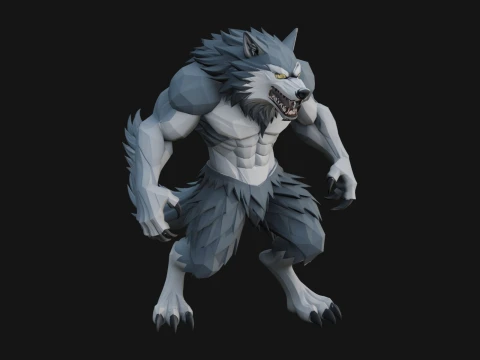
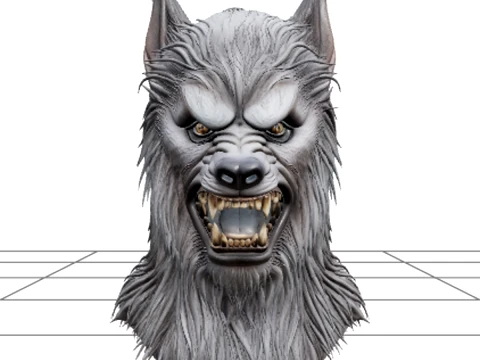
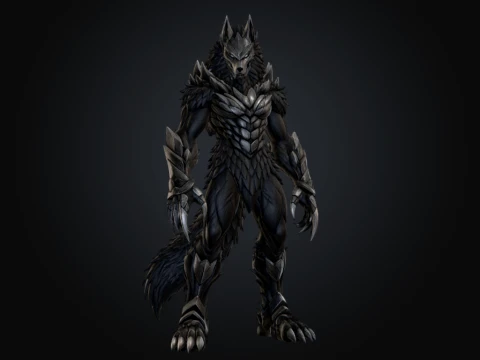
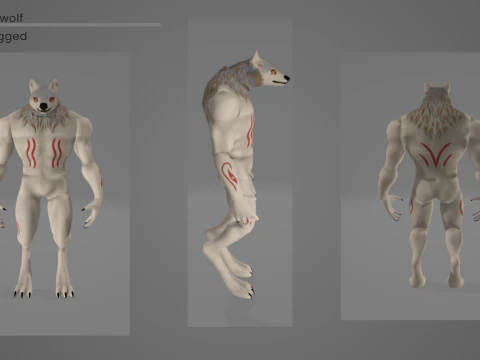
The transformation between human and wolf anatomy is what makes werewolf design challenging — the model needs to read as both simultaneously. Key markers: digitigrade legs (the signature bent-leg stance), elongated muzzle geometry with separate upper and lower jaw rigging, ear placement high on the skull, and a hunched thoracic spine suggesting the transition hasn't fully completed. Hands with extended clawed fingers bridging human and wolf paw morphology. The proportions matter: shoulders wider than hips, arms slightly longer than human-normal, torso elongated. Models that simply put a wolf head on a human body miss these in-between characteristics entirely.
Q2: How is fur handled on werewolf 3D models for game use?
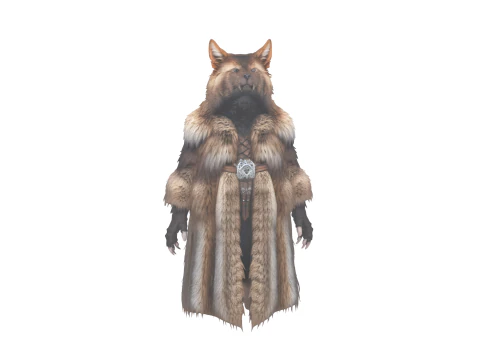
Card-based fur is the industry standard for real-time game characters with fur. Cards are flat polygon strips with fur alpha textures, placed to follow the natural growth direction of the coat. For a werewolf specifically, fur length and density varies by body region — shorter on the face and hands where the design reads as more human, longer on the back and shoulders. The card placement needs to account for rigging deformation: fur cards on the shoulder and chest area must be distributed so they don't intersect wildly during arm movement. Most commercial werewolf models on 3DExport use this approach; models that claim "realistic fur" for real-time use are almost universally card-based.
Q3: Are there werewolf transformation animations available with these models?
A few sellers include transformation sequences, but it's a rare and expensive feature. True metamorphosis animation — smooth transition from human to werewolf form — requires either shape keys blending between two body configurations or a muscle simulation system. The former is more common: the human and werewolf meshes share topology, and blend shapes drive the transformation by morphing between configurations. For film-quality transformation, ZBrush sculpting provides intermediate shapes between states that are then interpolated as blend shapes in the final rig. For most game use cases, a "pre-transformation" and "post-transformation" model with a particle or shader-based transition effect is more practical than full geometry morphing.
Q4: What game genres use werewolf 3D models most frequently?
Action-RPGs and horror games are the obvious home. The Soulsborne genre has popularized high-detail beast-form boss characters that share werewolf visual language. Open-world RPGs use werewolf characters as enemy types, companion characters, and player transformation mechanics. Horror titles use them as antagonists. Beyond games, werewolf models appear in tabletop RPG miniature printing (Pathfinder and World of Darkness tabletop communities in particular), Halloween-themed VR experiences, and horror film student projects. The D&D-adjacent tabletop printing market specifically wants models optimized for resin printing at 28–32mm scale with exaggerated surface detail for easy painting.