


 English
 Español
 Deutsch
 日本語
日本語 Polska
 Français
 한국의
한국의 Українська
 Italiano
 Nederlands
 Türkçe
 Bahasa Indonesia
 Русский
 中國
中國 हिंदी
हिंदी
















zumbi Modelos 3D
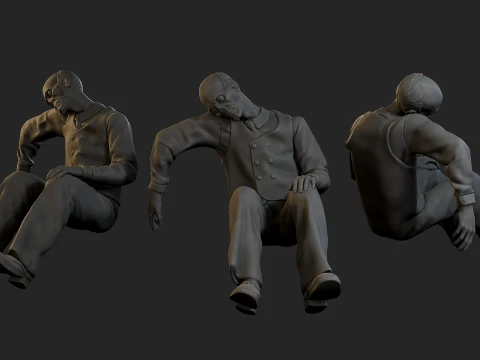
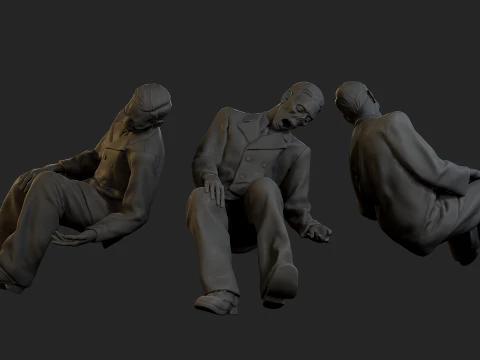
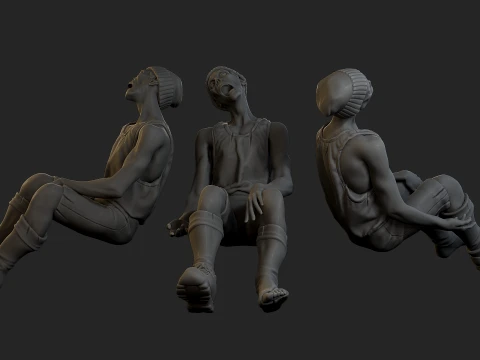
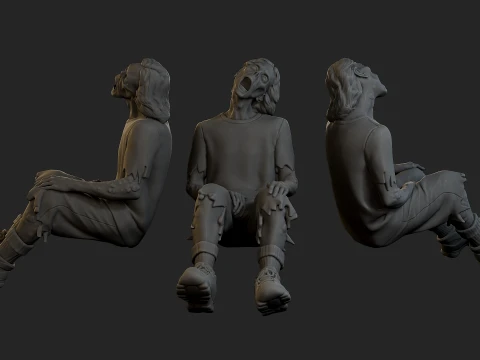
Nós temos 1610 item(s) Sem Royalties zombie Modelos 3D. Compre ou baixe modelos 3D gratuitos para seus projetos CG, produção de filmes e vídeos, animação, visualizações, jogos, VR/AR e outros. Você pode baixar qualquer modelo 3D em todos os formatos 3D populares, incluindo MAX, OBJ, FBX, 3DS, STL, C4D, BLEND, MAYA
- -30%
 MakerLabToys
  gtprologueMonsters and Creatures
 cganimalworldOther
- -30%
 MakerLabToys
  breakermaximusMonster
- -30%
 MakerLabKeychains
 - -30%
 MakerLabToys
  Devils3DArtistDecor
 Devils3DArtistDecor



















Pesquisas em alta Modelos 3D:
Escultura Modelos 3D Personagens Modelos 3D Cozinha Modelos 3D cavalo Modelos 3D Arquitetura Exterior Modelos 3D Telefone e telemóvel Modelos 3D Vegetal Modelos 3D Joalheria Modelos 3D Brinquedos Modelos 3D Médico Modelos 3D Helicoptro Modelos 3D arma pesada Modelos 3D Caminhão Modelos 3D Anatomia Modelos 3DP1: Quais características visuais definem um modelo 3D de zumbi com qualidade de produção?
Três camadas precisam trabalhar juntas. Geometria: carne danificada com geometria de ferida visível (não apenas dano baseado em textura), osso exposto em áreas-chave, roupas em estágios de deterioração. Textura: pele dessaturada com padrões de descoloração — a paleta cinza-esverdeada-roxa da decomposição, manchas de sangue com variação correta de viscosidade (marrom escuro seco versus vermelho fresco) e danos na pele com a qualidade de borda correta de tecido rasgado versus tecido apodrecido. Material: dispersão subsuperficial ajustada para tecido morto (valores de dispersão mais baixos do que a pele viva, cor subsuperficial mais fria), translucidez parcial ausente em áreas secas, alta rugosidade em regiões de pele ressecada. Modelos que aplicam apenas uma textura de pele escura e suja sem essas considerações estruturais são percebidos como "humano sujo" e não como "morto-vivo".
P2: Quais estados de animação são essenciais para um zumbi pronto para jogos?
O estilo de movimento define o arquétipo — zumbis rápidos versus lentos são uma escolha de design que precisa ser estabelecida antes do início do trabalho de animação. Para mortos-vivos cambaleantes clássicos: um balanço ocioso (movimento constante de baixa amplitude mesmo quando parados, sugerindo perda de controle motor), uma caminhada lenta com a perna arrastando e posicionamento assimétrico dos braços, um estado de alerta ao detectar o jogador e uma animação de investida/ataque. Para zumbis corredores rápidos (estilo 28 Dias Depois): uma corrida desajeitada com inclinação para frente, mudanças erráticas de direção e um ataque com salto. As animações de morte precisam de pelo menos duas variantes — queda para frente e queda para trás — para variedade visual. O balanço ocioso é frequentemente subestimado em importância: zumbis que ficam perfeitamente imóveis entre os movimentos parecem mais manequins do que mortos-vivos.
P3: O que faz um sistema de multidões de zumbis funcionar em jogos?
Jogos de zumbis dependem da densidade da multidão para sobreviver — você precisa de centenas de mortos-vivos visíveis sem comprometer o desempenho. A abordagem técnica: uma malha base de zumbi com 3.000 a 5.000 triângulos, diversas variantes de texturas de roupas e danos para quebrar a repetição visual e instanciamento por GPU para renderizar centenas de instâncias em uma única chamada de desenho. No Unreal Engine 5, o sistema Crowd Manager lida com o comportamento da IA dos zumbis em grande escala, mas a variedade visual em grandes multidões exige mais trabalho: variação aleatória de parâmetros de materiais em tempo de execução (tons de pele ligeiramente diferentes, distribuição de sangue) e variação da pose óssea por meio de um sistema simples de animação LOD que combina 3 a 4 poses pré-renderizadas para zumbis distantes, em vez de executar animação esquelética completa. O orçamento de detalhes investido em um único zumbi principal não é escalável para centenas.
P4: Como os decalques são usados para adicionar detalhes de sangue e vísceras a modelos 3D de zumbis?
Em engines de jogos, os materiais de decalque projetam detalhes de danos na geometria dos zumbis sem modificar a malha base — respingos de sangue, marcas de ferimentos de bala e padrões de decomposição localizados são renderizados como decalques separados sobre o material do zumbi. Na Unreal Engine 5, os Decalques Diferidos com modo de mesclagem Translúcido projetam poças de sangue e marcas de impacto corretamente em superfícies curvas de zumbis. A vantagem: uma única malha base de zumbi pode receber diferentes combinações de decalques de dano em tempo de execução, criando variedade visual sem chamadas de desenho adicionais ou malhas exclusivas. A classificação por prioridade de profundidade (decalques de maior prioridade são renderizados sobre os de menor prioridade) lida com a sobreposição de decalques de forma limpa. É assim que a maioria dos jogos AAA de zumbis cria a impressão de estados de dano individuais sem geometria exclusiva para cada zumbi.