


 English
 Español
 Deutsch
 日本語
日本語 Polska
 Français
 한국의
한국의 Українська
 Nederlands
 Türkçe
 Português
 Bahasa Indonesia
 Русский
 中國
中國 हिंदी
हिंदी
















zombie Modelli 3D
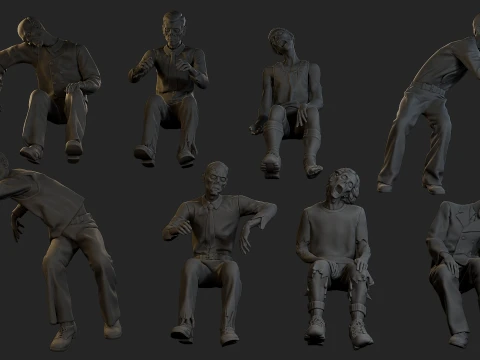
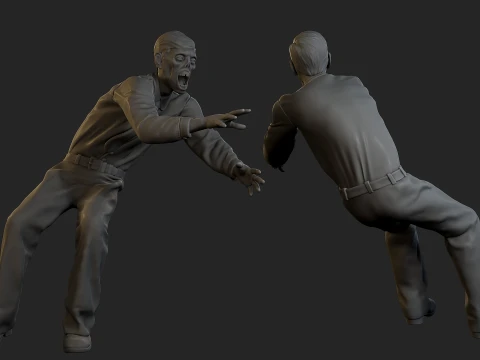
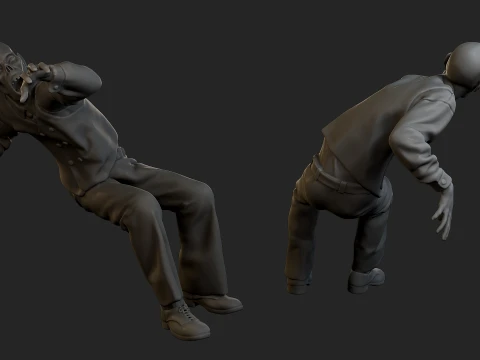
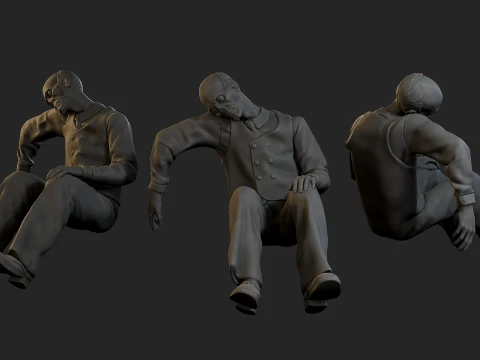
Abbiamo 1625 oggetto(i) Senza royalty zombie Modelli 3D. Acquista o scarica modelli 3D gratuiti per i tuoi progetti CG, produzione di film e video, animazioni, visualizzazioni, giochi, VR/AR e altro. Puoi scaricare qualsiasi modello 3D in tutti i formati 3D più diffusi, inclusi MAX, OBJ, FBX, 3DS, STL, C4D, BLEND, MAYA
- -50%
 MakerLabToys
 - -50%
 gtprologueMonsters and Creatures
 - -50%
 MakerLabToys
  breakermaximusMonster
- -50%
 breakermaximusMonster
 - -50%
 MakerLabKeychains
 - -50%
 MakerLabToys
  Devils3DArtistDecor









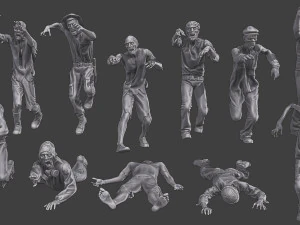
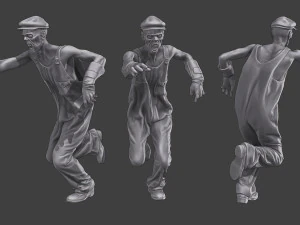


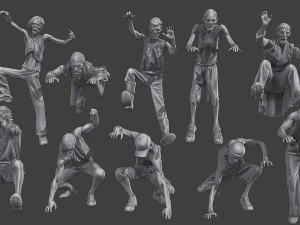
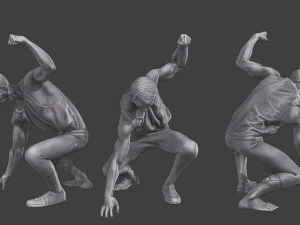








Ricerche di tendenza Modelli 3D:
Scultura Modelli 3D Caratteri Modelli 3D Cucina Modelli 3D Cavallo Modelli 3D Architectural Exteriors Modelli 3D Telefoni e Cellulari Modelli 3D Vegetali Modelli 3D Gioielli Modelli 3D Giocattoli Modelli 3D Medicinali Modelli 3D Elicotteri Modelli 3D Armi Pesanti Modelli 3D Camion Modelli 3D Anatomia Modelli 3DQ1: What visual features define a production-quality zombie 3D model?
Three layers need to work together. Geometry: damaged flesh with visible wound geometry (not just texture-based damage), exposed bone at key areas, clothing in stages of deterioration. Texture: desaturated skin with discoloration patterns — the grey-green-purple palette of decomposition, blood staining with correct viscosity variation (dried dark brown vs. fresh red), and skin damage with the correct edge quality of torn vs. rotted tissue. Material: subsurface scatter adjusted for dead tissue (lower scatter values than living skin, cooler subsurface color), partial translucency gone from dried areas, high roughness on desiccated skin regions. Models that apply only a dark, dirty skin texture without these structural considerations read as "dirty human" not "undead."
Q2: What animation states are essential for a game-ready zombie?
The movement style defines the archetype — fast vs. slow zombies are a design choice that needs to be established before animation work begins. For classic shambling undead: an idle sway (constant low-amplitude movement even when stationary, suggesting loss of motor control), a slow walk with dragging leg and asymmetric arm positioning, an alert state when detecting the player, and a lunge/attack animation. For fast runner zombies (28 Days Later style): a scrambling run with forward lean, erratic direction changes, and a leap attack. Death animations need at least two variants — forward fall and backward fall — for visual variety. The idle sway is often underestimated in importance: zombies that stand perfectly still between moves look more like mannequins than undead.
Q3: What makes a zombie crowd system work in games?
Zombie games live or die on crowd density — you need hundreds of visible undead without destroying performance. The technical approach: a base zombie mesh at 3,000–5,000 tris, several clothing and damage texture variants to break visual repetition, and GPU instancing to render hundreds of instances in a single draw call. In Unreal Engine 5, the Crowd Manager system handles zombie AI behavior at scale, but visual variety across large crowds requires more work: random material parameter variation at runtime (slightly different skin tones, blood distribution) and bone pose variation through a simple LOD animation system that blends between 3–4 pre-baked poses for distant zombies instead of running full skeletal animation. The detail budget that goes into a single hero zombie doesn't scale to hundreds.
Q4: How are decals used to add gore detail to zombie 3D models?
Decal materials in game engines project damage detail onto zombie geometry without modifying the base mesh — blood splatter, bullet wound marks, and localized decomposition patterns as separate decal assets that render on top of the zombie material. In Unreal Engine 5, Deferred Decals with a Translucent blend mode project blood pools and impact marks correctly onto curved zombie surfaces. The advantage: a single base zombie mesh can receive different damage decal combinations at runtime, creating visual variety without additional draw calls or unique meshes. Depth priority sorting (higher priority decals render on top of lower priority ones) handles overlapping decals cleanly. This system is how most AAA zombie games create the impression of individual damage states without unique per-zombie geometry.