
 English
 Español
 Deutsch
 日本語
日本語 Polska
 Français
 한국의
한국의 Українська
 Italiano
 Nederlands
 Português
 Bahasa Indonesia
 Русский
 中國
中國 हिंदी
हिंदी
















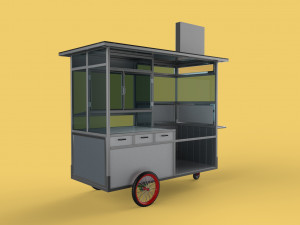
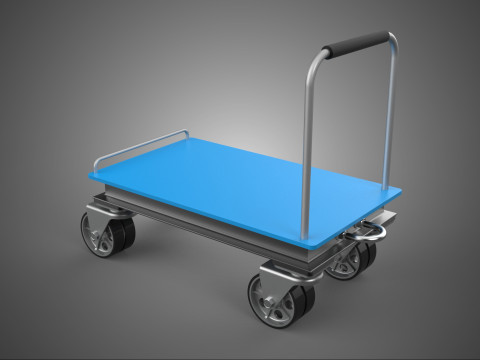
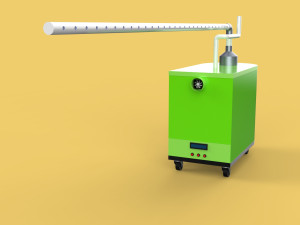
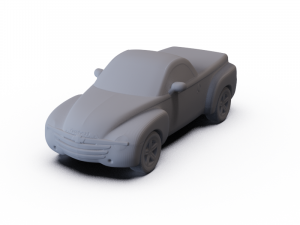
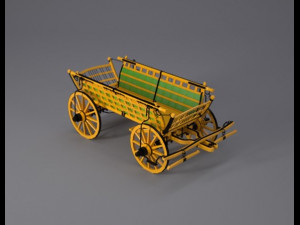
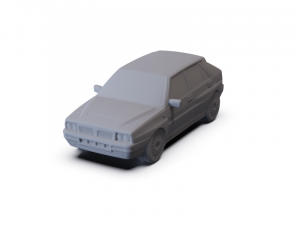
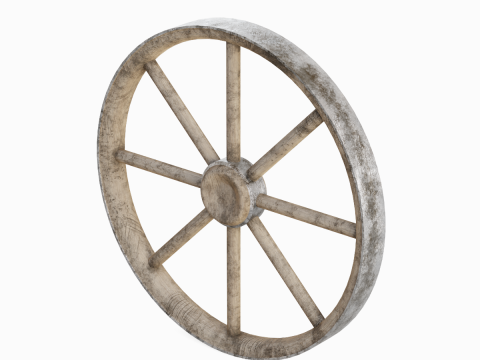
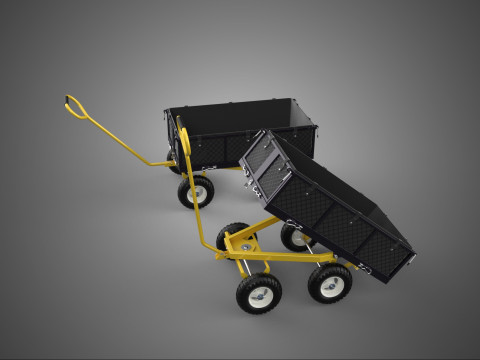
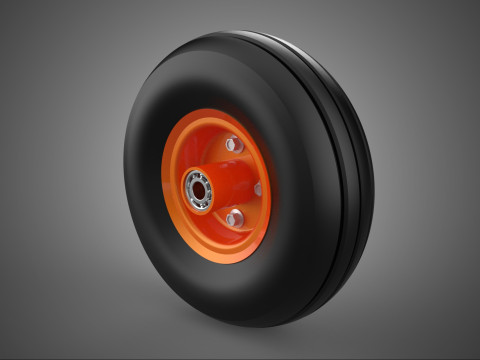
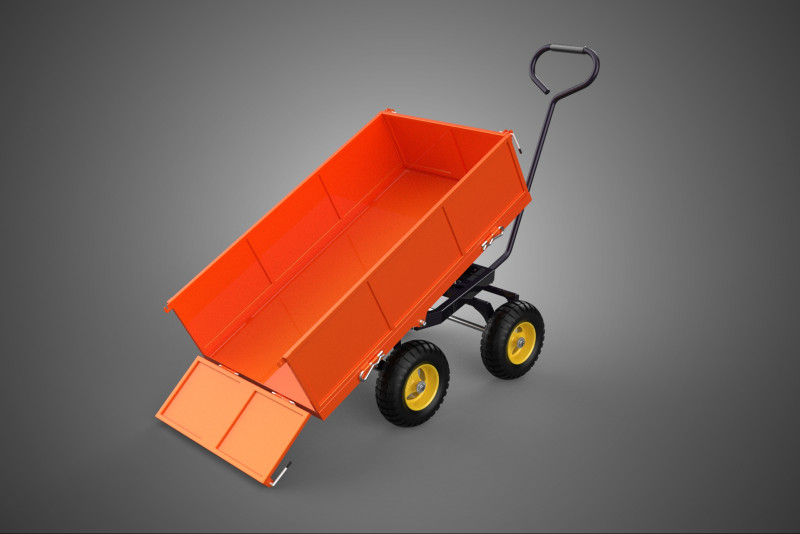
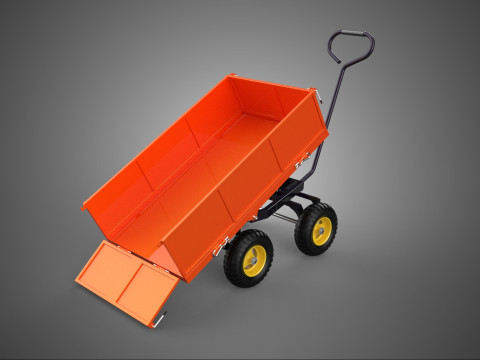
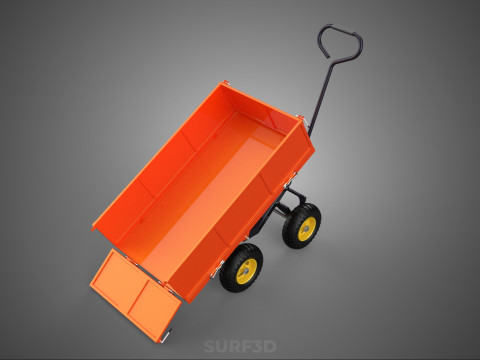
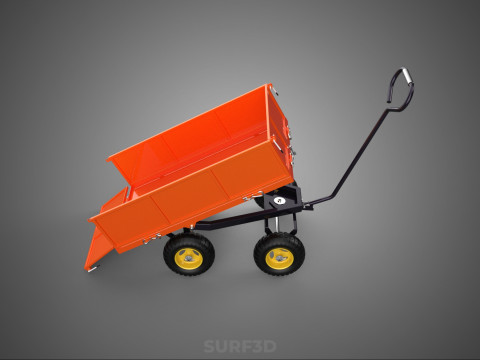
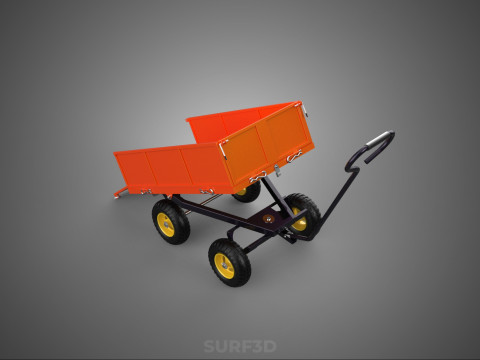
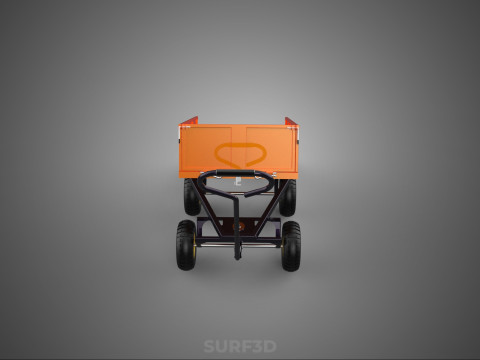
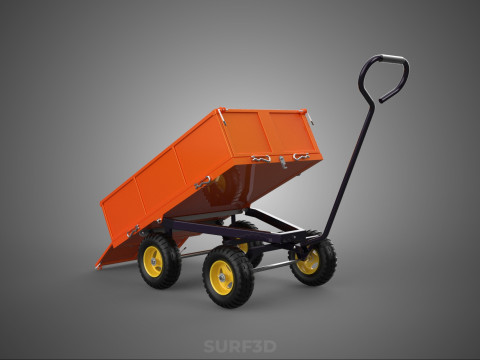
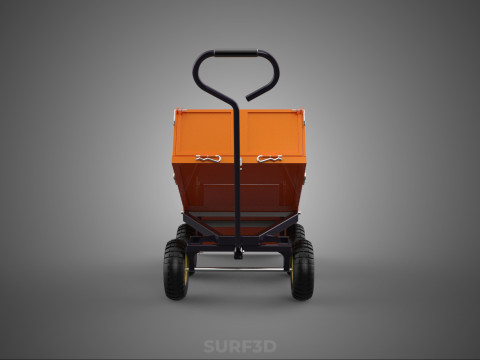
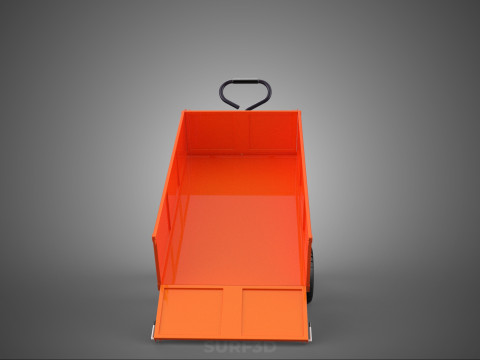
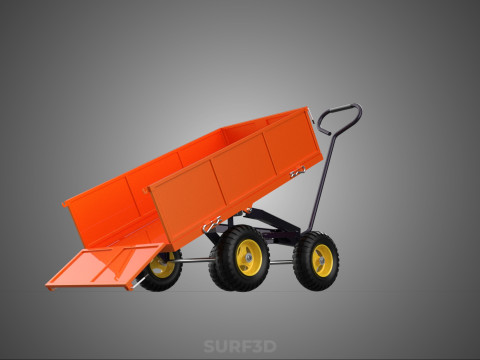
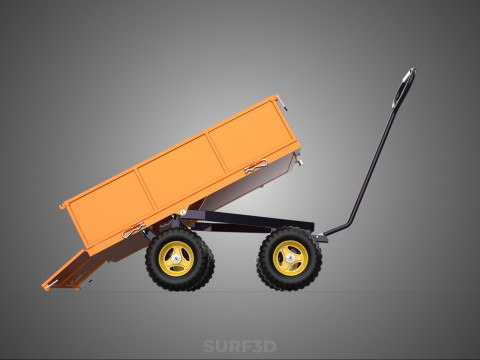
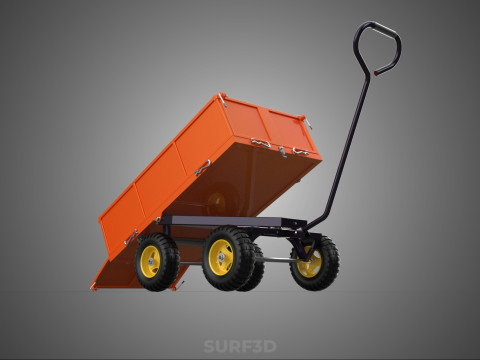
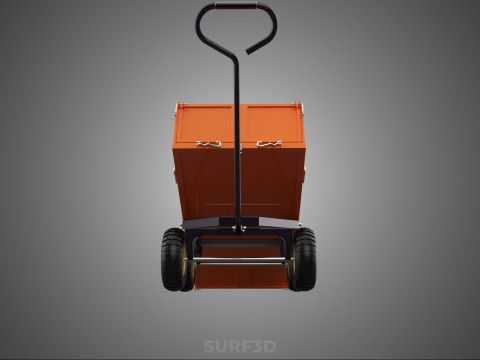
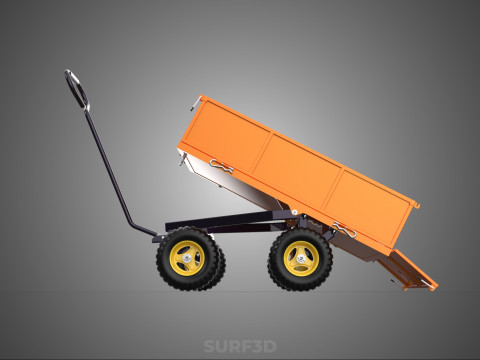
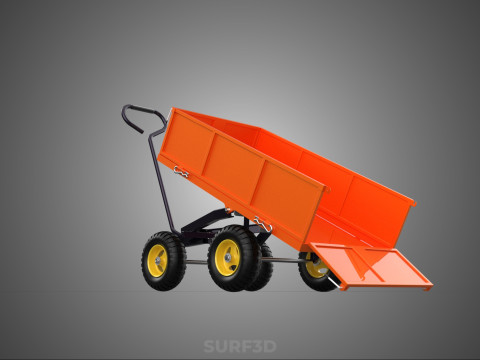
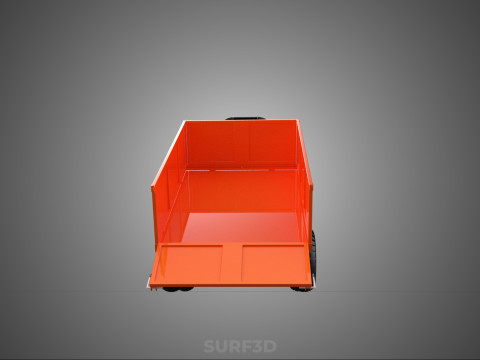
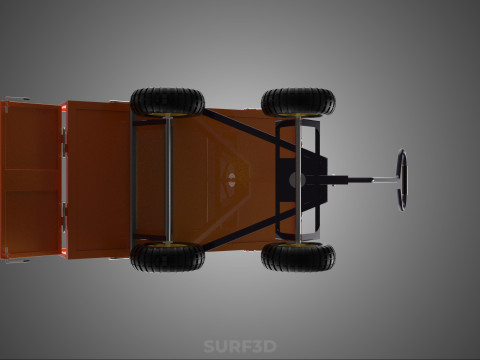
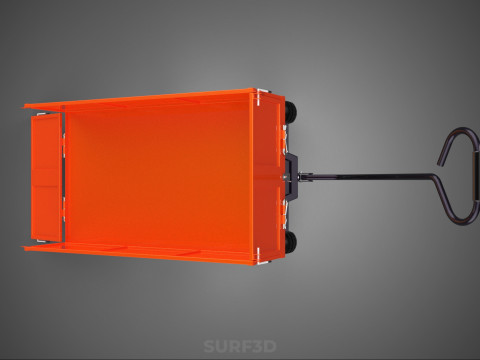
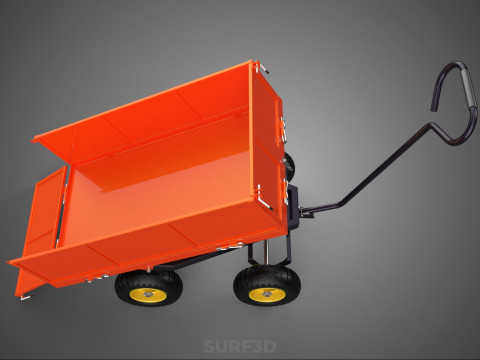
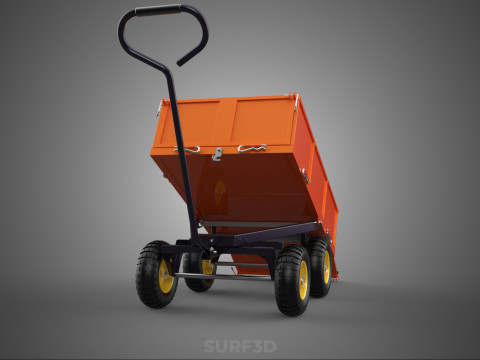
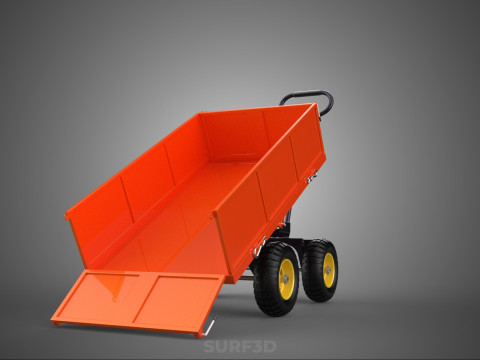
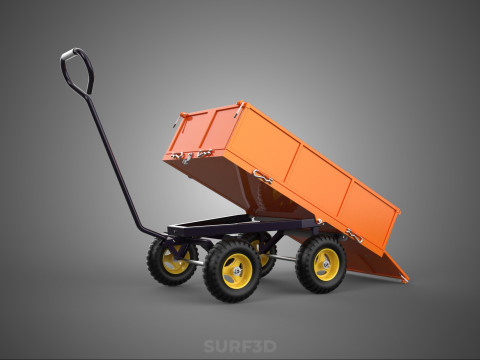
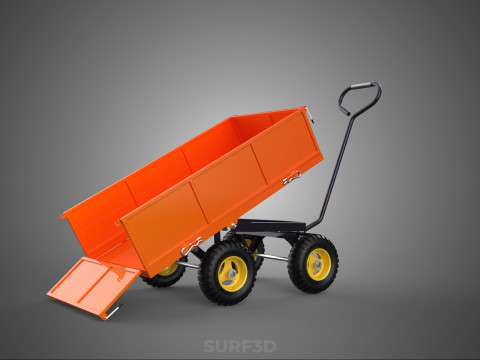
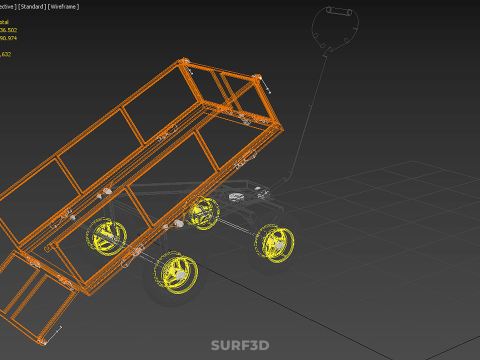
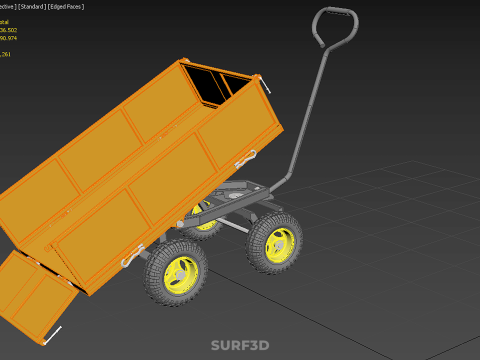
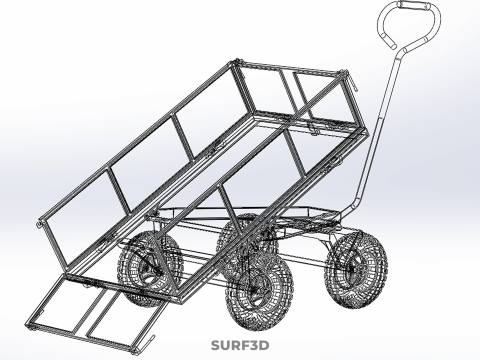
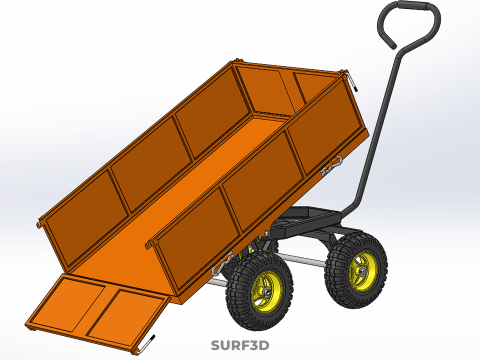
ATIK ÇÖP ÇÖP ÇÖP RÖMORK DAMPERLİ ARABA VAGON ARABASI 3D Model YENİ
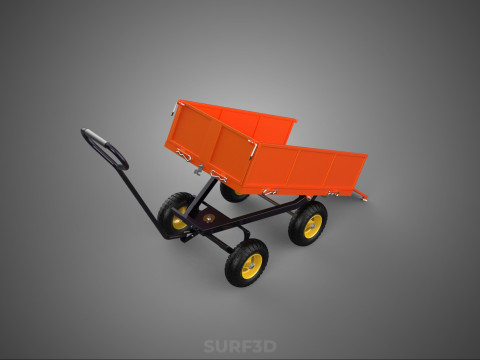
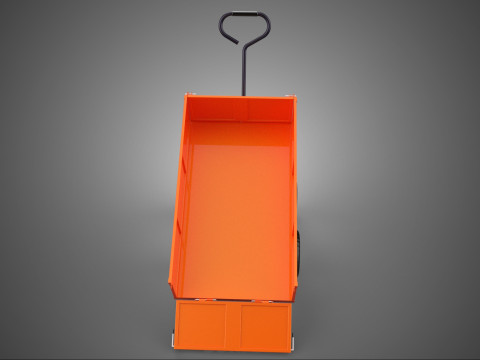
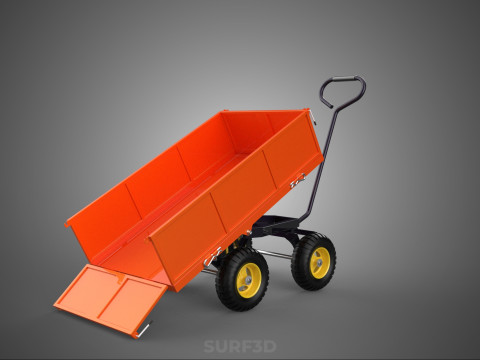
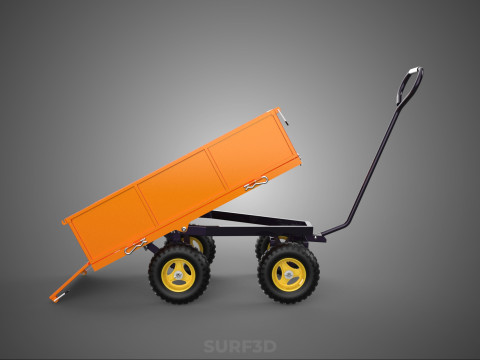
- Yazardan ürün desteği talep edin


- Hazır formatlar:
- Ürün ID:629275
- Tarih: 2026-02-19
- Poligonlar:236502
- Noktalar:190974
- Animasyon:No
- Dokulu:No
- Rigged:No
- Malzemeler:
- Low-poly:No
- Koleksiyon:No
- UVW mapping:No
- Kullanılan Eklentiler:No
- Baskıya Hazır:No
- 3D Tarama:No
- Yetişkin(+18) içerik:No
- PBR:No
- AI Eğitim:No
- Geometri:Poly NURBS
- Unwrapped UVs:Unknown
- Görüntülemeler:39
Açıklama
High-quality 3D assets at affordable prices — trusted by designers, engineers, and creators worldwide. Made with care to be versatile, accessible, and ready for your pipeline.
Included File Formats
This model is provided in 14 widely supported formats, ensuring maximum compatibility:
• - FBX (.fbx) – Standard format for most 3D software and pipelines
• - OBJ + MTL (.obj, .mtl) – Wavefront format, widely used and compatible
• - STL (.stl) – Exported mesh geometry; may be suitable for 3D printing with adjustments
• - STEP (.step, .stp) – CAD format using NURBS surfaces
• - IGES (.iges, .igs) – Common format for CAD/CAM and engineering workflows (NURBS)
• - SAT (.sat) – ACIS solid model format (NURBS)
• - DAE (.dae) – Collada format for 3D applications and animations
• - glTF (.glb) – Modern, lightweight format for web, AR, and real-time engines
• - 3DS (.3ds) – Legacy format with broad software support
• - 3ds Max (.max) – Provided for 3ds Max users
• - Blender (.blend) – Provided for Blender users
• - SketchUp (.skp) – Compatible with all SketchUp versions
• - AutoCAD (.dwg) – Suitable for technical and architectural workflows
• - Rhino (.3dm) – Provided for Rhino users
Model Info
• - All files are checked and tested for integrity and correct content
• - Geometry uses real-world scale; model resolution varies depending on the product (high or low poly)
• • - Scene setup and mesh structure may vary depending on model complexity
• - Rendered using Luxion KeyShot
• - Affordable price with professional detailing
Buy with confidence. Quality and compatibility guaranteed.
If you have any questions about the file formats, feel free to send us a message — we're happy to assist you!
Sincerely,
SURF3D
Trusted source for professional and affordable 3D models.
More Information About 3D Model :
The terms "waste," "garbage," "rubbish," "trash," and "junk" collectively refer to discarded materials, while "trailer," "dump cart," "wagon," and "trolley" denote various types of equipment employed for their containment, collection, and transportation. This comprehensive set of terminology encompasses both the nature of unwanted materials and the logistical apparatus essential for their management across domestic, commercial, industrial, and municipal contexts.
**Waste Categorization**
* **Waste:** The broadest and most encompassing term, "waste" refers to any unwanted or unusable material, substance, or byproduct that is discarded after primary use or production. It can exist in solid, liquid, or gaseous forms and is rigorously categorized based on its origin, composition, and potential hazard level (e.g., municipal solid waste, industrial waste, hazardous waste, biomedical waste). Effective waste management is paramount for safeguarding public health and preserving environmental integrity.
* **Garbage:** This term typically denotes putrescible organic refuse, primarily comprising food waste generated by households, restaurants, and markets. Due to its rapid decomposition, garbage necessitates frequent collection and proper disposal to mitigate the proliferation of odors, pest infestations, and pathogenic microorganisms. In North American English, "garbage" is frequently used interchangeably with "trash" to refer to general household refuse.
* **Rubbish:** Commonly referring to non-putrescible solid waste, "rubbish" includes materials such as paper, cardboard, plastics, glass, metals, and textiles. This term is more prevalent in British English. Unlike garbage, rubbish does not decompose rapidly; however, its accumulation significantly contributes to landfill volumes and poses environmental challenges if not effectively recycled or appropriately disposed of.
* **Trash:** A general term widely employed in North American English, "trash" signifies discarded items, predominantly dry refuse and non-putrescible materials, encompassing items like packaging, paper, plastic, and miscellaneous household discards. While often synonymous with "garbage," "trash" can sometimes specifically exclude food waste, particularly in contexts mandating waste segregation for recycling or composting initiatives.
* **Junk:** This term refers to discarded items that are typically bulky, large, or perceived to be of little immediate intrinsic value, though they may still possess material worth for recycling or repurposing. Examples include antiquated furniture, defunct appliances, scrap metal, electronic waste (e-waste), and general clutter. Junk often requires specialized collection and disposal methods due to its size, weight, and potential for containing hazardous components.
**Waste Containment and Transportation Equipment**
* **Trailer:** A "trailer" is a non-motorized vehicle designed to be towed by a motorized vehicle, such as a truck, tractor, or car. In waste management, trailers vary considerably in size and application, ranging from small utility trailers used for transporting bulky items or garden waste to massive semi-trailers (transfer trailers) specifically designed for the long-haul transport of municipal solid waste from transfer stations to landfills or processing facilities. Their capacity and structural design are tailored to the type and volume of waste being handled.
* **Dump Cart:** A "dump cart" is a type of small, open-box cart, typically two-wheeled, engineered with a mechanism that facilitates the tipping or "dumping" of its contents. These carts are commonly designed for manual pulling or towing by small utility vehicles like lawn tractors or all-terrain vehicles (ATVs). They are frequently utilized in domestic settings, gardening, landscaping, and small-scale construction projects for transporting soil, gravel, debris, and yard waste, thereby enabling convenient unloading.
* **Wagon:** Generally describing a four-wheeled vehicle constructed for transporting goods, a "wagon" has historical roots as an animal-drawn conveyance. In contemporary waste management, "wagons" can refer to utilitarian wagons employed for moving bins or materials within industrial facilities, or specialized collection wagons in particular contexts. In some historical or informal settings, larger, open-bed vehicles used for refuse collection might also be colloquially termed wagons.
* **Trolley:** A "trolley" typically refers to a small, often wheeled, hand-pushed or pulled cart designed for transporting items over relatively short distances. In the context of waste management, "trolley" can describe several distinct items:
1. **Wheeled Bins:** Residential or commercial waste containers equipped with wheels and often a handle, designed to facilitate their movement to curbside for collection (frequently referred to as "wheelie bins" in British English).
2. **Internal Transport Carts:** Carts used within various facilities (e.g., hospitals, factories, hotels) for the systematic collection and transportation of waste from its points of generation to central accumulation areas.
3. **Specialized Carts:** Designed for specific waste streams, such as linen trolleys in healthcare settings or recycling trolleys for segregating recyclable materials.
**Interrelation and Context**
These distinct terms are intrinsically linked within the expansive discipline of waste management, a field encompassing the generation, prevention, characterization, monitoring, collection, transportation, processing, treatment, and ultimate disposal of solid waste materials. The precise terminology employed often varies based on geographical region, the specific composition of the material in question, and the operational scale. The effectiveness and efficiency of any waste management system are critically dependent upon the accurate classification of waste materials and the appropriate selection and deployment of suitable containment and transport equipment.
Daha fazla formata mı ihtiyaç duyuyorsunuz?
Farklı bir formata ihtiyaç duyuyorsanız lütfen destek ekibimize bir talep açarak ihtiyacınızı belirtiniz. 3D modelleri şu formatlara dönüştürebiliriz: .stl, .c4d, .obj, .fbx, .ma/.mb, .3ds, .3dm, .dxf/.dwg, .max. .blend, .skp, .glb. Serbest Format Dönüştürme3d sahneleri dönüştürmüyoruz ve .step, .iges, .stp, .sldprt gibi formatlar.!
Kullanım Bilgileri
ATIK ÇÖP ÇÖP ÇÖP RÖMORK DAMPERLİ ARABA VAGON ARABASI - Telifsiz bu 3D modeli, Temel veya Genişletilmiş Lisans uyarınca hem kişisel hem de ticari amaçlarla kullanabilirsiniz.Temel Lisans, dijital reklamlar, tasarım ve görselleştirme projeleri, ticari sosyal medya hesapları, yerel uygulamalar, web uygulamaları, video oyunları ve fiziksel veya dijital son ürünler (hem ücretsiz hem de satılan) dahil olmak üzere çoğu standart kullanım durumunu kapsar.
Genişletilmiş Lisans, Temel Lisans kapsamında verilen tüm hakları, kullanım sınırlaması olmaksızın içerir ve 3D modelin Telifsiz koşullar altında sınırsız ticari projede kullanılmasına olanak tanır.
Daha fazla oku
Para İade Garantisi sağlıyor musunuz?
Evet, sağlıyoruz. Bir ürün satın aldığınızda çözünürlükte ya da tanımda bir hata bulduğunuzda problemi en kısa sürede çözmeye çalışacağız. Hatayı düzeltemezsek siparişinizi iptal edeceğiz ve sipariş tarihiniz göz önünde bulundurularak paranız size 24 saat içinde iade edilecektir. Daha fazla detay için tıklayınızAnahtar Kelimeler
Tasarımcıdan rastgele ürünler
tarafından eklenen bütün ürünleri göster surf3d