


 English
 Español
 Deutsch
 日本語
日本語 Polska
 Français
 한국의
한국의 Українська
 Italiano
 Nederlands
 Português
 Bahasa Indonesia
 Русский
 中國
中國 हिंदी
हिंदी

















Scroll. Skip. Ignore.
That's the default reaction to most ads today.
Audiences are oversaturated with static visuals, predictable videos, and recycled concepts. If a brand wants attention now, it has to earn it visually. This is exactly where 3D animation in advertising steps in - not as a trend, but as a competitive advantage.
Let's break down how 3D animation, CGI, and motion design help brands stand out, convert better, and look future-ready - without feeling gimmicky or overproduced.
3D Animation in Advertising
3D animation sits at the intersection of visual storytelling, realism, and imagination.
Unlike traditional photography or flat motion graphics, 3D visuals give you total creative control:
- Lighting
- Camera angles
- Materials
- Environments
- Physics-defying movement
You're not limited by what exists. You're limited only by concept and execution.
From a marketing perspective, 3D advertising content works because it:
- Stops the scroll
- Communicates complex ideas faster
- Feels premium and intentional
- Scales across platforms (web, ads, AR, social, product pages)
In short, it looks like an effort. And effort still matters.
3D Animation vs Traditional Advertising Visuals

Let's be honest - traditional ad formats still work. But they struggle in crowded digital spaces.
Static images are fast to produce and easy to deploy, which is exactly why they are so often ignored. In an environment where audiences scroll endlessly, still visuals rarely demand enough attention to slow someone down or spark curiosity.
Live-action video offers more presence, but it comes with its own challenges. Production is expensive, logistics are complex, and even small changes can require reshoots, making iteration slow and costly once the footage is locked in.
3D animation, by contrast, is built for flexibility. Once a 3D model or scene exists, it can be rendered in multiple versions, turned into short-form clips, adapted for different platforms, and reused across future campaigns without having to start from scratch. This ability to evolve and scale visuals over time makes 3D advertising assets not only creative but also genuinely efficient from a production and marketing perspective.
Product Advertising: Where 3D Really Shines
If you work with physical or digital products, 3D product animation is one of the strongest tools you can use.
It allows brands to:
- Show products before they exist
- Highlight internal mechanics with exploded views
- Animate transformations, assemblies, or use cases
- Create perfect lighting and surfaces every time
This is why 3D models for advertising are heavily used in:
- Tech and electronics
- Beauty and cosmetics
- Automotive
- Fashion accessories
- Industrial and SaaS products
For e-commerce, especially, 3D visualization increases perceived value. Products look more considered, more premium, and more trustworthy.
Brand Storytelling with 3D Animation
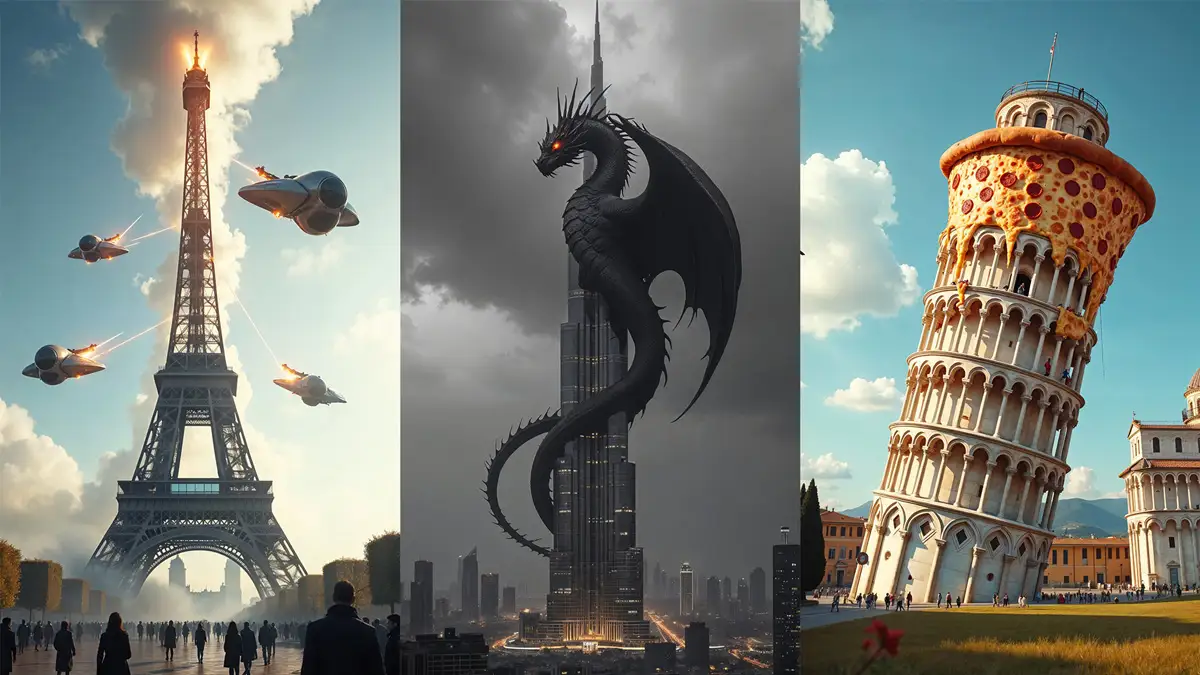
3D animation isn't only about realism. It's also about emotion.
Abstract motion, stylized environments, surreal transitions - all of this helps brands communicate feelings, not just features.
With 3D brand storytelling, brands gain the ability to visualize things that are otherwise intangible - speed, security, innovation, emotion. Instead of explaining these ideas verbally, they can be felt through movement, space, and atmosphere. Three-dimensional worlds allow brands to build symbolic environments that reflect their identity, values, and mindset, not just their products. Over time, this approach helps create a recognizable visual language that audiences instantly associate with the brand, while freeing storytelling from purely literal or realistic representation.
This approach is especially effective for startups and tech brands that need to communicate abstract value quickly, as well as for concept-driven campaigns where mood and idea matter more than form. It works just as well during rebrands and brand launches, where a new visual identity needs to feel intentional and future-focused, and in explainer videos or hero content, where complex ideas must be communicated clearly without overwhelming the viewer.
The best 3D advertising doesn't scream "look what we can do. It quietly says". This is who we are.
3D Animation for Social Media and Digital Ads
Short attention spans demand high-impact visuals.
That's why looped 3D animations, micro-animations, and short CGI clips perform so well on:
- TikTok
- YouTube Shorts
- Paid social ads
3D works particularly well in this context because it feels dynamic even without sound, relying on motion, rhythm, and visual contrast to communicate on its own. Movement naturally holds attention as the eye follows transitions and transformations, making the content harder to ignore while scrolling. At the same time, 3D animation looks native to modern digital platforms, where polished motion and dimensional visuals are already part of the visual culture. When executed well, this combination often encourages replays, as viewers pause or loop the animation to catch details they may have missed the first time.
Even a 3–5 second 3D motion loop can outperform a static ad if the concept is strong and the animation feels intentional.
Using 3D Models as a Scalable Asset Library
From a production standpoint, 3D models function as long-term assets rather than one-off visuals. Once a model is created, it can be reused and adapted across advertising campaigns, website hero sections, product pages, presentations, and pitch decks, as well as extended into AR and other interactive experiences. This flexibility allows brands to maintain visual consistency while continuously generating fresh content from the same core assets.
For brands that work with a 3D models marketplace or maintain their own asset library, the process becomes even more efficient. Content creation speeds up significantly, visual quality stays consistent across channels, and production costs decrease over time as teams rely less on repeated shoots or from-scratch creative work.
This is why more creative teams are investing in high-quality 3D assets upfront instead of constantly reshooting content.
Best Practices for 3D Animation in Advertising
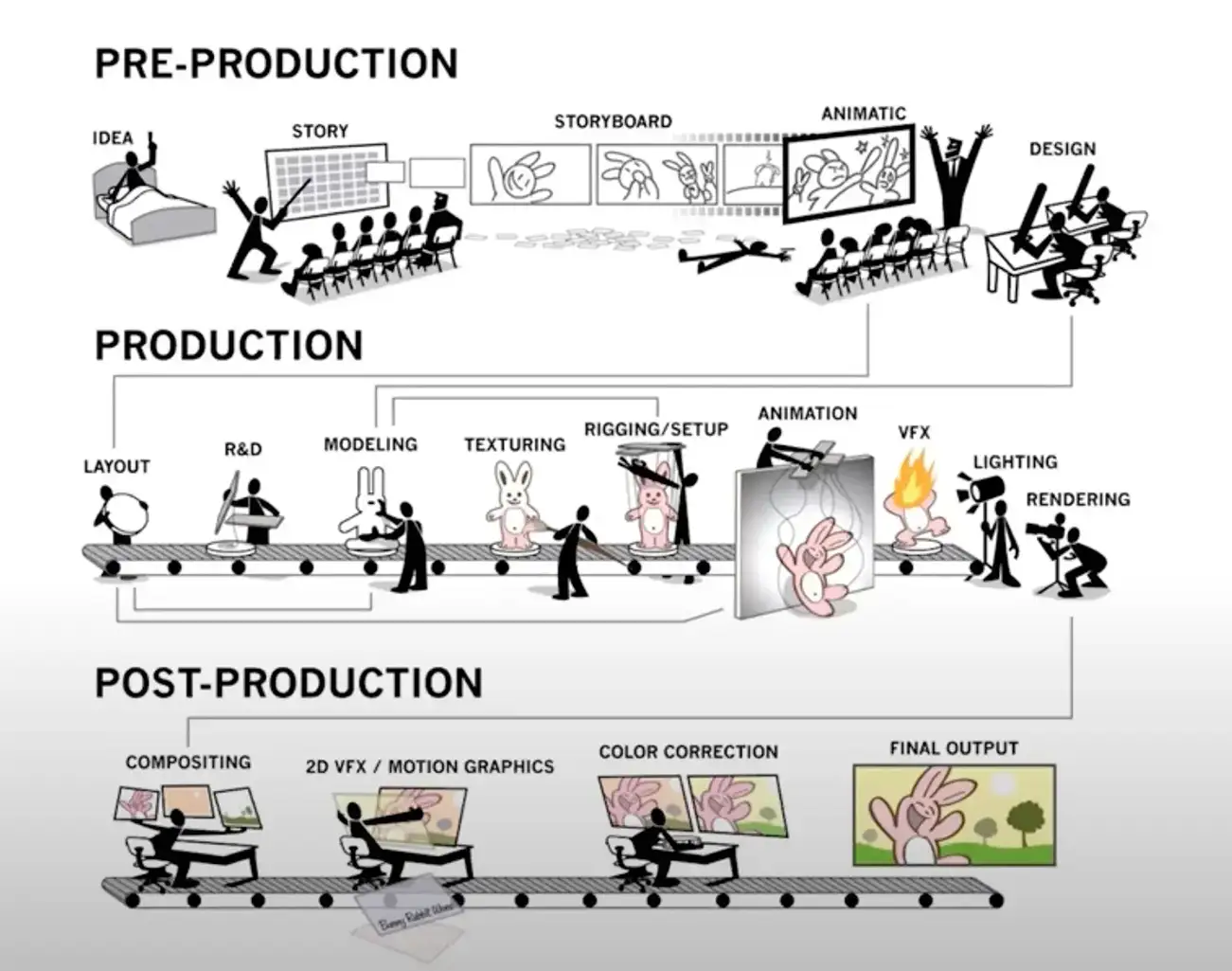
A quick reality check: 3D animation is powerful, but only when used thoughtfully.
Some practical guidelines:
- Start with a concept, not software
- Design for the platform first
- Avoid overcomplication - clarity beats complexity
- Match the animation style to brand tone
- Prioritize lighting and materials over effects
Bad 3D looks worse than no 3D at all. Good 3D feels effortless.
Why Brands That Use 3D Look More "Future-Ready"
There's a psychological factor here.
Brands using CGI, 3D animation, and advanced visualization are subconsciously perceived as:
- Innovative
- Technologically advanced
- Detail-oriented
- Confident in their identity
That perception matters, especially in competitive markets.
3D doesn't just sell products. It sells belief in the brand behind them.
Final Thoughts
3D animation in advertising isn't about chasing trends or flexing technical skills. It's about control, clarity, and creative freedom.
If your brand wants to stand out visually today, 3D isn't optional anymore.
It's part of the language modern audiences already speak.
And when done right, it doesn't feel like advertising at all - it feels like design with intention.
