


 English
 Español
 Deutsch
 日本語
日本語 Polska
 Français
 한국의
한국의 Italiano
 Nederlands
 Türkçe
 Português
 Bahasa Indonesia
 Русский
 中國
中國 हिंदी
हिंदी
















Рельні кораблі - Наукова фантастика 3D Моделі
У нас вже 322 товар(и) Без роялті 3D Моделі. This category contains a wide choice of Real Spacecraft 3D Models - SCI-FI. Any 3D Real Spacecraft model is available in .max, .obj, .c4d, .fbx, .dxf, .dwg, .stl, .iges, .3ds, .mb, .lwo, .3dm, .skp and .blend format. Some of them are ready for 3D Printing & Games. Also you will find a great number of models in Fantasy Spacecraft and Sci-fi categories.
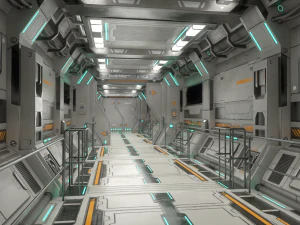 MSWoodvineReal Spacecraft
 MSWoodvineReal Spacecraft
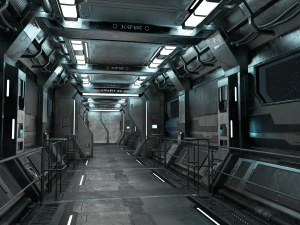 MSWoodvineReal Spacecraft
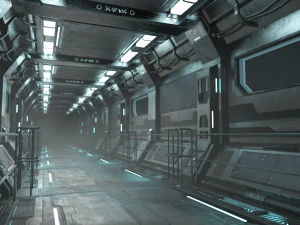 MSWoodvineReal Spacecraft
 gibson.kReal Spacecraft
 JackBronswijkReal Spacecraft
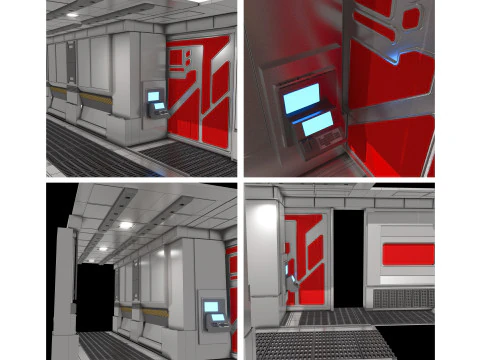 NovaForge88Real Spacecraft
- -20%
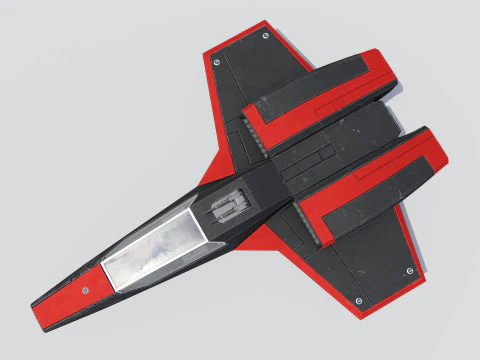 SamiChakkourReal Spacecraft
 - -20%
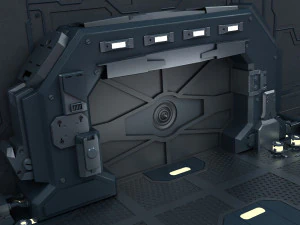 xiaohanbingReal Spacecraft

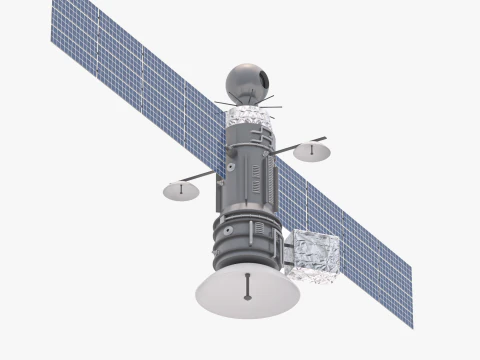
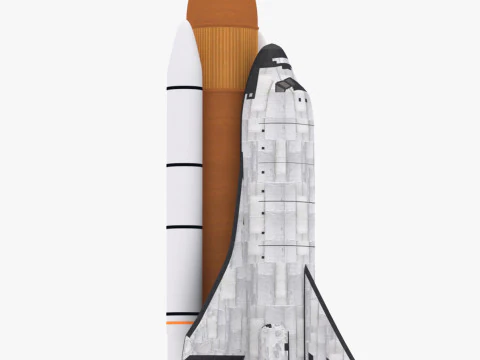








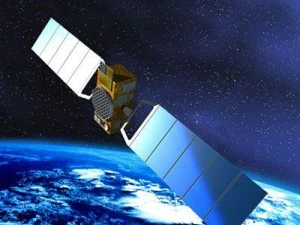


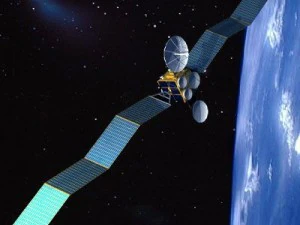






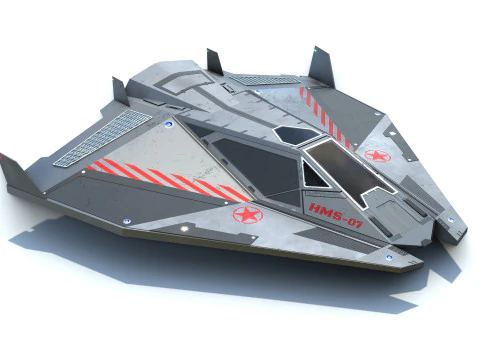
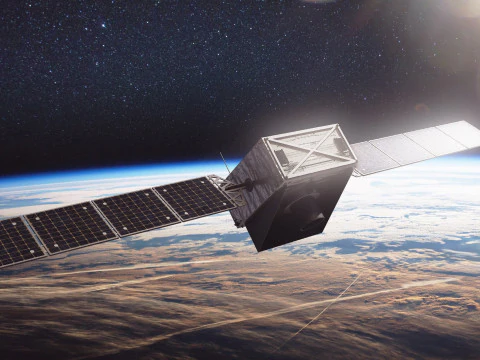





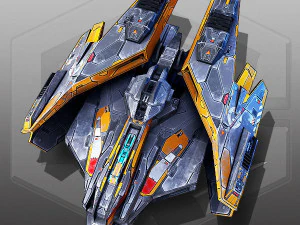

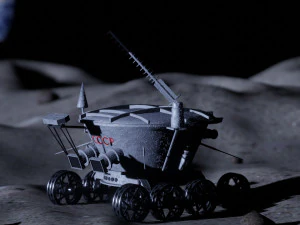






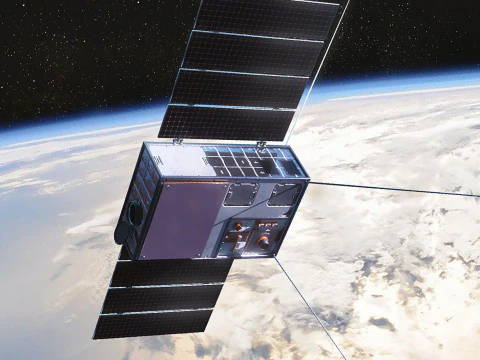


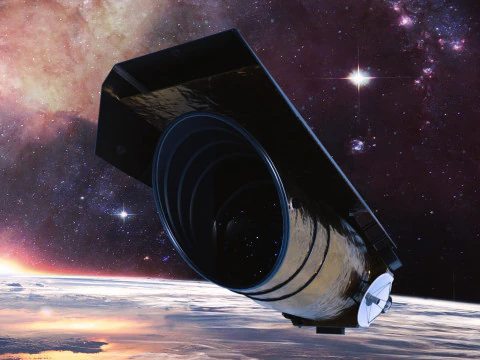
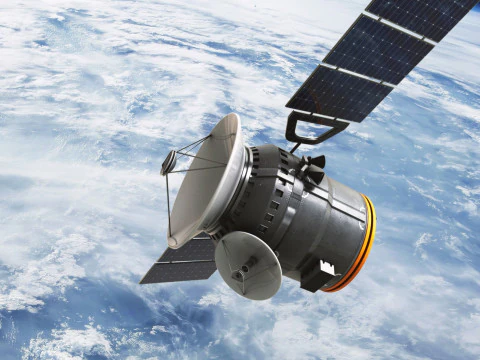

Популярні запити 3D Моделі:
Скульптури 3D Моделі Персонажі 3D Моделі Кухня 3D Моделі Кінь 3D Моделі Архітектурні Екстер'єри 3D Моделі Телефони 3D Моделі Овочі 3D Моделі Ювелірні вироби 3D Моделі Іграшки 3D Моделі Медицина 3D Моделі Вертольот 3D Моделі Важка зброя 3D Моделі Вантажівка 3D Моделі Анатомія 3D МоделіЯка різноманітність реальних та сучасних космічних кораблів доступна?
Категорія реальних космічних кораблів — це цифровий музей людських досягнень, що містить високоточні моделі історичного та сучасного космічного обладнання. У 2026 році наша колекція охоплює все: від легендарних місячних модулів «Аполло» та Міжнародної космічної станції до найновіших комерційних ракет від таких компаній, як SpaceX та Blue Origin. Ми також пропонуємо детальні марсоходи та зонди для далекого космосу, такі як «Вояджер» та «Джеймс Вебб». Ці моделі є незамінними для освітніх документальних фільмів, візуалізації новин та реалістичних науково-фантастичних фільмів, дія яких відбувається в найближчому майбутньому. Кожен об\’єкт моделюється з акцентом на історичній та технічній точності, що гарантує, що пропорції та видимі компоненти відображають неймовірну інженерну майстерність реальних космічних досліджень.
Наскільки точними є механічні деталі для технічної візуалізації?
Технічна точність є основною вимогою до реалістичних моделей космічних апаратів 2026 року, і наша колекція містить детальні відтворення стикувальних портів, сонячних батарей, блоків двигунів та наукових приладів. Хоча деталі внутрішньої конструкції опущені, зовнішня геометрія базується на фотографіях NASA з високою роздільною здатністю та загальнодоступних інженерних схемах. Ви знайдете реалістичні текстури ізоляції з золотої фольги, складні джгути проводів та точно змодельовані теплозахисні плитки. Такий рівень деталізації ідеально підходить для навчальних симуляцій або високоякісних візуалізацій, де глядач повинен бачити всю складність космічної техніки. Текстури налаштовані так, щоб відображати суворі умови космосу, демонструючи специфічні особливості взаємодії таких матеріалів, як титан та каптонова плівка, з нефільтрованим сонячним світлом.
Чи є моделі майбутніх та запланованих космічних місій?
Так, відображаючи стрімкі темпи космічних досліджень у 2026 році, ця категорія включає моделі запланованих місячних баз, транспортних засобів для пересування по Марсу та орбітальних житлів наступного покоління. Ці моделі базуються на сучасних аерокосмічних концепціях і представляють найближче майбутнє експансії людства в Сонячну систему. Вони ідеально підходять для візуалізації наступних кроків у колонізації космосу або для творців, які працюють над проектами «Hard-Sci-Fi», що залишаються в межах фізичних можливостей. Використовуючи ці ресурси, ви можете створити захоплююче та правдоподібне бачення наступного десятиліття космічних подорожей, забезпечивши професійну основу для своїх наукових візуалізацій та футуристичних оповідей, що ґрунтуються на реальних тенденціях в аерокосмічній галузі.
Чи можу я використовувати ці моделі для симуляцій орбітальних польотів та посадки?
Безумовно. Наші моделі реальних космічних апаратів побудовані з чіткою, різноманітною геометрією, оптимізованою для фізичних симуляцій. У 2026 році їх часто використовують у навчальних модулях з аерокосмічної галузі та освітньому програмному забезпеченні для демонстрації орбітальної механіки та процедур повернення в атмосферу. Моделі часто містять рухомі частини, такі як розкладні сонячні панелі, обертові антени та функціональне шасі. Це дозволяє анімувати складні послідовності, необхідні для успішної місії, від відокремлення ступенів ракети до приземлення на чужій планеті. Оптимізована топологія гарантує, що моделі залишаються продуктивними навіть у складних сценах з декількома апаратами та планетарними середовищами з високою роздільною здатністю.
Які налаштування рендерингу найкраще передають вигляд космічного обладнання?
Щоб досягти професійного вигляду реальних космічних апаратів у 2026 році, ми рекомендуємо використовувати налаштування освітлення «High-Dynamic-Range» (HDR), яке імітує інтенсивне, односпрямоване світло Сонця у вакуумі. Використовуйте високоякісні «металеві» шейдери PBR для корпусу та сонячних панелей, щоб створити чіткі, контрастні відбиття. Для ізоляційних ковдр використання «зморшкуватої» карти нормалей дозволить передати характерний вигляд багатошарової ізоляції. Оскільки в космосі немає атмосфери, яка розсіює світло, тіні повинні бути дуже темними та чіткими. Додавання ледь помітного «відблиску об'єктива» при погляді на Сонце та використання фонів зоряного поля з високою роздільною здатністю допоможе закріпити космічний апарат у його середовищі, створюючи кінематографічне та технічно точне зображення космічних подорожей.