
 English
 Español
 Deutsch
 日本語
日本語 Polska
 Français
 한국의
한국의 Українська
 Italiano
 Nederlands
 Türkçe
 Português
 Bahasa Indonesia
 Русский
 हिंदी
हिंदी
















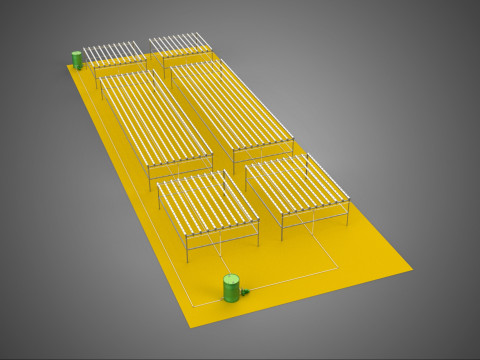
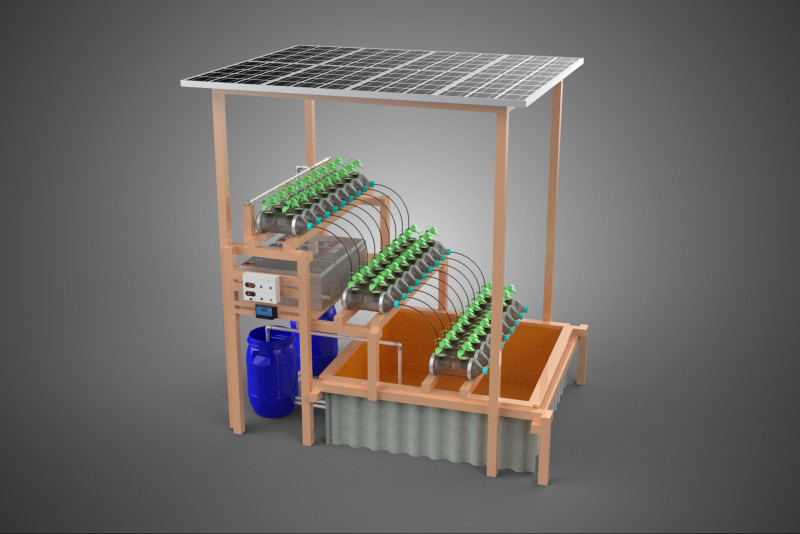
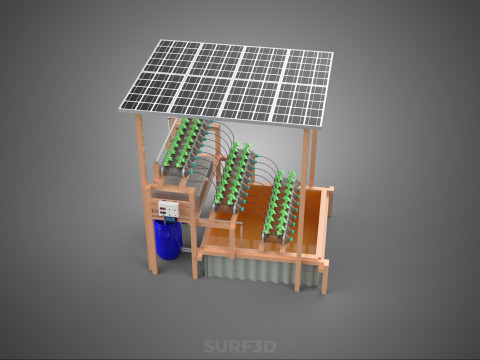
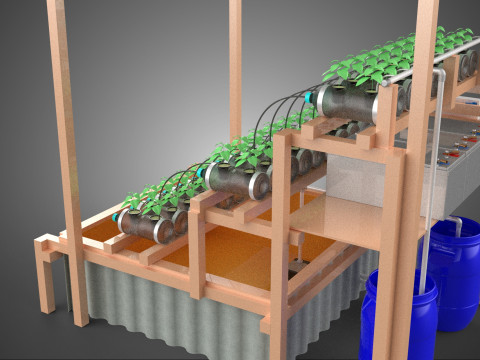
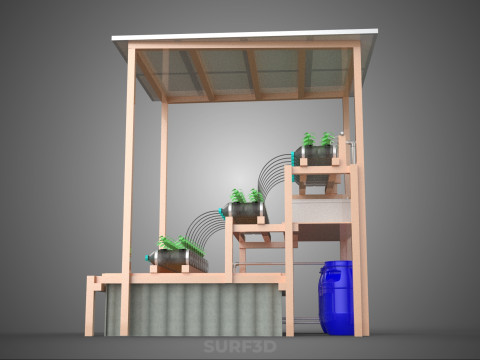
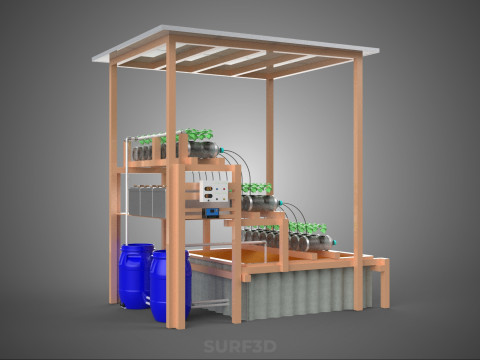
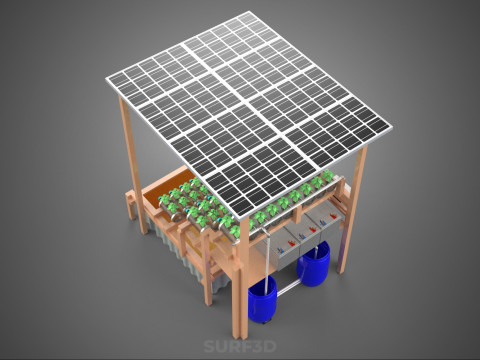
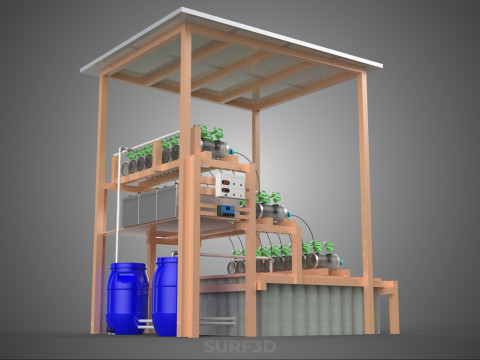
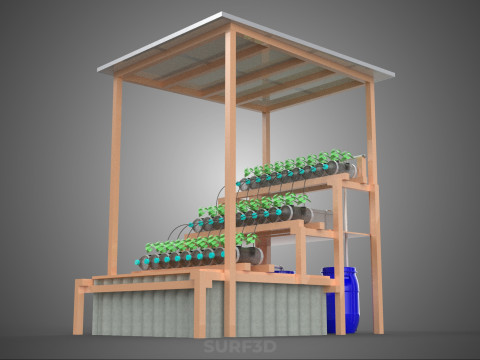
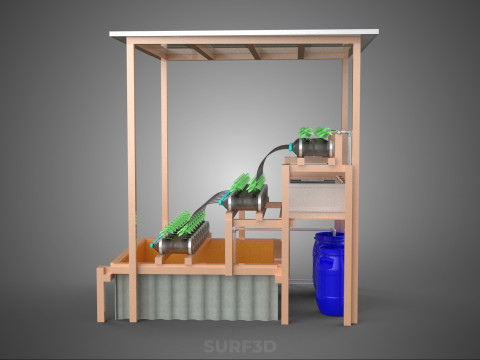
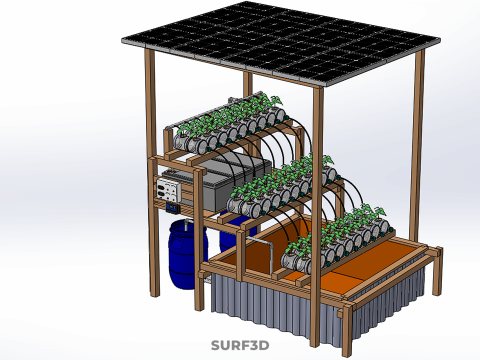
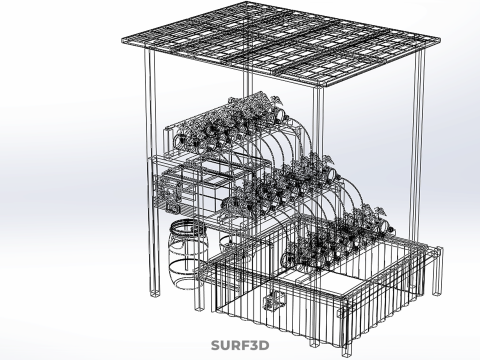
太阳能电池板供电的物联网水培植物瓶容器池塘 3D 模型
- 请求作者的产品支持


- 可用的格式:
- 项目 ID:598264
- 日期: 2025-09-11
- 多边形:2317346
- 顶点:1758436
- 动画:No
- 纹理:No
- 操纵:No
- 材料:
- 低聚:No
- 集合:No
- UVW 贴图:No
- 使用插件:No
- 打印准备:No
- 3D扫描:No
- 成人内容:No
- PBR:No
- 人工智能培训:No
- 几何:Poly NURBS
- 包装 UVs:Unknown
- 日期:288
描述
High-quality 3D assets at affordable prices — trusted by designers, engineers, and creators worldwide. Made with care to be versatile, accessible, and ready for your pipeline.
Included File Formats
This model is provided in 14 widely supported formats, ensuring maximum compatibility:
• - FBX (.fbx) – Standard format for most 3D software and pipelines
• - OBJ + MTL (.obj, .mtl) – Wavefront format, widely used and compatible
• - STL (.stl) – Exported mesh geometry; may be suitable for 3D printing with adjustments
• - STEP (.step, .stp) – CAD format using NURBS surfaces
• - IGES (.iges, .igs) – Common format for CAD/CAM and engineering workflows (NURBS)
• - SAT (.sat) – ACIS solid model format (NURBS)
• - DAE (.dae) – Collada format for 3D applications and animations
• - glTF (.glb) – Modern, lightweight format for web, AR, and real-time engines
• - 3DS (.3ds) – Legacy format with broad software support
• - 3ds Max (.max) – Provided for 3ds Max users
• - Blender (.blend) – Provided for Blender users
• - SketchUp (.skp) – Compatible with all SketchUp versions
• - AutoCAD (.dwg) – Suitable for technical and architectural workflows
• - Rhino (.3dm) – Provided for Rhino users
Model Info
• - All files are checked and tested for integrity and correct content
• - Geometry uses real-world scale; model resolution varies depending on the product (high or low poly)
• • - Scene setup and mesh structure may vary depending on model complexity
• - Rendered using Luxion KeyShot
• - Affordable price with professional detailing
Buy with confidence. Quality and compatibility guaranteed.
If you have any questions about the file formats, feel free to send us a message — we're happy to assist you!
Sincerely,
SURF3D
Trusted source for professional and affordable 3D models.
More Information About 3D Model :
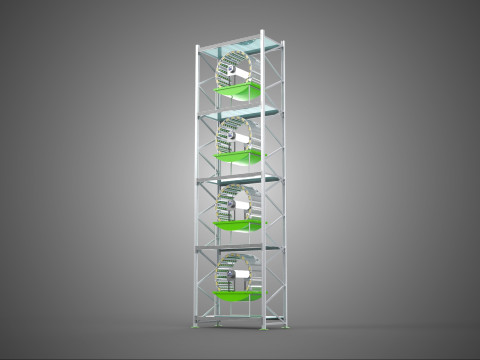
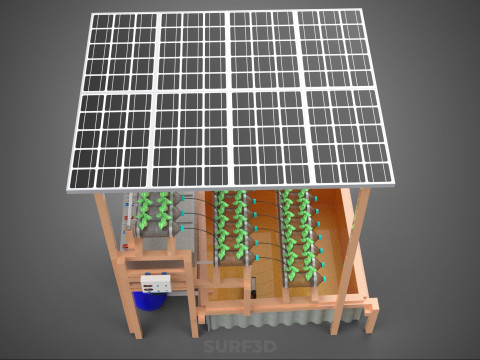
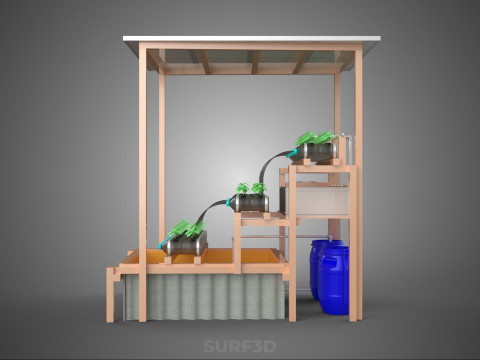
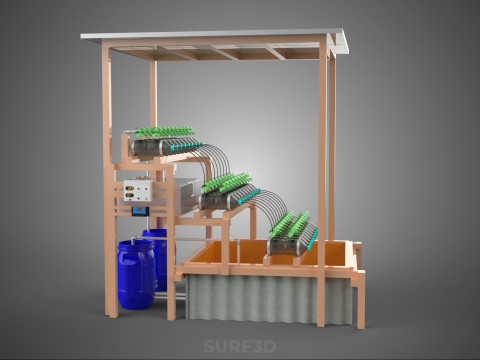
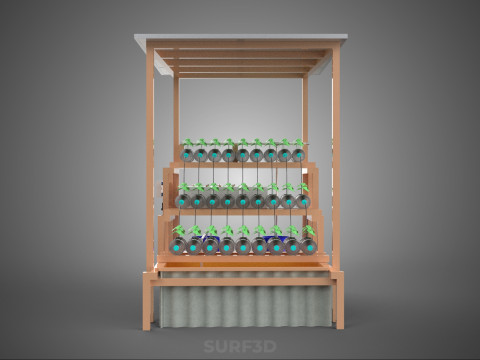
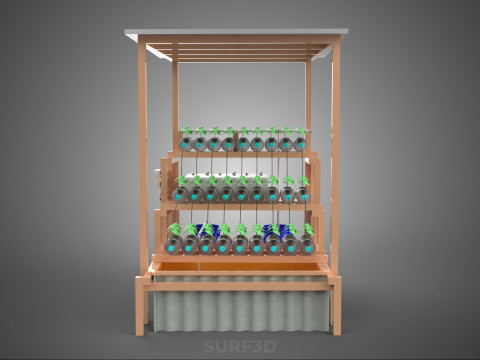
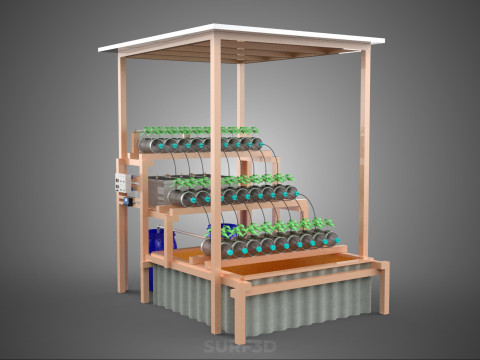
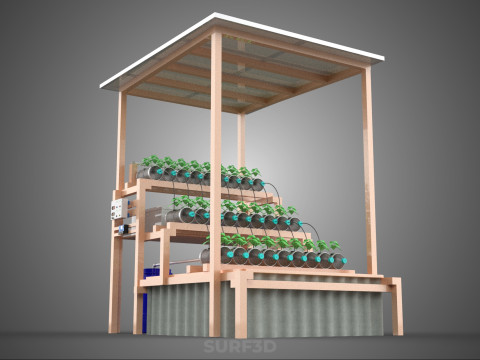
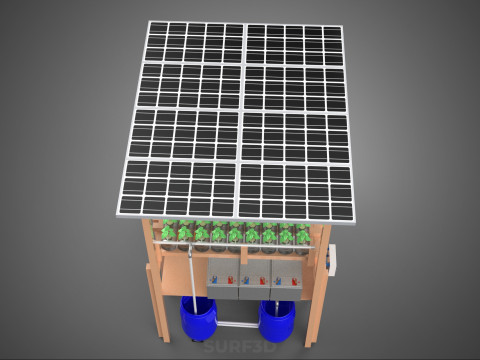
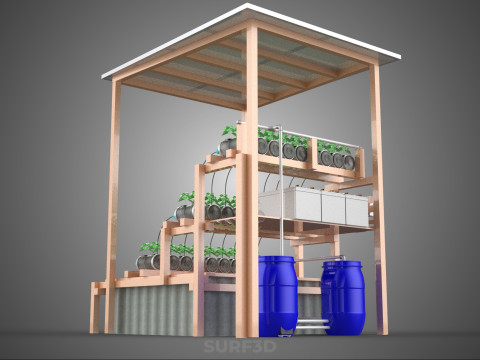
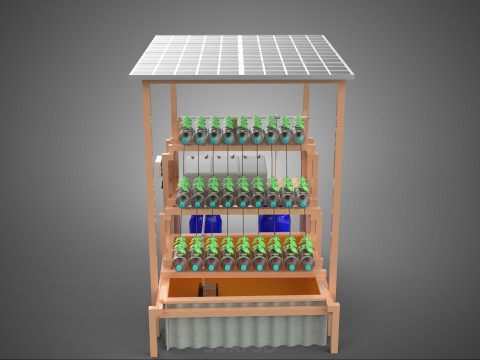
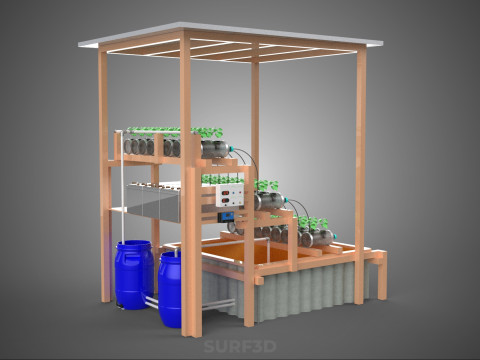
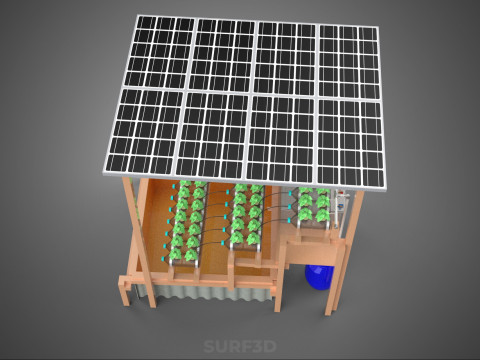
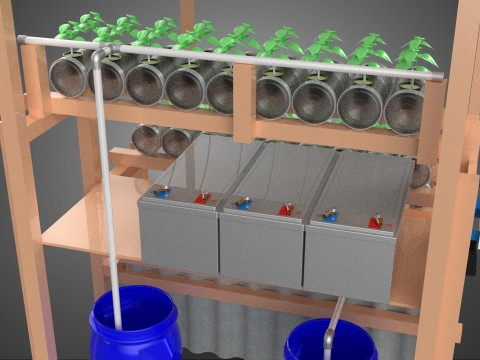
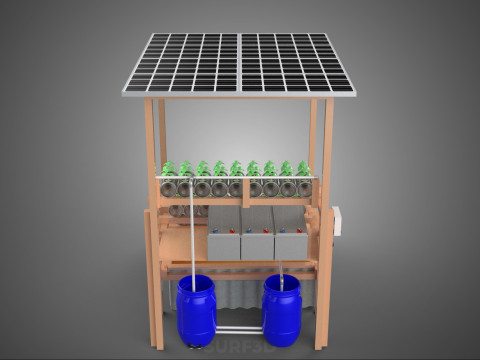
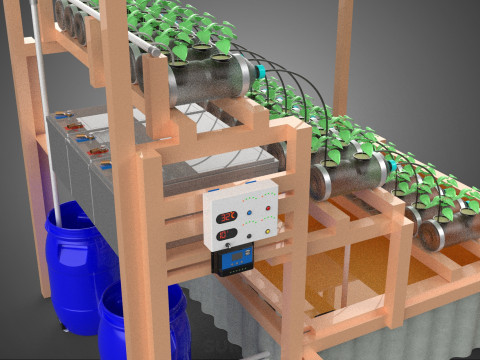
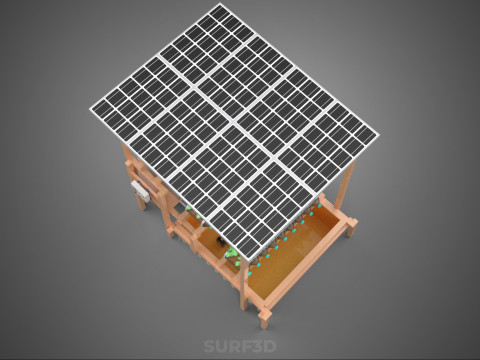
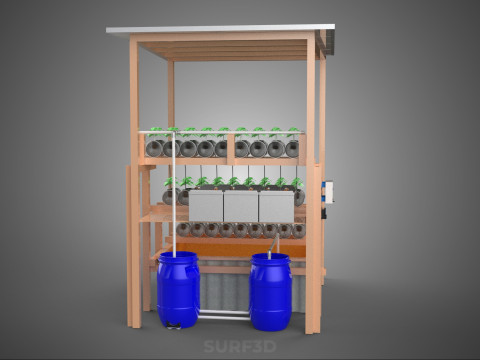
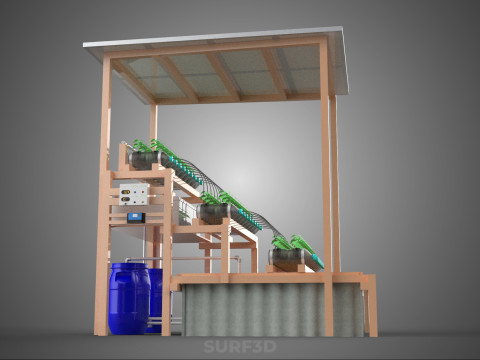
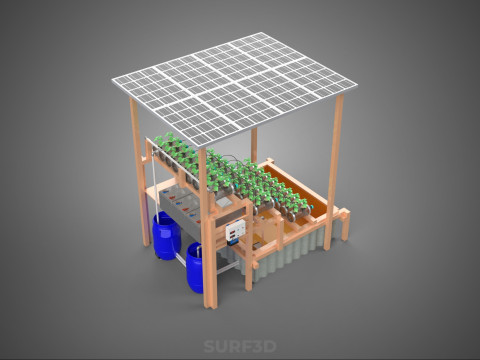
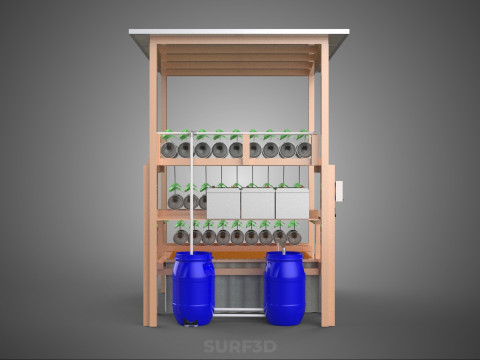
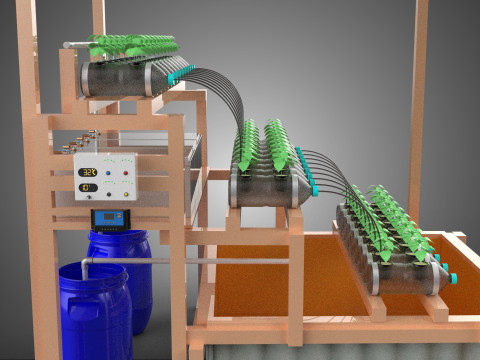
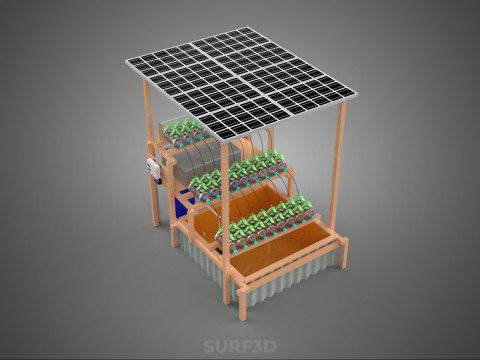
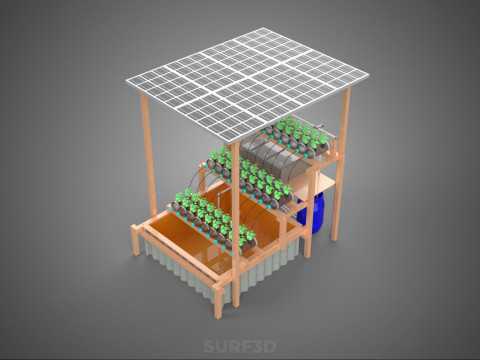
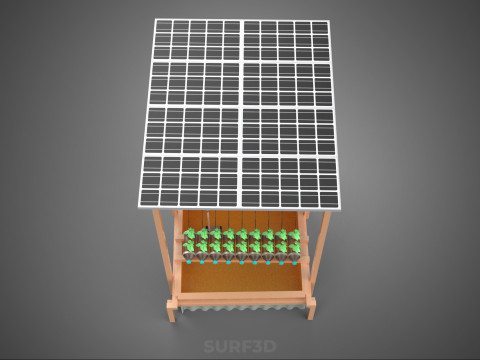
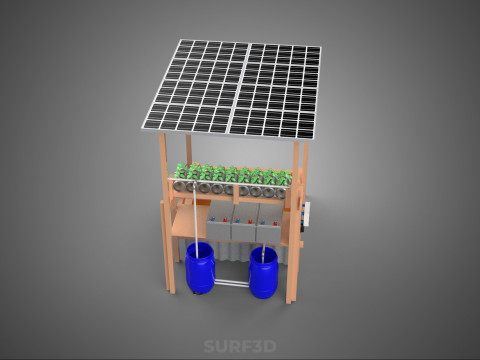
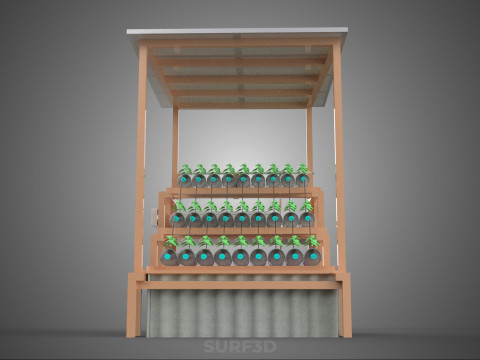
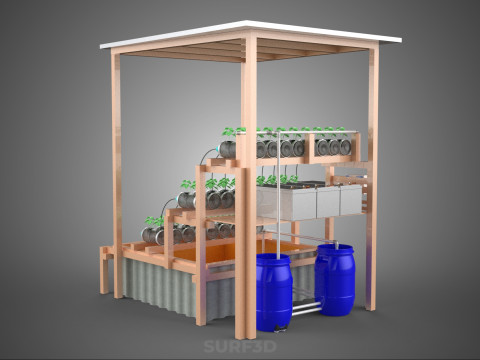
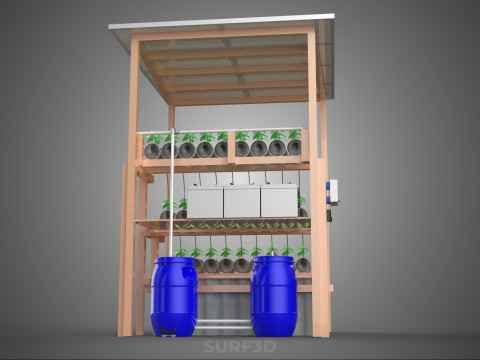
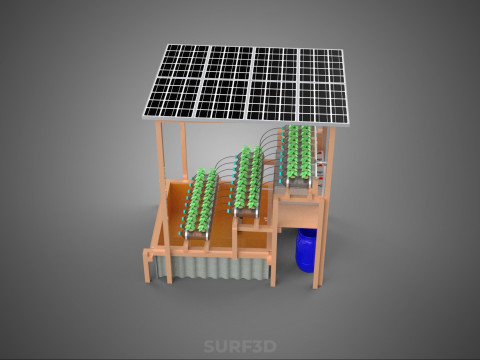
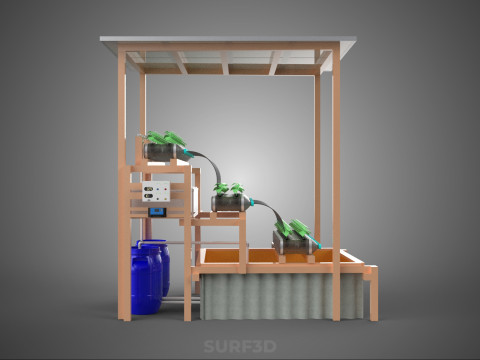
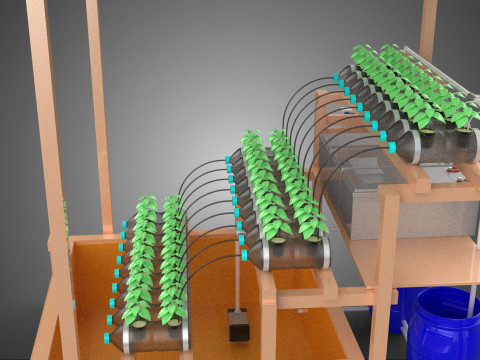
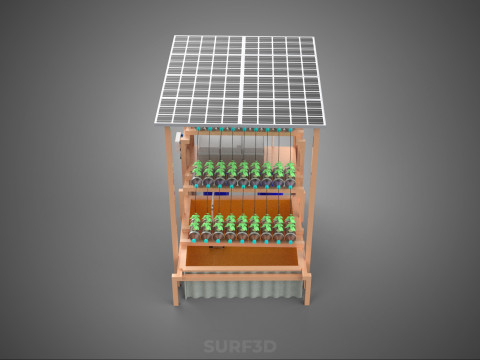
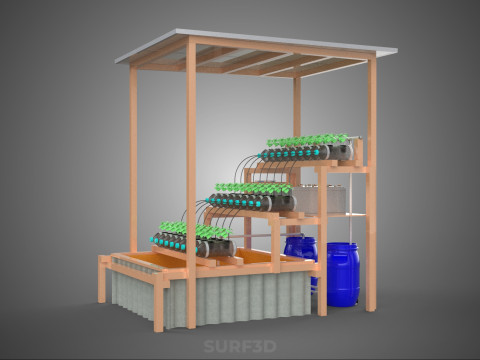
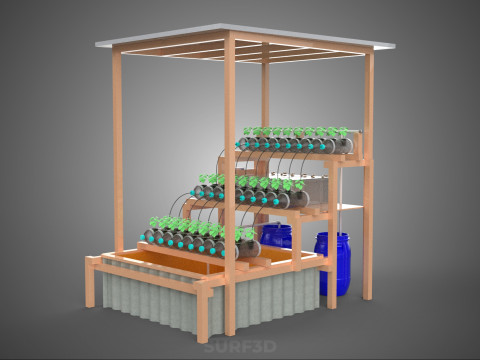
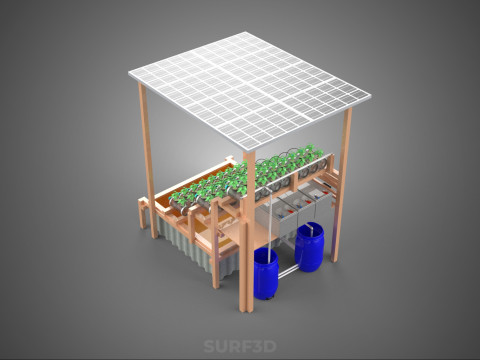
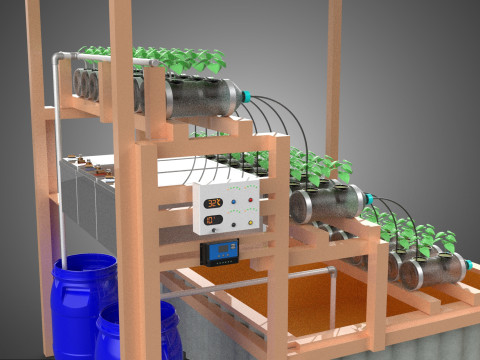
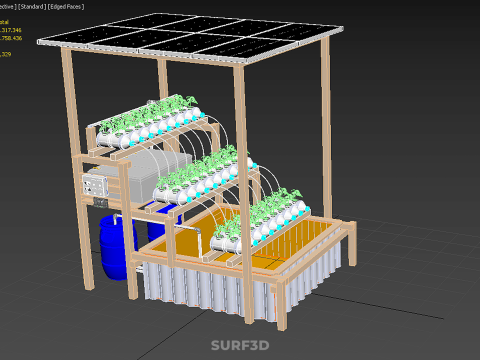
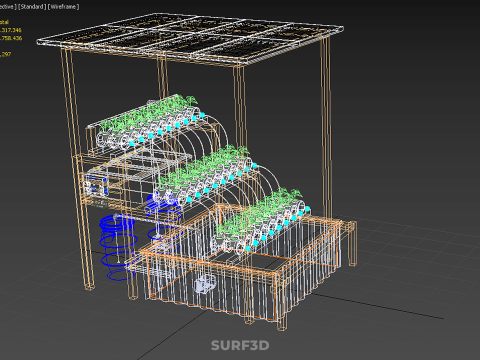
A Solar Panel Powered IoT Hydroponic Plant Bottle Container Pond refers to an integrated, small-scale, and often self-contained system designed for cultivating plants without soil, utilizing renewable solar energy, and incorporating Internet of Things (IoT) technology for automated monitoring and control. This system typically repurposes or utilizes compact containers, such as bottles or small tubs, which function as both the plant growth chamber and the nutrient solution reservoir, akin to a miniature pond. It represents a convergence of sustainable agriculture, renewable energy, and smart technology, often employed for urban gardening, educational purposes, or hobbyist applications.
**System Components and Functionality:**
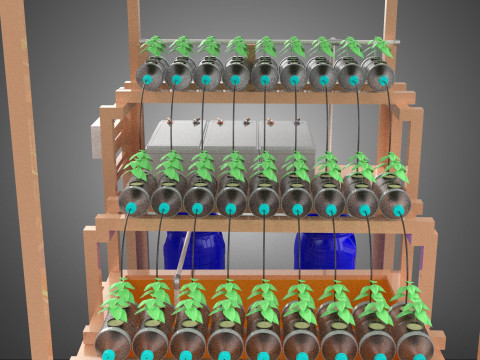
1. **Hydroponic Subsystem:** At its core, the system employs hydroponic principles, where plants are grown in an inert medium (or sometimes without any medium, with roots directly in the solution) while receiving essential mineral nutrients dissolved in water. Common configurations include Deep Water Culture (DWC), where plant roots are submerged in the nutrient solution, or rudimentary wick systems. The "pond" aspect refers to the contained volume of nutrient-rich water within the bottle or container that serves as the primary root zone and nutrient delivery mechanism. This design emphasizes water conservation and efficient nutrient delivery compared to traditional soil-based agriculture.
2. **Solar Power Integration:** The system's energy requirements are met by a small-scale photovoltaic (PV) array, commonly a solar panel. This panel converts sunlight into electrical energy, which is then typically stored in a rechargeable battery (e.g., lithium-ion or lead-acid). This stored energy powers all active components, including water pumps for nutrient circulation (if applicable), air pumps for oxygenating the nutrient solution, sensors, microcontrollers, and communication modules. Solar power ensures the system's autonomy, reduces operational costs, and minimizes its environmental footprint, making it suitable for off-grid deployment.
3. **Internet of Things (IoT) Module:** The IoT component provides intelligence and remote accessibility. It typically comprises:
* **Sensors:** These gather critical environmental data, such as water temperature, pH levels (acidity/alkalinity), Electrical Conductivity (EC) for nutrient concentration, water level, and potentially ambient air temperature and humidity.
* **Microcontroller:** A low-power embedded system (e.g., Arduino, ESP32, Raspberry Pi Zero) processes sensor data, executes control logic, and manages communication.
* **Communication Module:** Often Wi-Fi or Bluetooth, enabling the system to transmit data to a cloud-based platform or a local device, and receive commands.
* **Actuators:** These may include miniature pumps (for nutrient solution circulation or pH adjustment), solenoid valves, or small fans, controlled by the microcontroller based on sensor readings and programmed parameters.
* **User Interface:** A mobile application or web dashboard allows users to monitor real-time data, view historical trends, receive alerts, and remotely adjust system parameters or trigger actions.
4. **Container Design:** The "bottle container pond" aspect signifies the physical structure. These are typically compact, often repurposed plastic bottles or small, opaque containers designed to prevent algae growth in the nutrient solution. They are configured to hold the nutrient reservoir, support the plant (e.g., via a net pot), and house or mount the various electronic components. This small-scale design facilitates modularity, space efficiency, and allows for easy relocation.
**Operational Principles:**
During daylight hours, the solar panel charges the battery. The IoT module continuously monitors the hydroponic environment. Should a parameter, such as pH or EC, deviate from the optimal range, the microcontroller can trigger an appropriate actuator (e.g., activating a pump to add pH-adjusting solution) or send an alert to the user. Data is logged and transmitted, providing insights into plant health and system performance. The stored solar energy ensures continuous operation, even during periods of low light or at night.
**Advantages and Applications:**
Advantages include resource efficiency (reduced water usage), accelerated plant growth, elimination of soil-borne diseases, and remote management. The solar power aspect provides sustainability and energy independence. Its small footprint makes it ideal for urban environments, balconies, or indoor cultivation where space is limited. Furthermore, these systems serve as excellent educational tools for demonstrating principles of renewable energy, hydroponics, and smart agriculture. They are also popular among hobbyists and in resource-constrained areas requiring low-maintenance, off-grid food production.
**Challenges and Considerations:**
Key challenges include the initial setup complexity, calibration of sensors, maintenance of nutrient solutions, and the potential for component failure. Scalability can be limited by the compact design. Ensuring adequate solar power for all components, especially those with intermittent high power draw (e.g., pumps), requires careful sizing of the solar panel and battery.
In conclusion, the Solar Panel Powered IoT Hydroponic Plant Bottle Container Pond represents an innovative, sustainable, and intelligent approach to small-scale plant cultivation, leveraging modern technology to enhance efficiency, convenience, and accessibility in horticulture.
KEYWORDS: Hydroponics, Solar Power, Internet of Things, Smart Agriculture, Sustainable Gardening, Urban Farming, Renewable Energy, Plant Cultivation, Automated System, Soilless Culture, Remote Monitoring, Deep Water Culture, Nutrient Solution, Sensors, Microcontroller, Photovoltaic, Energy Storage, Water Conservation, DIY Hydroponics, Educational Tool, Off-Grid System, Container Gardening, Plant Health, Environmental Monitoring, Data Logging, Precision Agriculture, Small-Scale Farming, Resource Efficiency, Green Technology, Self-Sufficient
需要更多的格式吗?
如果你需要一个不同的格式,请打开一个新的支持票和为此请求。我们可以转换到 3D 模型: .stl, .c4d, .obj, .fbx, .ma/.mb, .3ds, .3dm, .dxf/.dwg, .max. .blend, .skp, .glb. 免费格式转换我们不转换 3d 场景 以及 .step, .iges, .stp, .sldprt 等格式。!
使用信息
太阳能电池板供电的物联网水培植物瓶容器池塘 - 您可以根据基本许可或扩展许可,将此免版税 3D 模型用于个人或商业用途。基本许可涵盖大多数标准用例,包括数字广告、设计和可视化项目、商业社交媒体账户、原生应用、Web 应用、视频游戏以及实体或数字最终产品(免费和出售)。
扩展许可包含基本许可授予的所有权利,没有任何使用限制,并允许在免版税条款下将 3D 模型用于无限的商业项目。
阅读更多