狮子 3D 模型

我们有 1813 项目 免版税 lion 3D 模型.

筛选器
$5
$1500
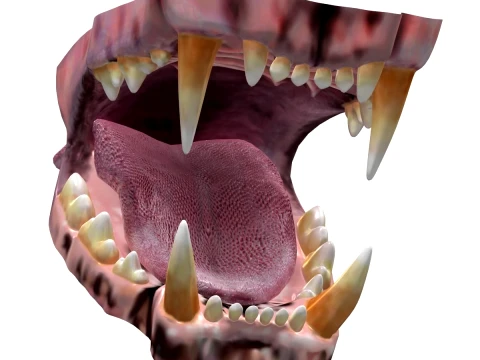
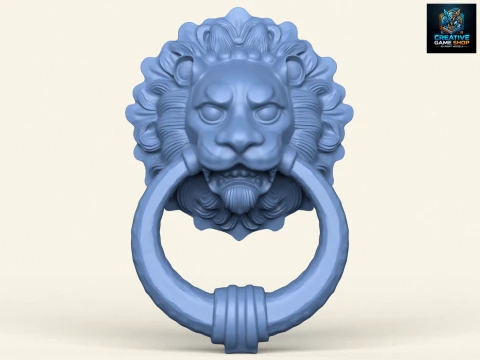
  1. 狮子嘴 3D 模型
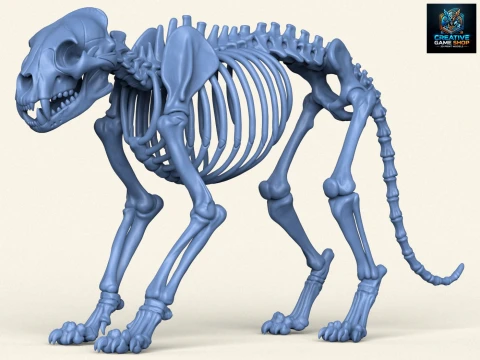
  2. 老虎骨架打印就绪 3D 打印模型
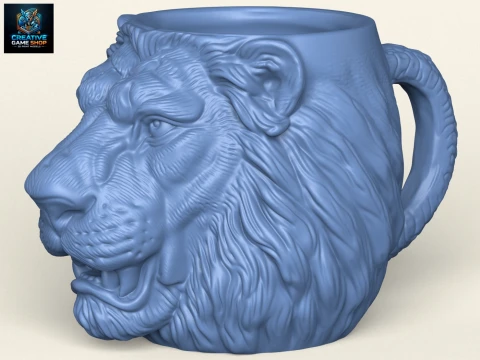
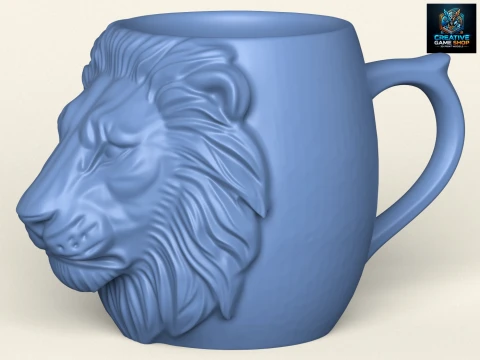
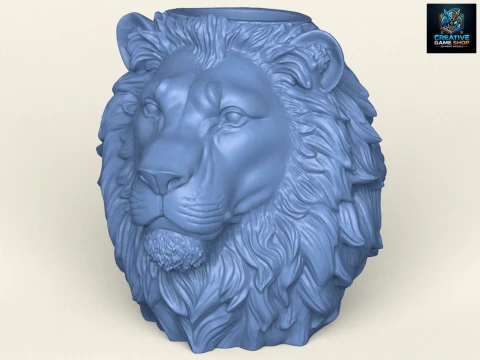
  3. 狮子头风格马克杯 3D 打印模型
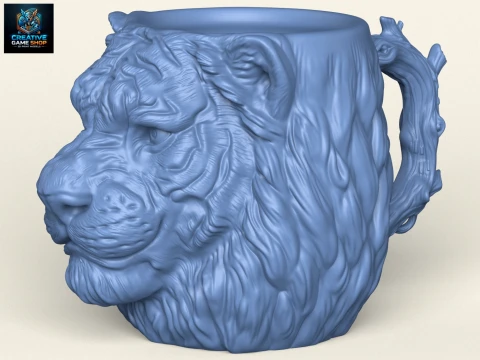
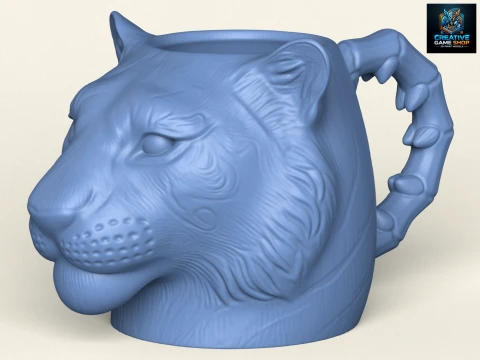
  4. 虎头风格马克杯 3D 打印模型
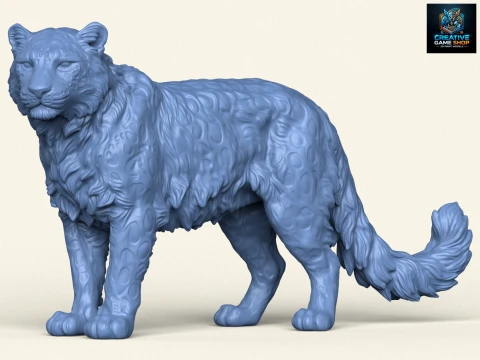
  5. 喜马拉雅雪豹 3D 打印模型
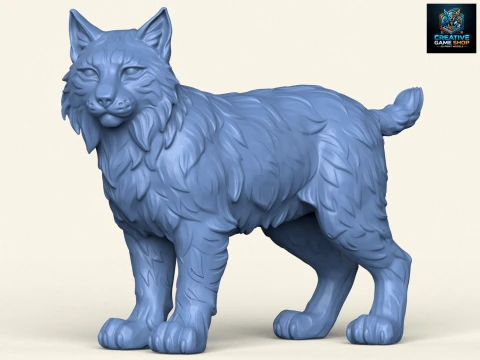
  6. 野生山猫 3D 打印模型
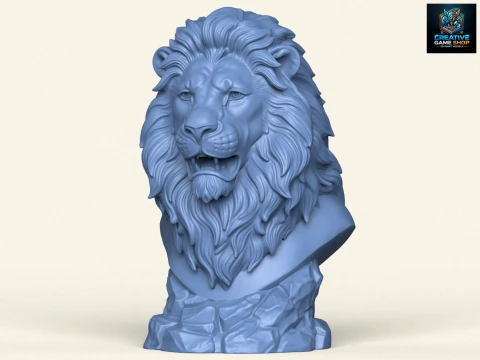
  7. 野生狮子半身像 3D 打印模型
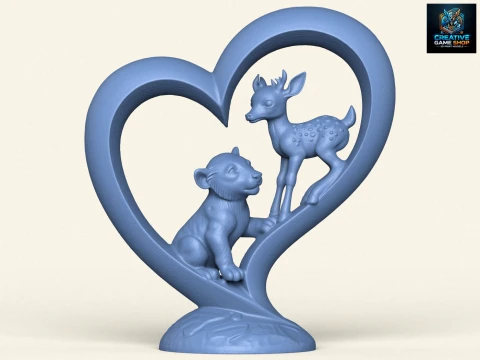
  8. 心爱装饰雕像 3D 打印模型
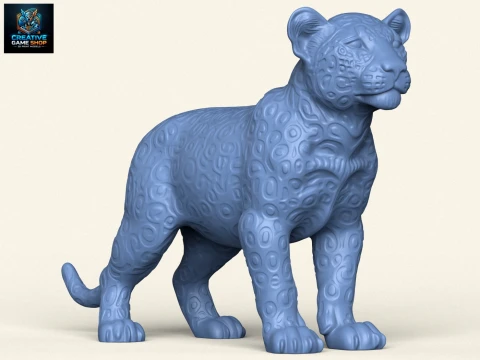
  9. 野生豹 3D 打印模型
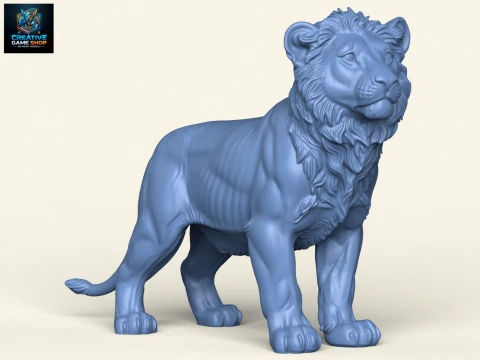
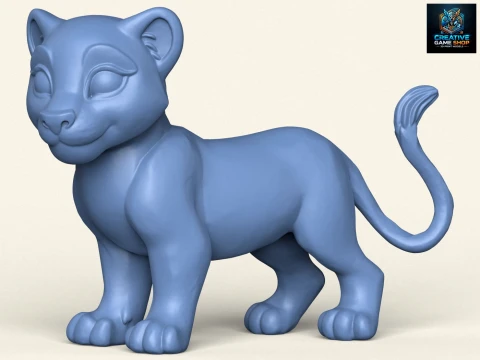
  10. 小狮子 3D 打印模型
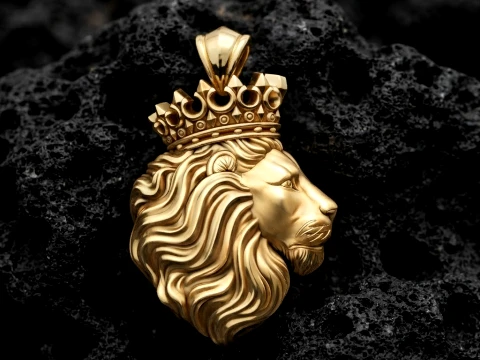
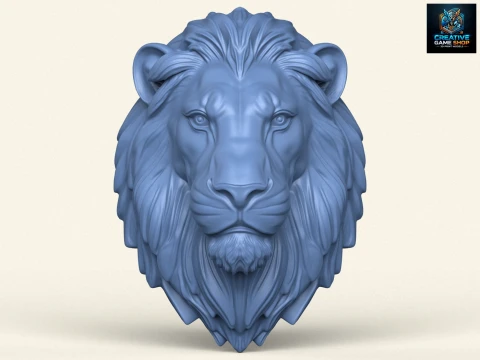
  11. 狮子头 3D 打印模型
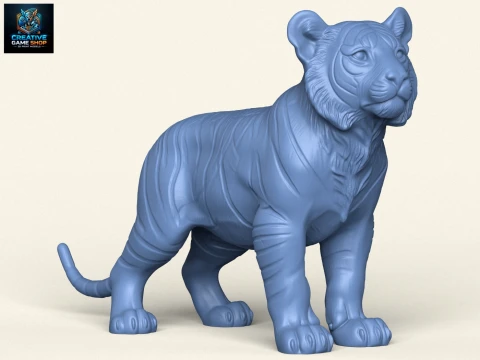
  12. 虎崽 3D 打印模型
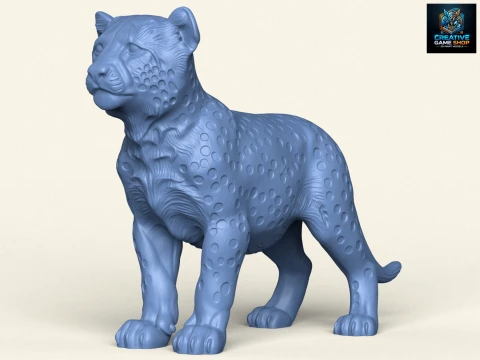
  13. 猎豹幼崽 3D 打印模型
  14. 狮子头装饰艺术 3D 打印模型
  15. 虎头马克杯 3D 打印模型
  16. 狮子头马克杯 3D 打印模型
  17. 壁纸59 3D 模型
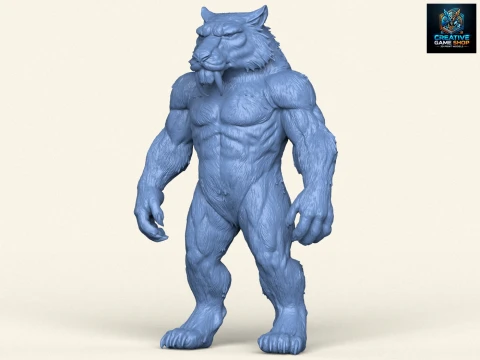
  18. 狮子人性格 3D 打印模型
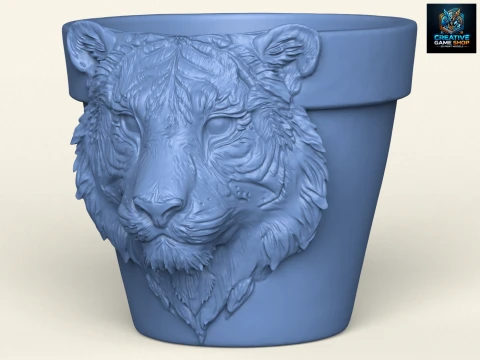
  19. 虎头花盆 3D 打印模型
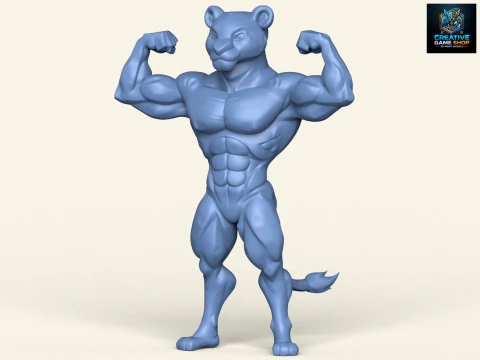
  20. 肌肉发达的健美运动员捷豹角色 3D 打印模型
  21. -40%
    雄狮-A2 3D 模型
    $23.99 $39.99
  22. -40%
    雄狮-A1 3D 模型
    $23.99 $39.99
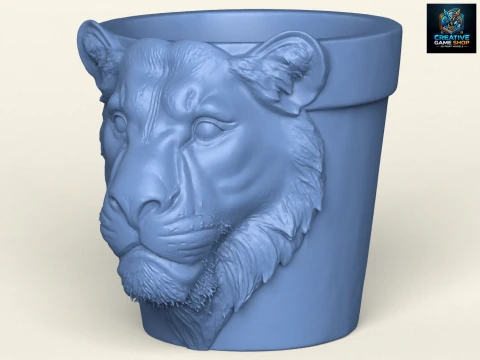
  23. 母狮头花盆 3D 打印模型
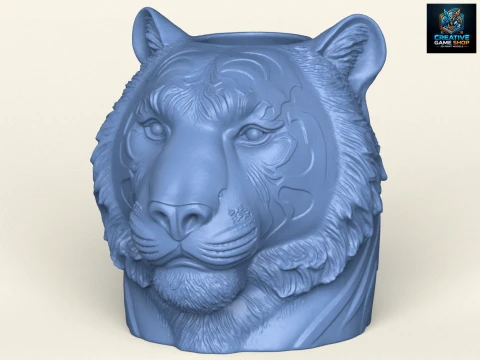
  24. 虎头花瓶 3D 打印模型
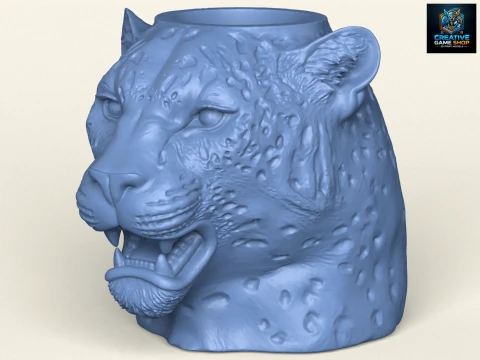
  25. 豹头花瓶 3D 打印模型
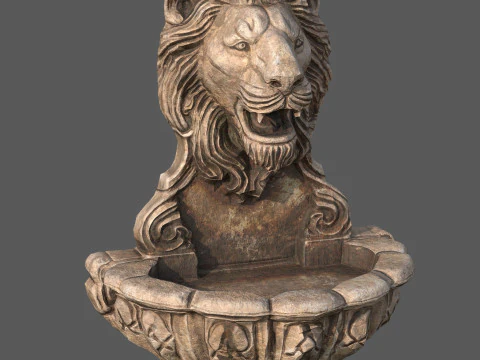
  26. 狮子头花瓶 3D 打印模型
  27. 虎锅 3D 打印模型
  28. 小狮子 3D 打印模型
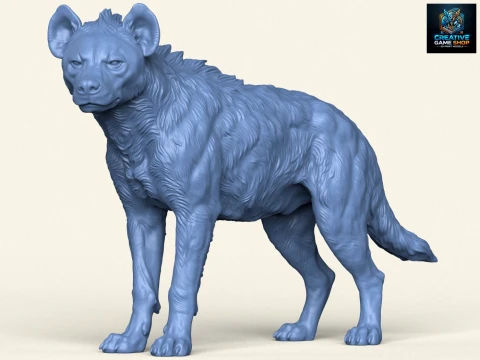
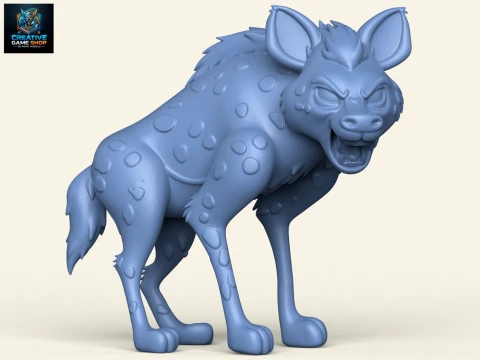
  29. 鬣狗 3D 打印模型
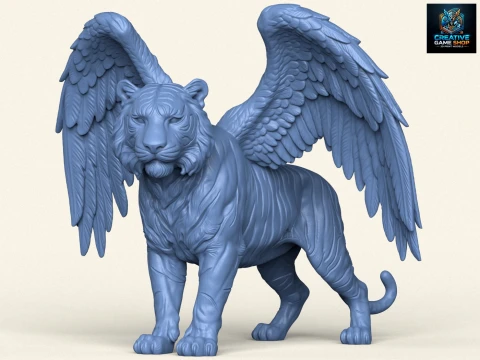
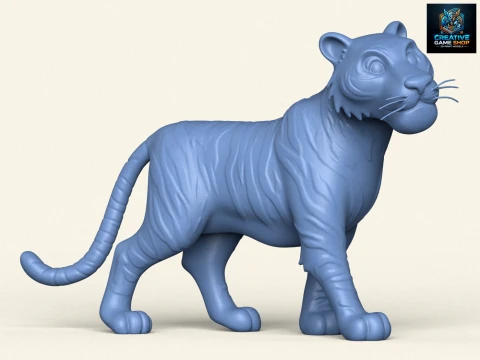
  30. 老虎 3D 打印模型
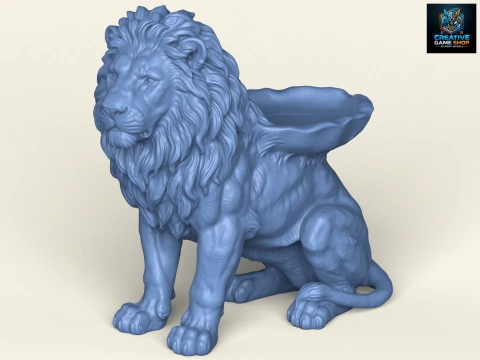
  31. 狮子 3D 打印模型
  32. 狮子王 3D 打印模型
  33. 狼头半身像 3D 模型
  34. 秃鹫雕像 3D 模型
  35. 乌龟雕像雕像 3D 模型
  36. 虎头雕像 3D 模型
  37. 犀牛头半身像 3D 模型
  38. 兔头半身像 3D 模型
  39. 飞马座马雕像 3D 模型
  40. 鹦鹉雕像 3D 模型
  41. 老鼠雕像 3D 模型
  42. 猴子雕像 3D 模型
  43. 狮子雕像雕像 3D 模型
  44. 狮子头雕像 3D 模型
  45. 马头半身雕像 3D 模型
  46. 河马半身像 3D 模型
  47. 大猩猩半身像 3D 模型
  48. 金鱼金属雕像 3D 模型
  49. 长颈鹿半身像 3D 模型
  50. 象头半身像 3D 模型
  51. 老鹰雕像 3D 模型
  52. 狗塔瑞尔雕像 3D 模型
  53. 狗雕像雕像 3D 模型
  54. 鹿头半身像 3D 模型
  55. 鳄鱼半身像 3D 模型
  56. 牛半身像 3D 模型
  57. 骆驼雕像 3D 模型
  58. 公牛雕像 3D 模型
  59. 熊头雕像 3D 模型
  60. 黄沙悬崖 3D 模型
  61. -30%
    猫吊坠戒指系列 3D 打印模型
  62. -30%
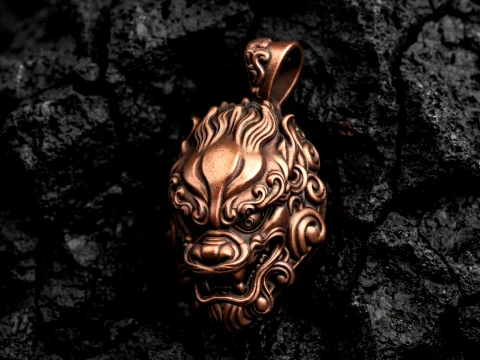
    猫吊坠3D打印模型 3D 打印模型
  63. -30%
    猫环3D打印模型 3D 模型
  64. -50%
    程式化狮子半身像 M1 3D 模型
  65. -50%
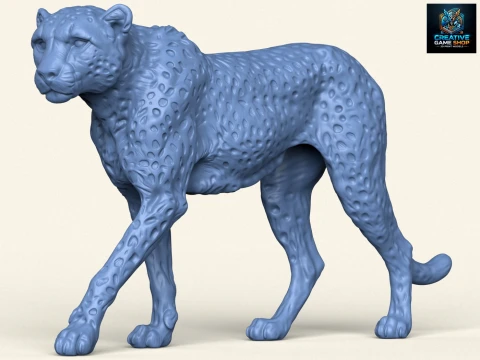
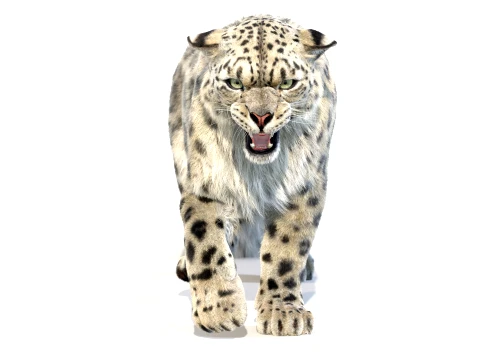
    最真实的猎豹 - 8k - 3d 动画 3D 模型
  66. -50%
    猎豹形状 3D 模型
  67. 卡通猫索具 3D 模型
  68. 狮子卡通 3D 模型
  69. 狮子3椅 3D 模型
  70. -30%
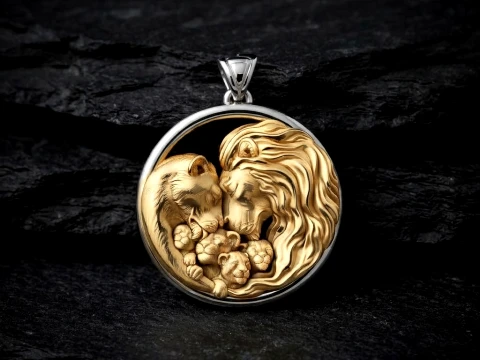
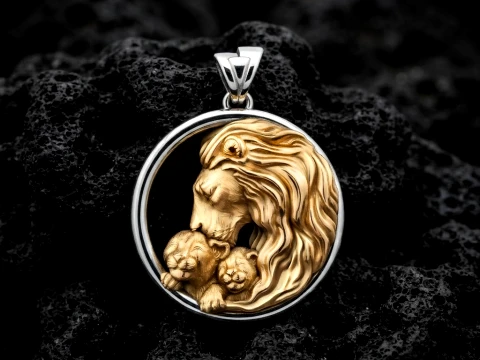
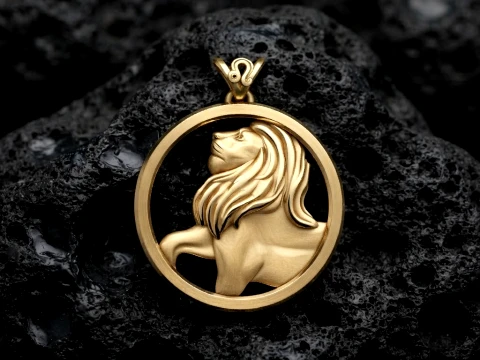
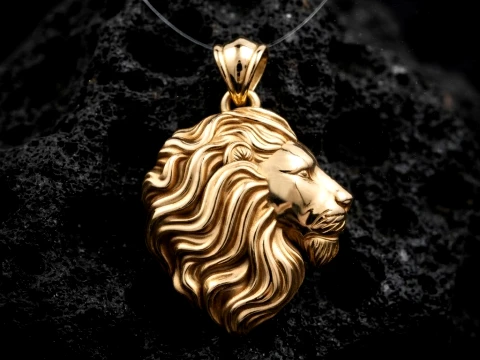
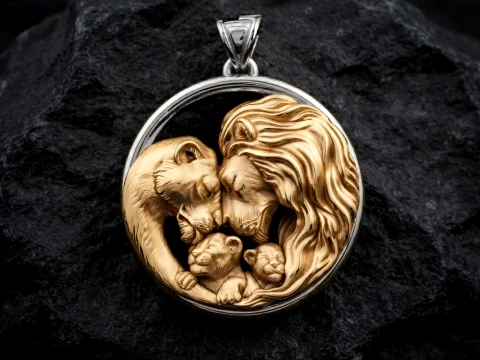
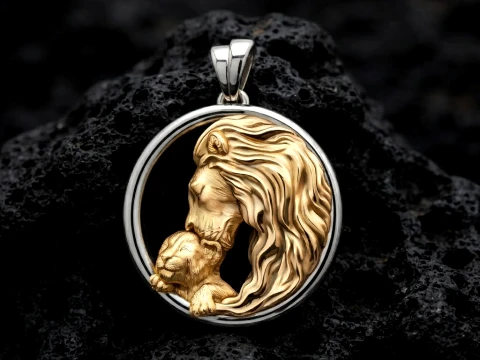
    母狮吊坠3D打印模型 3D 打印模型
  71. -30%
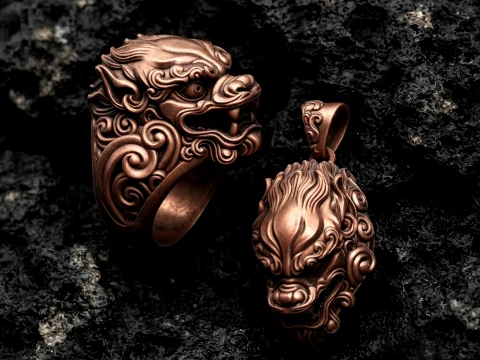
    母狮戒指3D打印模型 3D 打印模型
页 1 的 19

Q1: Are there realistic lion 3D models with mane geometry?

Yes — and mane geometry is where the quality gap between sellers becomes most obvious. Budget lion models fake the mane with a flat alpha-card approach: a mesh shell around the head with a transparency texture. It looks fine at distance, reads poorly in close-ups, and casts weird shadows in path-traced renders. Higher-end models use actual geometry strands — either strand-based hair systems (Blender's curves, Maya's XGen) or dense polygon strips that simulate fur depth. For Cycles or Arnold renders, strand-based is the best quality. For real-time engines, alpha card manes with proper depth sorting are still the standard. Check the render preview carefully: if you don't see shadow variation within the mane, it's almost certainly alpha cards.

Q2: What polygon counts do realistic lion 3D models have?

Cinematic-quality lions run 100,000–400,000+ polygons, with separate fur systems on top. Game-ready lions typically land at 15,000–40,000 triangles for a hero unit. The body topology is usually clean enough; the issue is often in the paws and face — areas that need dense topology for believable deformation during animation. Paw digit bones should have at least 3–4 edge loops per joint. Low-poly lions under 5,000 tris exist and work for mobile or stylized projects, but at that count the silhouette reads more as ""big cat shape"" than specifically lion.

Q3: Can lion 3D models be used for wildlife documentary visualization?

Absolutely — this is a real production use case. Photorealistic lion models are used for documentary insert shots, safety-cover footage in dangerous filming situations, and educational content. For this purpose, you need PBR textures at minimum 4K resolution, anatomically correct proportions, and realistic fur shading. In Blender, V-Ray, or Arnold, fur is usually handled through a hair particle system or procedural shading rather than geometry. Check if the model includes a Blender .blend or Maya .ma file with the fur system already set up — rebuilding it from scratch is several hours of work.

Q4: Where can I find animated lion 3D models with walk and run cycles?

3DExport has several animated lion models with pre-built animation clips — idle, walk, run, roar, and attack cycles being the most common. For game development, you want these as separate FBX animation clips that can be imported into Unreal or Unity's animation state machine. For direct render use in Blender or Cinema 4D, baked keyframe animations in the native file are simpler. One thing to verify: does the animation use root motion, or does the character animate in place? Game engines handle both, but the pipeline setup differs. Root motion models translate in world space during animation; in-place models require the game engine to handle locomotion separately.