


 English
 Español
 Deutsch
 日本語
日本語 Polska
 Français
 한국의
한국의 Українська
 Nederlands
 Türkçe
 Português
 Bahasa Indonesia
 Русский
 中國
中國 हिंदी
हिंदी
















leone Modelli 3D
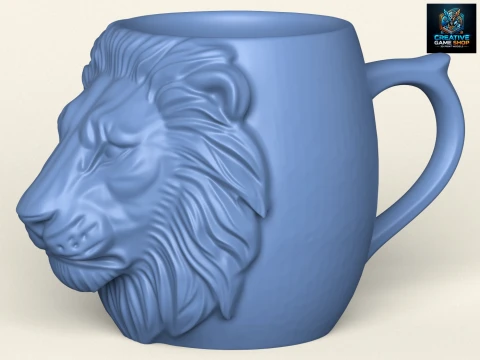
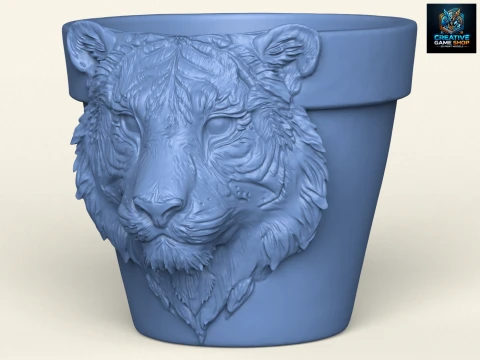
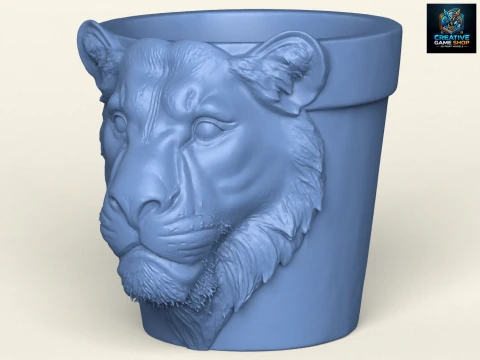
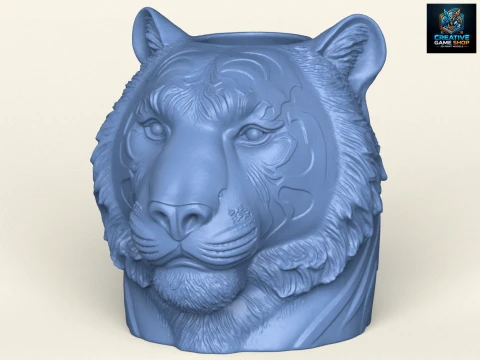
Abbiamo 2072 oggetto(i) Senza royalty lion Modelli 3D. Acquista o scarica modelli 3D gratuiti per i tuoi progetti CG, produzione di film e video, animazioni, visualizzazioni, giochi, VR/AR e altro. Puoi scaricare qualsiasi modello 3D in tutti i formati 3D più diffusi, inclusi MAX, OBJ, FBX, 3DS, STL, C4D, BLEND, MAYA
- -40%
 Avera3dPendants
 - -40%
 Avera3dOther
 - -40%
 Avera3dPendants
 - -40%
 Avera3dPendants
 - -40%
 Avera3dPendants
 - -40%
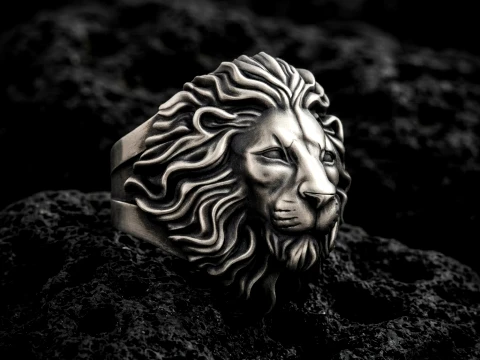 Avera3dRings
 - -40%
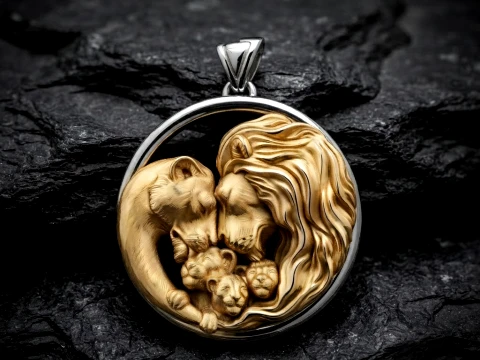 Avera3dPendants
 - -40%
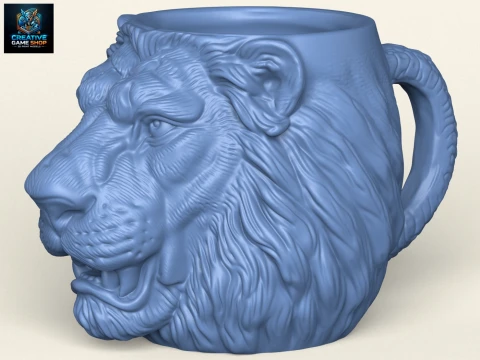 creativegameshopKitchen and Dining
 - -40%
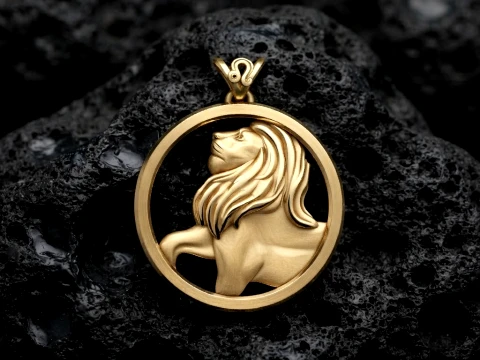 Avera3dPendants
 - -40%
 Avera3dPendants
 - -40%
 creativegameshopSculpture
 - -40%
 Avera3dPendants
 - -40%
 Avera3dPendants
 - -40%
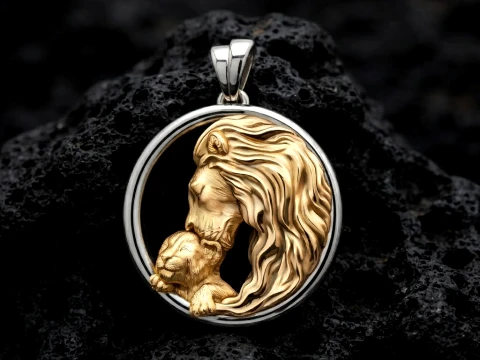 Avera3dPendants
 - -40%
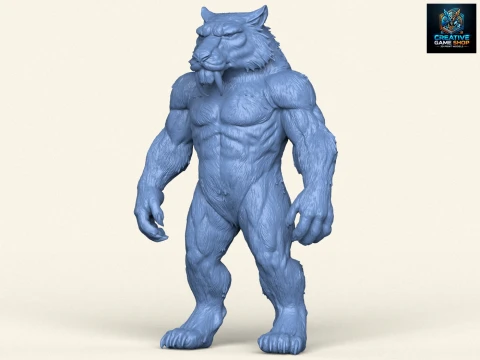 creativegameshopMonsters and Creatures$6.00
$10.00 - -40%
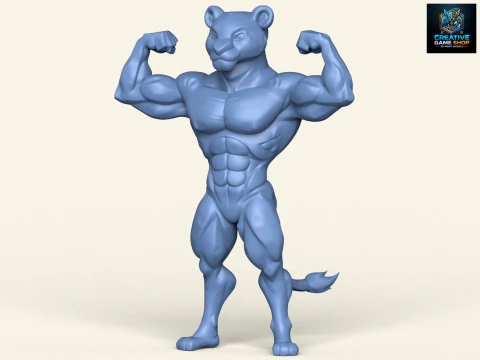 creativegameshopMonsters and Creatures
 - -30%
 SanchiEspSculpture
 - -30%
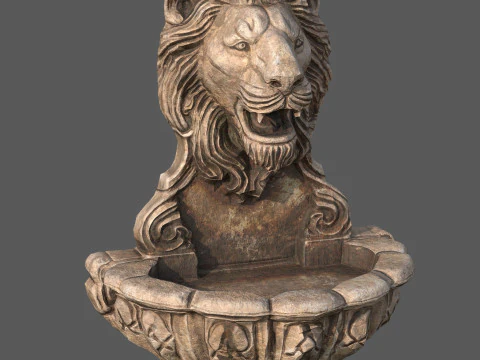 SanchiEspSculpture


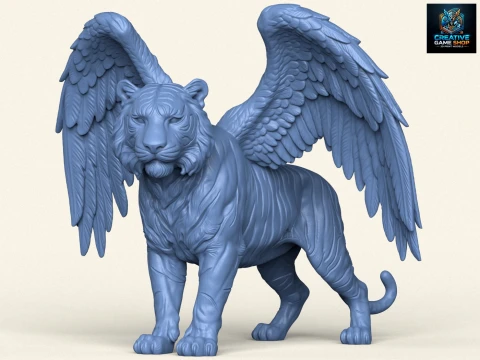
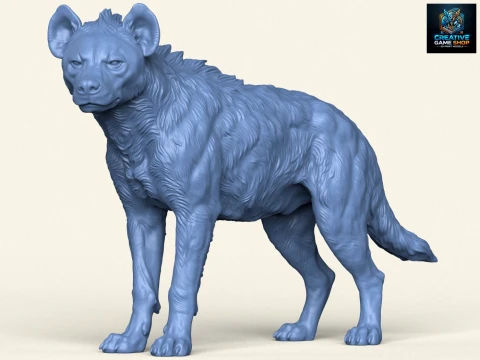
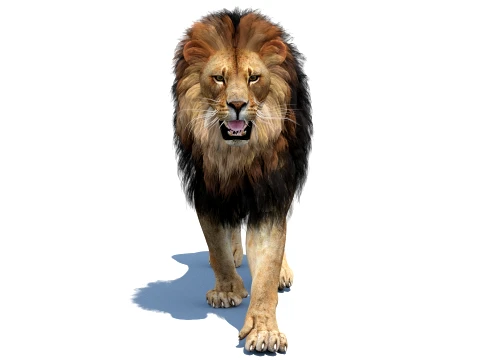
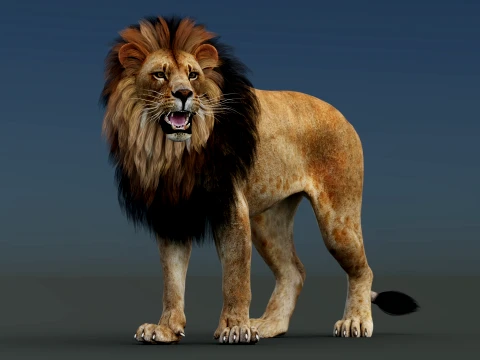
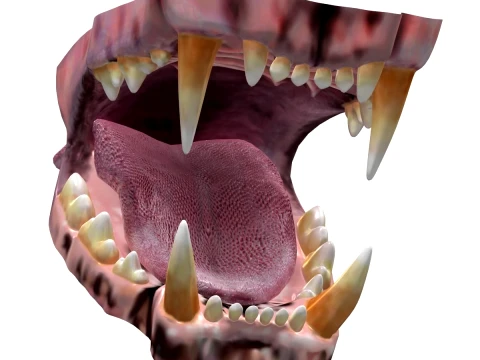
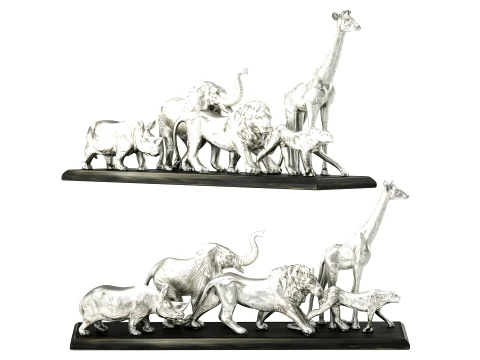

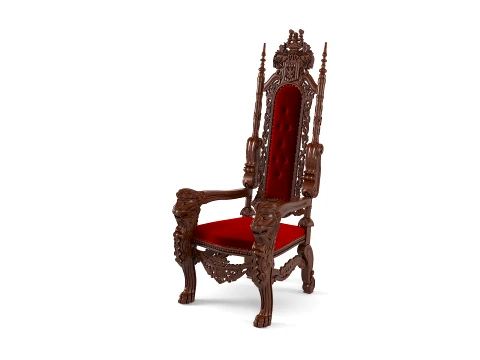

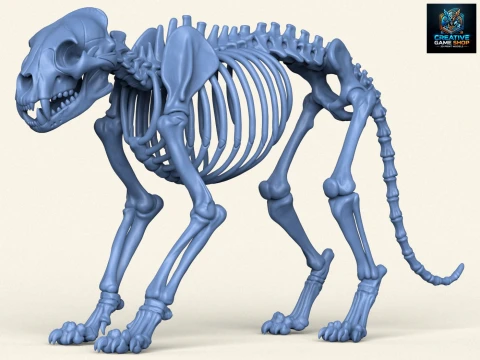
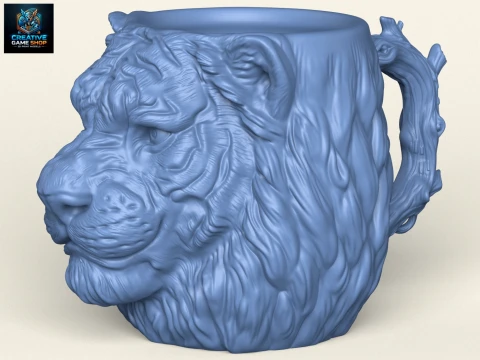
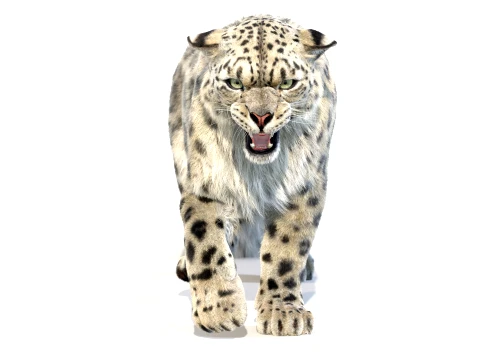
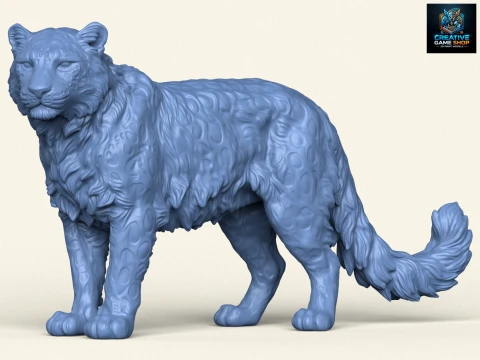
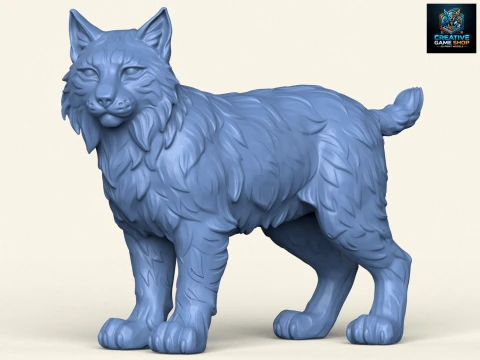
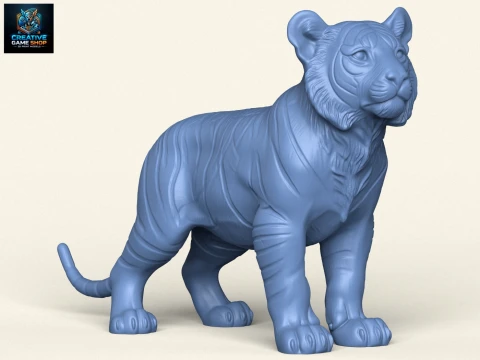
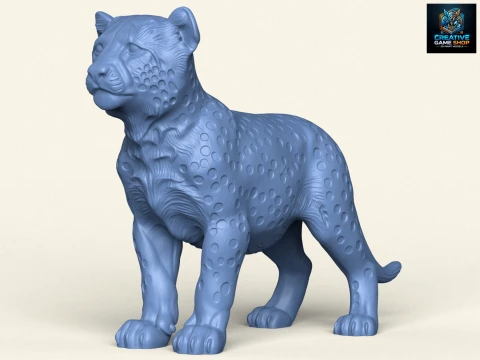
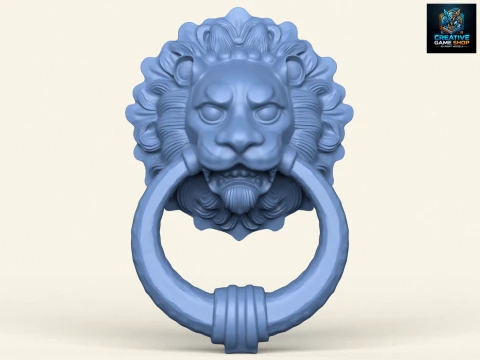
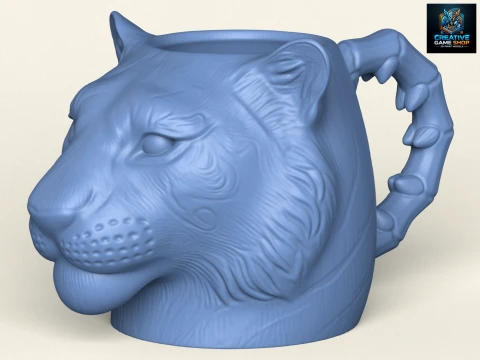



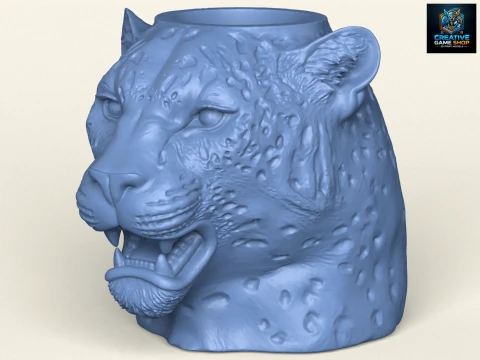
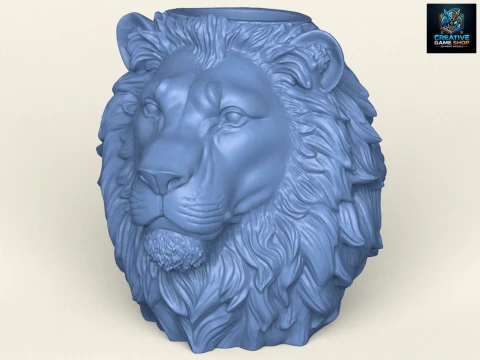


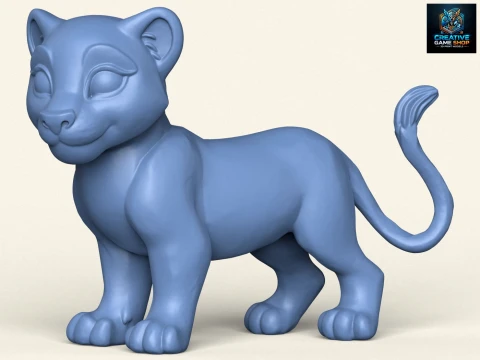
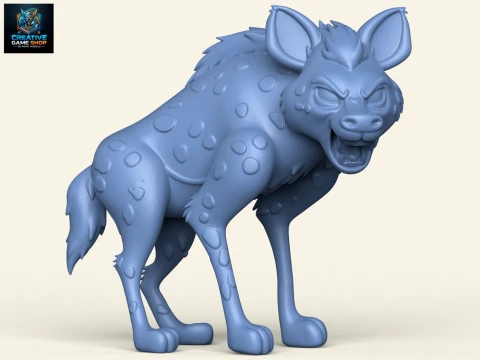
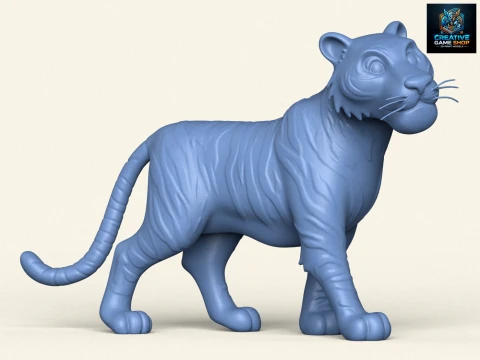
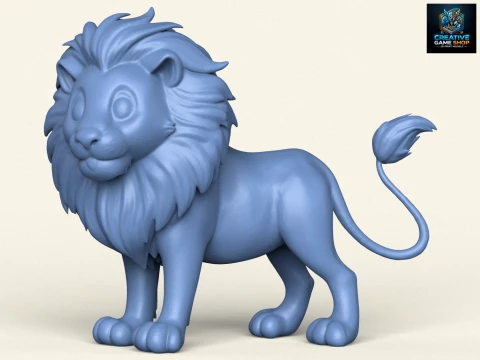
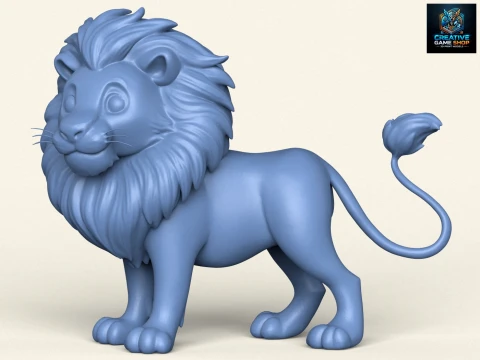




Ricerche di tendenza Modelli 3D:
Scultura Modelli 3D Caratteri Modelli 3D Cucina Modelli 3D Cavallo Modelli 3D Architectural Exteriors Modelli 3D Telefoni e Cellulari Modelli 3D Vegetali Modelli 3D Gioielli Modelli 3D Giocattoli Modelli 3D Medicinali Modelli 3D Elicotteri Modelli 3D Armi Pesanti Modelli 3D Camion Modelli 3D Anatomia Modelli 3DQ1: Are there realistic lion 3D models with mane geometry?
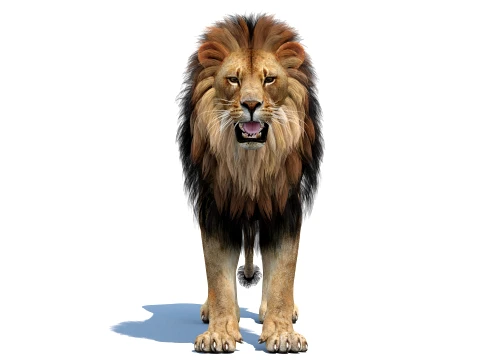
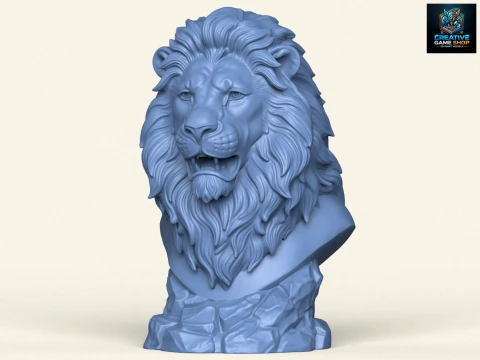
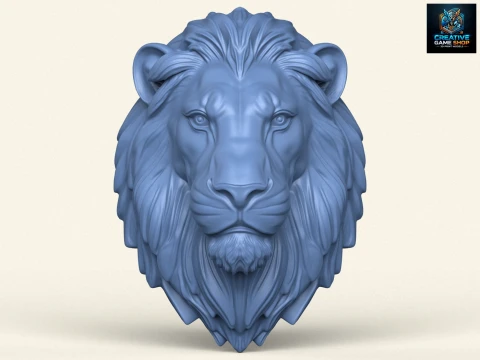
Yes — and mane geometry is where the quality gap between sellers becomes most obvious. Budget lion models fake the mane with a flat alpha-card approach: a mesh shell around the head with a transparency texture. It looks fine at distance, reads poorly in close-ups, and casts weird shadows in path-traced renders. Higher-end models use actual geometry strands — either strand-based hair systems (Blender's curves, Maya's XGen) or dense polygon strips that simulate fur depth. For Cycles or Arnold renders, strand-based is the best quality. For real-time engines, alpha card manes with proper depth sorting are still the standard. Check the render preview carefully: if you don't see shadow variation within the mane, it's almost certainly alpha cards.
Q2: What polygon counts do realistic lion 3D models have?
Cinematic-quality lions run 100,000–400,000+ polygons, with separate fur systems on top. Game-ready lions typically land at 15,000–40,000 triangles for a hero unit. The body topology is usually clean enough; the issue is often in the paws and face — areas that need dense topology for believable deformation during animation. Paw digit bones should have at least 3–4 edge loops per joint. Low-poly lions under 5,000 tris exist and work for mobile or stylized projects, but at that count the silhouette reads more as "big cat shape" than specifically lion.
Q3: Can lion 3D models be used for wildlife documentary visualization?
Absolutely — this is a real production use case. Photorealistic lion models are used for documentary insert shots, safety-cover footage in dangerous filming situations, and educational content. For this purpose, you need PBR textures at minimum 4K resolution, anatomically correct proportions, and realistic fur shading. In Blender, V-Ray, or Arnold, fur is usually handled through a hair particle system or procedural shading rather than geometry. Check if the model includes a Blender .blend or Maya .ma file with the fur system already set up — rebuilding it from scratch is several hours of work.
Q4: Where can I find animated lion 3D models with walk and run cycles?
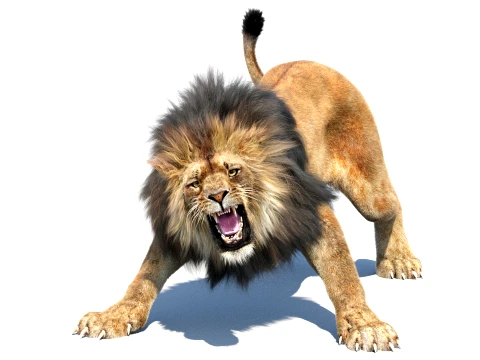
3DExport has several animated lion models with pre-built animation clips — idle, walk, run, roar, and attack cycles being the most common. For game development, you want these as separate FBX animation clips that can be imported into Unreal or Unity's animation state machine. For direct render use in Blender or Cinema 4D, baked keyframe animations in the native file are simpler. One thing to verify: does the animation use root motion, or does the character animate in place? Game engines handle both, but the pipeline setup differs. Root motion models translate in world space during animation; in-place models require the game engine to handle locomotion separately.