


 English
 Español
 Deutsch
 日本語
日本語 Polska
 Français
 한국의
한국의 Українська
 Italiano
 Nederlands
 Türkçe
 Português
 Русский
 中國
中國 हिंदी
हिंदी

















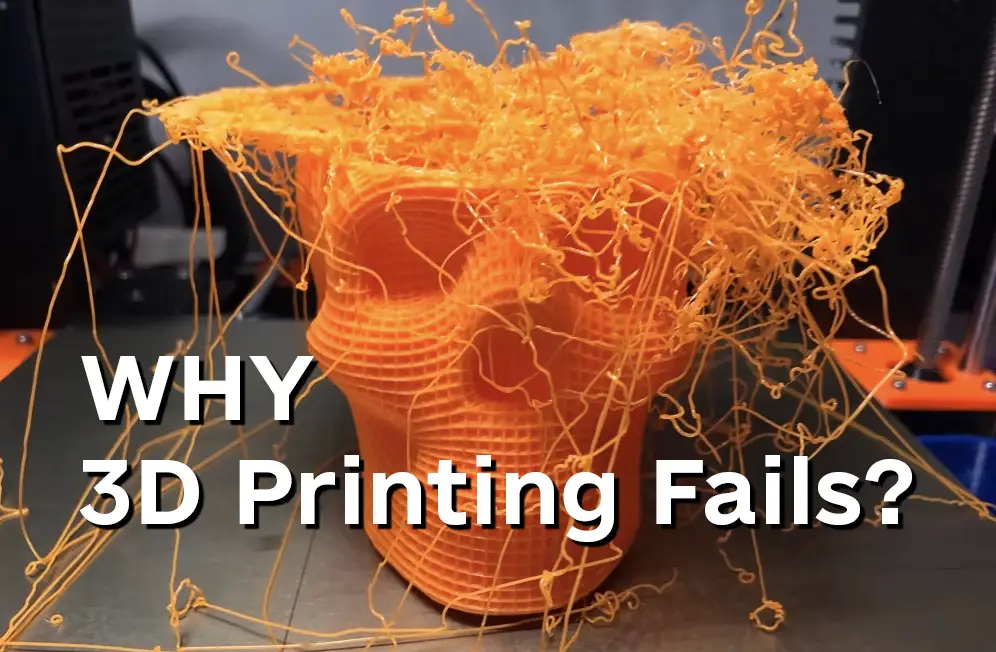
3D printing looks effortless in promo videos. You click "Print", walk away, and return to a perfect part. In reality, even experienced engineers and makers know that additive manufacturing has its own set of recurring headaches.
If you work with FDM, SLA, or even SLS technologies, you’ve probably faced at least one of these issues. Below is a practical breakdown of the most common 3D printing problems, why they happen, and what you can do to prevent them.
The First Layer Drama - Adhesion Problems
The first layer decides everything. If it fails, nothing else matters.
When adhesion is off, the model may start curling at the corners, slide slightly across the build plate, or print uneven lines that look "squashed" or barely touch the surface. It often doesn’t look catastrophic at first - but halfway through the print, you suddenly realize the geometry has shifted.
In most cases, the issue isn’t complex engineering. Its calibration and environment:
- The bed is not perfectly leveled
- Z-offset is too high or too low
- The surface is dusty or oily
- The bed temperature is slightly off
Professionals treat first-layer calibration as a ritual. Slowing down the first layer, increasing bed temperature by a few degrees, or simply cleaning the plate with isopropyl alcohol often fixes 80% of adhesion failures.
Warping - When Physics Fights Your Print
Warping is not a printer problem. It's a thermal problem.
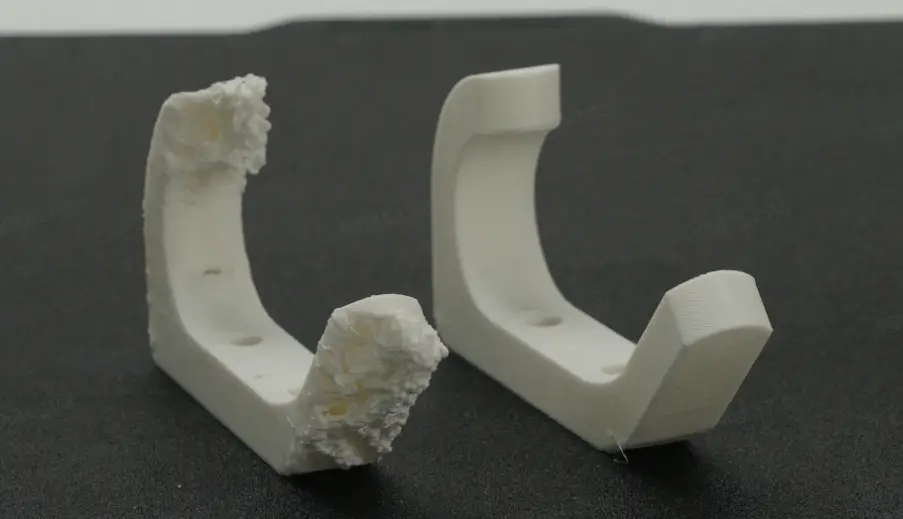
As the filament cools, it shrinks. If cooling happens unevenly - especially with materials like ABS - internal stress builds up. The result is lifted corners, cracked layers, or subtle deformation that ruins dimensional accuracy.
This becomes more noticeable with:
- Large flat parts
- Thin walls
- High-temperature filaments
- Open-frame printers in rooms with airflow
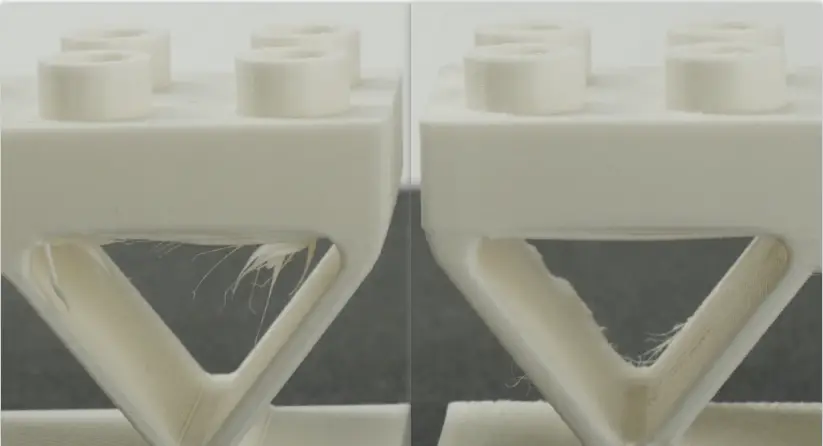
The real solution is thermal control. Enclosures reduce temperature fluctuation. Lower fan speeds minimize rapid cooling. Smart part orientation and the addition of brims or rafts distribute stress more evenly.
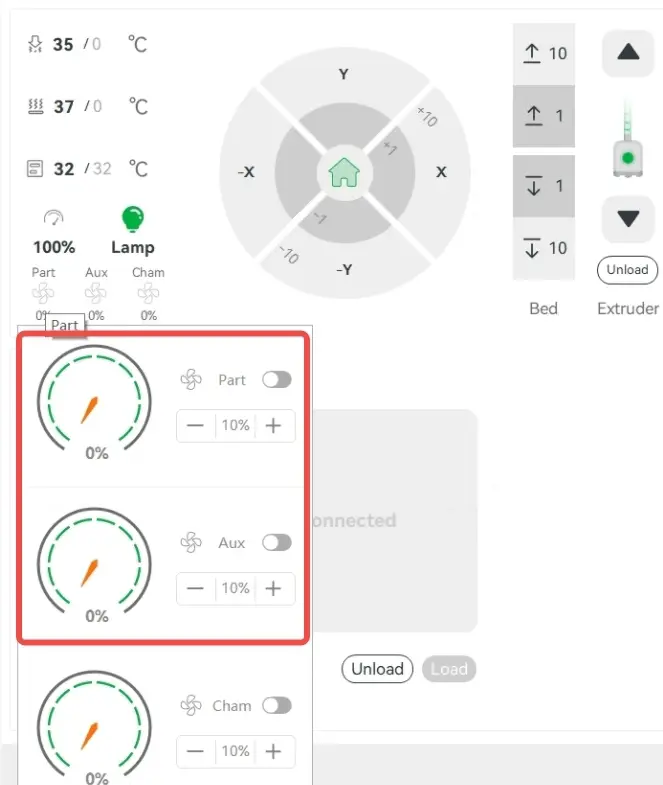
In production settings, environmental stability matters just as much as printer quality.
Stringing - Those Annoying Plastic Webs
Stringing is rarely dramatic - but it instantly makes a part look unprofessional.
You see thin hair-like strands between structures. Small towers look like they’ve been connected by spider silk. The geometry is correct, but surface quality suffers.
Stringing usually comes down to material behavior and retraction settings:
- Retraction distance too short
- Nozzle temperature is too high
- Moist filament
- Slow travel speed
Dry filament alone can transform print quality. Many users underestimate the extent to which humidity affects PLA and PETG. Slight temperature reductions and optimized retraction speeds can dramatically improve print quality.
Mechanical Instability - Layer Shifting and Misalignment
Layer shifting feels brutal because it destroys precision instantly.
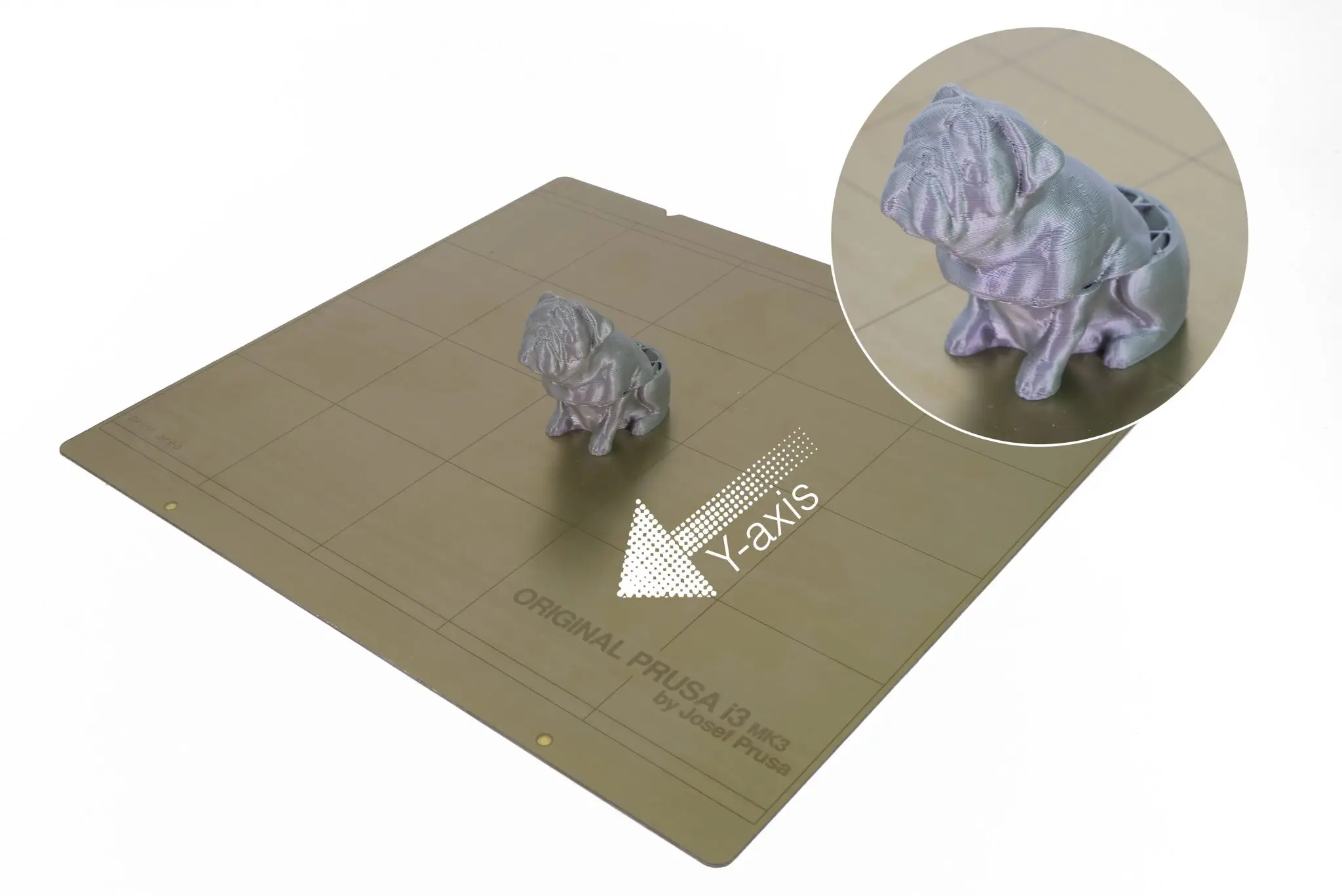
The print looks perfect until one layer suddenly moves sideways. From that point on, the model becomes unusable for engineering purposes.
Unlike thermal problems, this is usually mechanical:
- Loose belts
- Stepper motors overheating
- Axes obstruction
- Print speeds exceeding hardware capability
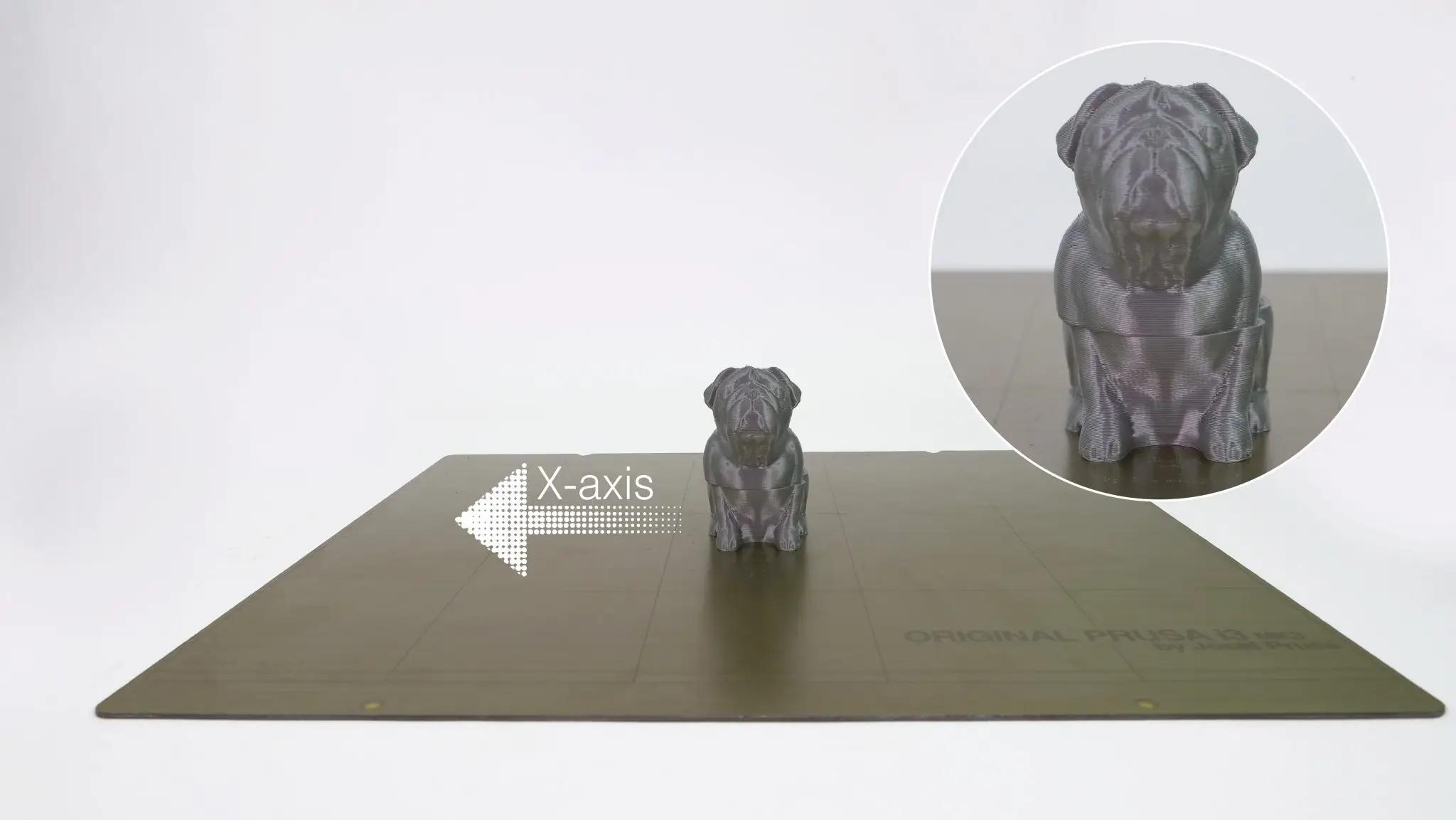
Regular inspection matters. Belt tension should be checked periodically. Rails must stay clean. Speeds should match the mechanical limits of the machine. High-speed printing without structural rigidity almost always ends badly.
Extrusion Inconsistencies - Weak or Ugly Parts
Not all problems are visible immediately. Some are structural.
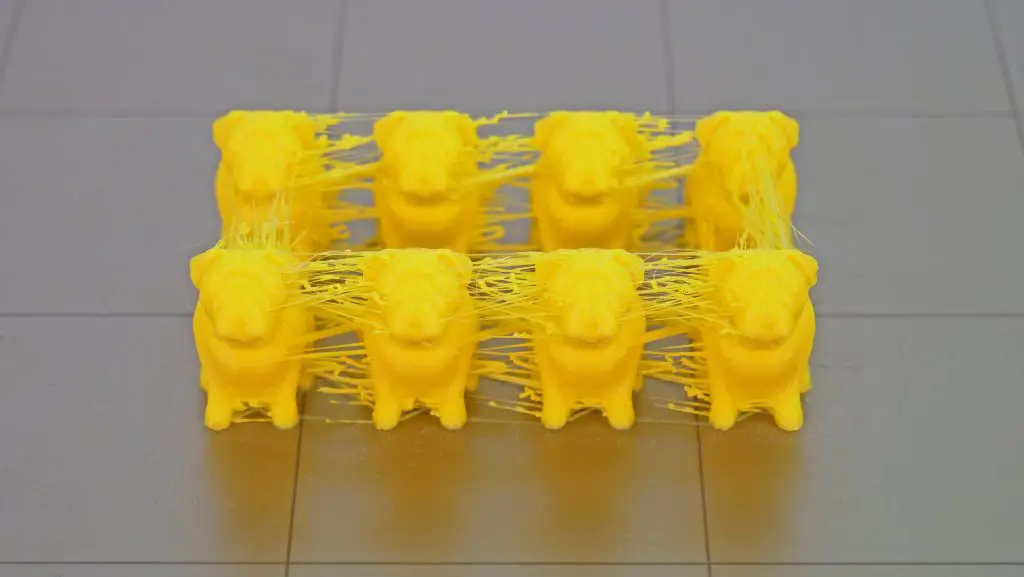
Under-extrusion produces weak walls and visible gaps between layers. Over-extrusion creates blobs, rough edges, and dimensional inaccuracies. Both directly affect strength and tolerance.
Common technical reasons include:
- Incorrect flow rate
- Partial nozzle clog
- Worn extruder gear
- Wrong filament diameter settings
The solution is calibration, not guesswork. Flow calibration tests, extrusion multiplier tuning, and regular nozzle replacement keep output consistent. For functional parts, especially prototypes meant for mechanical testing, extrusion accuracy is critical.
Support Structures - Necessary but Problematic
Supports are essential for overhangs, but they often leave marks, waste material, and increase print time.
Sometimes they detach mid-print. Sometimes they fuse too strongly with the model. Sometimes they scar visible surfaces.
To improve support performance:
- Optimize model orientation before slicing
- Adjust support density and interface layers
- Use soluble supports for complex geometries
- Redesign parts to reduce overhang angles
Experienced designers often modify geometry specifically to minimize support usage. Design for additive manufacturing is a discipline in its own right
Final Thoughts
3D printing is powerful, flexible, and increasingly industrial-ready. But it is not plug-and-play. Most failures stem from calibration, environmental control, and material handling.
If you treat your printer like a precision manufacturing tool rather than a hobby gadget, your results will dramatically improve.
The key takeaway?
Nearly every common 3D printing problem has a predictable cause - and a repeatable solution.
