


 English
 Español
 Deutsch
 日本語
日本語 Polska
 Français
 한국의
한국의 Українська
 Italiano
 Nederlands
 Türkçe
 Português
 Русский
 中國
中國 हिंदी
हिंदी
















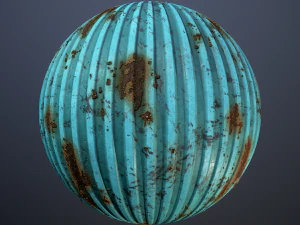
Rust Tekstur CG
Kita punya 5 item Royalti gratis Model 3D. In this category we gathered a big collection of rust textures created by professional 3d artists. You will be amazed by their diversity and high quality. These rust textures will perfectly fit any kind of project. Our rust textures are a great solution for your project! Each rust texture is available for download. Download CG Textures with .jpg, .png, .psd, .tga, .tif, .hdr and .i3d formats. Browse the full collection and find something useful in the categories Roads Textures and Scrap Textures.




Penelusuran yang lagi ngetren Model 3D:
Patung Model 3D Karakter Model 3D Dapur Model 3D Kuda Model 3D Eksterior Arsitektur Model 3D Telepon dan Ponsel Model 3D Sayuran Model 3D Perhiasan Model 3D Mainan Model 3D Medis Model 3D Helikopter Model 3D Senjata Berat Model 3D Truk Model 3D Anatomi Model 3DJenis korosi dan oksidasi logam apa saja yang termasuk?
Kategori karat adalah perpustakaan khusus yang menampilkan pemindaian beresolusi tinggi dari besi, baja, dan tembaga yang terpapar cuaca. Pada tahun 2026, kami menawarkan tekstur mulai dari oksidasi permukaan ringan dan "flash-rust" hingga korosi dalam yang mengelupas dan telah merusak logam. Anda akan menemukan tekstur untuk pipa berkarat, lambung kapal, kendaraan terlantar, dan mesin industri. Aset-aset ini sangat penting bagi seniman lingkungan dan desainer properti yang perlu menambahkan nuansa sejarah, pengabaian, atau kesan industri yang kasar ke dalam adegan mereka. Setiap tekstur menangkap sifat kompleks dan berlapis-lapis dari karat, menyediakan peta profesional yang diperlukan untuk mengubah objek logam bersih menjadi relik yang usang akibat pertempuran atau kerusakan waktu.
Bagaimana data tekstur mewakili sifat berlapis-lapis karat?
Ketepatan fisik merupakan persyaratan utama untuk tekstur korosi tahun 2026, dan koleksi karat kami memanfaatkan "displacement" dan "height-maps" berdetail tinggi. Peta-peta ini secara fisik mengangkat area berkarat dari permukaan, menciptakan tampilan tidak rata dan "mengelupas" yang khas pada logam teroksidasi. "Peta kekasaran" sangat penting di sini, karena mencerminkan kontras antara tekstur karat yang matte dan berpori dengan area logam yang lebih halus dan tetap utuh. Tingkat detail ini memastikan cahaya menangkap tepi bergerigi korosi, memberikan hasil profesional dan meyakinkan yang membuat objek berkarat Anda terlihat berat, bertekstur, dan secara fisik rusak di bawah kondisi pencahayaan apa pun.
Apakah ada tekstur "karat yang menetes" dan "noda" untuk permukaan arsitektural?
Ya, koleksi 2026 kami mencakup banyak tekstur "aliran karat" dan "tetesan" yang dirancang sebagai overlay dengan masker alfa. Tekstur ini memungkinkan Anda menempatkan noda karat yang realistis di bawah baut, engsel, atau di sepanjang tepi struktur logam yang terpapar hujan. Tekstur-tekstur ini sangat penting untuk menambahkan "narasi lingkungan" ke dalam adegan Anda, menunjukkan bagaimana air telah berinteraksi dengan logam seiring waktu. Tekstur ini dapat diproyeksikan ke permukaan beton atau kayu untuk menunjukkan dampak dari logam yang berkarat di sekitarnya. Pendekatan modular ini memberikan solusi yang fleksibel dan berkualitas tinggi untuk menciptakan lokasi industri yang lapuk, memberikan lapisan realisme yang mendalam dan imersif untuk lingkungan digital profesional Anda.
Apakah saya dapat menggunakan tekstur karat ini untuk desain game pasca-apokaliptik?
Tentu saja. Tekstur karat 2026 kami merupakan sumber daya utama bagi kreator yang membangun dunia game "gritty" dan "pasca-kiamat". Tekstur ini dioptimalkan untuk alur kerja PBR modern di mesin seperti Unreal Engine dan Unity, memungkinkan pembuatan lingkungan luas yang terbengkalai. Peta-peta ini dirancang untuk "dicampur" menggunakan vertex painting atau shader berbasis masker, memungkinkan Anda beralih secara dinamis dari model bersih ke berkarat. Fleksibilitas teknis ini esensial untuk pembangunan dunia, karena memungkinkan penggunaan ulang aset sambil memastikan setiap pipa atau balok terlihat tua secara unik. Tekstur profesional ini memberikan bobot visual dan sejarah yang diperlukan untuk membuat dunia game yang sepi terasa autentik dan dihuni.
Pengaturan rendering apa yang paling menonjolkan tekstur karat?
Untuk mencapai tampilan karat yang profesional dan meyakinkan pada tahun 2026, kami merekomendasikan penggunaan "ambient-occlusion" berkualitas tinggi untuk mendefinisikan bayangan dalam di lubang dan retakan korosi. Gunakan "directional-light" pada sudut tajam untuk menonjolkan peta ketinggian dan menciptakan bayangan panjang serta dramatis di permukaan yang berkarat. Untuk logam dengan "cat mengelupas" dan karat, penggunaan "multi-layered-shader" akan memungkinkan pantulan logam dasar terlihat melalui karat yang kusam. Menambahkan lapisan debu yang halus dapat lebih memperkuat tampilan yang terabaikan. Teknik-teknik ini menanamkan karat dalam adegan, membuat korosi terlihat autentik dan detailnya sempurna dalam render industri profesional Anda.