


 English
 Español
 Deutsch
 日本語
日本語 Polska
 Français
 한국의
한국의 Українська
 Italiano
 Nederlands
 Türkçe
 Português
 Русский
 中國
中國 हिंदी
हिंदी
















Air Tekstur CG
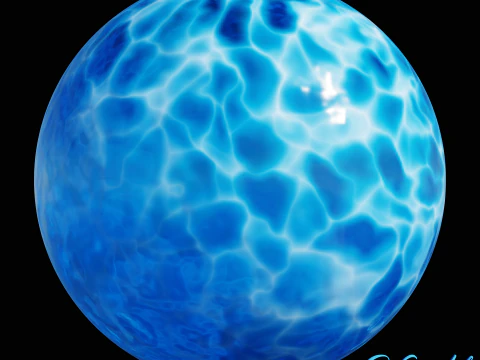
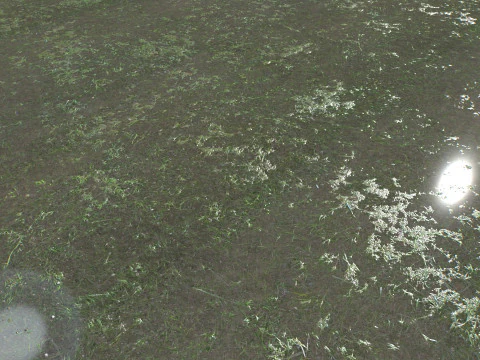
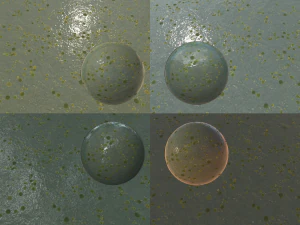
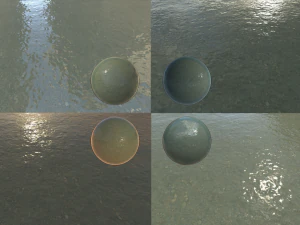
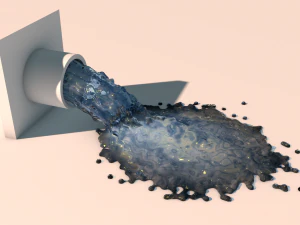
Kita punya 22 item Royalti gratis Model 3D. Here we have an extensive collection of water textures that can be used in any kind of project. You will be impressed by their realistic look and perfect quality. These water textures will meet all your needs. Our textures are a great solution for your project! Each water texture is available for download. Download CG Textures with .jpg, .png, .psd, .tga, .tif, .hdr and .i3d formats. Don’t hesitate to browse the categories Various Textures and Windows Textures.







Penelusuran yang lagi ngetren Model 3D:
Patung Model 3D Karakter Model 3D Dapur Model 3D Kuda Model 3D Eksterior Arsitektur Model 3D Telepon dan Ponsel Model 3D Sayuran Model 3D Perhiasan Model 3D Mainan Model 3D Medis Model 3D Helikopter Model 3D Senjata Berat Model 3D Truk Model 3D Anatomi Model 3DJenis permukaan cairan dan lingkungan akuatik apa saja yang tersedia?
Kategori air merupakan sumber daya penting bagi seniman lingkungan dan desainer lanskap, menampilkan peta resolusi tinggi dari berbagai kondisi perairan. Pada tahun 2026, kami menampilkan segala hal mulai dari permukaan danau pegunungan yang tenang dan jernih hingga gelombang laut terbuka yang bergolak dan berbusa. Anda dapat menemukan tekstur khusus untuk riak kolam renang, aliran sungai yang tenang, dan bahkan air kolam yang stagnan dengan puing-puing organik. Peta-peta ini sangat penting untuk mendasari lanskap pesisir atau adegan kolam renang interior Anda. Setiap tekstur dirancang untuk menangkap gerakan unik air, memberikan fondasi berkualitas profesional yang diperlukan untuk merepresentasikan permukaan cairan dengan akurasi visual mutlak dan kompleksitas organik.
Bagaimana peta normal dan peta displacement menciptakan gelombang yang realistis?
Realisme dalam tekstur air 2026 terutama didorong oleh peta displacement dan normal berdetail tinggi. Peta-peta ini secara fisik mendistorsi permukaan bidang 3D Anda untuk menciptakan puncak dan lembah gelombang. Untuk air tenang, peta normal menangkap riak kapiler halus yang memecah pantulan. Untuk laut yang bergelombang, peta displacement menciptakan gelombang besar dan bergerigi. Detail teknis ini memastikan cahaya menyentuh permukaan air secara realistis, menciptakan pola kilauan dan bayangan khas yang terlihat di lautan nyata. Tingkat kedalaman ini sangat penting untuk rendering sinematik dan simulasi maritim di mana kualitas taktil dan gerakan air menjadi inti dari imersi penonton.
Apakah tekstur air ini seamless untuk adegan maritim berskala besar?
Ya, untuk memenuhi standar produksi digital tahun 2026, semua tekstur air kami disediakan dalam bentuk ubin beresolusi tinggi dan tanpa sambungan. Tekstur ini dirancang khusus untuk menutupi bidang laut yang luas tanpa pengulangan yang terlihat atau artefak ubin. Kami menggunakan data prosedural dan pemindaian berformat besar yang memberikan variasi cukup di permukaan untuk mempertahankan ilusi laut yang tak berujung. Setiap peta disesuaikan warnanya untuk memastikan konsistensi di berbagai kondisi pencahayaan. Hal ini memungkinkan Anda menciptakan lingkungan air yang luas dan terlihat kohesif serta berkualitas tinggi, memberikan dasar profesional dan meyakinkan untuk pertempuran laut, render kapal pesiar mewah, atau visualisasi pesisir yang tenang di mana cakrawala menjadi elemen visual utama.
Apakah saya dapat menemukan tekstur air dengan detail busa dan percikan air yang spesifik?
Tentu saja. Koleksi 2026 kami mencakup tekstur air khusus yang dilengkapi peta busa dan masker percikan. Tekstur ini dirancang untuk dipadukan dengan permukaan air dasar, menampilkan area di mana air pecah di tepi pantai atau bergejolak di belakang kapal yang bergerak. Anda dapat menemukan tekstur dengan pola busa laut dan gelembung yang realistis yang memanfaatkan saluran emisif atau spekularitas tinggi untuk menangkap cahaya. Tingkat detail ini sempurna untuk menambahkan energi dan aksi pada adegan air Anda. Aset-aset ini memberikan solusi profesional bagi kreator yang perlu menampilkan interaksi antara air dan objek padat, membuat cairan terasa berat, bertenaga, dan dianimasikan secara realistis.
Pengaturan rendering apa yang paling baik menangkap transparansi air?
Untuk mencapai tampilan profesional pada air di tahun 2026, kami merekomendasikan penggunaan shader dengan sub-surface scattering untuk mensimulasikan cara cahaya bergerak melalui volume cairan. Gunakan pengaturan caustic berkualitas tinggi untuk memproyeksikan pola cahaya ke permukaan di bawah air, seperti lantai kolam renang atau dasar laut yang dangkal. Untuk permukaan, penggunaan efek Fresnel sangat penting untuk memastikan air menjadi lebih reflektif saat sudut pandang semakin dangkal. Menambahkan kabut volumetrik yang halus pada volume air akan menciptakan kedalaman realistis dan penyerapan warna. Teknik-teknik ini membantu air terlihat dalam, jernih, dan terintegrasi sempurna ke dalam render lanskap alam dan arsitektur profesional Anda.