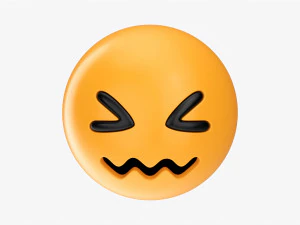
Soru 1: 3D emoji modelleri içerik oluşturmada genellikle ne için kullanılır?
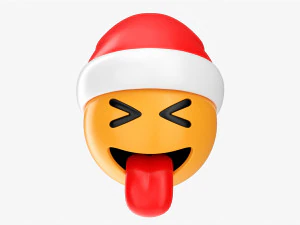
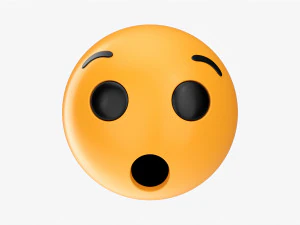
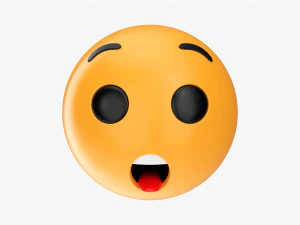
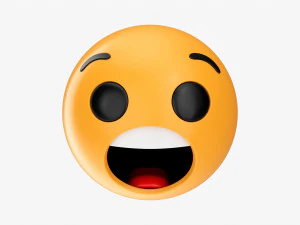
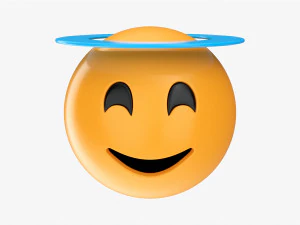
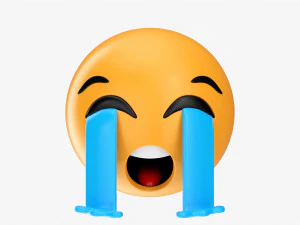
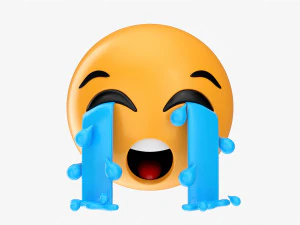
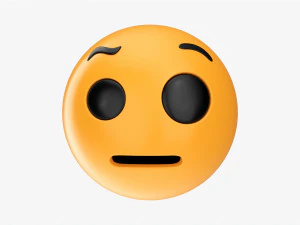
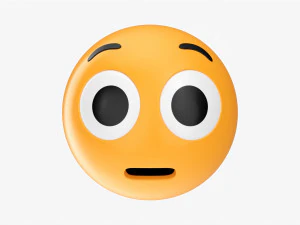
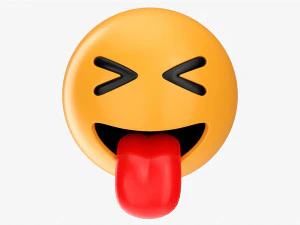
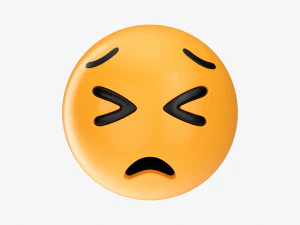
Sosyal medya animasyonları başlıca kullanım alanıdır — TikTok, Instagram Reels ve YouTube Shorts gibi platformlar için kısa döngülü videolar, çıkartma paketleri ve tepki içerikleri. Dönen, zıplayan veya tepki veren 3 boyutlu bir emoji, her telefonun doğal olarak görüntüleyebileceği düz 2 boyutlu emojilere göre üretim değerini artırır. Oyun geliştiricileri için 3 boyutlu emojiler, tepki sistemleri, sohbet katmanları, skor açılır pencereleri gibi kullanıcı arayüzü öğelerinde görünür. VTuber'lar ve yayıncılar için, ekran katmanları veya uyarı animasyonları olarak animasyonlu 3 boyutlu emojiler standart bir üretim öğesi haline gelmiştir. İçerik üretimi hızlıdır: modeli içe aktarın, basit bir keyframe animasyonu ekleyin, şeffaf arka planla 1080p'de render alın, WebM veya APNG olarak dışa aktarın.
Soru 2: Klasik internet meme ifadeleri gibi 3 boyutlu meme yüz modelleri mevcut mu?
Evet — Trollface, Wojak, çeşitli "giga chad" ve "NPC" yüz varyantları ve diğer meme tabanlı karakterler platformda 3D formda mevcut. Kalite, 2D meme görüntülerinin temel düz ekstrüzyonlarından, uygun hacim ve aydınlatmaya sahip tamamen şekillendirilmiş 3D yorumlamalara kadar değişiyor. Bunların düz kaplamalar yerine animasyonlu karakterler olarak göründüğü video içeriklerinde, uygun topoloji ve normal haritalara sahip şekillendirilmiş sürümler, dinamik aydınlatma altında önemli ölçüde daha iyi renderlar üretir. Meme modelleri özellikle internet "güncelliği" sorunuyla karşı karşıyadır — bugün viral olan şey altı ay sonra eskimiş gibi gelebilir. Trollface gibi zamansız klasiklerin, güncel meme 3D modellerinden daha kalıcı bir faydası vardır.
Soru 3: 3 boyutlu emoji modelleri mobil oyun geliştirmede kullanılabilir mi?
Evet, emojiler gündelik ve sosyal mobil oyunlara kullanıcı arayüzü öğeleri olarak doğal bir şekilde uyum sağlıyor. Mobil cihazlar için doku atlaslarını en fazla 512×512 veya 1024×1024 boyutlarında tutun; emojiler ekranda küçük görünür ve büyük dokuları haklı çıkarmaz. Emoji başına 2.000 üçgenin altında poligon sayısı standarttır. Oyunlardaki animasyonlu emojiler (zıplama, dönme, dönüşüm) için Spine 2D, 2D oyun animasyonu için sektör standardı araçtır; ancak sprite sayfalarına işlenmiş veya Unity/Unreal'de gerçek zamanlı 3D nesneler olarak kullanılan gerçek 3D emojiler, düz simge sistemlerinden farklılaşan üstün bir his sunar. Uygulama karmaşıklığı minimum düzeydedir; görsel getirisi orantısız derecede yüksektir.
Soru 4: Sosyal medya kullanımı için şeffaf arka plana sahip 3 boyutlu bir emoji nasıl oluşturabilirim?
Blender'da: render motorunu EEVEE veya Cycles olarak ayarlayın, Film ayarlarını değiştirerek Şeffaf arka planı etkinleştirin ve RGBA kanallarıyla PNG olarak render alın. Ortaya çıkan PNG, beyaz bir arka plan yerine gerçek bir şeffaflığa sahip olacaktır. Video içeriği için, EXR görüntü dizileri olarak render alın ve DaVinci Resolve veya After Effects'te alfa kanalıyla birleştirin - bu, son görünüm üzerinde daha fazla kontrol sağlar. Yaygın bir hata: düz renkli bir "kromatik anahtar" arka planıyla (örneğin yeşil) render almak ve bunu sonradan kaldırmak. Bu, yarı saydam kenarlarda renk saçılmasına neden olur - kenar yumuşatmalı geometri, kromatik anahtar aracılığıyla özellikle kötü bir şekilde render alır. Baştan itibaren gerçek alfa şeffaflığıyla render alın.



 English
 Español
 Deutsch
 日本語
日本語 Polska
 Français
 한국의
한국의 Українська
 Italiano
 Nederlands
 Português
 Bahasa Indonesia
 Русский
 中國
中國 हिंदी
हिंदी