


 English
 Español
 Deutsch
 日本語
日本語 Polska
 Français
 한국의
한국의 Italiano
 Nederlands
 Türkçe
 Português
 Bahasa Indonesia
 Русский
 中國
中國 हिंदी
हिंदी
















MAX людина 3D Моделі
У нас вже 755 товар(и) Без роялті person MAX 3D Моделі. Відкрийте для себе величезну кількість преміальних і безкоштовних 3DS MAX моделей, доступних для завантаження та використання розробниками ігор на Unreal Engine 5, VFX студіями, графічними дизайнерами та у VR/AR проектах яких можна тiльки уявити
 deckoratorSculpture
 deckoratorSculpture
- -20%
 Valerii.KaliuzhnyiWoman
 - -20%
 Valerii.KaliuzhnyiWoman
 - -20%
 Valerii.KaliuzhnyiWoman
 - -20%
 Valerii.KaliuzhnyiWoman
 - -20%
 Valerii.KaliuzhnyiWoman
 - -20%
 Valerii.KaliuzhnyiWoman
 - -20%
 Valerii.KaliuzhnyiWoman
 - -20%
 Valerii.KaliuzhnyiWoman
 - -20%
 Valerii.KaliuzhnyiWoman









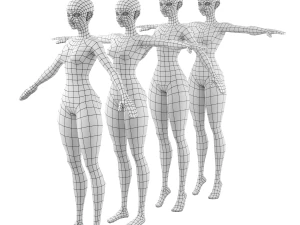
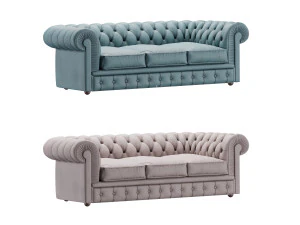

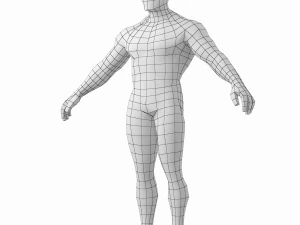

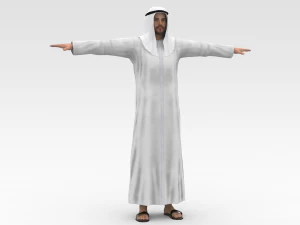







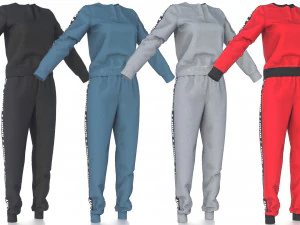
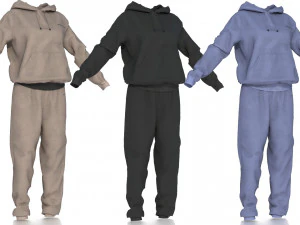


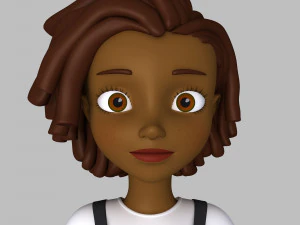


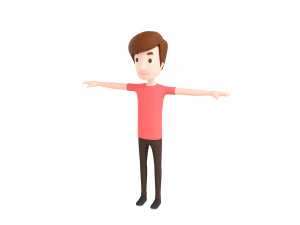















Популярні запити 3D Моделі:
Скульптури 3D Моделі Персонажі 3D Моделі Кухня 3D Моделі Кінь 3D Моделі Архітектурні Екстер'єри 3D Моделі Телефони 3D Моделі Овочі 3D Моделі Ювелірні вироби 3D Моделі Іграшки 3D Моделі Медицина 3D Моделі Вертольот 3D Моделі Важка зброя 3D Моделі Вантажівка 3D Моделі Анатомія 3D МоделіQ1: What's the best 3D person model for architectural visualization crowd scenes?
For crowd scenes, individual polygon count matters less than instance efficiency. You want models at 3,000–8,000 tris with a single texture atlas per gender/clothing variant — this keeps the per-instance GPU cost low enough to populate scenes with 50–200 visible figures. In Blender, use geometry nodes to scatter instanced crowd figures on walkways and plazas, with random rotation and scale variation to avoid the cloned-army look. Subtle pose variation matters more than detail at crowd distances — 5–6 distinct idle and walking poses distributed randomly reads as genuine crowd behavior. For archviz, clothing and demographic diversity in the crowd signals an inclusive design; having all figures share identical silhouettes reads as lazy.
Q2: How does UE5's MetaHuman compare to purchasing a 3D person model from 3DExport?
MetaHuman Creator generates photorealistic digital humans free for Unreal Engine projects — facial topology, LODs, rigging, and materials all included, optimized for UE5's rendering pipeline. For photorealistic human characters in Unreal specifically, MetaHuman is hard to beat on the quality-to-effort ratio. Where purchased models make more sense: stylized characters outside MetaHuman's photorealistic range, non-human or semi-human characters, characters for non-Unreal pipelines (Blender, Unity, Cinema 4D), and bulk crowd assets where MetaHuman's per-character setup time is impractical. MetaHuman is a tool for hero characters; purchased catalog models are practical for everything else.
Q3: What's the typical polygon count range for a 3D person model?
Background pedestrian in archviz: 2,000–5,000 tris. Mobile game character: 5,000–15,000 tris. PC/console NPC: 20,000–50,000 tris. Hero playable character: 50,000–100,000 tris, plus hair cards adding 10,000–20,000. Film digital double: 1–5 million polygons base mesh with subdivision and displacement at render time. These ranges have remained relatively stable since 2020 despite hardware improvements — the polygon budget saved by efficiency goes toward more characters on screen or higher-quality environment detail, not just denser hero characters. The jump that actually changed quality perception was PBR texturing and real-time global illumination, not polygon count increases.
Q4: Are diverse 3D person models available representing different ethnicities and body types?
The catalog has improved significantly in diversity over 2022–2025, though gaps remain. Scan-based realistic human models now include a broader range of skin tones, facial features, and body proportions than the catalogue showed five years ago. For body type diversity — representing a realistic range of BMI, muscle mass, and proportions — the selection is still skewed toward standard game-character body types. For projects where demographic representation matters — architectural presentations, educational content, inclusive game design — checking catalog availability before committing to a pipeline is worth doing early. If catalog options are insufficient, custom commission or photogrammetry scan services are the alternative.