
 English
 Español
 Deutsch
 日本語
日本語 Polska
 Français
 Українська
 Italiano
 Nederlands
 Türkçe
 Português
 Bahasa Indonesia
 Русский
 中國
中國 हिंदी
हिंदी
















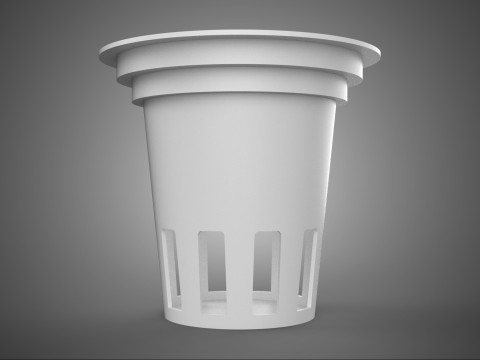
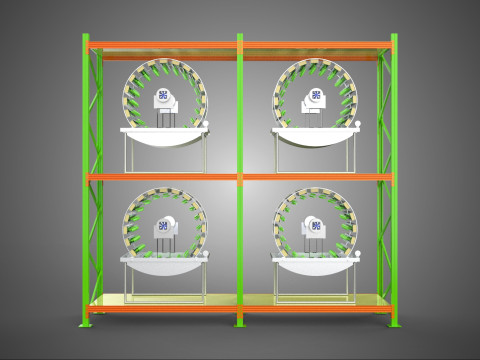
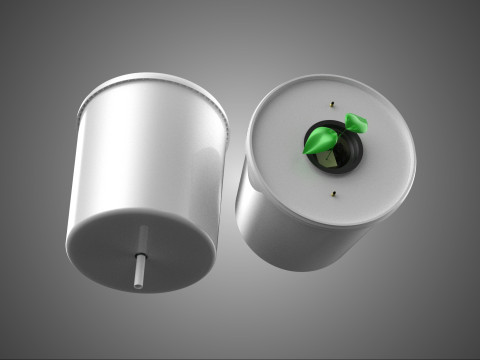
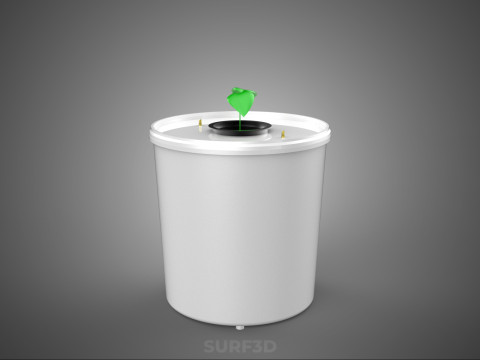
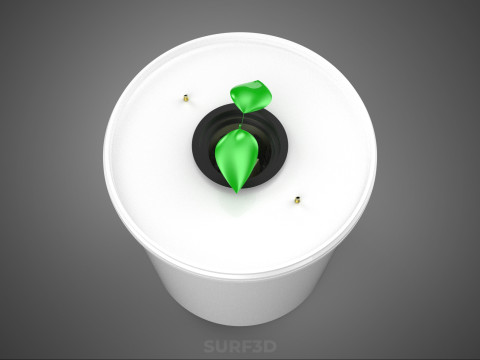
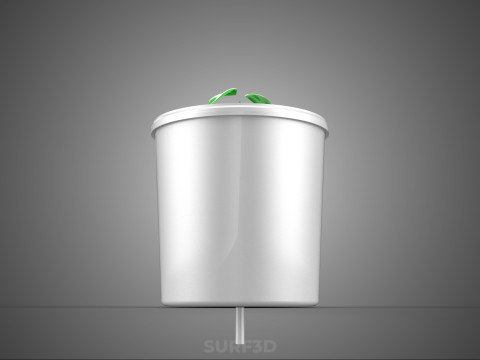
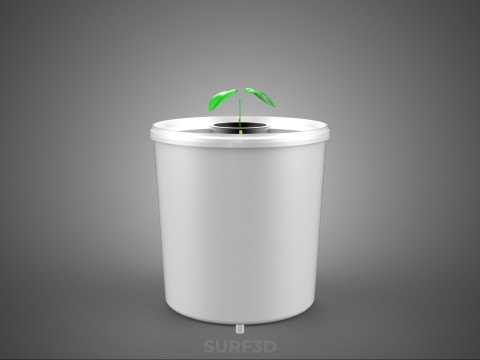
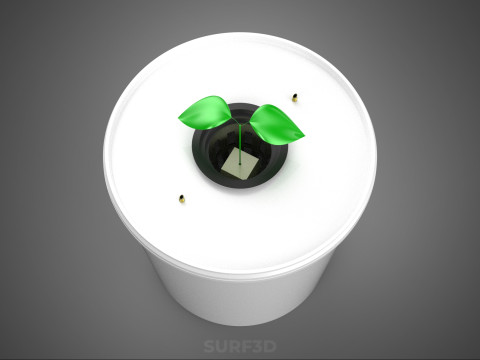
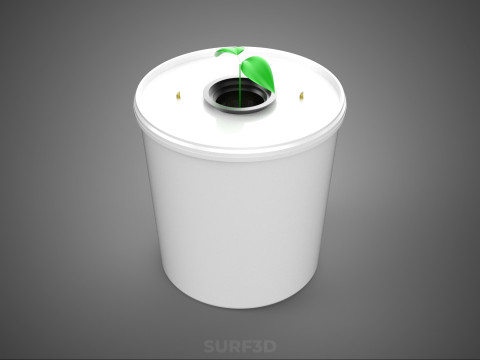
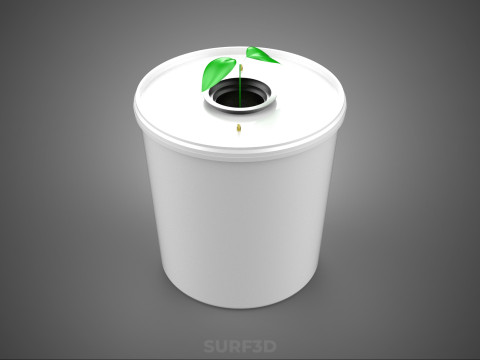
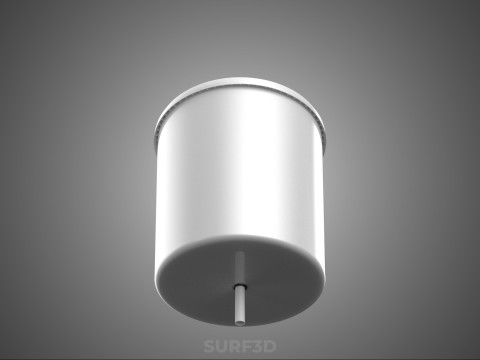
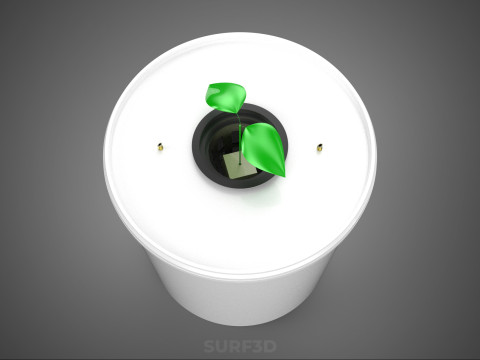
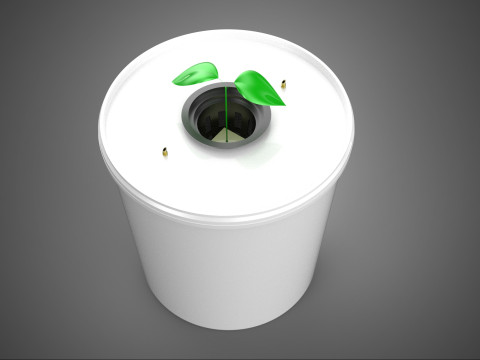
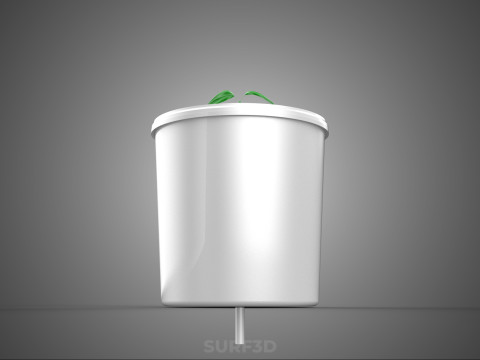
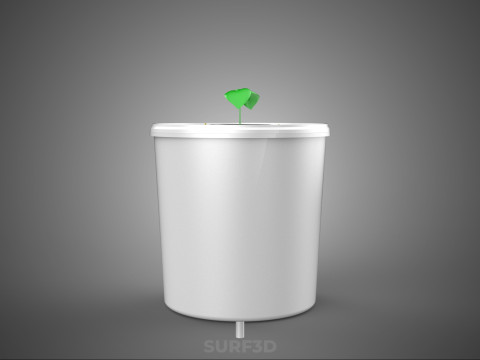
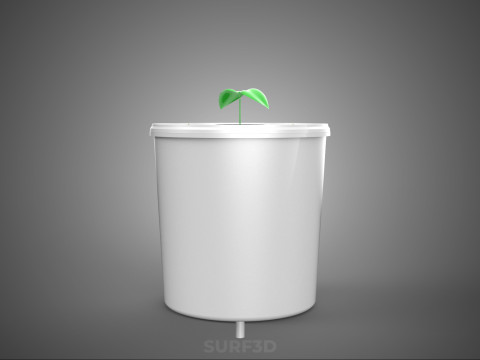
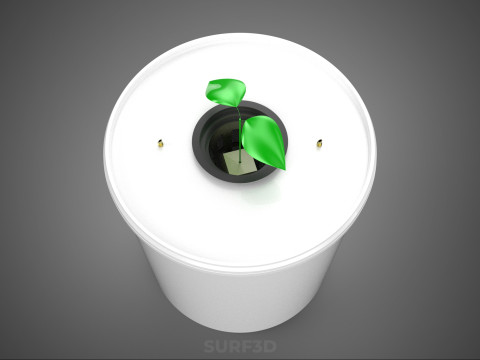
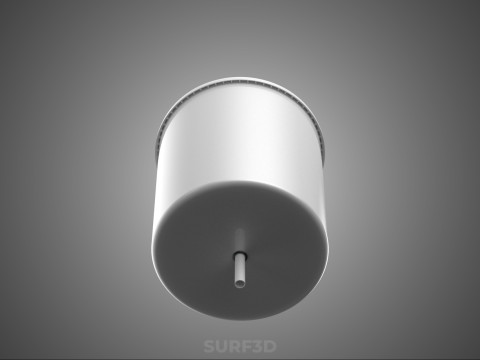
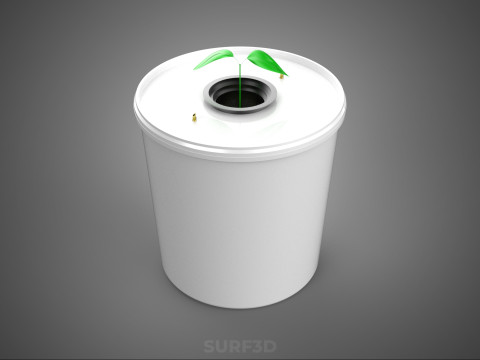
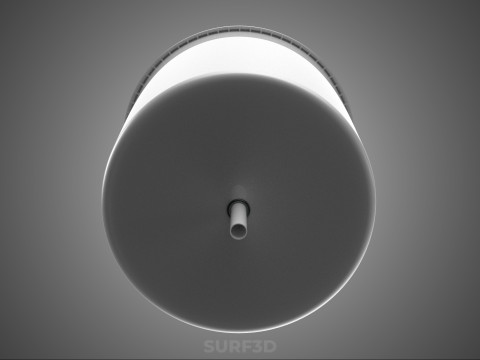
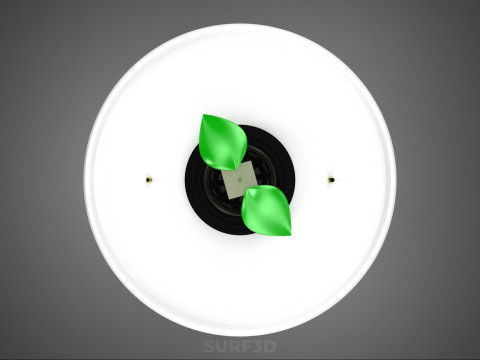
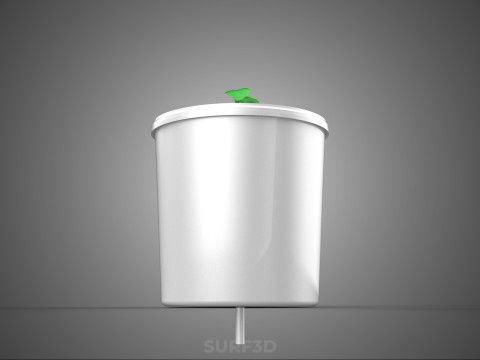
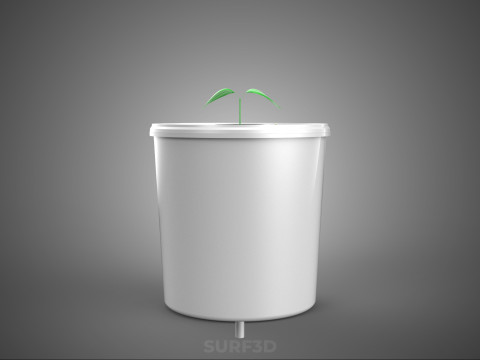
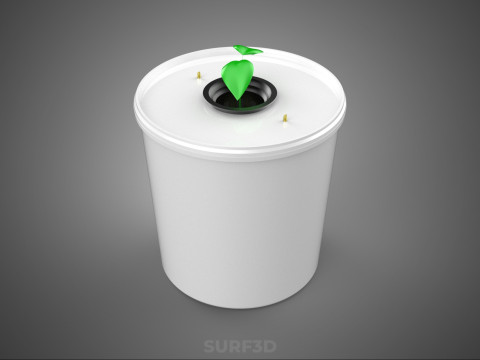
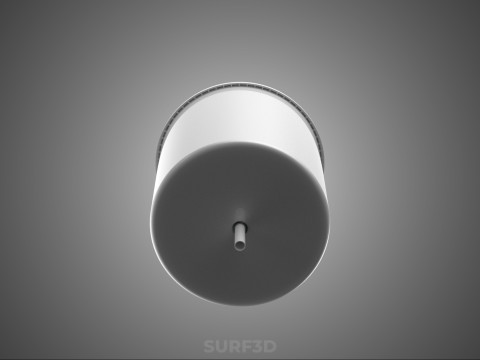
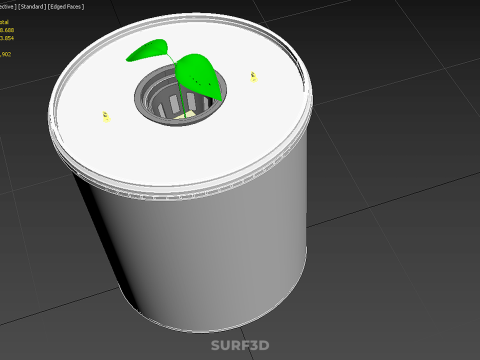
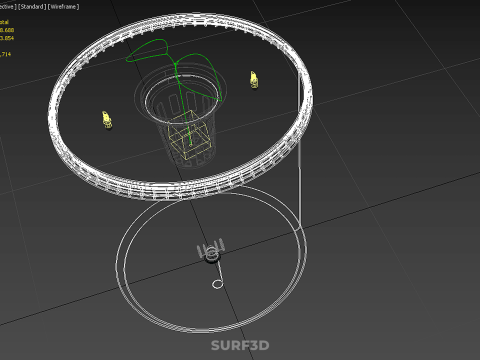
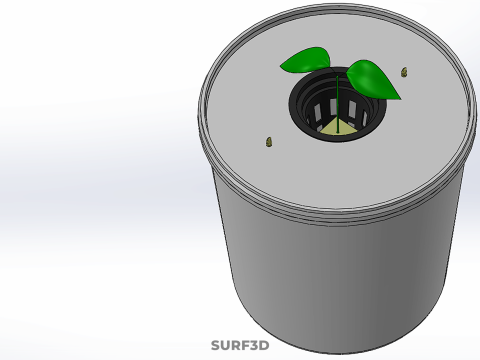
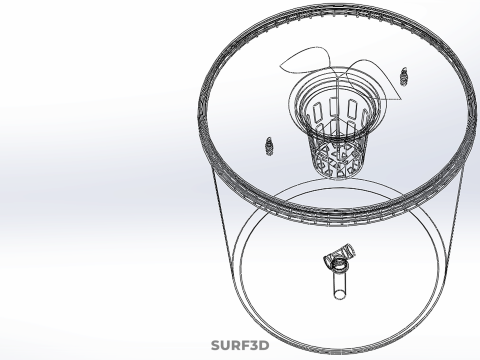
더치 버킷 네트 포트 시스템 플랜트 수경재배 무토양 3D 모델

- 작성자에게 제품 지원 요청


- 이용 가능한 포맷:
- 아이템 ID:616868
- 날짜: 2025-12-09
- 폴리곤:38688
- 버텍스:33854
- 애니메이티드:No
- 텍스쳐드:No
- 리그드:No
- 재료:
- 로우 폴리곤:No
- 컬렉션:No
- UVW 매핑:No
- 플러그인 사용 됨:No
- 프린트 준비:No
- 3D 스캔:No
- 성인용 콘텐츠:No
- PBR:No
- AI 훈련:No
- 지오메트리:Poly NURBS
- 언래핑 된 UVs:Unknown
- 조회:251
설명
High-quality 3D assets at affordable prices — trusted by designers, engineers, and creators worldwide. Made with care to be versatile, accessible, and ready for your pipeline.
Included File Formats
This model is provided in 14 widely supported formats, ensuring maximum compatibility:
• - FBX (.fbx) – Standard format for most 3D software and pipelines
• - OBJ + MTL (.obj, .mtl) – Wavefront format, widely used and compatible
• - STL (.stl) – Exported mesh geometry; may be suitable for 3D printing with adjustments
• - STEP (.step, .stp) – CAD format using NURBS surfaces
• - IGES (.iges, .igs) – Common format for CAD/CAM and engineering workflows (NURBS)
• - SAT (.sat) – ACIS solid model format (NURBS)
• - DAE (.dae) – Collada format for 3D applications and animations
• - glTF (.glb) – Modern, lightweight format for web, AR, and real-time engines
• - 3DS (.3ds) – Legacy format with broad software support
• - 3ds Max (.max) – Provided for 3ds Max users
• - Blender (.blend) – Provided for Blender users
• - SketchUp (.skp) – Compatible with all SketchUp versions
• - AutoCAD (.dwg) – Suitable for technical and architectural workflows
• - Rhino (.3dm) – Provided for Rhino users
Model Info
• - All files are checked and tested for integrity and correct content
• - Geometry uses real-world scale; model resolution varies depending on the product (high or low poly)
• • - Scene setup and mesh structure may vary depending on model complexity
• - Rendered using Luxion KeyShot
• - Affordable price with professional detailing
Buy with confidence. Quality and compatibility guaranteed.
If you have any questions about the file formats, feel free to send us a message — we're happy to assist you!
Sincerely,
SURF3D
Trusted source for professional and affordable 3D models.
More Information About 3D Model :
The Dutch Bucket Net Pot System, formally known as the Bato Bucket System, is an advanced, modular form of hydroponic cultivation employed primarily in commercial greenhouse settings for the production of medium-to-large perennial or fruiting crops. Characterized by individual containers utilizing net pots and inert media, this system facilitates efficient nutrient management and high-density planting while ensuring robust root zone aeration.
### Nomenclature and Methodology
The system derives its common name, "Dutch Bucket," from its development and widespread adoption in the Netherlands, a pioneer in controlled environment agriculture (CEA). It is fundamentally a recirculating hydroponic setup, meaning the nutrient solution is periodically delivered to the plants and subsequently collected and returned to a centralized reservoir for replenishment and reuse. This operational characteristic classifies it under the broader category of soilless cultivation.
While the Dutch Bucket System is overwhelmingly hydroponic, the inclusion of "aeroponic" in related descriptions often refers not to high-pressure nutrient misting (true aeroponics), but rather to the excellent root aeration achieved through the specific drip-and-drain mechanism, which prevents prolonged saturation and root asphyxiation. The system relies on gravity drainage, ensuring that after irrigation, the vast majority of the nutrient solution drains from the container, allowing the roots to access atmospheric oxygen within the bucket volume.
### System Architecture and Components
The architecture is built upon discrete, interconnected units, allowing for easy scalability, maintenance, and isolation of plant diseases.
**1. The Bato Bucket (Dutch Bucket):**
The primary component is a specialized rectangular or cylindrical container, typically holding 10 to 12 liters of inert substrate. A defining feature is the integrated drain elbow fitting, positioned several centimeters above the base of the bucket floor. This elevated drain mechanism creates a shallow pool of nutrient solution at the bottom, maintaining a minimal saturation zone (or buffer reservoir) for the roots, while allowing excess solution to flow into the common return manifold.
**2. The Net Pot:**
The net pot is a rigid, mesh-sided container used to house the young plant and provide immediate structural support. It is typically positioned within an aperture on the bucket lid. The function of the net pot is to retain the chosen inert substrate (such as perlite, coco coir, rockwool, or clay pebbles) while allowing the developing root mass to penetrate through the netting and extend into the buffered nutrient solution reservoir below. The inert nature of the substrate prevents nutrient tie-up and ensures roots are primarily fed by the delivered solution.
**3. Irrigation and Recirculation Manifolds:**
A central reservoir stores the nutrient solution (water, macronutrients, and micronutrients) adjusted to precise pH and electrical conductivity (EC) levels. A submersible pump feeds the solution into a pressurized header line (irrigation manifold), which then utilizes small feeder lines and drip emitters to deliver measured doses of solution directly into the top of each bucket, usually near the base of the net pot.
The return system consists of a large main drain line (return manifold) positioned horizontally below the buckets. The elbow drains of the individual buckets connect directly into this manifold, facilitating gravity flow back to the central reservoir for conditioning and reuse. This high degree of recirculation necessitates vigilant monitoring of EC and pH levels.
### Operational Principles
The operation of the Dutch Bucket System relies on scheduled, high-frequency irrigation cycles. Because the bucket utilizes highly porous, inert substrates (like perlite), the media holds very little water, requiring multiple feedings per day (often 8 to 12 cycles) depending on the crop stage, plant size, and environmental conditions (light intensity and ambient temperature).
This periodic saturation and rapid drainage mechanism offers several critical advantages:
1. **High Oxygen Availability:** The rapid drainage ensures the root zone is replenished with fresh atmospheric oxygen between irrigation cycles, minimizing the risk of root rot (Pythium).
2. **Nutrient Uniformity:** Recirculation ensures that all plants receive solution of the exact same composition.
3. **Water Efficiency:** Water and nutrient waste are minimized compared to non-recirculating systems (drain-to-waste).
The Dutch Bucket Net Pot System is highly optimized for large, productive crops that require extensive root support and high nutrient demands, such as tomatoes, cucumbers, peppers, eggplant, and various vine crops.
KEYWORDS: Bato Bucket, Hydroponics, Recirculating System, Soilless Cultivation, Net Pot, Greenhouse Technology, Drip Irrigation, Perlite, Coco Coir, Nutrient Film Technique (NFT), Deep Water Culture (DWC), Aeration, Root Zone, High-Density Planting, Modular System, Controlled Environment Agriculture (CEA), Tomatoes, Cucumbers, Peppers, Substrate, Inert Media, Reservoir, EC Monitoring, pH Control, Manifold, Gravity Drain, Drainage Elbow, Commercial Hydroponics, Plant Support, Root Health, Vine Crops.
다른 포맷이 필요하세요?
다른 포맷이 필요하시면, 새로운 지원 티켓을 열어 요청하세요. 저희는 3D 모델을 다음으로 변환할 수 있습니다: .stl, .c4d, .obj, .fbx, .ma/.mb, .3ds, .3dm, .dxf/.dwg, .max. .blend, .skp, .glb. 자유 형식 변환우리는 3D 장면을 변환하지 않습니다 .step, .iges, .stp, .sldprt와 같은 형식도 포함됩니다.!
사용 정보
더치 버킷 네트 포트 시스템 플랜트 수경재배 무토양 - 기본 또는 확장 라이선스에 따라 이 로열티 프리 3D 모델을 개인적 및 상업적 목적으로 사용할 수 있습니다.기본 라이선스는 디지털 광고, 디자인 및 시각화 프로젝트, 비즈니스 소셜 미디어 계정, 네이티브 앱, 웹 앱, 비디오 게임, 그리고 물리적 또는 디지털 최종 제품(무료 및 유료 모두)을 포함한 대부분의 표준 사용 사례를 포괄합니다.
확장 라이선스는 기본 라이선스에 따라 부여된 모든 권리를 포함하며 사용 제한이 없으며, 로열티 프리 조건 하에 3D 모델을 상업적 프로젝트에 무제한으로 사용할 수 있습니다.
더 보기