


 English
 Español
 Deutsch
 日本語
日本語 Polska
 Français
 한국의
한국의 Italiano
 Nederlands
 Türkçe
 Português
 Bahasa Indonesia
 Русский
 中國
中國 हिंदी
हिंदी
















аллозавр 3D Моделі
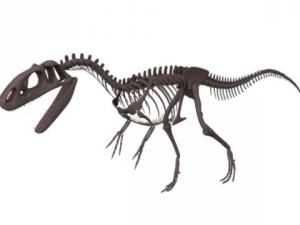
У нас вже 25 товар(и) Без роялті allosaurus 3D Моделі. Купуйте або завантажуйте безкоштовні 3D моделі для своїх CG проектів, виробництва фільмів і відео, анімації, візуалізацій, ігор, VR/AR тощо. Ви можете завантажити будь-яку 3d модель у всіх популярних 3d форматах, включаючи MAX, OBJ, FBX, 3DS, STL, C4D, BLEND, MAYA
 unbreakableAnimals
 unbreakableAnimals










Популярні запити 3D Моделі:
Скульптури 3D Моделі Персонажі 3D Моделі Кухня 3D Моделі Кінь 3D Моделі Архітектурні Екстер'єри 3D Моделі Телефони 3D Моделі Овочі 3D Моделі Ювелірні вироби 3D Моделі Іграшки 3D Моделі Медицина 3D Моделі Вертольот 3D Моделі Важка зброя 3D Моделі Вантажівка 3D Моделі Анатомія 3D МоделіQ1: Чим відрізняється алозавр від тиранозавра як 3D-модель?
Важливо те, що вони походять з різних періодів і мають різні анатомічні профілі. Алозавр — хижак пізньої юри (155–150 мільйонів років тому), приблизно 8–12 метрів завдовжки, тоді як тиранозавр-рекс — пізньокрейдяний (68–66 мільйонів років тому) і довший, сягаючи 12–13 метрів. Основні візуальні відмінності: Алозавр має трипалі передні кінцівки з великими функціональними кігтями (у тиранозавра було дві крихітні рудиментарні руки), трохи менший і видовжений череп з помітними надбрівними дугами над кожним оком і пропорційно довшу шию відносно маси тіла. Моделі, які просто змінюють масштаб тиранозавра з іншою геометрією голови, не враховують фундаментальні відмінності в пропорціях тіла. Для науково точних освітніх моделей ці відмінності мають значення; для загального використання в іграх про «страшних динозаврів» — менше.
Q2: Який поточний науковий консенсус щодо зовнішнього вигляду алозавра для моделей 2026 року?
Наукові дослідження змістилися в бік більш опереної, пташиної інтерпретації багатьох тероподних динозаврів, але більшість палеонтологів зазвичай зображують алозавра з лускою, а не з виступаючим пір'ям — це великий теропод, і є дані, що свідчать про лускоподібну шкіру на тілі, хоча деякі пір'яні структури на певних ділянках тіла не виключаються. Більш важливою є дискусія щодо губ: як і у тиранозавра, алозавр, ймовірно, мав губи, що закривали зуби, а не вигляд крокодила з оголеними зубами, як у старіших реконструкцій. Розташування очей і геометрія надбрівних дуг надають алозавру характерний профіль обличчя, якому не потрібна оголена форма зубів, щоб виглядати загрозливо — самі надбрівні дуги надають йому агресивного, густого виразу брів.
Q3: Які цикли анімації найкорисніші для готового до гри алозавра?
Вісім охоплюють основні сценарії. Стояння в режимі очікування: ледь помітні дихальні рухи, періодичне сканування голови. Хода: повільна хода теропода на чотирилапому стегні з хвостом, що врівноважує рух голови. Біг: швидший варіант з більш вираженим нахилом і довшим кроком. Настороженість: тіло підняте, голова вгору, реакція на подразник. Атакуючий укус: швидкий випад головою з відкритою щелепою та клацанням. Удар кігтем: атака передніми кінцівками з використанням цих великих трипалих кігтів. Рев: голова назад, відкрита щелепа, розкриті груди — характерний драматичний момент. Смерть: падіння, сумісне з ганчір'яною лялькою. Удар кігтем є специфічним для алозавра та відрізняє його від тиранозавра в ігровому процесі — алозавр повинен відчуватися як істота, яка використовує свої руки як зброю, а не як хижак, зосереджений на голові.
Q4: Чи можна використовувати 3D-моделі алозавра в інтерактивних інсталяціях музеїв?
Абсолютно — музеї природознавства все частіше використовують 3D-моделі динозаврів у контексті доповненої реальності (AR) та інтерактивних дисплеїв. Музей Філда, Музей природознавства Лондона та Смітсонівський інститут останніми роками використовували цифрові візуалізації динозаврів. Для музейного використання важлива наукова точність: проконсультуйтеся з палеонтологом щодо пропорцій, якщо інсталяція є освітньою, а не розважальною. Модель повинна працювати на цільовому обладнанні — часто це дисплей, встановлений на кіоску, або планшет з доповненою реальністю — що обмежує бюджет полігонів до 30 000–80 000 тригонометрів для інтерактивного використання в реальному часі. Рендери музейної якості можуть використовувати повну версію з високим вмістом полігонів. Інтерактивні доповнені можливості для відвідувачів музеїв потребують оптимізованої версії, яка працює зі швидкістю 60 кадрів/с на цьому обладнанні.