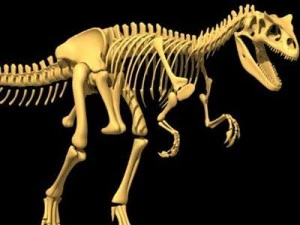
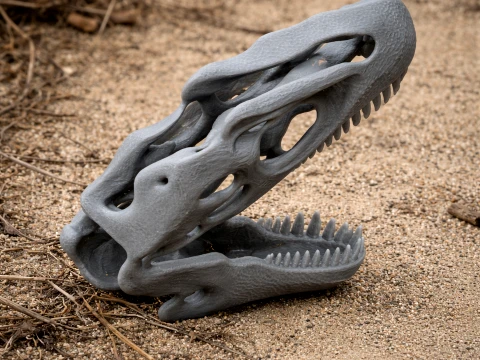
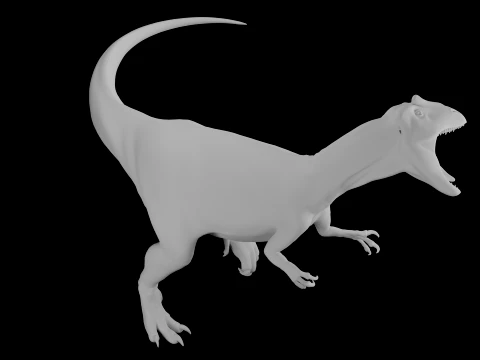
F1: Inwiefern unterscheidet sich Allosaurus von T-Rex als 3D-Modellobjekt?
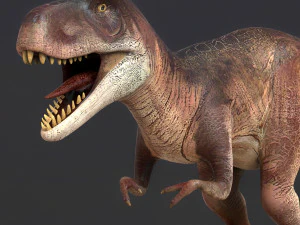
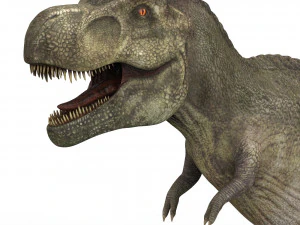
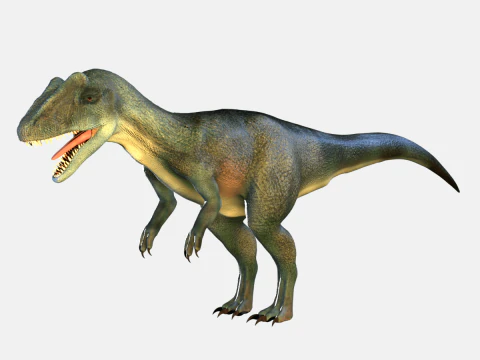
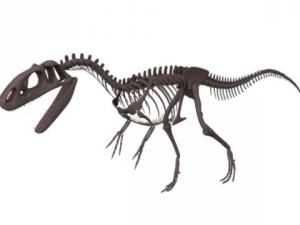
Bemerkenswert ist, dass sie aus verschiedenen Zeitaltern stammen und unterschiedliche anatomische Merkmale aufweisen. Der Allosaurus war ein Raubsaurier des späten Jura (vor 155–150 Millionen Jahren) und etwa 8–12 Meter lang, während der Tyrannosaurus Rex aus der späten Kreidezeit (vor 68–66 Millionen Jahren) stammt und mit 12–13 Metern deutlich länger war. Wesentliche optische Unterschiede: Der Allosaurus hatte dreifingrige Vorderbeine mit großen, funktionsfähigen Krallen (der Tyrannosaurus Rex hatte zwei winzige, rudimentäre Arme), einen etwas kleineren und länglicheren Schädel mit markanten Überaugenwülsten und einen im Verhältnis zur Körpermasse längeren Hals. Modelle, die einen Tyrannosaurus Rex einfach mit veränderter Kopfform skalieren, verkennen die grundlegenden Unterschiede in den Körperproportionen. Für wissenschaftlich korrekte Lehrmodelle sind diese Unterschiede wichtig; für allgemeine „Grusel-Dinosaurier“-Spiele hingegen weniger.
F2: Was ist der aktuelle wissenschaftliche Konsens über das Aussehen des Allosaurus für die Modelle von 2026?
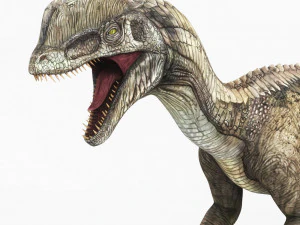
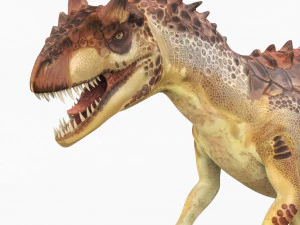
Die Paläontologie hat sich bei vielen Theropoden-Dinosauriern hin zu einer gefiederten, vogelähnlichen Interpretation entwickelt. Allosaurus wird jedoch von den meisten Paläontologen eher mit Schuppen als mit ausgeprägten Federn dargestellt – er ist ein großer Theropode, und es gibt Hinweise auf eine schuppenbedeckte Haut am Körper, obwohl federartige Strukturen an bestimmten Körperregionen nicht ausgeschlossen werden können. Bedeutsamer ist die Debatte um die Lippen: Wie der Tyrannosaurus Rex hatte Allosaurus wahrscheinlich Lippen, die seine Zähne bedeckten, und nicht die freiliegenden Zähne, die ältere Rekonstruktionen bei Krokodilen zeigen. Die Augenstellung und die Form der Überaugenwülste verleihen Allosaurus ein unverwechselbares Gesichtsprofil, das auch ohne freiliegende Zähne bedrohlich wirkt – allein die Überaugenwülste verleihen ihm einen aggressiven, finsteren Ausdruck.
Frage 3: Welche Animationszyklen sind für einen spielfertigen Allosaurus am nützlichsten?
Acht Bewegungsabläufe decken die wichtigsten Szenarien ab. Stehen: Unauffällige Atembewegungen, gelegentliche Kopfbewegungen. Gehen: Langsamer, vierbeiniger Gang mit dem Schwanz als Gegengewicht zum Kopf. Laufen: Schnellere Variante mit stärkerer Vorwärtsneigung und längeren Schritten. Alarmbereitschaft: Aufgerichteter Körper, erhobener Kopf, Reaktion auf Reize. Angriffsbiss: Blitzschneller Kopfstoß mit geöffnetem Maul und Schnappen. Klauenhieb: Angriff mit den Vorderbeinen und den großen, dreifingrigen Klauen. Brüllen: Kopf zurückgeworfen, Maul geöffnet, Brustkorb geweitet – der charakteristische dramatische Moment. Tod: Zusammenbrechen wie bei einer Ragdoll. Der Klauenhieb ist Allosaurus-spezifisch und unterscheidet ihn im Spiel vom T-Rex – der Allosaurus soll sich wie ein Wesen anfühlen, das seine Arme als Waffen einsetzt, nicht wie ein kopflastiger Jäger.
F4: Können 3D-Modelle von Allosaurus in interaktiven Museumsausstellungen verwendet werden?
Absolut – Naturkundemuseen nutzen zunehmend 3D-Dinosauriermodelle in AR- und interaktiven Ausstellungskontexten. Das Field Museum, das Natural History Museum London und das Smithsonian haben in den letzten Jahren digitale Dinosaurier-Visualisierungen eingesetzt. Für den Einsatz in Museen ist wissenschaftliche Genauigkeit wichtig: Bei Ausstellungen mit Bildungscharakter sollte man sich bezüglich der Proportionen an einen Paläontologen wenden. Das Modell muss auf der Zielhardware – häufig einem Kiosk-Display oder einem AR-Tablet – laufen, was die Polygonanzahl für die Echtzeit-Nutzung auf 30.000 bis 80.000 Dreiecke beschränkt. Für Museumspräsentationen kann die hochauflösende Version verwendet werden. Interaktive AR-Erlebnisse für Museumsbesucher benötigen die optimierte Version, die mit 60 Bildern pro Sekunde auf der Hardware läuft.



 English
 Español
 日本語
日本語 Polska
 Français
 한국의
한국의 Українська
 Italiano
 Nederlands
 Türkçe
 Português
 Bahasa Indonesia
 Русский
 中國
中國 हिंदी
हिंदी
















 unbreakableAnimals
 unbreakableAnimals