
 English
 Deutsch
 日本語
日本語 Français
 한국의
한국의 Italiano
 Nederlands
 Türkçe
 Português
















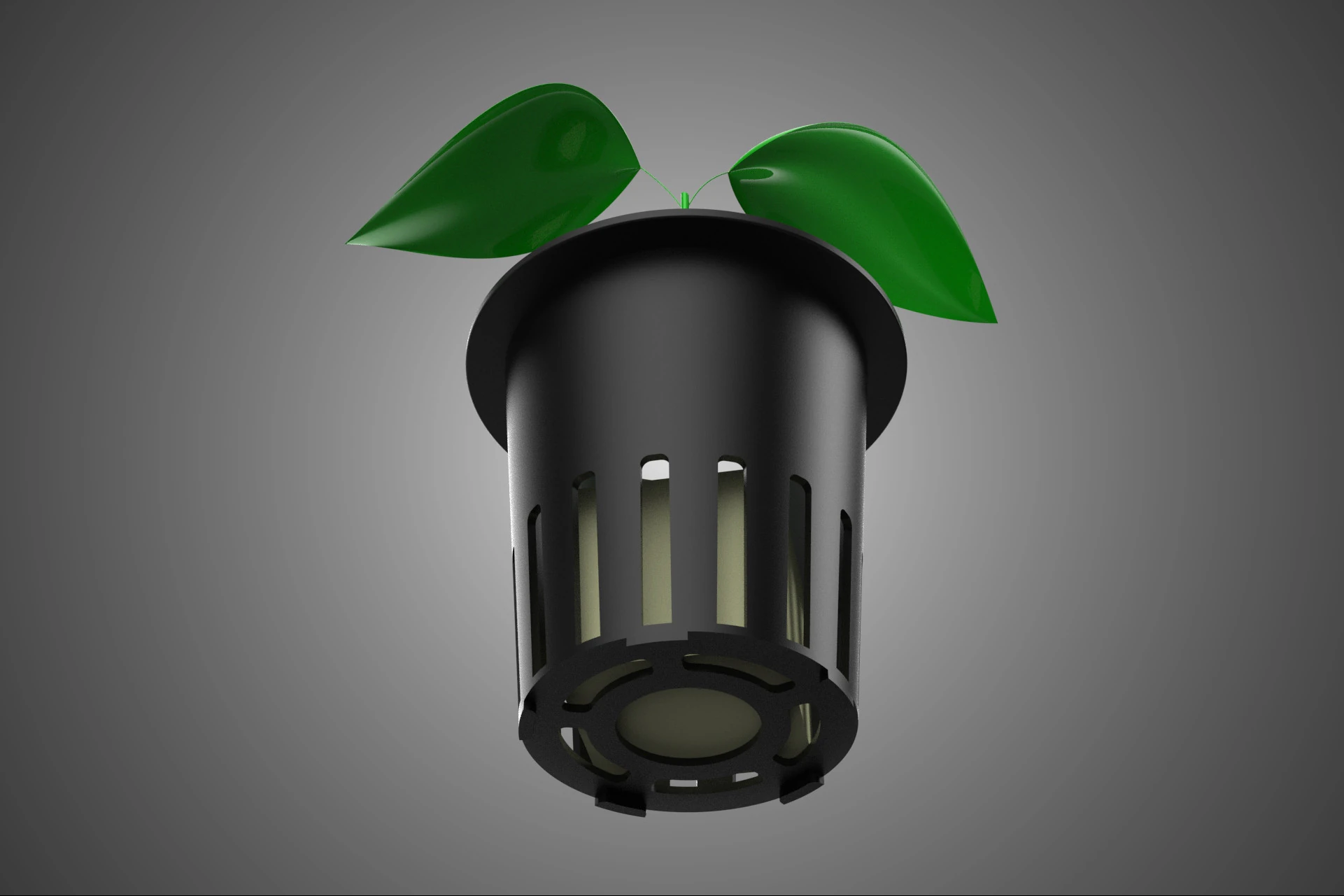
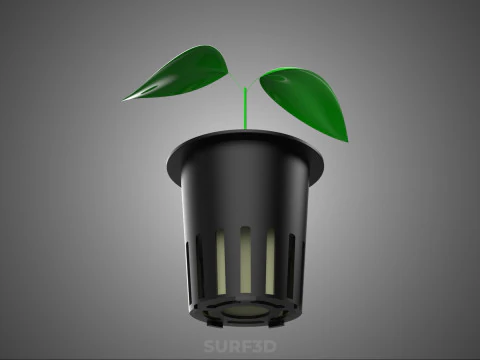
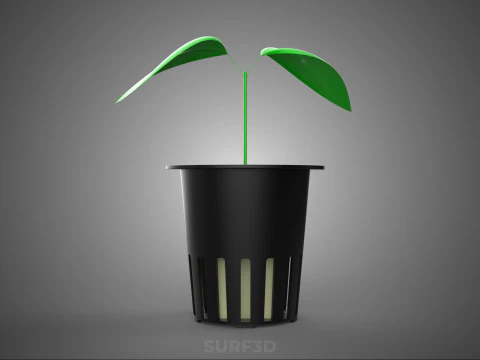
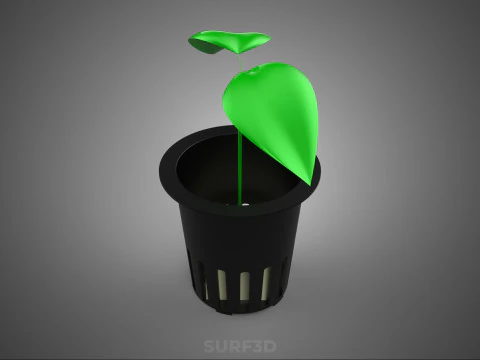
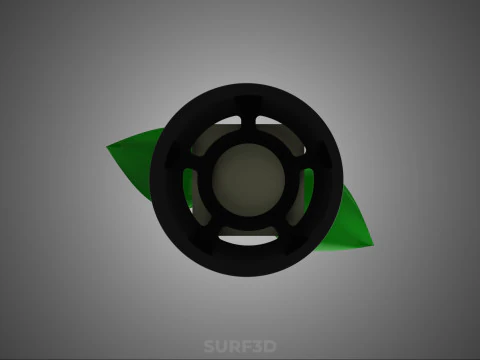
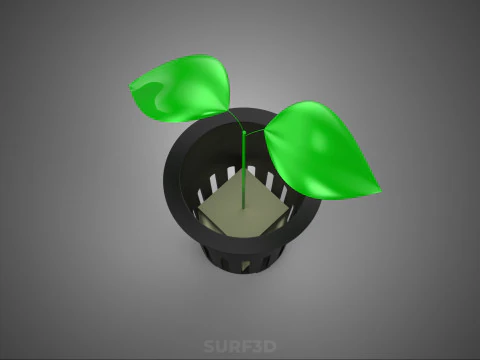
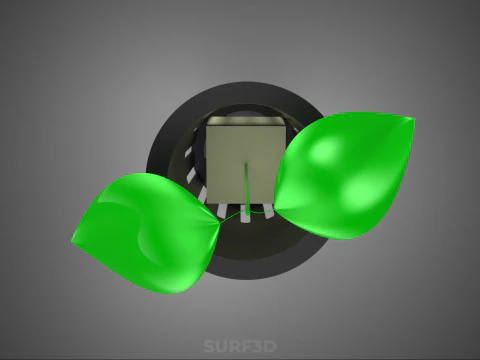
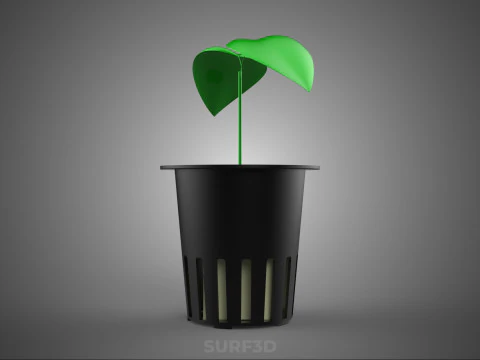
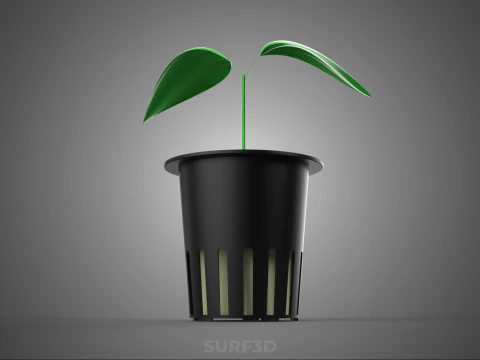
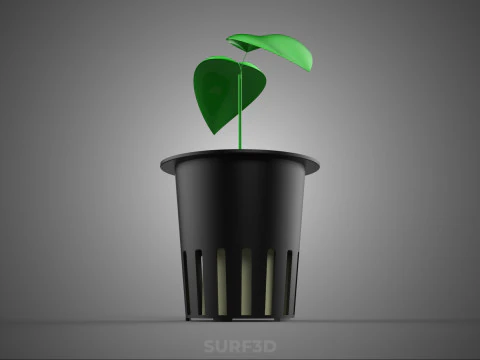
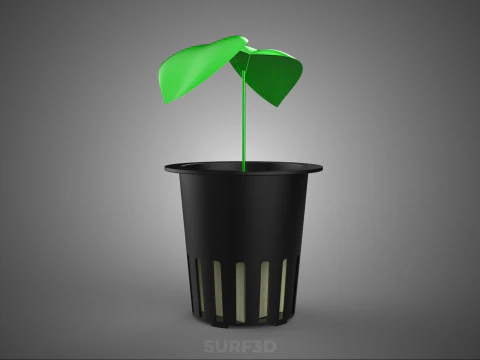
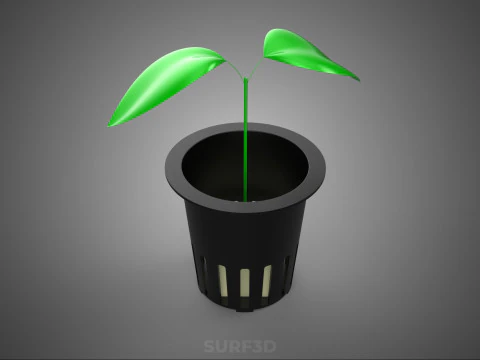
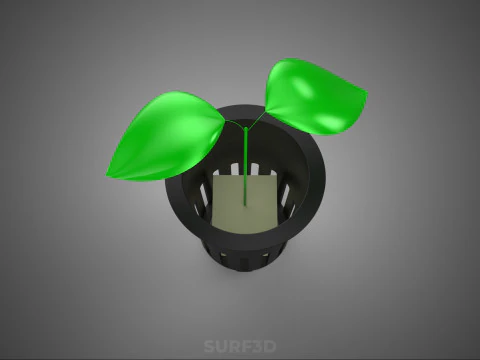
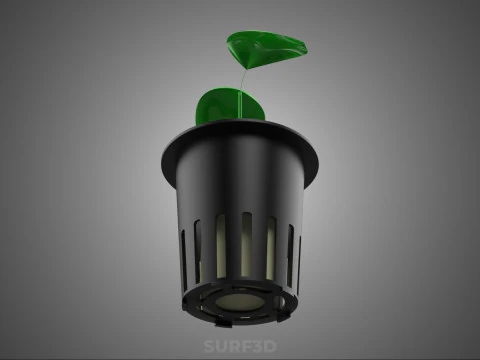
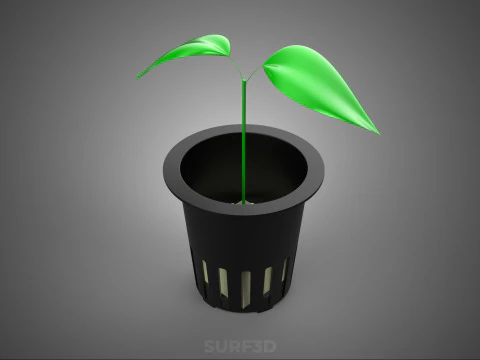
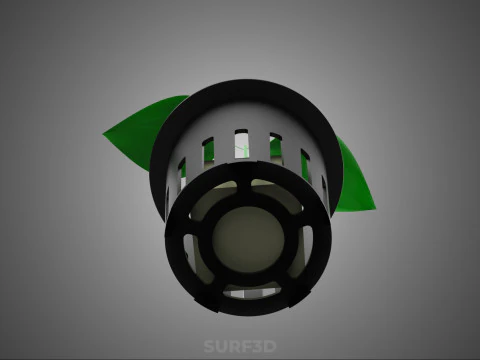
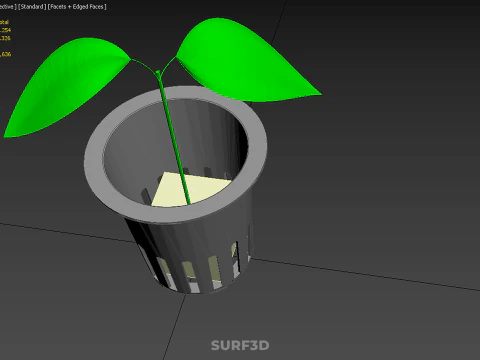
ESPONJA DE ESPUMA DE LANA DE ROCA PLANTA DE PU RED HIDROPÓNICA MACETA TAZA MEDIANA Modelo 3D
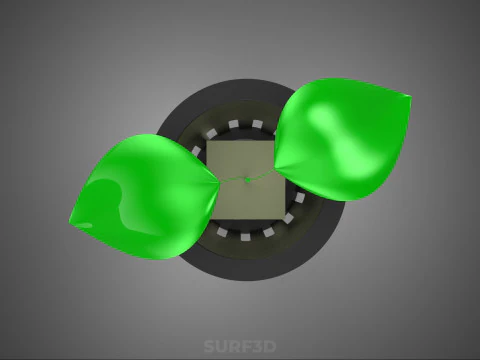
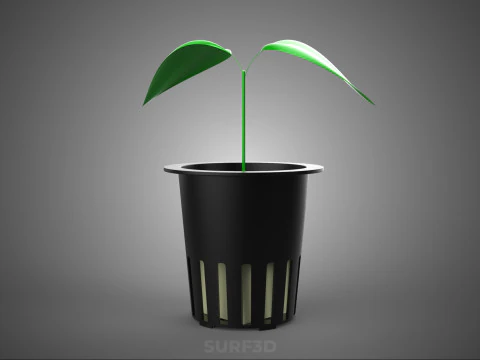
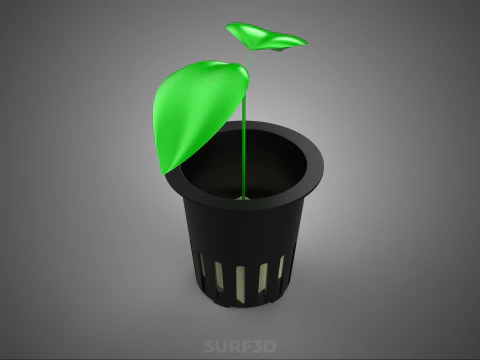
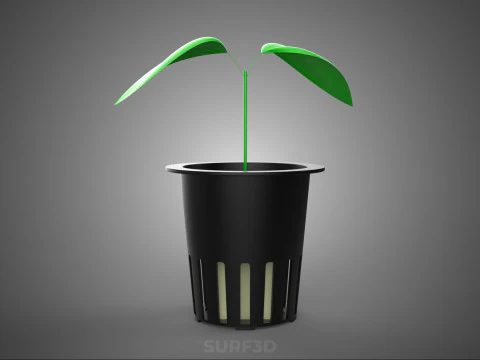
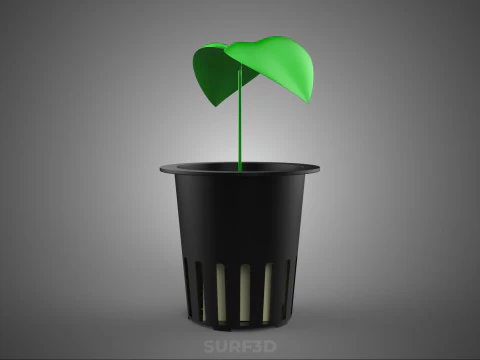
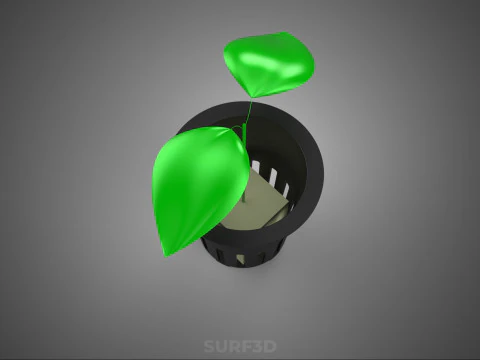
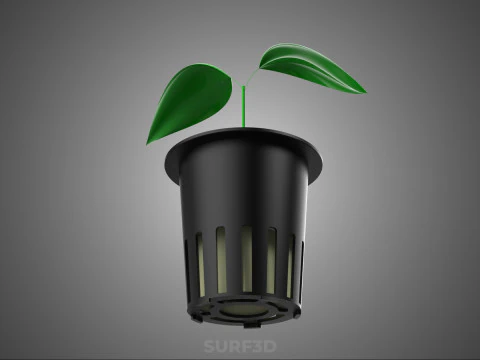
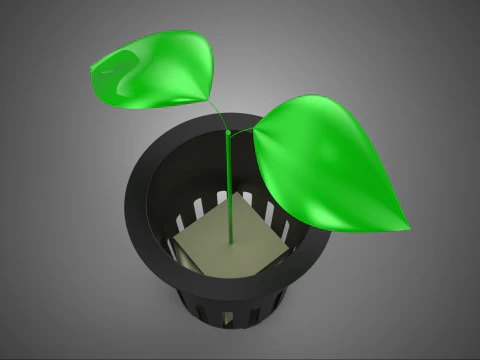
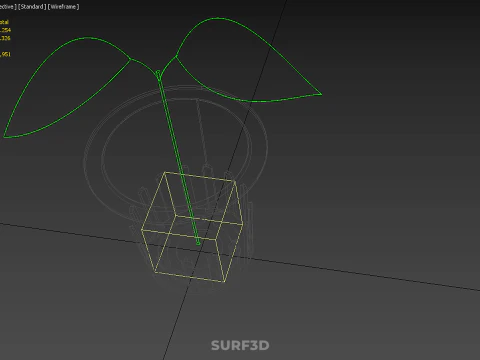
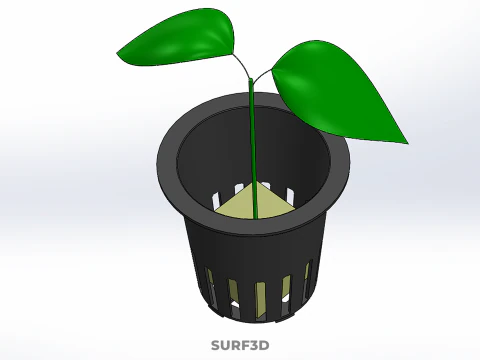
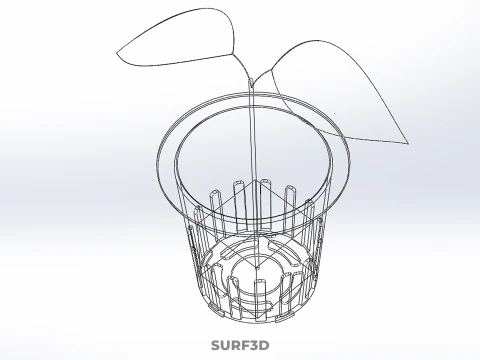
- Solicitar soporte de producto


- Formatos disponibles:
- ID de artículo:616249
- Fecha: 2025-12-07
- Polígonos:9254
- Vértices:7326
- Animados:No
- Texturas:No
- Articulados:No
- Materiales:Yes
- Low-poly:No
- Colección:No
- Mapas UVW:No
- Plugins Usados:No
- Listo para Imprimir:No
- 3D Scan:No
- Para adultos:No
- PBR:No
- AI Capacitación:No
- Geometría:Poly NURBS
- Desenvolver UVs:Unknown
- Vistas:620
Descripción
High-quality 3D assets at affordable prices — trusted by designers, engineers, and creators worldwide. Made with care to be versatile, accessible, and ready for your pipeline.
Included File Formats
This model is provided in 14 widely supported formats, ensuring maximum compatibility:
• - FBX (.fbx) – Standard format for most 3D software and pipelines
• - OBJ + MTL (.obj, .mtl) – Wavefront format, widely used and compatible
• - STL (.stl) – Exported mesh geometry; may be suitable for 3D printing with adjustments
• - STEP (.step, .stp) – CAD format using NURBS surfaces
• - IGES (.iges, .igs) – Common format for CAD/CAM and engineering workflows (NURBS)
• - SAT (.sat) – ACIS solid model format (NURBS)
• - DAE (.dae) – Collada format for 3D applications and animations
• - glTF (.glb) – Modern, lightweight format for web, AR, and real-time engines
• - 3DS (.3ds) – Legacy format with broad software support
• - 3ds Max (.max) – Provided for 3ds Max users
• - Blender (.blend) – Provided for Blender users
• - SketchUp (.skp) – Compatible with all SketchUp versions
• - AutoCAD (.dwg) – Suitable for technical and architectural workflows
• - Rhino (.3dm) – Provided for Rhino users
Model Info
• - All files are checked and tested for integrity and correct content
• - Geometry uses real-world scale; model resolution varies depending on the product (high or low poly)
• • - Scene setup and mesh structure may vary depending on model complexity
• - Rendered using Luxion KeyShot
• - Affordable price with professional detailing
Buy with confidence. Quality and compatibility guaranteed.
If you have any questions about the file formats, feel free to send us a message — we're happy to assist you!
Sincerely,
SURF3D
Trusted source for professional and affordable 3D models.
More Information About 3D Model :
The collective terms "ROCKWOOL FOAM SPONGE PU PLANT HYDROPONIC NET POT CUP MESH MEDIUM" refer to a suite of specialized, complementary components utilized in controlled-environment agriculture (CEA) and advanced soilless cultivation systems, such as hydroponics. These components function primarily to provide inert or semi-inert mechanical support, facilitate seedling propagation, and manage the interface between the plant’s root system and the circulating nutrient solution.
### Substrate Components
The system relies on two primary classes of rooting media, selected for their high porosity, chemical neutrality, and suitability for water-based nutrient delivery:
1. **Rockwool (Mineral Wool):** Often considered the industry standard for commercial hydroponics, Rockwool is a manufactured fibrous material created by melting basaltic rock, chalk, and coke, which is then spun into fine fibers and compressed into standardized shapes (cubes, blocks, or slabs). Rockwool possesses an extremely high water-holding capacity (WHC) and exceptional air-filled porosity (AFP), ensuring both adequate moisture retention and crucial oxygenation of the root zone. It is chemically inert, though its manufacturing process results in an initially alkaline pH (typically 7.0–8.0), which requires pre-treatment or conditioning before use to optimize pH levels for nutrient absorption. Rockwool cubes are typically used for initial seed germination and clonal propagation.
2. **Polyurethane (PU) Foam Sponges:** These synthetic media, often referred to as "foam sponges," serve as a lightweight, alternative rooting material. PU foam is chemically stable and provides excellent aeration. Sponges are typically pre-cut with cross-sections or holes optimized for precise seed placement or cuttings. Due to their consistent structure and ease of handling, they are popular for high-density seedling propagation systems, offering slightly superior oxygenation compared to denser Rockwool starter cubes.
### Structural Components
To stabilize the substrate and the growing plant within the hydroponic system, structural plastic containers are employed:
**Net Pots, Cups, and Mesh Medium:** These are injection-molded plastic containers, usually manufactured from inert materials like high-density polyethylene (HDPE) or polypropylene (PP). Designed with an open, latticed or mesh base and sidewalls, the net pot or cup serves as a stable housing for the Rockwool cube or PU foam sponge. The mesh structure is critical as it permits unimpeded root egress into the nutrient reservoir or flow channel, maximizing contact between the roots and the aqueous nutrient solution (e.g., in Deep Water Culture (DWC) or Nutrient Film Technique (NFT) systems).
### Application and Function
The operational cycle begins with seed germination or rooting within the small, highly retentive substrate (Rockwool cube or foam sponge). Once the seedling is established and possesses a nascent root ball, the entire substrate unit is transferred and seated snugly into a larger net pot. This assembled unit is then mechanically placed into the hydroponic system's growth channel or reservoir lid.
The function of this integrated system is multifaceted: it provides mechanical stability against water movement and wind, isolates the root crown from the nutrient solution to prevent crown rot, and acts as a semi-wicking medium for initial water supply while ensuring the developed root mass receives a consistent, oxygenated nutrient supply via direct exposure to the circulating solution. The transition from the dense substrate medium to the open mesh structure facilitates rapid root expansion into the liquid environment, optimizing nutrient uptake efficiency.
KEYWORDS: Hydroponics, Rockwool, Mineral Wool, Polyurethane Foam, PU Sponge, Soilless Culture, Net Pot, Mesh Cup, Substrate, Growing Medium, Propagation, Seedling Germination, Aeration, Porosity, Water Retention, Nutrient Delivery, Root Zone, Deep Water Culture (DWC), NFT, Ebb and Flow, CEA, Inert Medium, Transplanting, HDPE, Mechanical Support, Grow Cube, Basaltic Fiber, Controlled Environment, Hydroculture, Soilless Substrate.
¿Necesita más formatos?
Si precisa un formato distinto, por favor, abra una consulta de Soporte y solicítelo. Podemos convertir modelos 3D a: .stl, .c4d, .obj, .fbx, .ma/.mb, .3ds, .3dm, .dxf/.dwg, .max. .blend, .skp, .glb. Conversión de formato libreNosotros no convertimos escenas 3d y formatos como .step, .iges, .stp, .sldprt.!
Información de uso
ESPONJA DE ESPUMA DE LANA DE ROCA PLANTA DE PU RED HIDROPÓNICA MACETA TAZA MEDIANA - Puede usar este modelo 3D libre de regalías tanto para fines personales como comerciales, de acuerdo con la Licencia Básica o Extendida.La Licencia Básica cubre la mayoría de los casos de uso estándar, incluyendo anuncios digitales, proyectos de diseño y visualización, cuentas empresariales en redes sociales, aplicaciones nativas, aplicaciones web, videojuegos y productos finales físicos o digitales (tanto gratuitos como comerciales).
La Licencia Extendida incluye todos los derechos otorgados bajo la Licencia Básica, sin limitaciones de uso, y permite que el modelo 3D se use en un número ilimitado de proyectos comerciales bajo las condiciones de la Licencia Libre de Regalías.
Leer más
¿Garantizáis la Devolución de Dinero?
Si. Si compras un producto y encuentras errores de rendimiento o descripción, intentaremos solucionar el problema lo antes posible. Si no lo logramos, cancelaremos tu pedido y tu dinero será devuelto en 24h, desde que el producto fué descargado. Lea más condiciones aquíPalabras clave