
 English
 Deutsch
 日本語
日本語 Polska
 Français
 한국의
한국의 Українська
 Italiano
 Nederlands
 Türkçe
 Português
 Bahasa Indonesia
 Русский
 中國
中國 हिंदी
हिंदी
















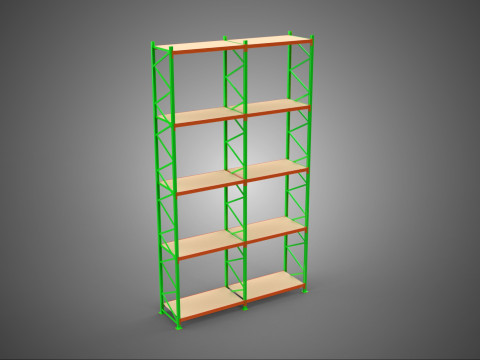
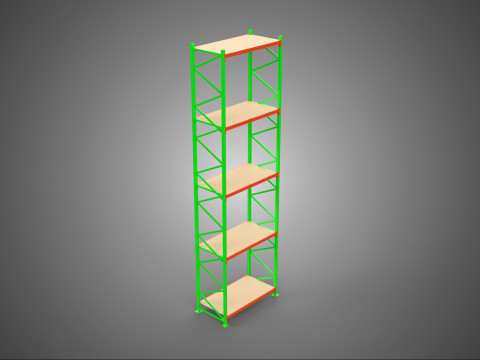
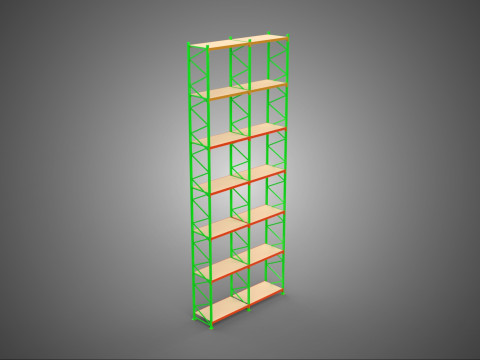
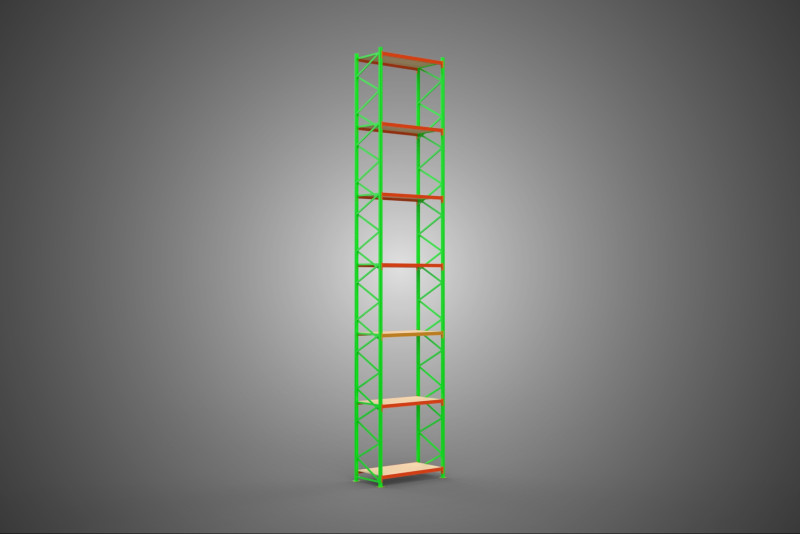
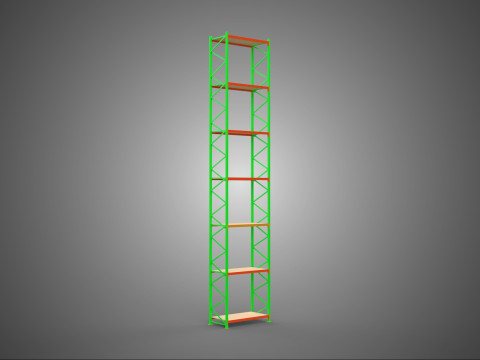
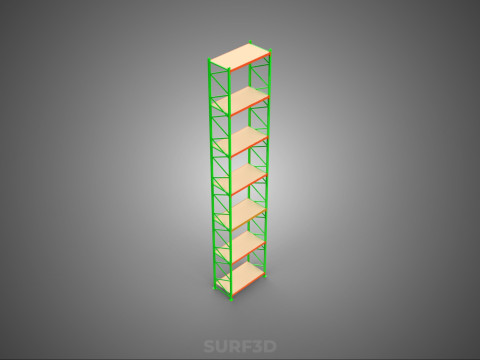
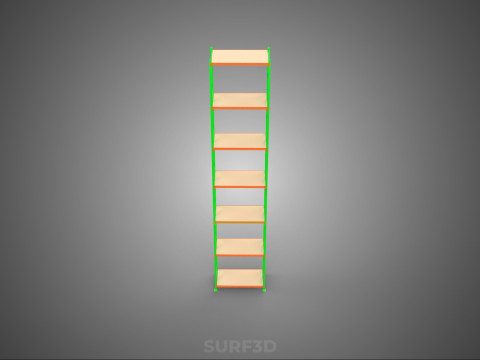
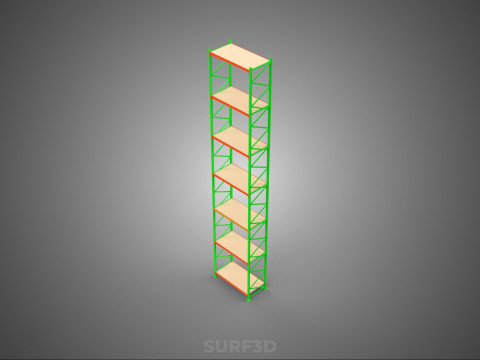
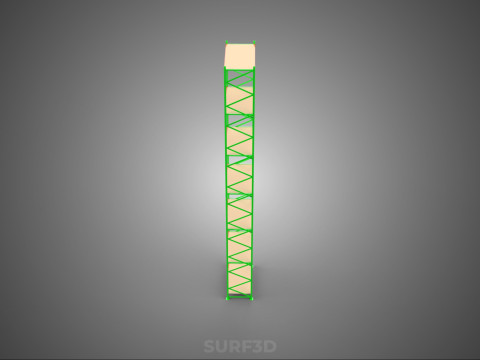
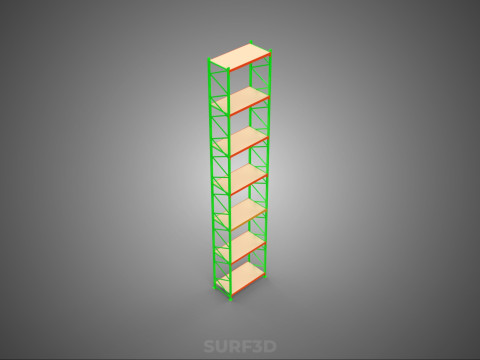
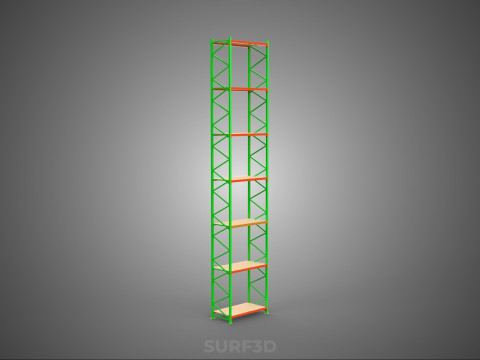
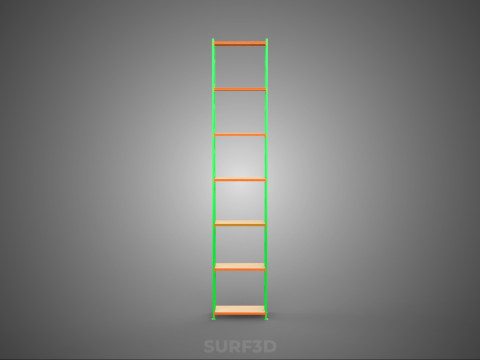
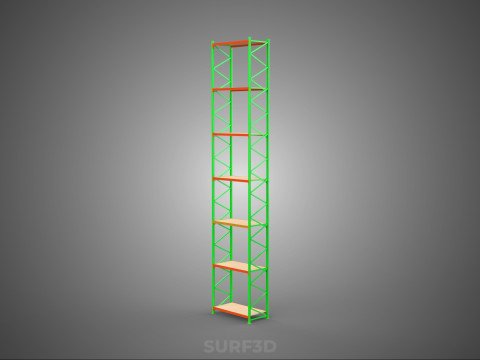
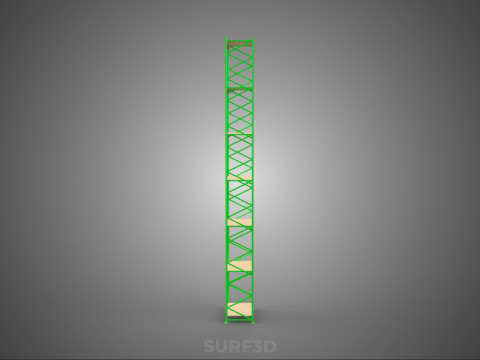
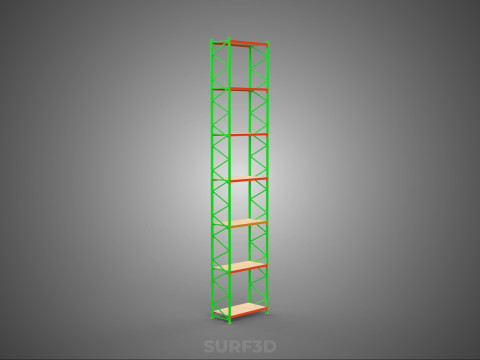
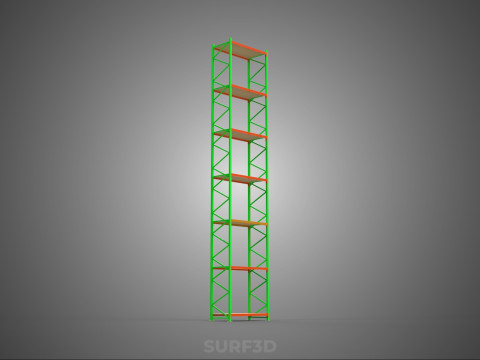
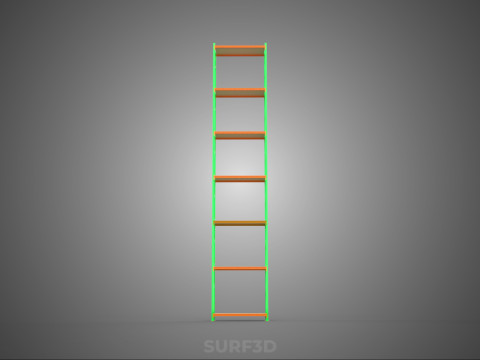
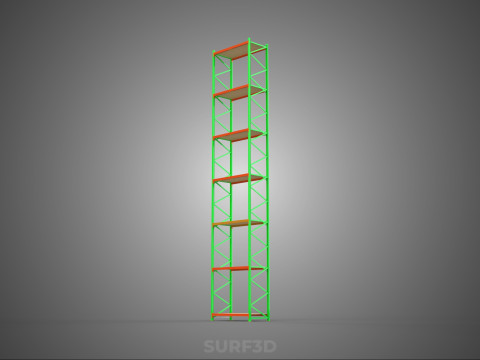
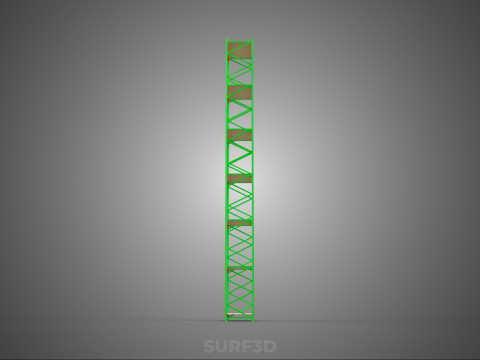
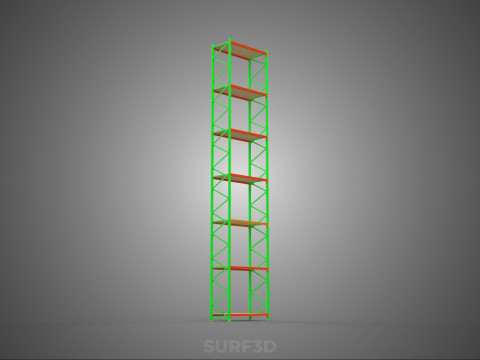
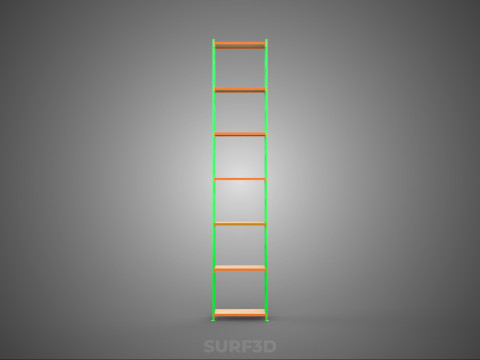
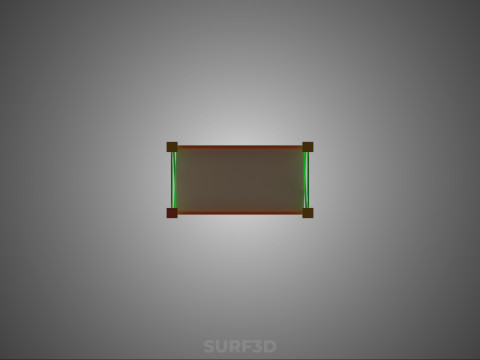
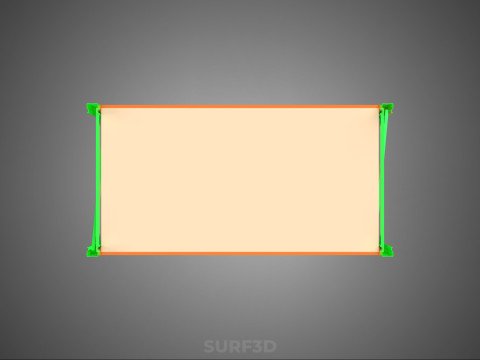
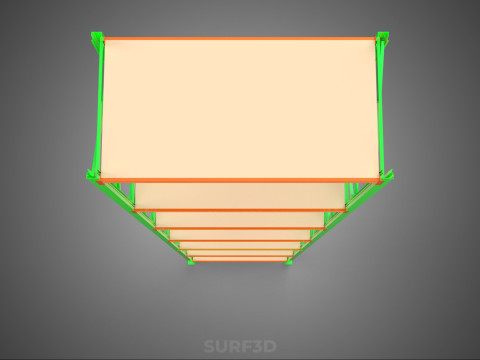
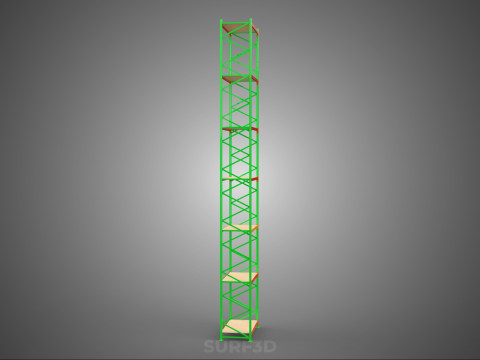
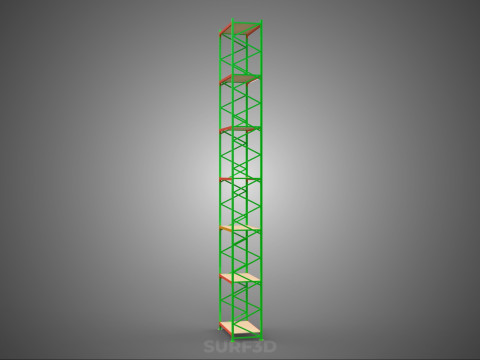
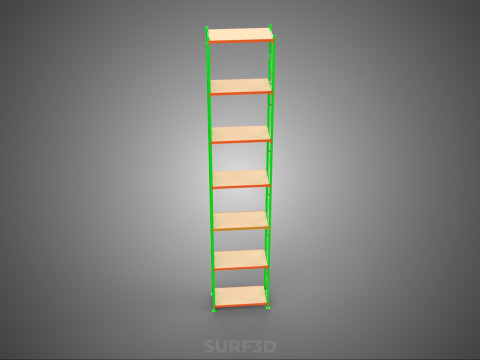
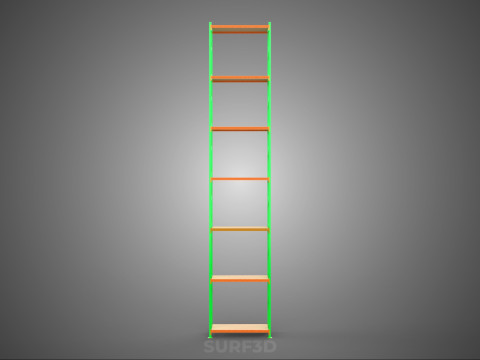
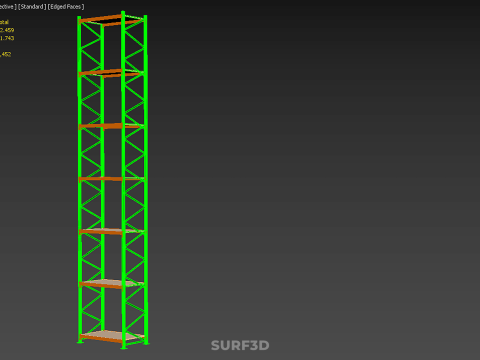
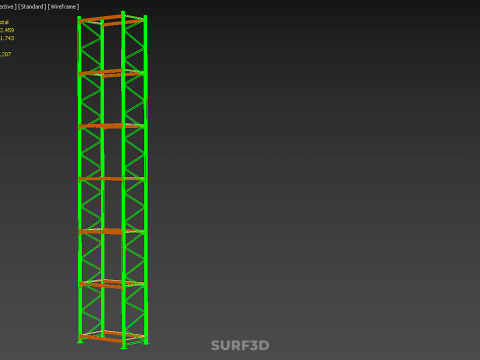
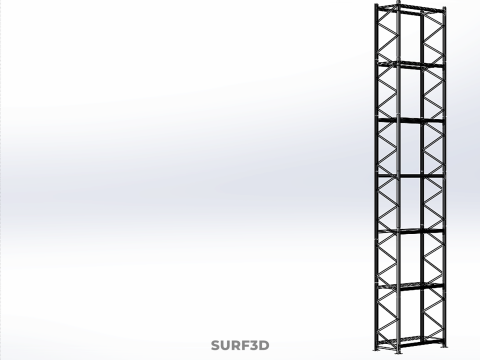
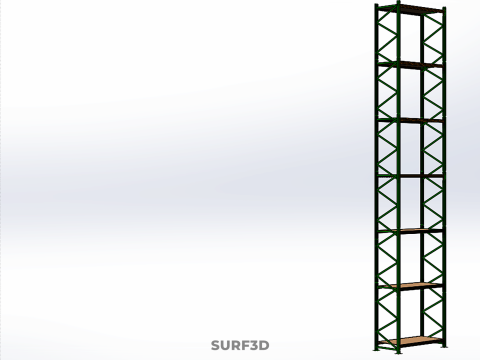
ALMACENAMIENTO DE ESTANTES DE ALMACÉN DE METAL DE MADERA VERTICAL VERTICAL DE ESTANTE DE TORRE Modelo 3D
- Solicitar soporte de producto


- Formatos disponibles:
- ID de artículo:604482
- Fecha: 2025-10-11
- Polígonos:82459
- Vértices:91743
- Animados:No
- Texturas:No
- Articulados:No
- Materiales:
- Low-poly:No
- Colección:No
- Mapas UVW:No
- Plugins Usados:No
- Listo para Imprimir:No
- 3D Scan:No
- Para adultos:No
- PBR:No
- AI Capacitación:No
- Geometría:Poly NURBS
- Desenvolver UVs:Unknown
- Vistas:420
Descripción
High-quality 3D assets at affordable prices — trusted by designers, engineers, and creators worldwide. Made with care to be versatile, accessible, and ready for your pipeline.
Included File Formats
This model is provided in 14 widely supported formats, ensuring maximum compatibility:
• - FBX (.fbx) – Standard format for most 3D software and pipelines
• - OBJ + MTL (.obj, .mtl) – Wavefront format, widely used and compatible
• - STL (.stl) – Exported mesh geometry; may be suitable for 3D printing with adjustments
• - STEP (.step, .stp) – CAD format using NURBS surfaces
• - IGES (.iges, .igs) – Common format for CAD/CAM and engineering workflows (NURBS)
• - SAT (.sat) – ACIS solid model format (NURBS)
• - DAE (.dae) – Collada format for 3D applications and animations
• - glTF (.glb) – Modern, lightweight format for web, AR, and real-time engines
• - 3DS (.3ds) – Legacy format with broad software support
• - 3ds Max (.max) – Provided for 3ds Max users
• - Blender (.blend) – Provided for Blender users
• - SketchUp (.skp) – Compatible with all SketchUp versions
• - AutoCAD (.dwg) – Suitable for technical and architectural workflows
• - Rhino (.3dm) – Provided for Rhino users
Model Info
• - All files are checked and tested for integrity and correct content
• - Geometry uses real-world scale; model resolution varies depending on the product (high or low poly)
• • - Scene setup and mesh structure may vary depending on model complexity
• - Rendered using Luxion KeyShot
• - Affordable price with professional detailing
Buy with confidence. Quality and compatibility guaranteed.
If you have any questions about the file formats, feel free to send us a message — we're happy to assist you!
Sincerely,
SURF3D
Trusted source for professional and affordable 3D models.
More Information About 3D Model :
A "Tower Rack Upright Vertical Wood Metal Warehouse Shelves Storage" system refers to a specific class of industrial and commercial storage infrastructure, purposefully engineered to maximize cubic storage volume within logistical facilities. This specialized equipment is distinguished by its pronounced vertical orientation, modular design, and the synergistic integration of both metallic and wooden components to form multi-tiered shelving units suitable for diverse inventory.
**Structural Composition and Materiality:**
The fundamental integrity of these storage systems relies on a composite material approach:
* **Metallic Framework:** The primary load-bearing structure, often referred to as the "upright vertical" component, is predominantly constructed from high-strength metals, typically cold-formed or hot-rolled steel. The core elements include:
* **Upright Frames (Posts/Columns):** These vertical members form the backbone of the system, designed with perforations or slots along their length to facilitate the precise and adjustable positioning of horizontal beams. Steel uprights are selected for their compressive strength, rigidity, and durability.
* **Beams (Shelf Supports):** Horizontal members that span between opposing uprights, providing the direct support for the shelving surfaces. These are also manufactured from steel, engineered with specific profiles (e.g., box, step, C-channel) to achieve desired load-bearing capacities and minimize deflection under load.
* **Bracing:** Diagonal and horizontal struts connecting the uprights within a frame, crucial for lateral stability and resistance against sway.
* **Finishes:** Metallic components are frequently treated with protective coatings such as powder coating (for aesthetics and corrosion resistance) or galvanization (for superior corrosion protection in challenging environments).
* **Wooden Shelving Surfaces (Decks):** The actual platforms upon which goods are stored are commonly fashioned from various engineered wood products or solid timber.
* **Materials:** Common choices include plywood, particle board (chipboard), medium-density fiberboard (MDF), or oriented strand board (OSB). These materials offer a balance of cost-effectiveness, surface integrity, and ease of fabrication. In some heavy-duty applications, solid timber planks may be utilized for enhanced strength and durability.
* **Advantages of Wood Decks:** Wood provides a continuous, relatively smooth surface, which can be advantageous for storing items that might be damaged by direct contact with metal grates or for accommodating smaller, non-uniform goods. It can also be more economical than a full metal deck system, contributing to the overall cost-efficiency of the hybrid design.
**Design Principles and Modularity:**
The "tower rack" designation underscores the system's capacity for significant vertical extension, often approaching the full height of a facility to maximize volumetric utilization. The design emphasizes modularity, allowing for easy expansion, reconfiguration, or relocation. Key design features include:
* **Adjustability:** Shelves are typically height-adjustable, enabling operators to customize spacing between levels to accommodate a wide array of product dimensions, from small components to bulky packages. This flexibility is critical for dynamic inventory management.
* **Stability:** Proper installation requires anchoring the upright frames to the warehouse floor to ensure structural stability and prevent accidental tipping, particularly important for tall structures and systems exposed to potential impacts.
* **Accessibility:** While some higher levels may require mechanical aids like forklifts or order pickers, lower and mid-level shelves are generally designed for manual stock picking, facilitating efficient inventory access.
**Functional Applications and Strategic Advantages:**
These storage systems are integral to the logistical operations of diverse sectors, including general warehousing, distribution centers, manufacturing plants (for parts and work-in-progress storage), retail backrooms, and archival institutions. They are ideally suited for the organized storage of:
* Non-palletized goods, cartons, and individual units.
* Items of varying dimensions and weights that benefit from dedicated shelf space rather than bulk stacking.
* Medium-density inventory where efficient manual access is a priority.
The primary advantages include:
* **Optimized Space Utilization:** By capitalizing on vertical space, these systems dramatically reduce the floor area required for a given volume of inventory, directly impacting operational efficiency and real estate costs.
* **Cost-Effectiveness:** The hybrid material approach often presents a more economical solution than exclusively heavy-duty steel racking, particularly for applications not requiring the extreme load capacities or abuse resistance of full industrial pallet racking.
* **Versatility:** The adjustable nature and robust construction allow for storage of a broad spectrum of products, making them highly adaptable to changing inventory profiles.
* **Inventory Organization:** Provides clear separation and visibility of stored items, enhancing inventory control and facilitating efficient retrieval.
**Load Capacity and Safety Protocols:**
Detailed engineering specifications govern the load capacity of these systems, encompassing both the uniform distributed load (UDL) per shelf and the total permissible load per bay. Factors such as steel gauge, beam cross-section, and the thickness/type of wooden decking are critical determinants of capacity. Safety protocols mandate:
* Adherence to manufacturer-specified load ratings.
* Correct installation, including proper anchoring to the floor.
* Regular inspections for damage or structural compromise.
* Clear load signage to prevent overloading.
**Distinction within Storage Systems:**
While related to other industrial storage solutions, the "Tower Rack Upright Vertical Wood Metal Warehouse Shelves Storage" occupies a distinct niche.
¿Necesita más formatos?
Si precisa un formato distinto, por favor, abra una consulta de Soporte y solicítelo. Podemos convertir modelos 3D a: .stl, .c4d, .obj, .fbx, .ma/.mb, .3ds, .3dm, .dxf/.dwg, .max. .blend, .skp, .glb. Conversión de formato libreNosotros no convertimos escenas 3d y formatos como .step, .iges, .stp, .sldprt.!
Información de uso
ALMACENAMIENTO DE ESTANTES DE ALMACÉN DE METAL DE MADERA VERTICAL VERTICAL DE ESTANTE DE TORRE - Puede usar este modelo 3D libre de regalías tanto para fines personales como comerciales, de acuerdo con la Licencia Básica o Extendida.La Licencia Básica cubre la mayoría de los casos de uso estándar, incluyendo anuncios digitales, proyectos de diseño y visualización, cuentas empresariales en redes sociales, aplicaciones nativas, aplicaciones web, videojuegos y productos finales físicos o digitales (tanto gratuitos como comerciales).
La Licencia Extendida incluye todos los derechos otorgados bajo la Licencia Básica, sin limitaciones de uso, y permite que el modelo 3D se use en un número ilimitado de proyectos comerciales bajo las condiciones de la Licencia Libre de Regalías.
Leer más
¿Garantizáis la Devolución de Dinero?
Si. Si compras un producto y encuentras errores de rendimiento o descripción, intentaremos solucionar el problema lo antes posible. Si no lo logramos, cancelaremos tu pedido y tu dinero será devuelto en 24h, desde que el producto fué descargado. Lea más condiciones aquíPalabras clave
Artículos al azar de este autor
Mostrar todos los artículos añadidos por surf3d