
 English
 Español
 Türkçe
















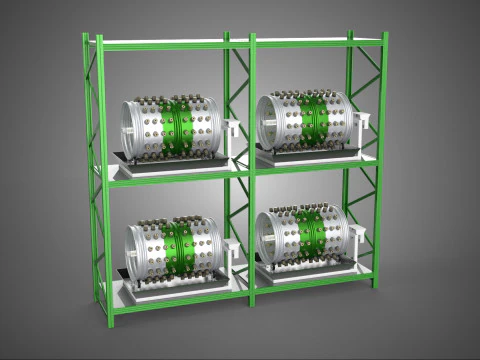
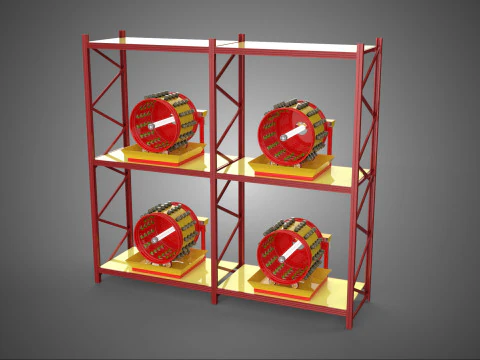
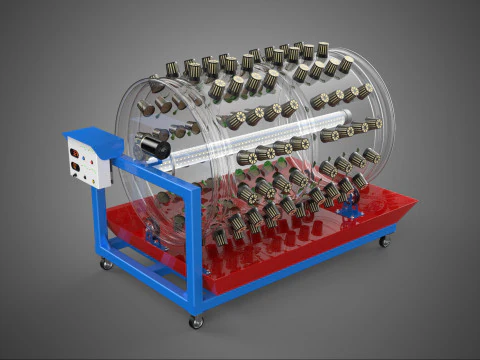
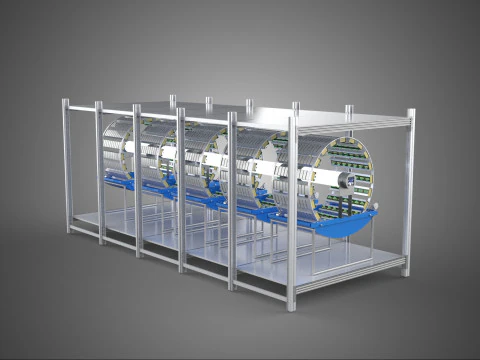
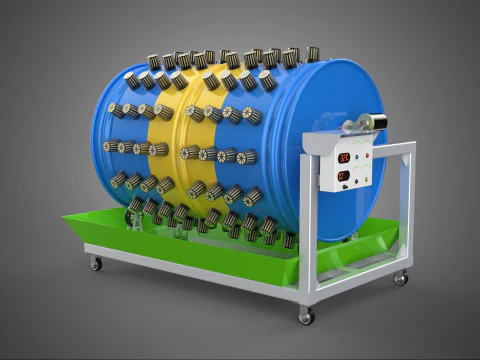
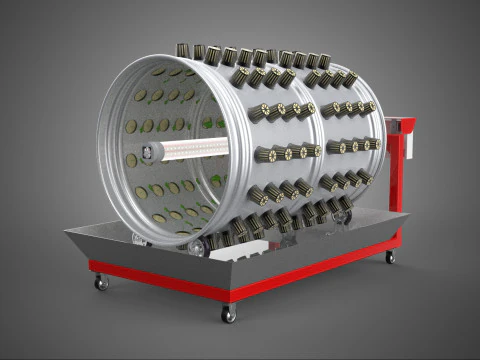
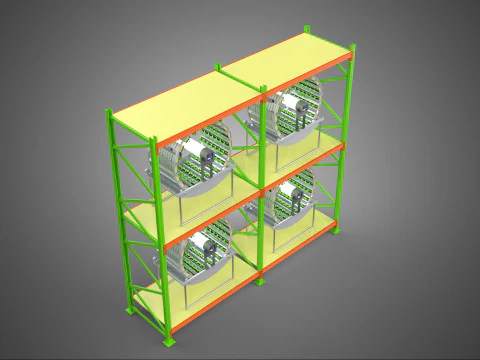
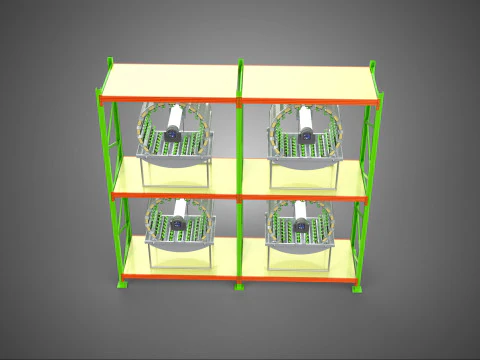
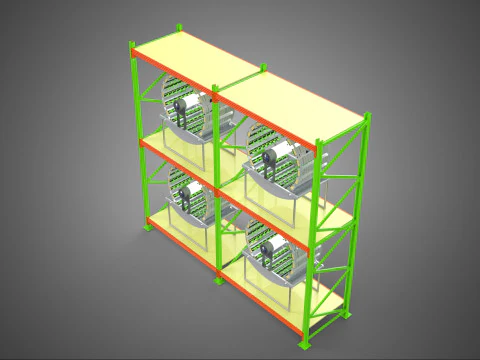
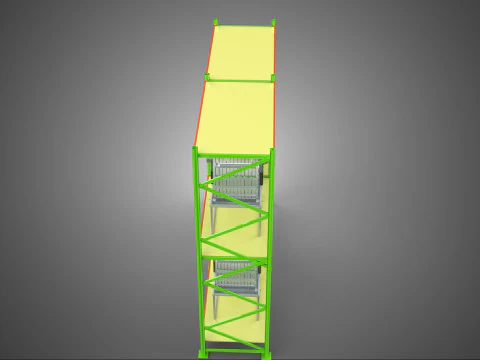
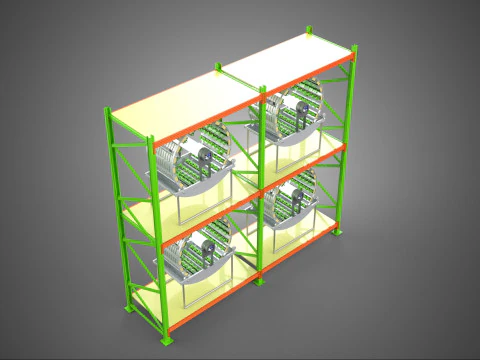
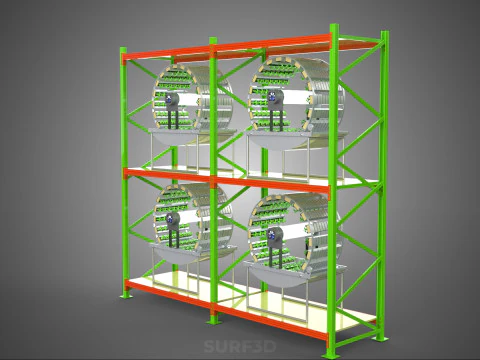
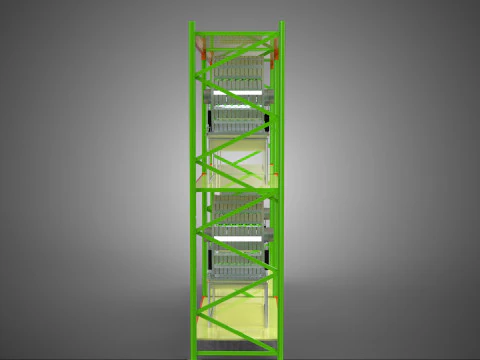
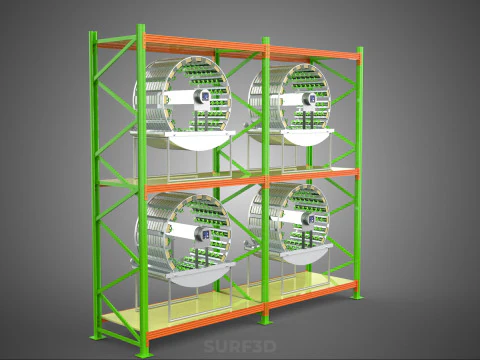
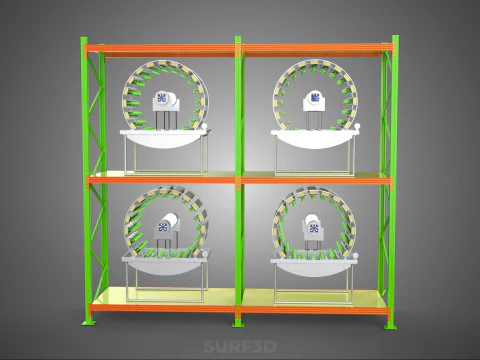
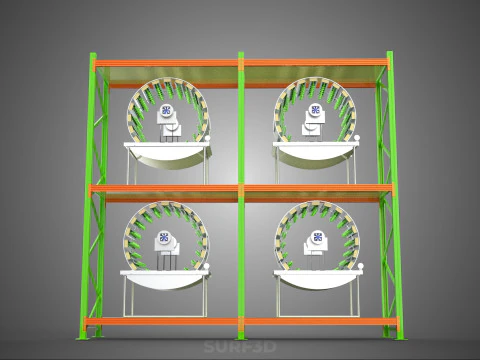
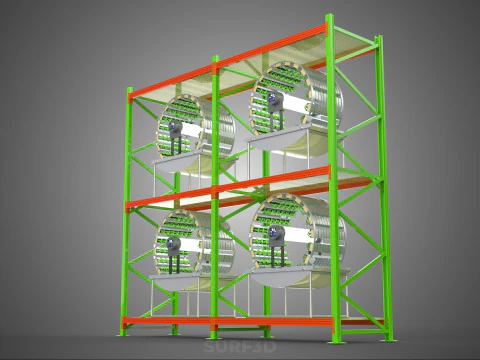
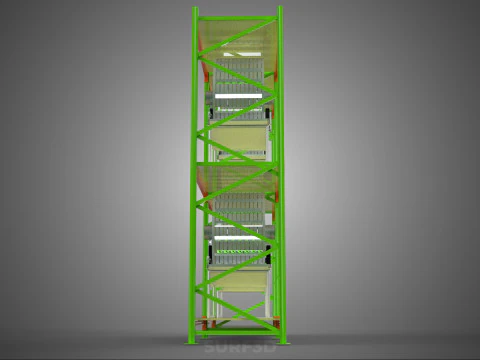
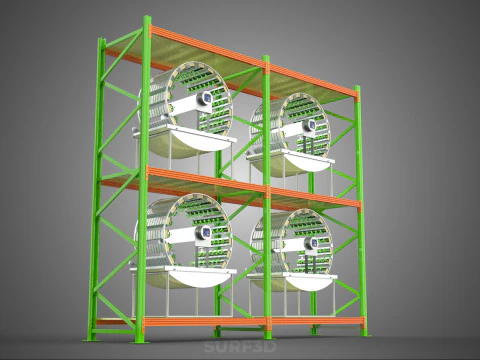
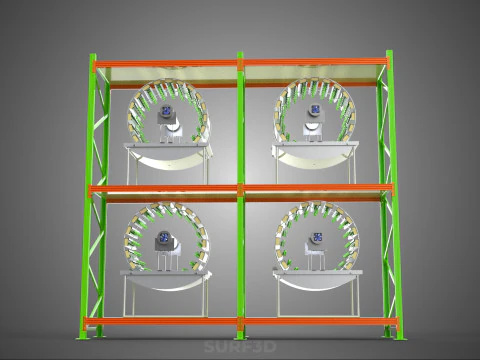
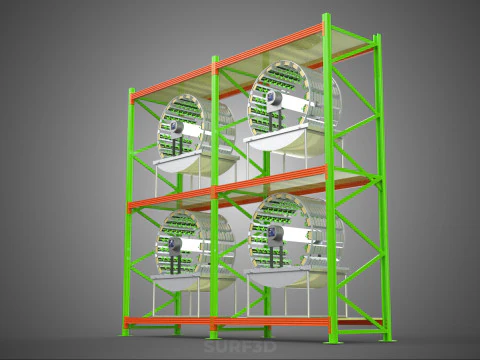
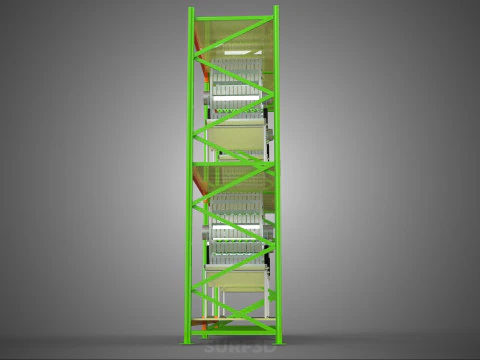
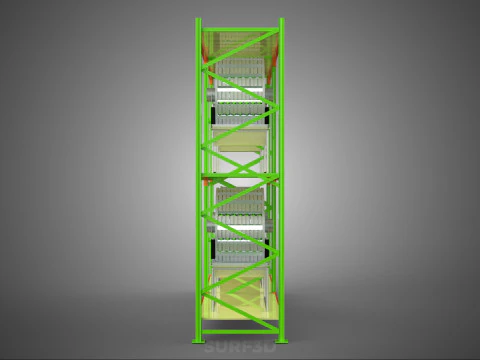
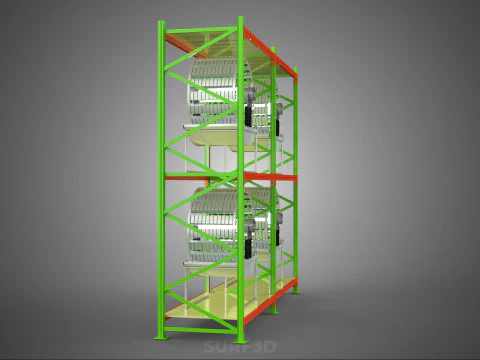
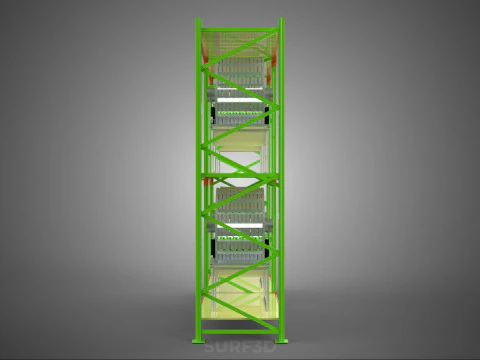
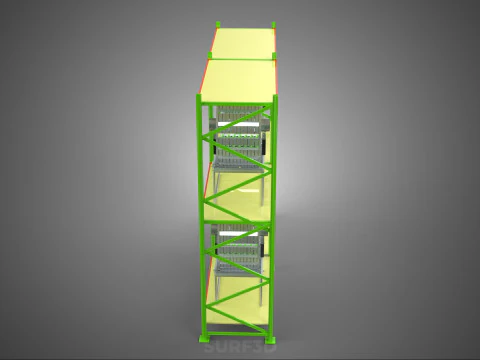
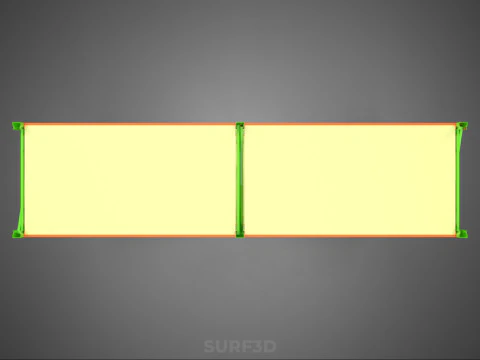
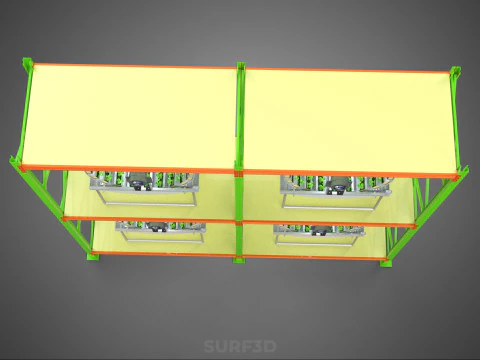
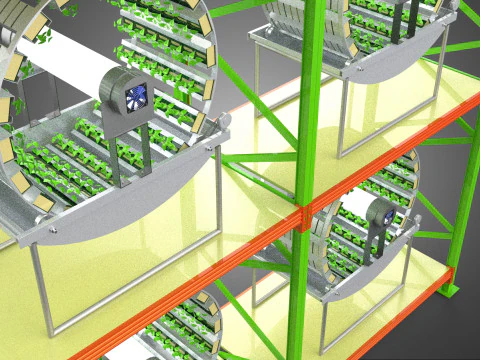
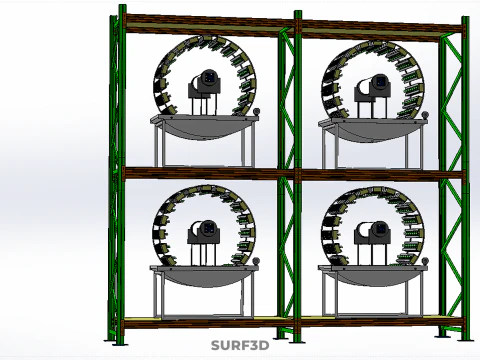
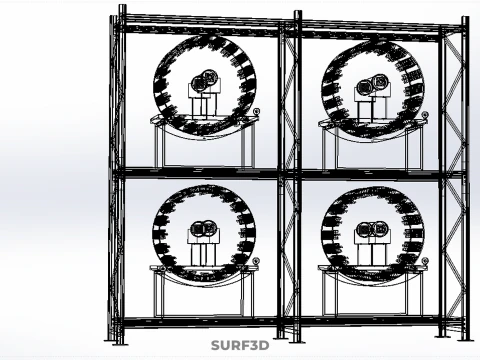
REIHE ARRAY REGAL RACK TABLETT ROTARY HYDROPONIC PLANT GARDEN INDOOR 3D Modell
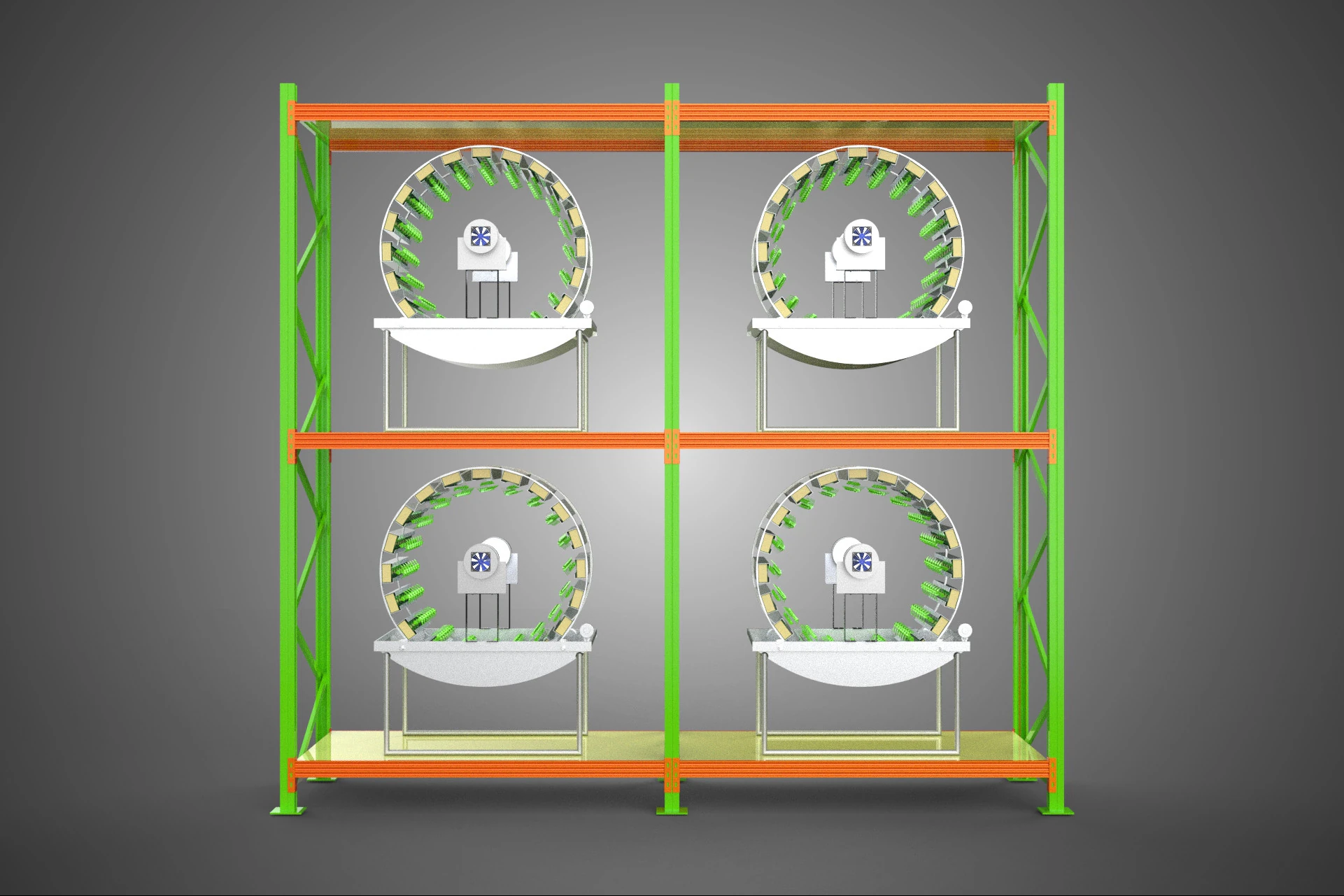

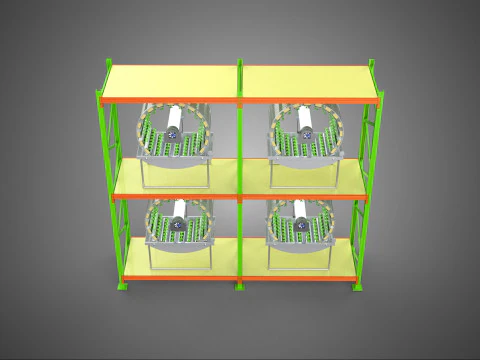
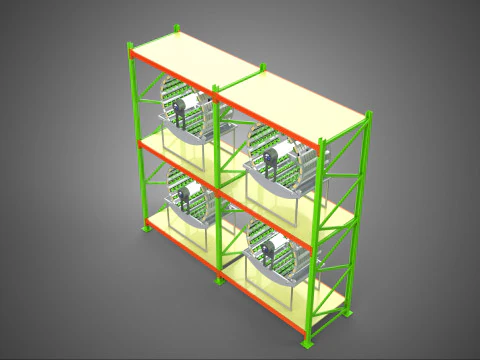
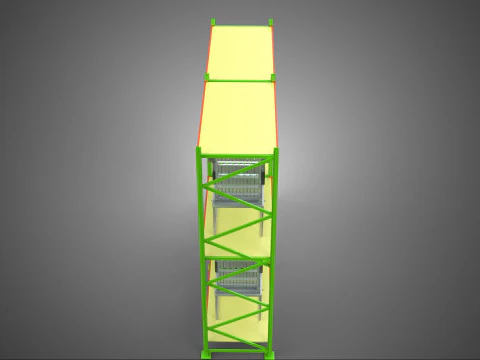
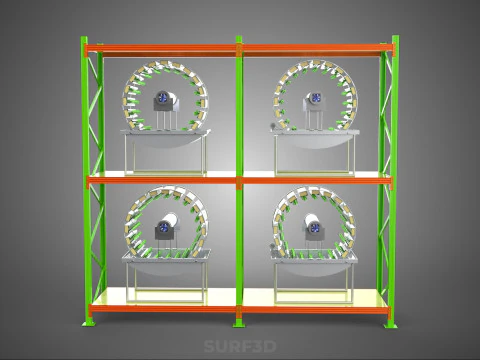
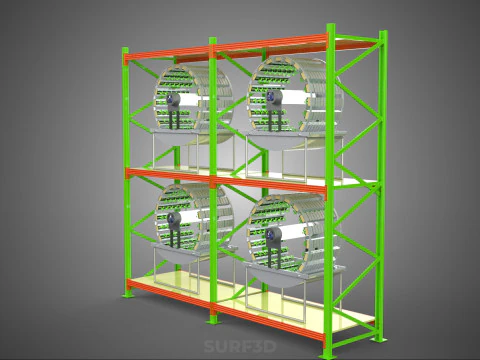
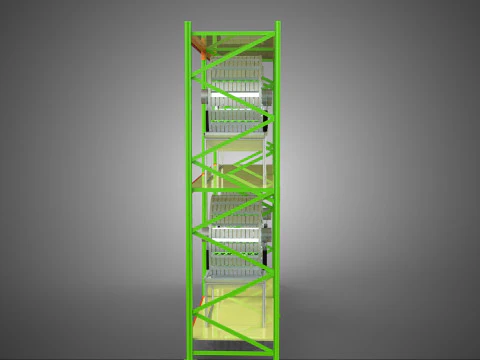
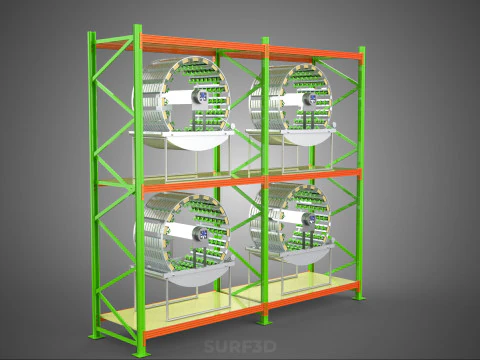
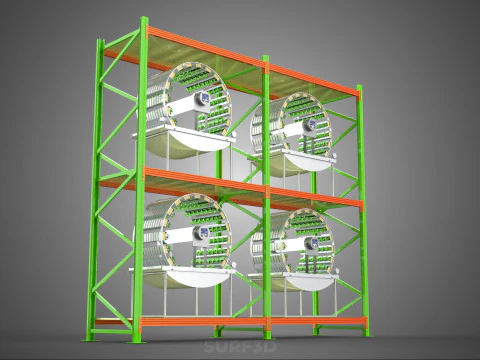
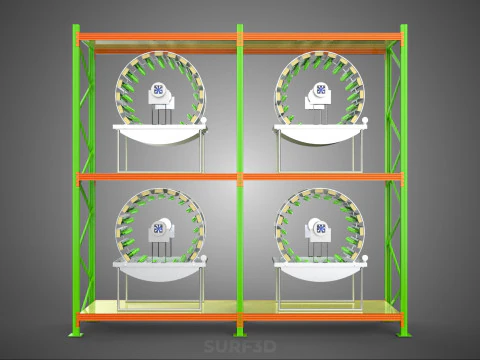
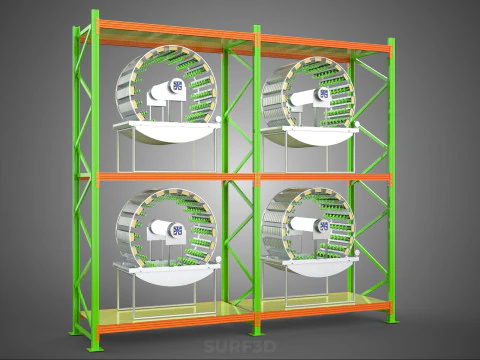
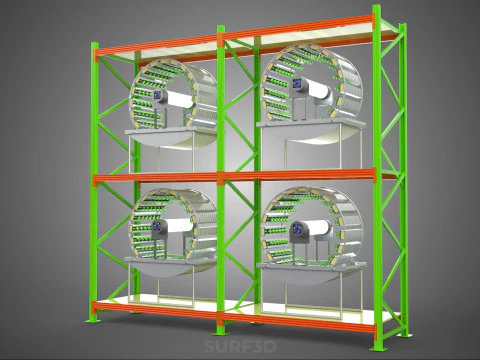
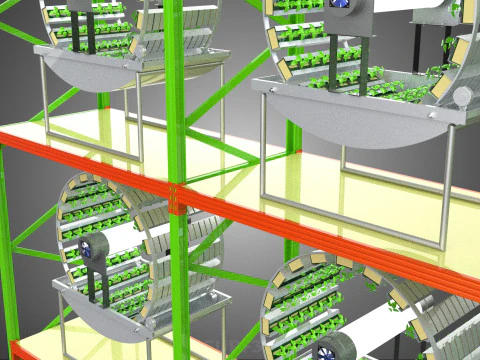
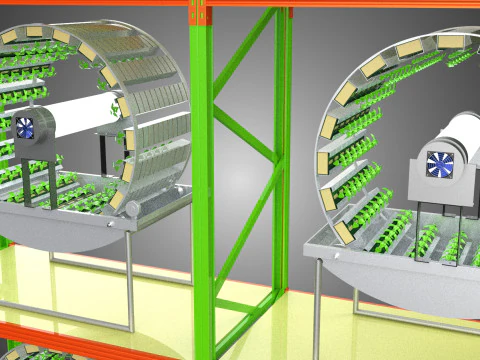
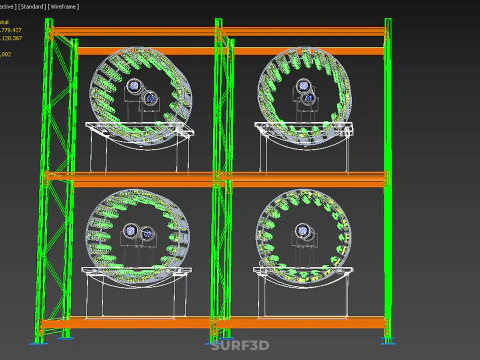
- Fordern Sie Produktunterstützung


- Verfügbare Formate:
- Artikel-ID:602662
- Datum: 2025-10-01
- Polygone:7779427
- Eckpunkte:5120367
- Animiert:No
- Texturen:No
- Rigged:No
- Materialien:
- Low-poly:No
- Sammlung:No
- UVW mapping:No
- Plugins Used:No
- Druckfertige:No
- 3D Scan:No
- Erwachsene:No
- PBR:No
- KI-Training:No
- Geometrie:Poly NURBS
- Unwrapped UVs:Unknown
- Betrachter:584
Beschreibung
High-quality 3D assets at affordable prices — trusted by designers, engineers, and creators worldwide. Made with care to be versatile, accessible, and ready for your pipeline.
Included File Formats
This model is provided in 14 widely supported formats, ensuring maximum compatibility:
• - FBX (.fbx) – Standard format for most 3D software and pipelines
• - OBJ + MTL (.obj, .mtl) – Wavefront format, widely used and compatible
• - STL (.stl) – Exported mesh geometry; may be suitable for 3D printing with adjustments
• - STEP (.step, .stp) – CAD format using NURBS surfaces
• - IGES (.iges, .igs) – Common format for CAD/CAM and engineering workflows (NURBS)
• - SAT (.sat) – ACIS solid model format (NURBS)
• - DAE (.dae) – Collada format for 3D applications and animations
• - glTF (.glb) – Modern, lightweight format for web, AR, and real-time engines
• - 3DS (.3ds) – Legacy format with broad software support
• - 3ds Max (.max) – Provided for 3ds Max users
• - Blender (.blend) – Provided for Blender users
• - SketchUp (.skp) – Compatible with all SketchUp versions
• - AutoCAD (.dwg) – Suitable for technical and architectural workflows
• - Rhino (.3dm) – Provided for Rhino users
Model Info
• - All files are checked and tested for integrity and correct content
• - Geometry uses real-world scale; model resolution varies depending on the product (high or low poly)
• • - Scene setup and mesh structure may vary depending on model complexity
• - Rendered using Luxion KeyShot
• - Affordable price with professional detailing
Buy with confidence. Quality and compatibility guaranteed.
If you have any questions about the file formats, feel free to send us a message — we're happy to assist you!
Sincerely,
SURF3D
Trusted source for professional and affordable 3D models.
More Information About 3D Model :
A Rotary Hydroponic Plant Garden, often comprehensively described as a "Row Array Shelf Rack Tray Rotary Hydroponic Plant Garden Indoor," is an advanced and integrated system for cultivating plants in a controlled indoor environment. This innovative approach combines the principles of hydroponics with a dynamic, typically vertical, rotary mechanism to maximize space utilization, optimize resource efficiency, and enhance plant growth within confined areas. It represents a significant advancement in controlled environment agriculture (CEA) and urban farming.
**Core Components and Design:**
The system's design is characterized by the synergy of several key elements:
1. **Rotary Mechanism:** This is the defining feature, distinguishing it from static vertical farms. It involves a motorized system that continuously or intermittently moves plant containment units (trays or shelves). Common configurations include:
* **Vertical Carousels:** Trays are attached to a central axis or a chain-driven system that rotates them vertically in a continuous loop. Plants move through different zones, often passing a centralized light source, ensuring uniform light exposure and promoting even growth across all levels.
* **Horizontal Rotating Platforms:** While less common for multi-tiered systems, these can rotate entire racks or individual shelves to provide consistent light distribution or facilitate access for maintenance and harvesting.
The primary function of the rotary mechanism is to optimize light exposure for all plants, irrespective of their position, often utilizing fewer light sources than equivalent static multi-tiered systems.
2. **Shelf Rack Structure:** Plants are arranged in multiple tiers or levels on shelves that are integrated into a robust, often vertical, rack structure. This vertical farming approach dramatically increases the cultivation area per unit of floor space. Materials are typically corrosion-resistant, such as stainless steel or powder-coated aluminum, to withstand the humid conditions inherent in hydroponic environments and the mechanical stresses of constant or intermittent motion.
3. **Trays and Row Array:** Plants are cultivated within individual trays, modules, or pods, which are systematically organized into rows or arrays on the shelves. These trays hold the nutrient-rich water solution and provide physical support for the plants. Inert growing media like rockwool, coco coir, perlite, or clay pebbles are commonly used to anchor plants and support root development. The "row array" emphasizes a structured, high-density arrangement designed to maximize the number of plants grown per tray and per shelf.
4. **Hydroponic System Integration:** As a hydroponic system, plants are grown without soil, deriving essential nutrients from a precisely formulated water solution. Various hydroponic methods can be adapted for rotary systems, including:
* **Nutrient Film Technique (NFT):** A shallow stream of nutrient solution flows over the roots.
* **Deep Water Culture (DWC):** Plant roots are largely submerged in an aerated nutrient solution.
* **Drip Irrigation Systems:** Nutrient solution is delivered directly to the base of each plant.
The system typically includes a central reservoir for the nutrient solution, a pump for circulation, and aeration mechanisms (e.g., air stones) to provide oxygen to the roots, preventing anoxia.
**Operational Principles and Advantages:**
1. **Optimized Light Distribution:** The rotary motion ensures that every plant in the system receives a consistent and optimal amount of light from strategically placed LED grow lights or other light sources. This minimizes shadowing, promotes uniform growth, and can lead to more efficient energy use for lighting by requiring fewer fixtures for a given grow volume.
2. **Maximized Space Utilization:** By stacking plants vertically and incorporating a compact rotary design, these systems achieve exceptionally high planting densities within a minimal footprint. This is invaluable for urban agriculture, research facilities, and locations with limited land availability.
3. **Resource Efficiency:** As an indoor hydroponic system, it inherently reuses and recycles water and nutrients, leading to significantly lower consumption compared to traditional soil-based agriculture. The enclosed environment also minimizes water loss through evaporation and runoff.
4. **Controlled Environment Agriculture (CEA):** Operating indoors allows for precise control over critical environmental parameters, including temperature, humidity, carbon dioxide (CO2) levels, and air circulation. This control mitigates pest and disease risks, eliminates weather-related crop failures, and enables consistent, year-round production of high-quality produce.
5. **Automation Potential:** The rotary nature lends itself well to automation, including automated nutrient delivery, environmental monitoring, and potentially even planting and harvesting. This reduces manual labor requirements and increases operational efficiency.
**Applications:**
Rotary hydroponic plant gardens find application in diverse sectors:
* **Commercial Indoor Farms:** For high-value crops such as leafy greens, herbs, microgreens, and strawberries.
* **Agricultural Research and Development:** For studying plant responses to varying environmental conditions and nutrient regimes.
* **Educational Institutions:** As demonstration models for advanced agricultural techniques.
* **Urban Agriculture Initiatives:** Contributing to local food security and reducing food miles.
**Considerations and Challenges:**
Despite their advantages, these systems present certain considerations:
* **Initial Investment:** The complexity of the rotary mechanism, specialized lighting, environmental controls, and hydroponic infrastructure can result in higher upfront capital costs.
* **Energy Consumption:** While efficient, the system still requires significant energy for lighting, pumps, motors, and environmental conditioning (HVAC).
Sie brauchen mehr Formate?
Falls Sie ein anderes Format benötigen, eröffnen Sie bitte ein neues Support-Ticket und fragen Sie danach. Wir können 3D Modelle in folgende Formate konvertieren: .stl, .c4d, .obj, .fbx, .ma/.mb, .3ds, .3dm, .dxf/.dwg, .max. .blend, .skp, .glb. Kostenlose FormatkonvertierungWir konvertieren keine 3D Szenen und Formate wie .step, .iges, .stp, .sldprt usw!
Nutzungsinformationen
REIHE ARRAY REGAL RACK TABLETT ROTARY HYDROPONIC PLANT GARDEN INDOOR - Sie können dieses lizenzfreie 3D Modell gemäß der Basis- oder erweiterten Lizenz sowohl für private als auch für kommerzielle Zwecke verwenden.Die Basislizenz deckt die meisten Standardanwendungsfälle ab, darunter digitale Werbung, Design- und Visualisierungsprojekte, Social-Media-Konten von Unternehmen, native Apps, Web-Apps, Videospiele sowie physische oder digitale Endprodukte (sowohl kostenlos als auch kostenpflichtig).
Die Erweiterte Lizenz umfasst alle unter der Basislizenz gewährten Rechte ohne Nutzungsbeschränkungen und ermöglicht die Verwendung des 3D Modells in unbegrenzten kommerziellen Projekten unter Lizenzgebührenfreiheit.
Mehr lesen
Bieten Sie eine Geld-zurück-Garantie?
Ja, tun wir. Wenn Sie ein Produkt erworben haben und einen Fehler in den Rendern oder der Beschreibung finden, werden wir versuchen das Problem so bad wie möglich zu beheben. Wenn wir den Fehler nicht beheben können, stornieren wir Ihre Bestellung und Sie bekommen Ihr Geld innerhalb von 24 Stunden nach dem Download des Artikels zurück. . Lesen Sie weitere Bedingungen hierStichworte